🌊 Today in @Nature: Is the AMOC on the brink of collapse?
Unlikely before 2100—but the risks are real 🚨
We find Southern Ocean winds keep this vital ocean “heat engine” running, even under extreme #climatechange. But the Pacific holds a surprise…
Let’s explore 🧵👇
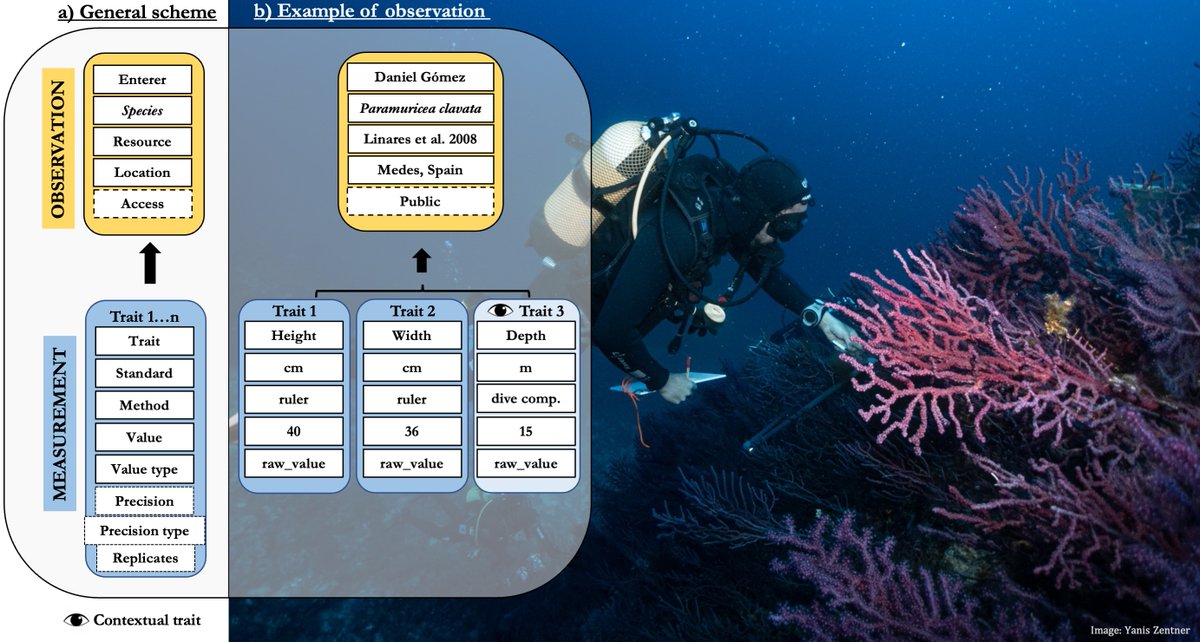
Since 2016, the Coral Trait Database (https://t.co/ATdazUPiwK) has contributed to the advancement of coral reef science. However, data on #octocorals —key components of coral ecosystems— was missing... until NOW!🎉 The Octocoral Trait Database is here!👇
https://t.co/27h53tnGN5
New research on the Global Impacts of Bird Extinctions 🌍🦜🦤
"The global loss of avian functional and phylogenetic diversity from anthropogenic extinctions" led by Tom Mathews and published in @ScienceMagazine.
https://t.co/iPZms4JbvH
A summary of our findings below 🧵(1/9)
"As if the folks in pursuit of a deep sea mining industry weren’t already finding it hard to sidestep the apparent pointlessness of it all, they’ve sadly been dealt another blow" in @miningcomau#StopDeepSeaMining
https://t.co/Szaos1vH2E
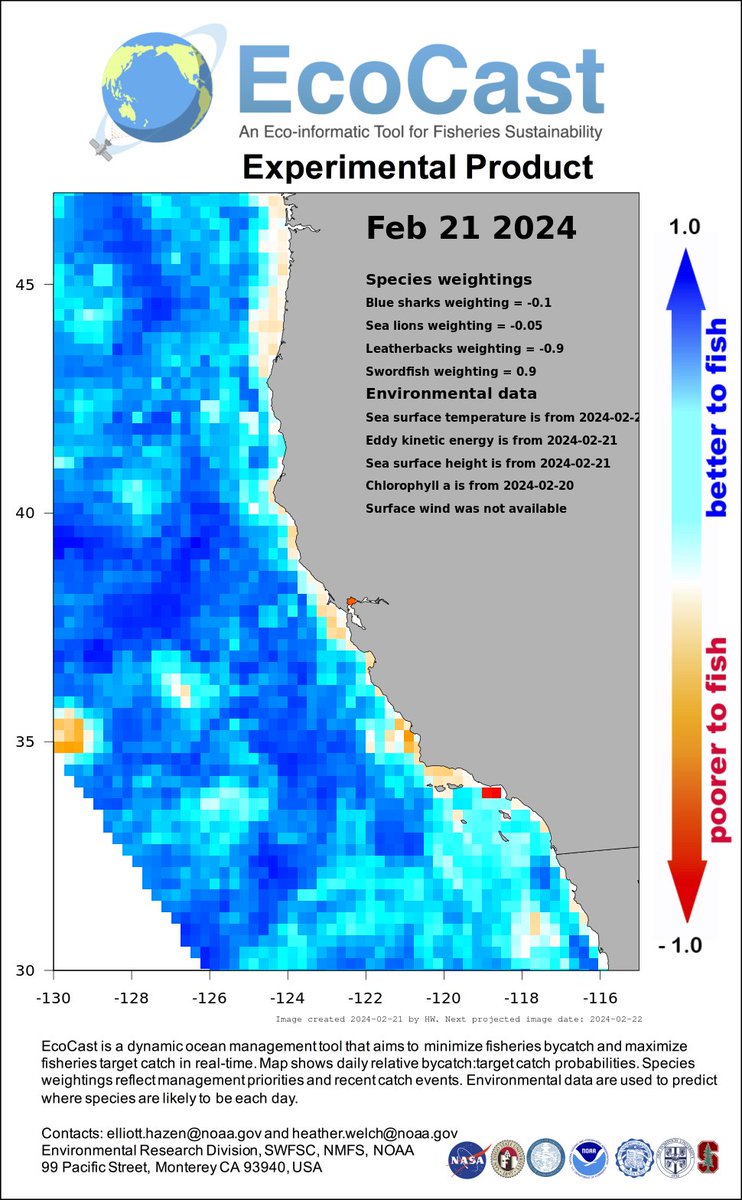
🚨 Come work with us in Monterey California, USA! Position with @UCSCscience and @NOAAFisheries developing dynamic ocean management tools to support applied decision-making in the northeast Pacific
Position description:
https://t.co/ypqdWu7V3P
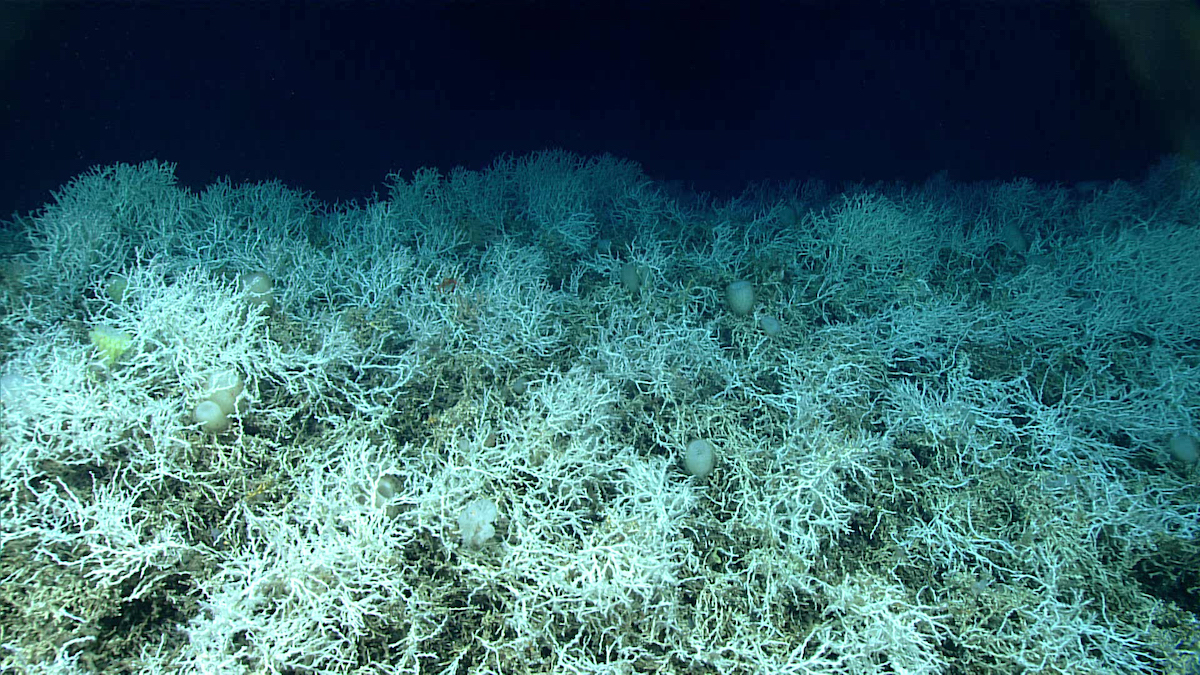
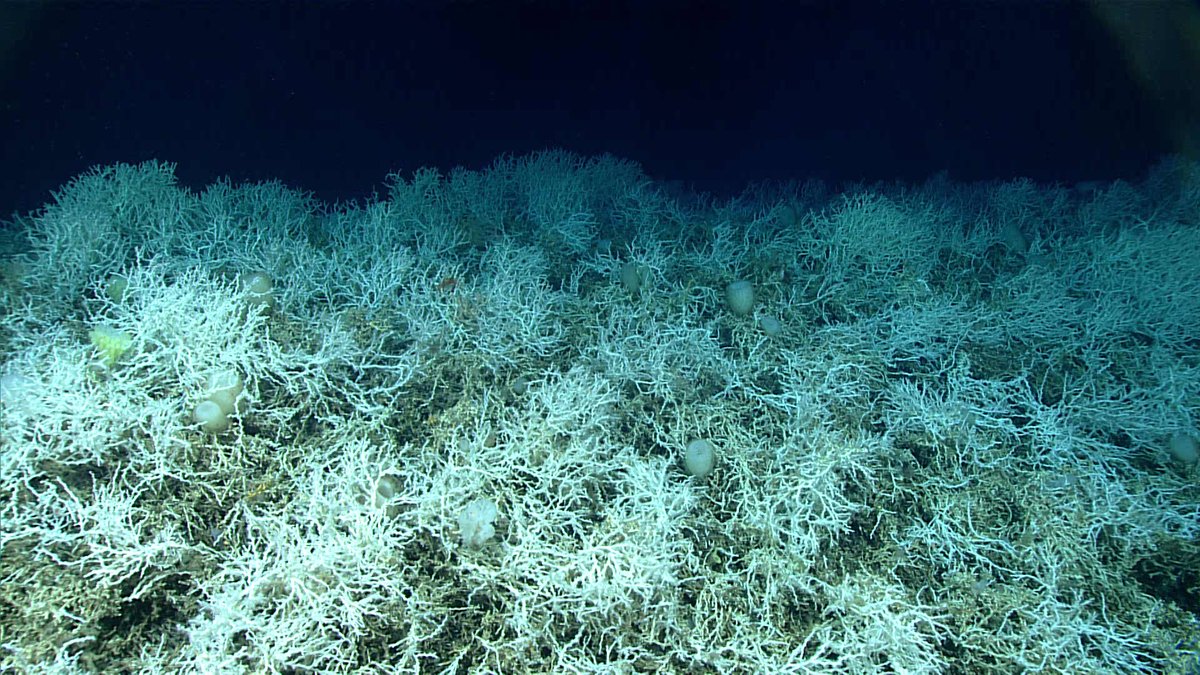
The world’s largest deep-sea coral reef has been revealed by NOAA’s @oceanexplorer! Extending from Miami, Florida to Charleston, South Carolina, the discovery underscores the importance of deep-sea exploration.
Read more via @MiamiHerald: https://t.co/3M50zaSJ5Y
BIG news (literally): Multi-partner mapping effort reveals world's largest known deep-sea #coral reef habitat is right off the U.S. southeast coast, stretching from Miami to Charleston & covering an area larger than Vermont: https://t.co/KGb2wJMyK7
#discovery
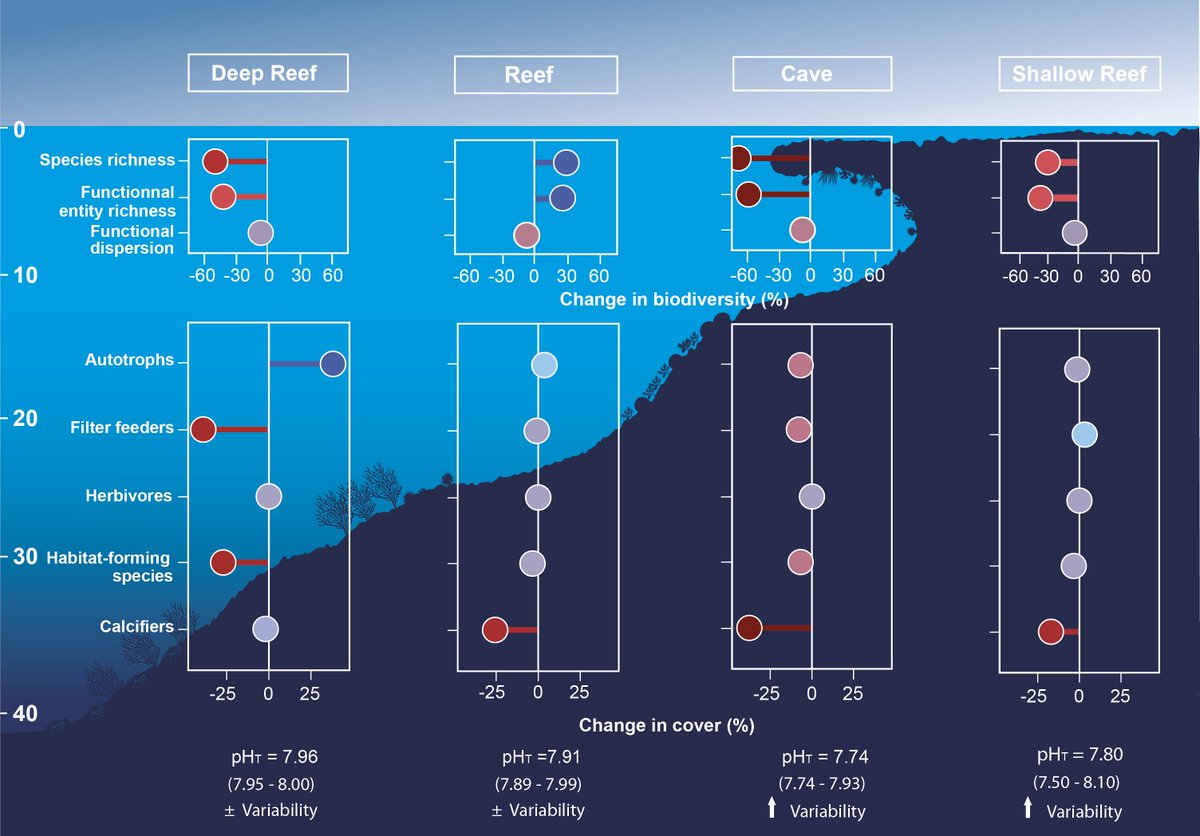
Check out the latest paper @GlobalChangeBio
"Functional changes across marine habitats due to ocean acidification (OA)"
We combine biochemical & biodiversity datasets & a great team ‼️
Happy & pleased to see it out‼️
👇
https://t.co/OrgulOxxAY
🧵(1/6)
The BBNJ Agreement: Through the Prism of Deep-Sea Vulnerable Marine Ecosystems: Ocean Development & International Law: Vol 0, No 0 https://t.co/iYtV8fJgRx
@daveaitel Agree that the price is egregious. I’m happy to share this chapter PDF via DM for those without institutional access. I suggest contacting other chapters’ authors via Twitter or researchgate if interested…most if not all are likely happy to share!
🚨In our new study in @Nature 🚨 we processed 2 million GB of satellite images to identify fishing vessels, nonfishing vessels and fixed infrastructure across the ocean over 5 years. Remarkably, we find that 75% of the world’s industrial fishing vessels are not publicly tracked.
The new textbook 'Cold-water Coral Reefs of the World' is out now via Springer. The first chapter contains a history of CWC science and analyses/models of global reef distributions from my PhD thesis – glad to have contributed to this immense volume!
https://t.co/kjoZx97xUW
Among the changes the Anthropocene brings, species tend to be getting smaller through time (especially 🐠🐡🦈). In this @ScienceMagazine paper led by @InesISMartins, @maadornelas et al, we explored this phenomenon by synthesizing @bioTIMEdb data in an #sDiv group @idiv. See 🧵👇
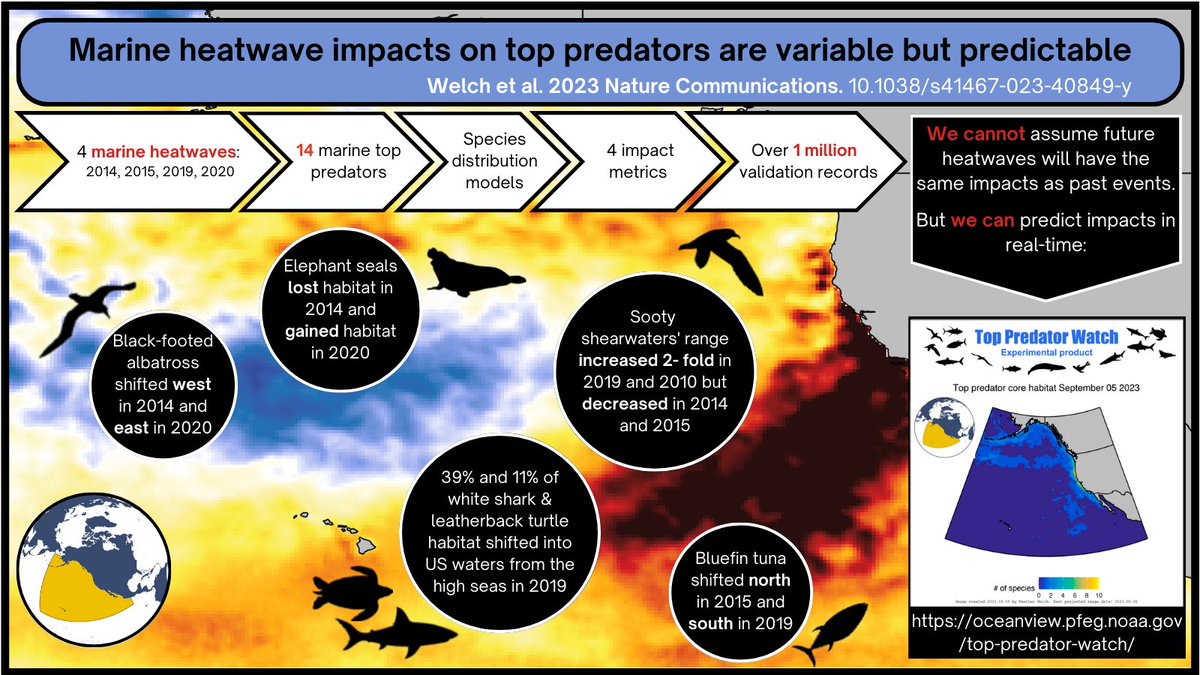
Our new paper in @NatureComms uses a multi-species, multi-heatwave framework to model MHW impacts on marine predators.
We find a surprising diversity of impacts across species and MHWs, signaling a need for ecosystem-based investigations of MHW impacts.
https://t.co/sNrLhxMVyR
Are most species rare? How many species are out there? Our paper on "Unveiling global species abundance distributions " is out today in #openaccess@NatureEcoEvo. A thread🧵 1/# @idiv@UniHalle@callaghanct
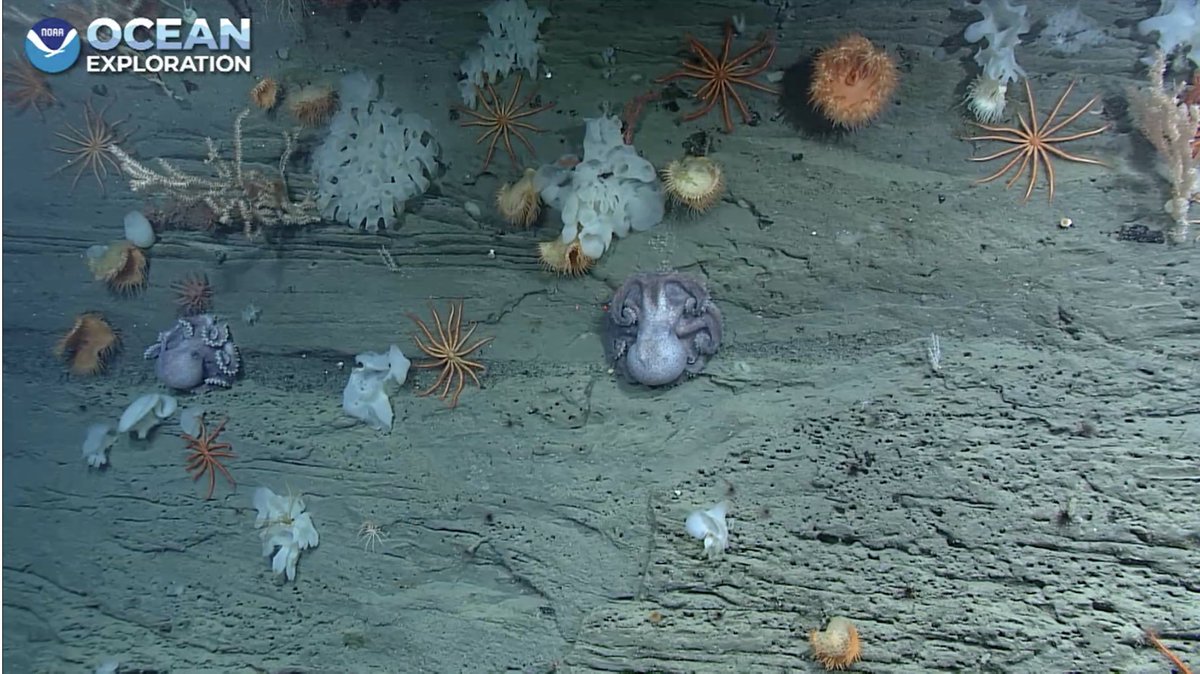
New research from MBARI and our collaborators published in @ScienceAdvances today takes a deeper dive into the Octopus Garden, a remarkable nursery for deep-sea pearl octopus located off the California coast.
Learn more: https://t.co/fldvPeLEXB