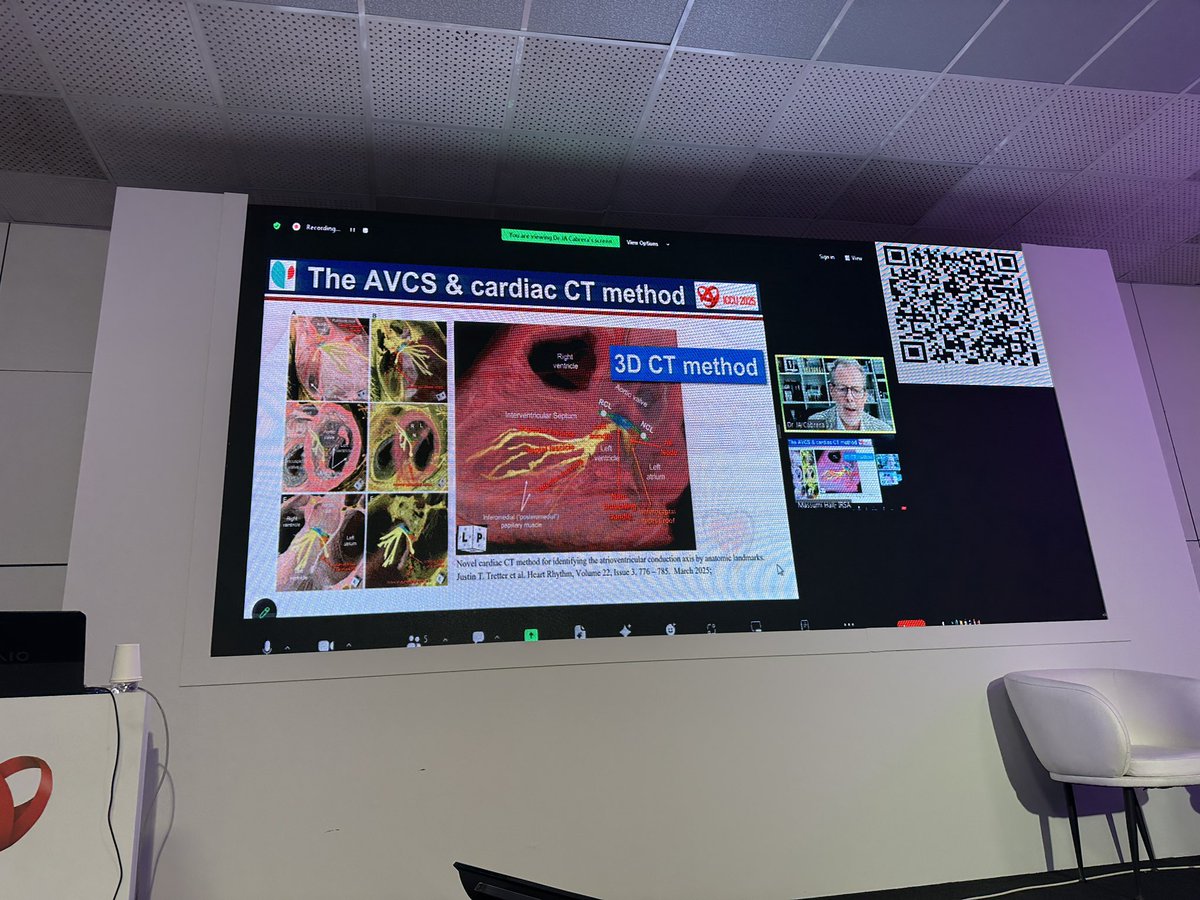
What a privilege to take part in an outstanding cardiac anatomy session at #ICCU2025!
Deeply grateful for the brilliant contributions of true masters in the field @jacabreracardio, @shivkumarmd, and @MRazminia.
#Epeeps
Utilization of #AI based tools for delineating cardiac structures with ICE during #AblateVT cases as part of #FIH trials with new @AbbottCardio exceeded expectations - rapid definition of valves, paps in LV:
First-in-Human cases with ViewFlex™ SE + EnSite™ X v5 at #ArrhythmiaResearchGroup Group and St. Bernards Healthcare as part of ViewFlex SE Trial.
Pushing the boundaries of EP workflows with the first clinical use of the @AbbottCardio ViewFlex™ SE ICE catheter, now paired with AI-assisted map creation, Grid Mapping, and real-time Contact Assessment using Farapulse and PulseSelect PFA systems.
Some of the features that caught my eye:
Physician-ready geometry with EnSite Echo
Simplified ICE navigation to stay focused on therapy
Single-handed deflection via auto-locking mechanism
Color-coded deflection indicators for intuitive control
Softer, more stable catheter with enhanced torque response
Sterile tip-to-connector (no sterile bagging)
Single catheter cable = less clutter, more efficiency
Contact is critical in PFA — and the new Contact Index on EnSite X v5 lets you validate contact instantly and tag lesions appropriately.
Powered by AI. Backed by precision. Designed for EPs.
A simplified, smarter, and safer workflow is best workflow ever.
#FirstInHuman #ViewFlexSE #AIinHealthcare #ICEIntegration #CatheterInnovation #PFA #MedTechInnovation #epeeps @AbbottNews
💫 @DrRoderickTung demonstrates high-density grid mapping in a complex VT case during HD Grid Mapping in Complex VT: New Tools for Improving Mapping Reliability and Accuracy.
As the catheter moves through the ventricle, smooth colour transitions indicate uniform conduction. In the substrate zone, propagation mapping reveals two convergence points with slowed activation.
While no clear line of block is identified, deceleration in these regions suggests abnormal conduction.
This example highlights how propagation mapping and colour analysis can uncover subtle arrhythmogenic zones in VT.
#EPeeps
Save the Date 🗓️
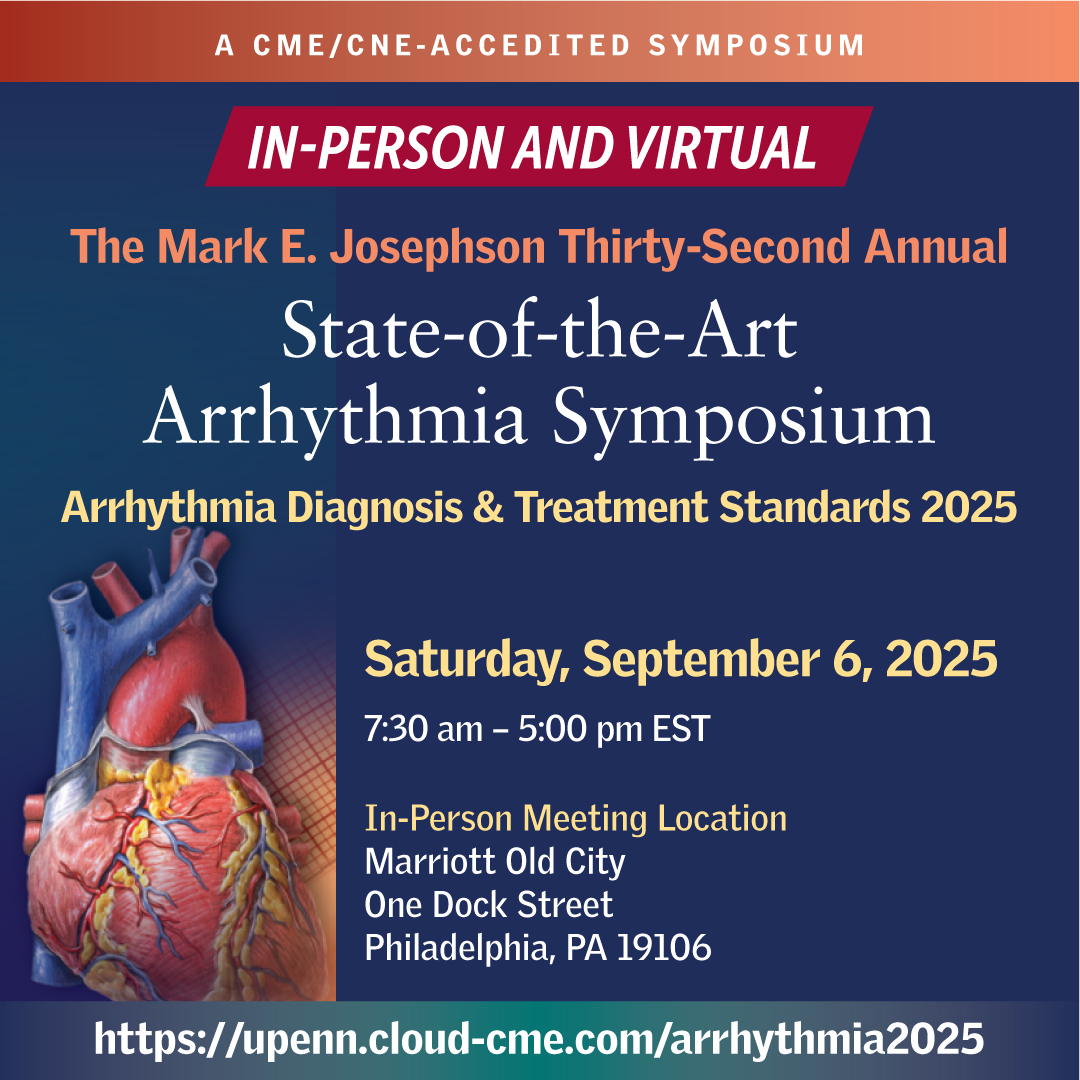
The 32nd Annual State of the Art #Arrhythmia Symposium is happening in person & virtually on 9/6 in Philly. Join leaders in #electrophysiology & #cardiology for cutting-edge insights.
Register👉 https://t.co/k9JmExLBGm
#EPeeps#CME
That feeling of a one-burn ❤️🔥 termination during bigeminal LV summit PVC ablation! Although this time it took 11 long seconds for the PVC to suppress with RF just below the LCC. Does that mean the focus was just deep or were we not exactly on the right spot? #EPeeps#GridX
Atrial flutter in the RSPV. 🫀Great maps from @Hapa_EP showing how mapping insights from our #EnSiteX EP System can help inform your #PFA strategy. #MappingMatters
How would you approach, #EPeeps?
Safety Info: https://t.co/e45puIwrlP
Love hearing #EPeeps share their experience with our ATLAS program! This meeting is a great way to refine your mapping skills and gain practical, hands-on experience.
Sign up for our October session: https://t.co/zpBLBZEl96
Safety Info: https://t.co/k5yp1k1ivj
#AbbottProud
First time mapping a Farapulse PFA case with Abbott's new 3.1.1 Contact Index software. Petals 🌺 light up in blue 🩵 when making good contact with tissue and turn gray when floaty. Good adjunct to ICE! Worked well with a local impedance threshold 10-12% above baseline. #EPeeps
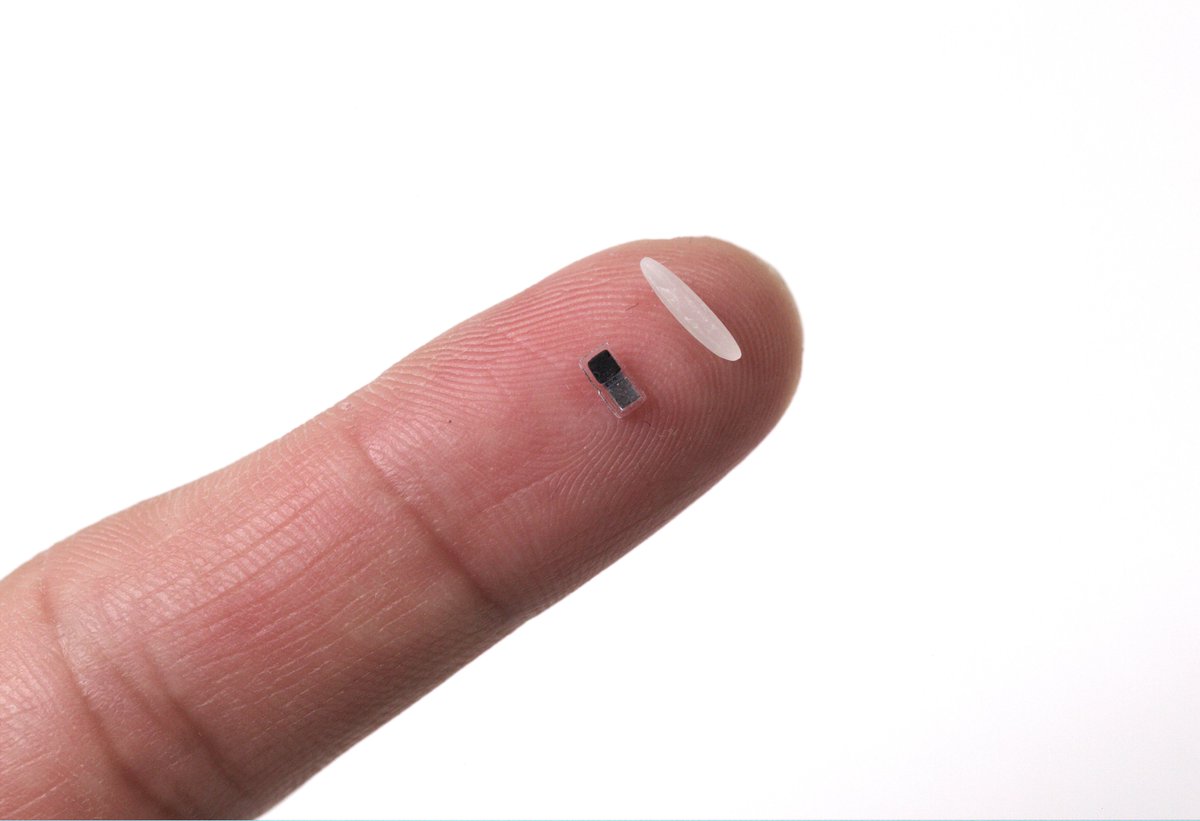
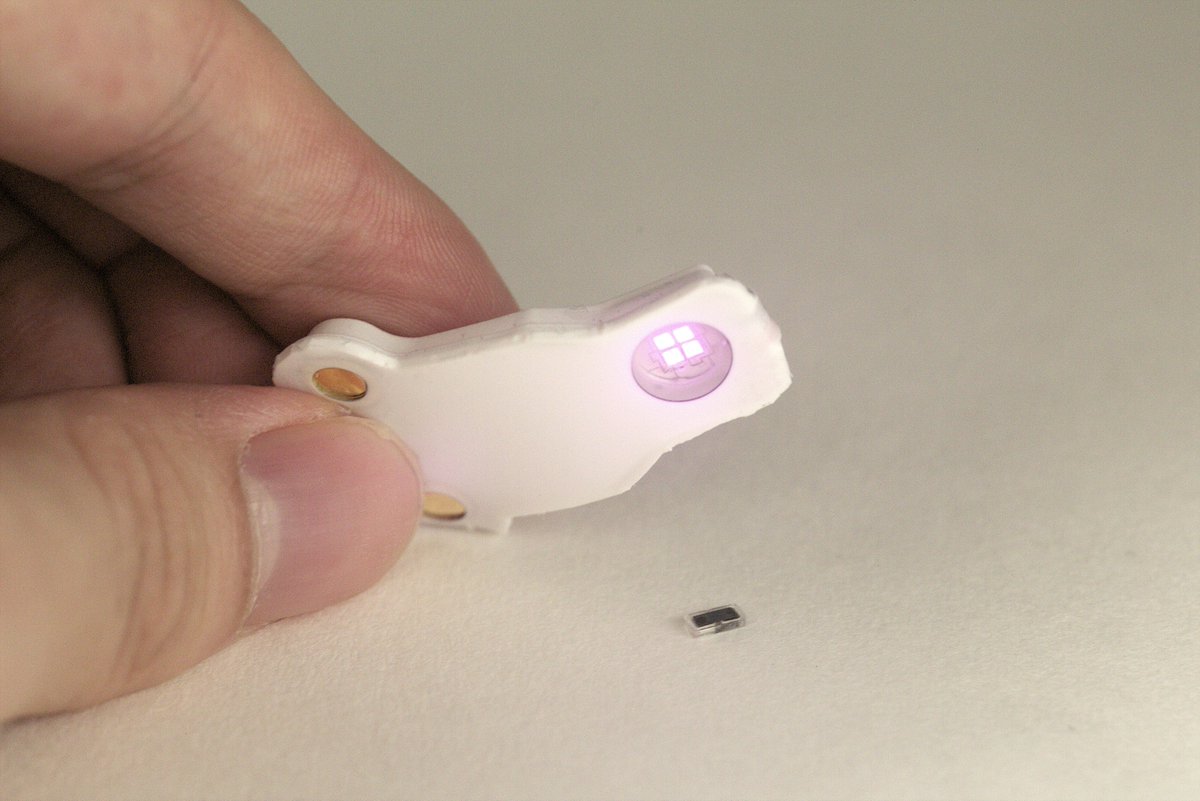
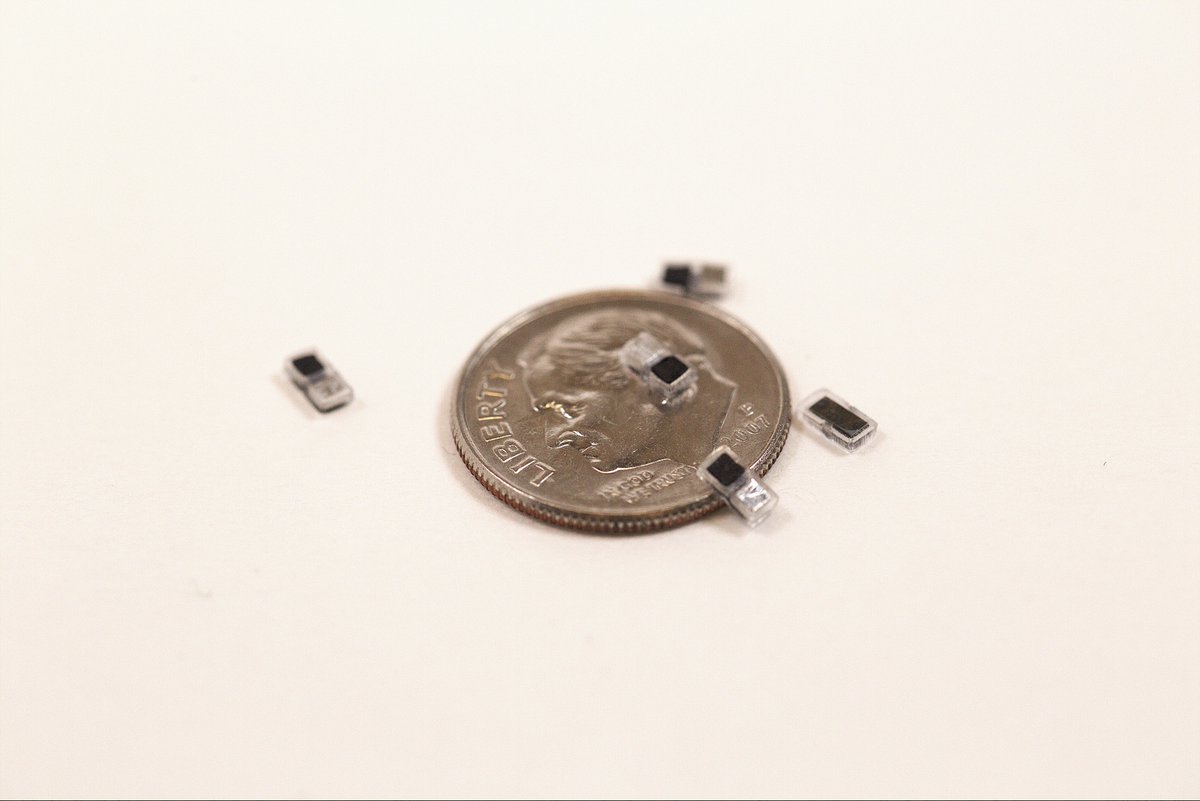
Check out some brand new biomedical tech – crazy cool, in my own, humble but admittedly biased opinion – introduced in our paper (link below), published today in @Nature, titled “Millimetre-scale, bioresorbable optoelectronic systems for electrotherapy,” where we describe the world’s smallest cardiac pacemaker – fully integrated, self-powered, light-controlled and completely bioresorbable, with an overall size that is somewhere between that of a grain of rice and a sesame seed! The clinical use case is for patients – particularly pediatric patients – who require temporary pacing during the recovery period following a cardiac surgery. Our tiny technology can be delivered through a syringe, with minimal burden and without the need for a secondary extraction surgery. A small, soft skin-interfaced electronic patch on the chest monitors the cardiac rhythm and activates switching elements in these pacemakers when necessary, in an autonomous, closed-loop manner, using LEDs that operate at tissue-penetrating wavelengths in the infrared region. Single or multisite pacing is possible, the latter controlled using multiple LEDs with different wavelengths. More generally, these miniature pacemakers are electrical stimulators that can be sprinkled around for operation at nearly any body location – spinal cord, brain, peripheral nerves and others. They can also be mounted on conventional, non-electronic implants, as we demonstrate with frameworks used in transcatheter aortic valve replacement (TAVR) procedures, again in the context of postsurgical recovery. The work – from materials and device development, to comprehensive electrical and optical modeling, to animal model testing, to TAVR deployments, to evaluations with human hearts from organ donors -- involved broad-ranging collaborations at the interface between engineering science and medical practice. Big congratulations to @Yamin__Zhang (former postdoc, now a Presidential Young Professor at the National University of Singapore), Eric Rytkin (MD, PhD cardiac surgeon in the Efimov group), @LiangsongZeng (PhD student), Jong Uk Kim (postdoc), @Ja_T_23 (joint PhD student with the Efimov group), @healsea1994 (postdoc in the Huang group) on their leadership across the entire multidisciplinary scope of this difficult project. We’re also grateful to an elite collection of senior collaborators -- @IEfimov (@NorthwesternU), Yonggang Huang (@NorthwesternU), Wei Ouyang (former postdoc, now on the faculty at @dartmouth ) and Rishi Arora (@NorthwesternU, now at @UChicago ). We acknowledge the @FondationLeducq, the @NU_QSIB and @NIH for providing financial support for this work. Thanks to @amanda_mo and @schamisso for the release materials. Link below.
https://t.co/4ylhXDVy5I
https://t.co/qRqexZhjw8
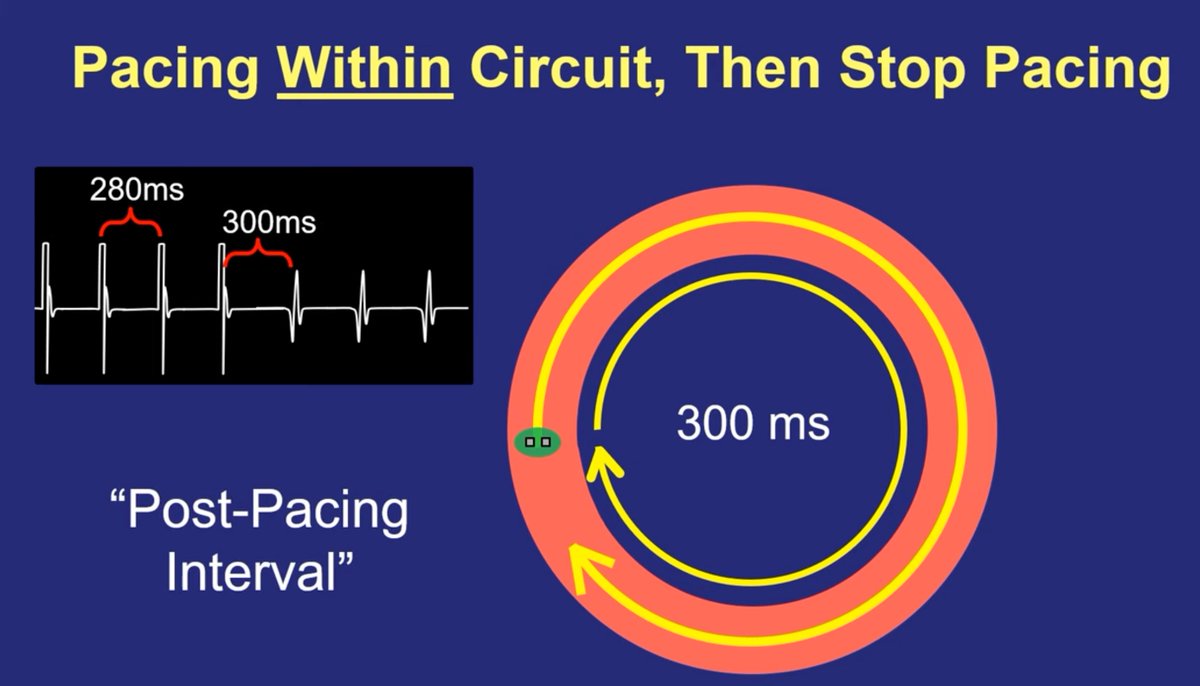
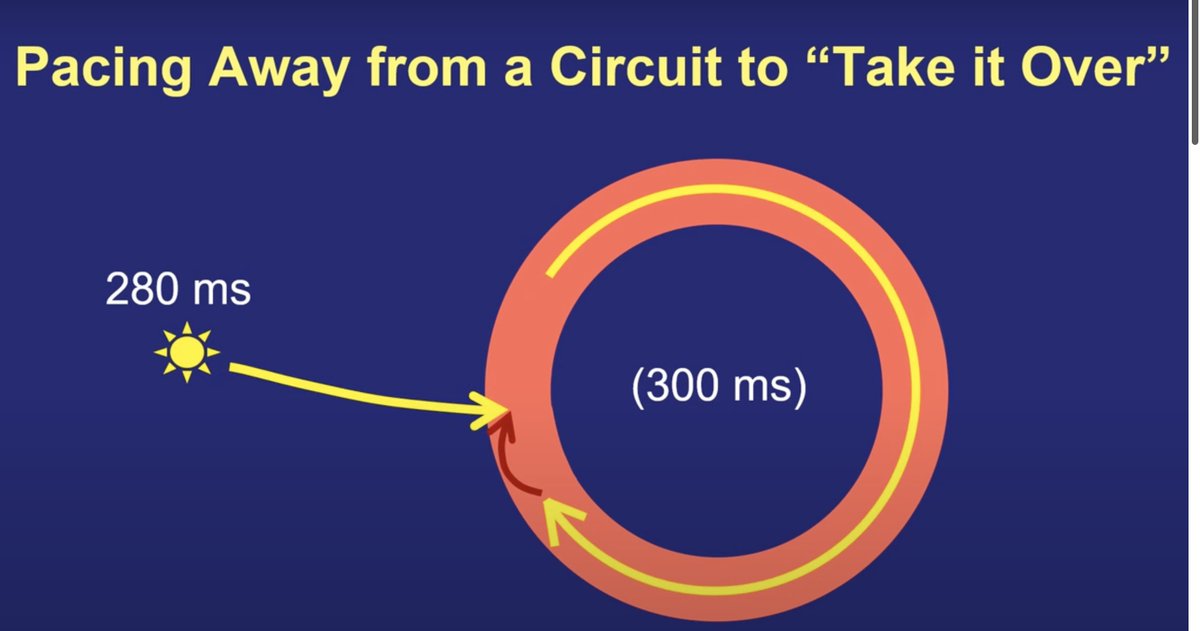
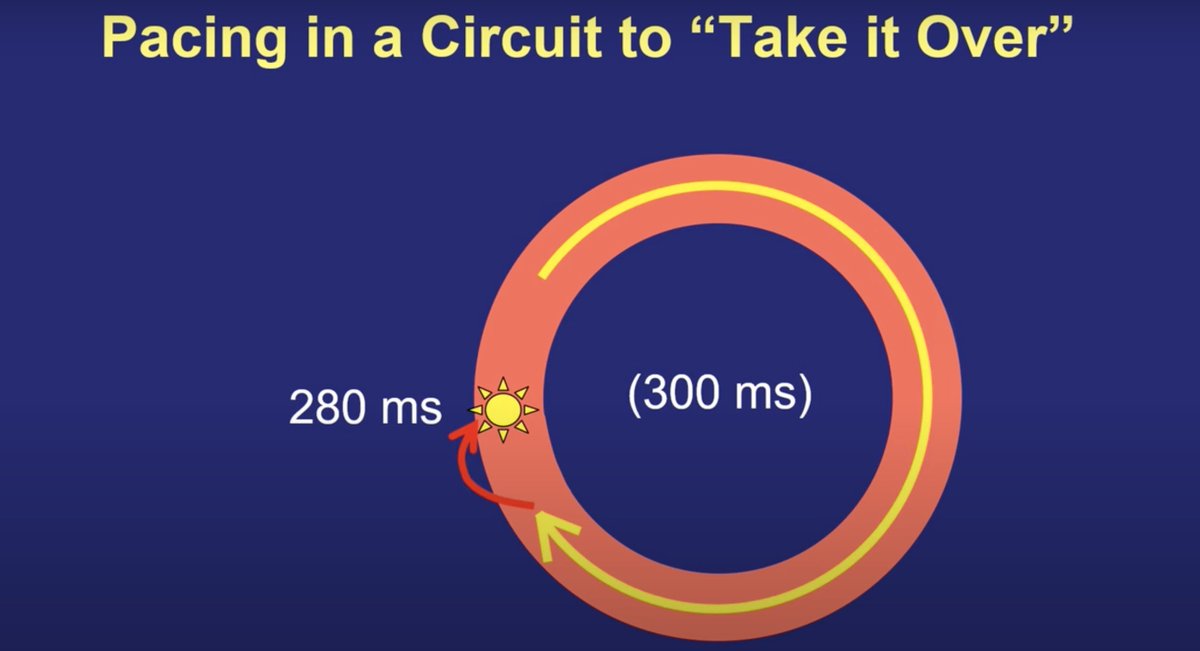
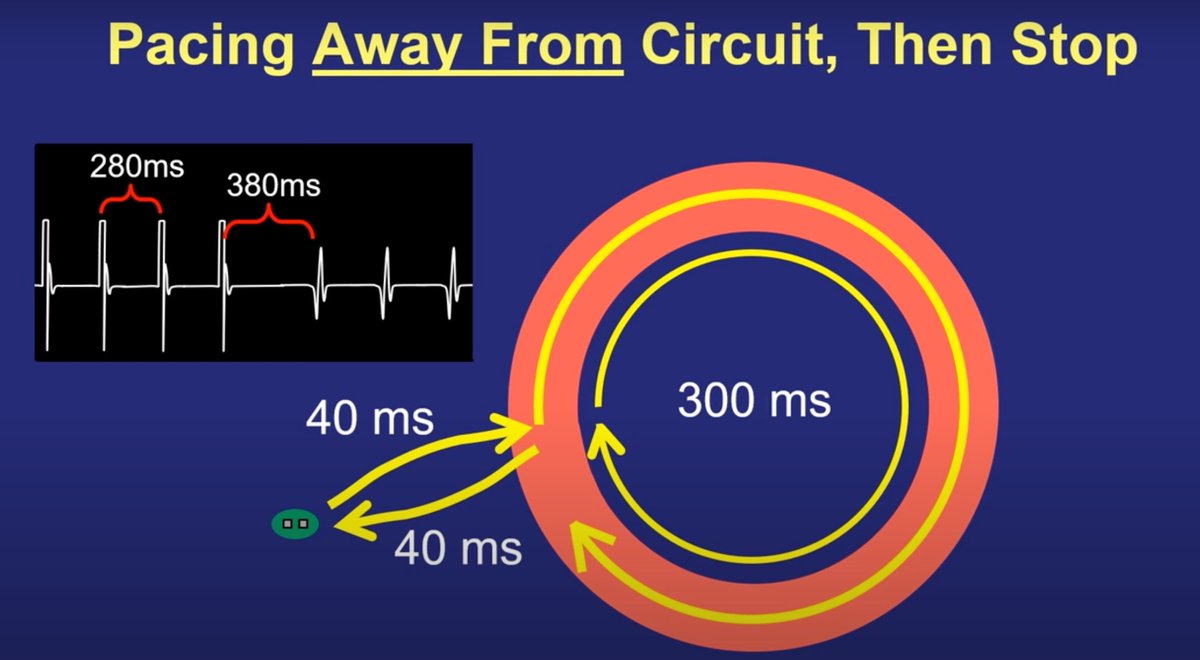
The concept of "Take it Over" in the reentry circuit or out of the reentry circuit and "Post-pacing Interval" using Entriantment Pacing by Dr. Cooper
https://t.co/r87ZrL7Vjn
Dramatic RV paced ILAM. Multiple breakouts through diseased septum followed by activation of a narrow corridor within 2-3mm of WT on @inheartmedical imaging. Case by @dhakalbish of @MUSC_EP. More info in comments.
The anticipation is building for #HRS2025!
I’m excited for the global EP community to experience our powerful program and get up close with our industry-leading technology.
See our lineup: https://t.co/ojcds7dulT
#AbbottProud
What an amazing opportunity to be there for the first #Abbott#Aveir leadless pacemaker implantations today @ChildrensNatl - a great option for pediatric and complex congenital patients because there are no leads! #EPeeps#NoLeadLimits
Contact feedback is no April fool’s joke!
Visualize spline-by-spline contact confirmation with Contact Index software on #EnSiteX. Gray splines denote lack of contact while blue shows contact with the tissue.
Watch as fine-tuning with #Agilis13F allows for full spline participation prior to delivery.
@AbbottCardio #ContactMatters
Outstanding #VoltPFA case experience shared by @ChristineLemes at #EHRA2025. Great overview of the importance of handling, contact visualization, and control from their procedures out of Linz. #AbbottProud