Sat yesterday. Bedside. With a wife. Married 56 years to a tough as nails old guy. A fighter. But clearly losing his last match. Bad heart. Bad infection. Kidneys failed. Breathing for him.
She understood he fought and was losing anyway. She sobbed as she went through her ambivalence with me. She didn’t want to let go. She didn’t want him to suffer. He’d be so mad if he knew all of the agressive things we were doing to him. Make him comfortable. Let him go HOME.
She had no one to sit the watch with her. So I did. Held her while she sobbed and watch the light in her person go back to the source.
It didn’t take long. Delayed me by a bit of time but I think it was the MOST important thing I did all day.
I’ve long since learned very directly my limitations on life and death in my job. I know I won’t win every case, even if I always want to.
And when the case is lost … The only thing left for the heart of the healer is to sit with the pain of those that love and remain and carry on. There is value there. It’s a simple thing, really.
When hope is gone, all that is left is love.
A Novel Method for Assessing Left Bundle Branch Capture Using the Bidirectional Conduction Time Difference Between Left Bundle Branch Area Pacing and Coronary Sinus Leads
https://t.co/fuOStiix8w
Surgical VT mapping and ablation - watch the termination during freezing (as probe reaches -70°C). Pt is s/p 2 prior heart surgeries and endo abl. Thoracotomy approach. Amazing @ClevelandClinic CT surgeons and EP team @EdSolteszMD@KojiHiguchiCCF@LarsSvenssonMD@omwazni
@SergioPinski Is the third beat a fusion beat? Not quite sure what else could give such a narrow QRS. Phenomenons I see: blocked PAC, PAC with RBBB aberrancy, PAC with sinus pause. Dual nodal physiology. Thank you for sharing such a cool EKG!
Radiology used to have something that was almost invisible because it was so routine:
The reading room consult.
Rounding teams came down.
Surgeons pulled up their cases.
Internists brought the scan that didn't quite fit the clinical picture.
Sometimes the radiologist solved the problem.
Sometimes the clinician supplied one piece of history that completely changed how the images were interpreted.
And usually everyone simply walked away a little sharper.
But something else was happening during all of those conversations.
We were learning each other.
As a radiologist, I learned what individual physicians cared about.
I knew which findings mattered to a particular surgeon.
Which measurements an oncologist was following.
Which details a specialist wanted emphasized.
What questions they were really asking, even when the order just said "pain."
And they learned me.
They knew who was reading their study.
They knew they could walk in, point at something, challenge an interpretation, or ask, "What do you think?"
That relationship created context.
It created feedback.
It created trust.
And over years, it created a kind of institutional knowledge that never appears in the medical record.
When radiology becomes a report produced by someone hundreds or thousands of miles away, we don't just lose proximity.
We risk losing that entire feedback loop.
The report may still be technically excellent.
But the radiologist knows less about the physician.
The physician knows less about the radiologist.
The radiologist sees less of what happened after the report.
And both sides lose opportunities to make each other better.
The reading room was never just a room.
It was where imaging became part of the clinical conversation.
We should think very carefully before designing that conversation out of medicine.
Inspired by a conversation yesterday with @PaleoOnc . Also @909One and @brianchiong .
Patient with new CHF, EF 10%, LBBB.
Coronaries normal.
After shooting LAO cranial of left coronary, I stepped back on cine to capture this levophase of the coronary veins.
#EPeeps, do you find these helpful for CRT planning?
@drjohnm@DrRoderickTung
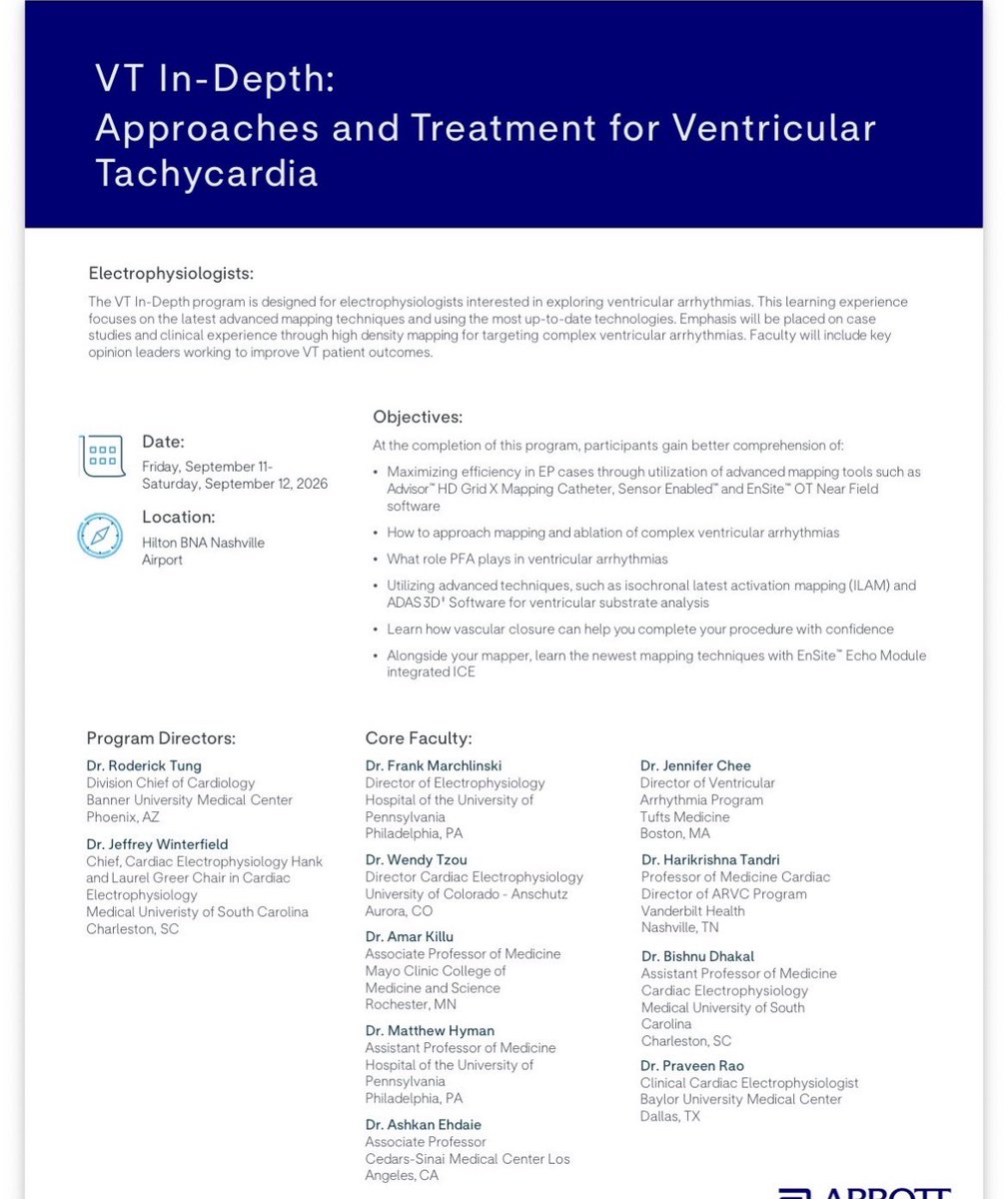
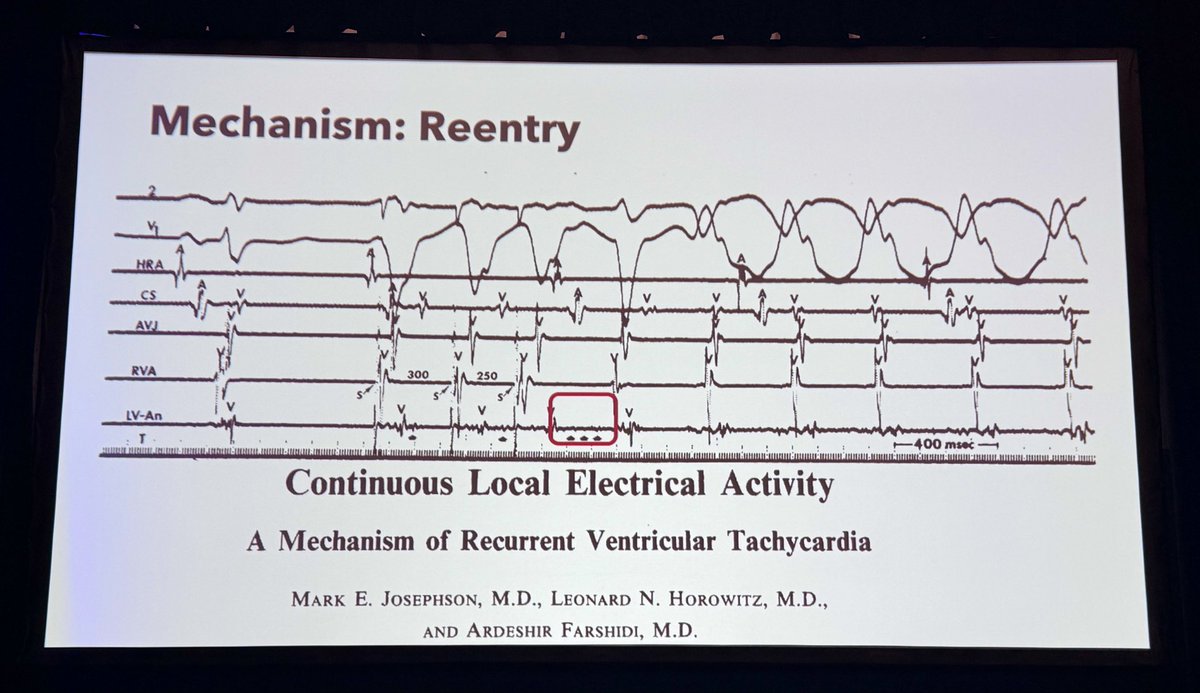
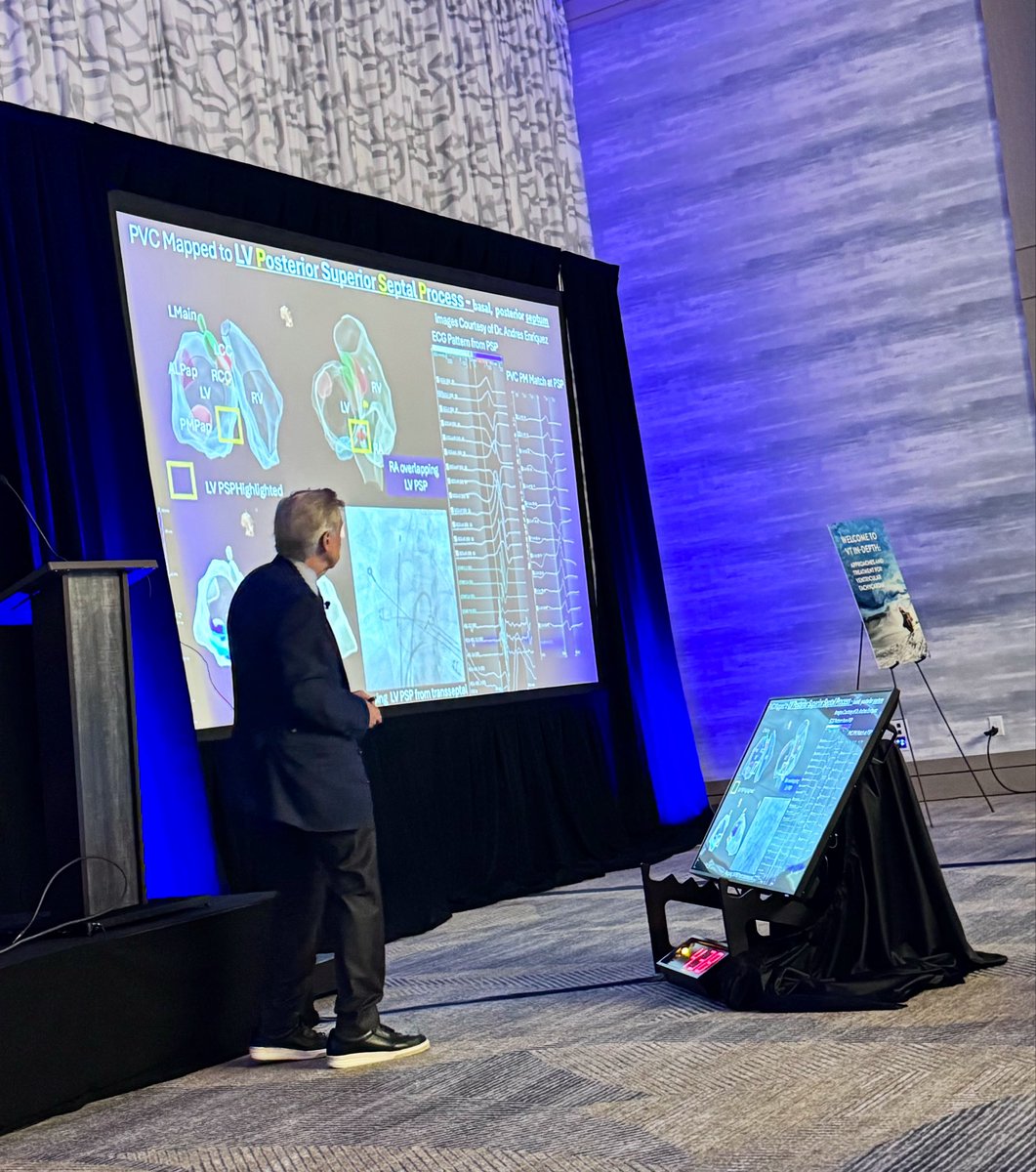
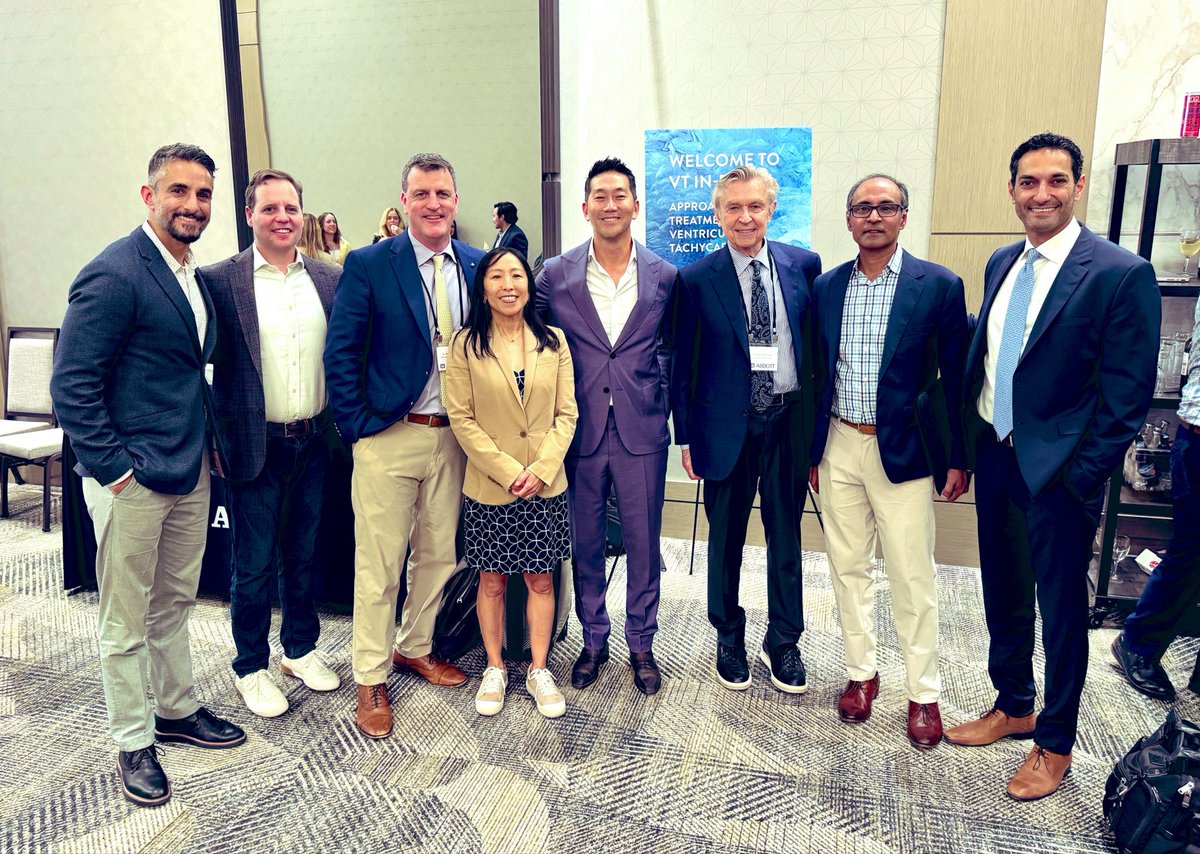
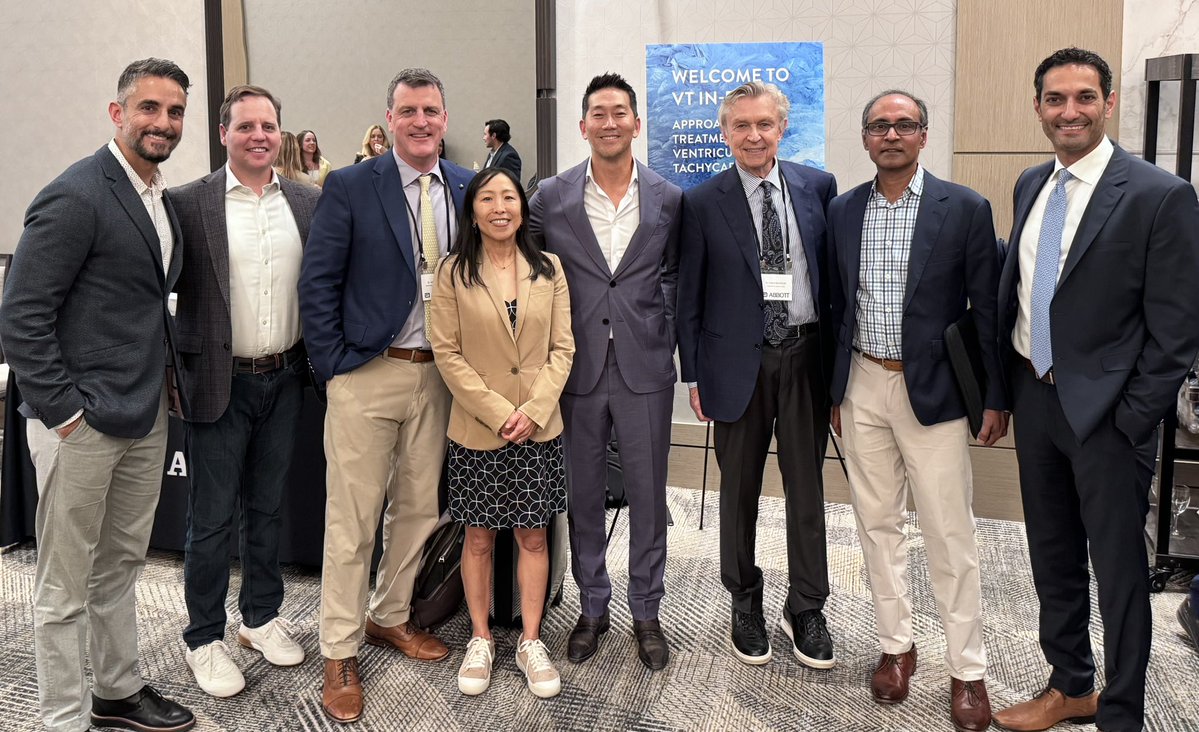
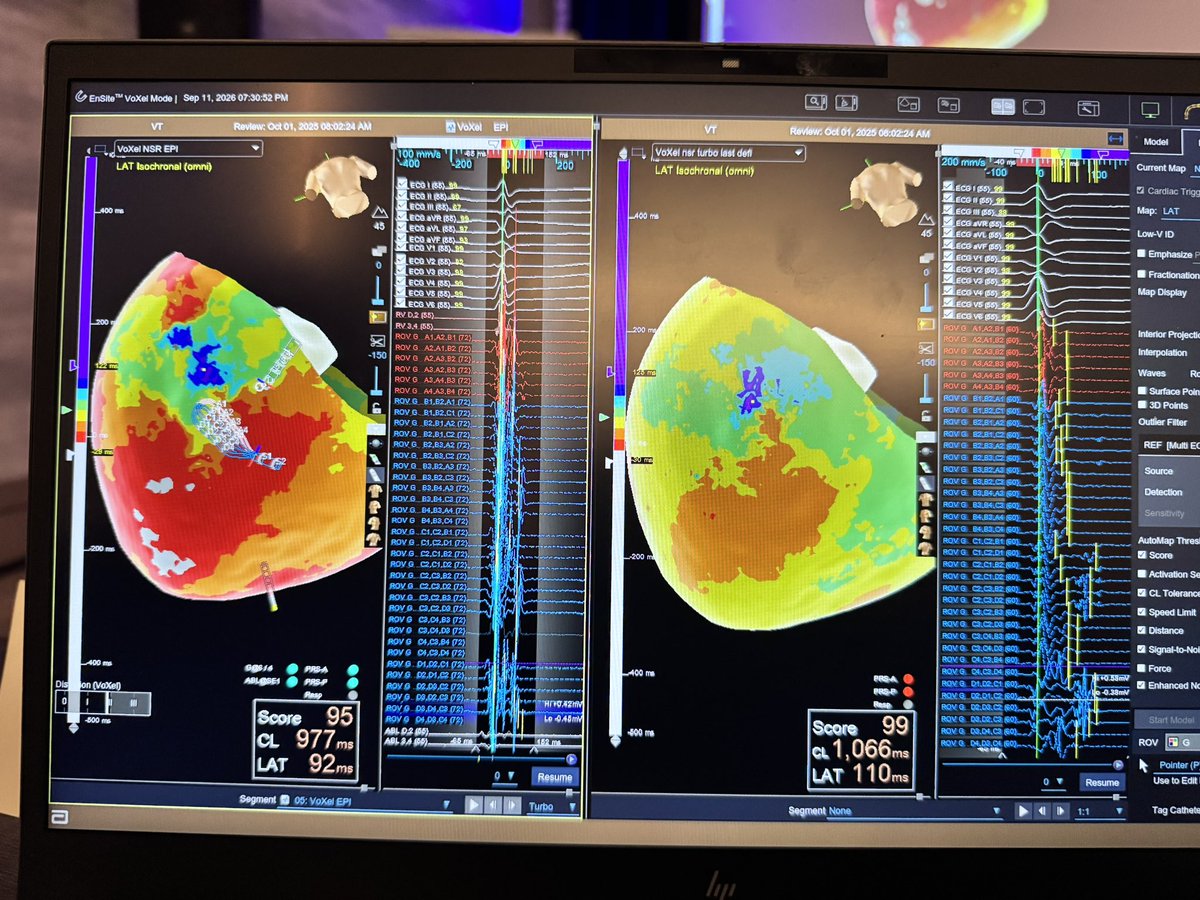
Two days of intensive review about all things VT-In Depth @AbbottCardio. Thank you to the faculty and all attendings from 7 different countries for a great time. #ablateVT#VTRoadto90
“If i have seen further it is by standing on the shoulders of giants”
-Newton
#VTinDepth conference with some of the giants in the field of #AblateVT talking anatomy, mechanisms, and mapping. 💪💪🔥🔥
CSP is powerful - but you still can't pace what you can't reach.
New open-access review: CS & cardiac venous anatomy for #CRT, a clinician's view.
🔗 https://t.co/dhYtks8bCO #EPeeps
The Right Approach- For Whom?
Check out my latest on NEJM Voices: A cardiologist learns that end-of-life care is an iterative process.
And please sign up for FREE email alerts (link below) so you're always aware when a new piece drops!
https://t.co/Cjccj9wd5y
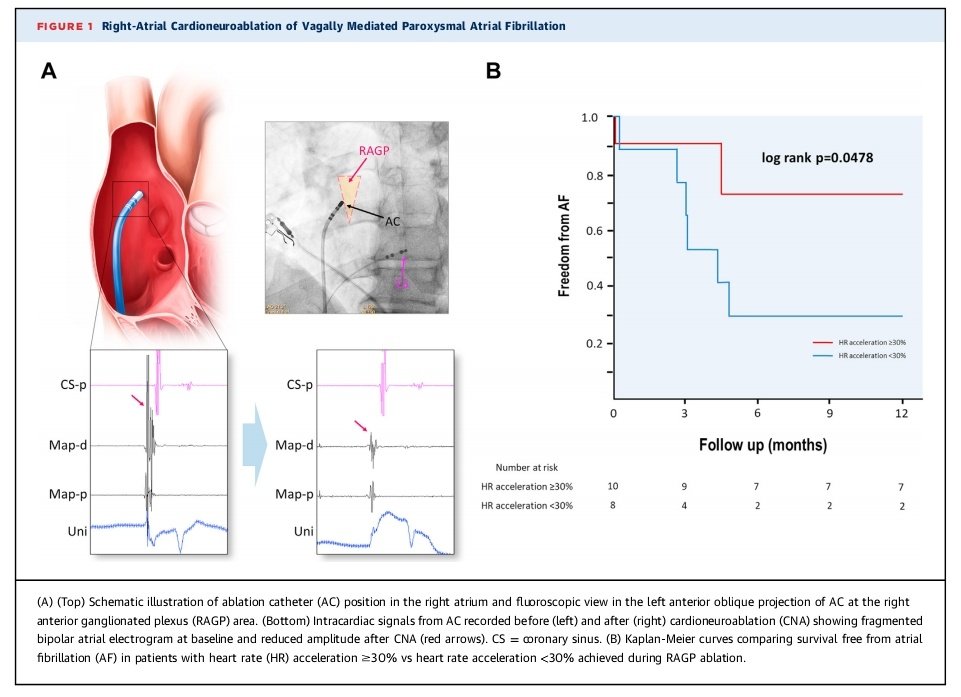
Some patients with vagally mediated AF can benefit most from cardioneuroablative effect and may not need full PVI
Some of them may not even require any ablation in the left atrium
Check out our @JACCJournals paper using shareable link (before it expires) https://t.co/YCLRdvs9HR