Since the 1960s, the genetic code has been used to predict protein sequences from DNA and mRNA sequences. Our @Nature article demonstrates that these predictions miss thousands of protein sequences present in human tissues.
Across >1,000 human samples, we identified numerous abundant proteins whose amino acid sequences differ from those predicted by the genetic code.
These proteins are not rare translation byproducts. They accumulate to thousands of copies per cell. Some are more abundant than the proteins predicted by the genetic code from the same transcripts.
Their abundance reflects a combination of alternate RNA decoding mechanisms — including codon-anticodon mismatches, tRNA abundance, and RNA modifications — and selective stabilization of the resulting proteins. The last factor – protein stability – emerges as a major determinant of protein abundance across proteins, proteoforms and cell types: https://t.co/IzOfAZKnxT
Alternate RNA decoding is pervasive across functional groups of proteins, healthy and diseased tissues. It affects proteins playing key roles in neurodegeneration, and some alternately decoded proteins show strong enrichment in tumors compared to their surrounding tissues.
This discovery has been a long and exhilarating journey with Shira Tsour and the @slavovLab team. It started in 2019 and proceeded through many challenges and thrilling highs. A journey that has opened new perspectives that we long to explore!
1/
Gloves are off!
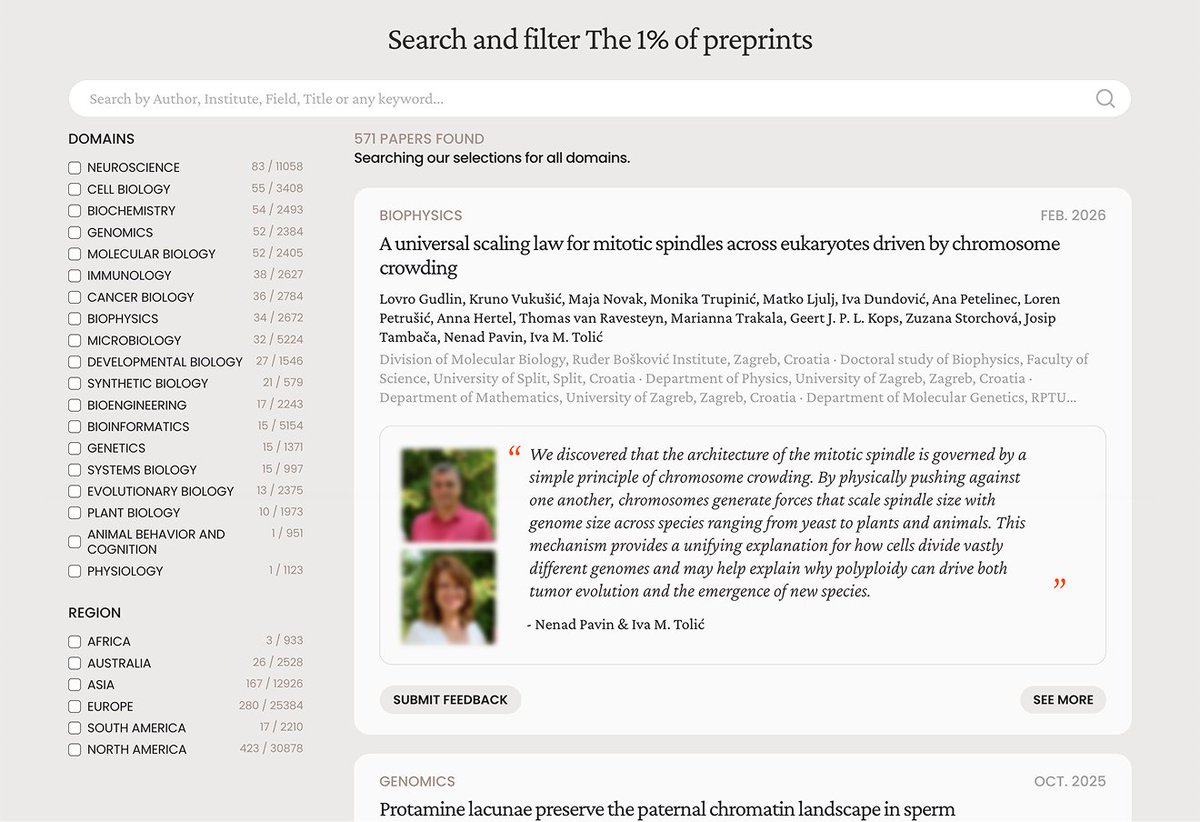
TODAY WE RELEASE THE 1%
A list of the year’s very best papers.
When we launched QED a little over half a year ago, I told you that our mission is to revolutionize scientific publishing. Revolutions don’t happen overnight… or maybe they do? When new technologies enable it? Time to put the power back in the scientists’ hands, not the journals’. Many scientists are depressed, and think journals will stay the same forever, no matter how dysfunctional, but no, it’s happening. Sooner than most people (or committees, or universities) can imagine. Check this out:
When we released our AI review platform, it started a whole debate (and social media storm) on what it is that human reviewers can do that AI review still can’t. There are such things (and I’m happy about it), but the list is getting shorter and shorter. Numerous scientists already use QED to find gaps in their manuscripts and grants and to get constructive feedback that improves their experiments. And now, with your help, we take it to the next level.
Today we release reviews and scores for all the experimental Life Science pre-prints that came out last year: 57,455 manuscripts!! If we are being conservative, and estimate that it takes a minimum of 8 hours to review a paper (it takes longer), and if we agree that 3 reviewers are typically required to review every submission, then reviewing this amount of manuscripts would take human experts >1 MILLION REVIEWER HOURS… Assuming you can find so many experts (not going to happen!), and assuming the experts who agree would have no conflict of interest (ha!!).
QED did it. Then, we chose the best papers in every field (you can browse and search for key words), based on the originality and validity of the claims being made. We benchmarked our reviews not only using eventual journal selections but also by comparing our evaluations to those of human experts. When there were disagreements between the QED score and journal rank, we asked domain experts to judge who’s right (blindly), and they overwhelmingly sided with QED. No need to rely on glam journals anymore. No need to wait for two years to get their stamp of approval. No need to beg the reviewers, or worse, to write less ambitious papers, so no one would be upset. Want to find the most interesting papers in your field? Want to see where your paper stands? (“What’s your QED SCORE?”) Just visit https://t.co/hLxNq9nDMc!
One last thing: We want good science to be seen (you can read the winners’ comments about their selection and the stories behind their discoveries on our website). We plan to organize a conference where the first authors (yes, the first authors, not the PIs) will present their work. We are not here to shame anyone (papers that got low scores). The reviews of the best papers that we selected explain why QED’s AI thought these papers are especially good - what’s unique about them, what their strengths are, which conceptual leaps were made, and what cutting-edge tools were developed. However, on the QED Science site you can analyze any paper in private, it’s fully transparent, and see if there are any gaps and what’s missing. Run your paper to see how it can improve, and maybe next time your paper will reach the top (if it’s not there already).
Whether you’re on the 1% list of just have a good score that you want to share, on our website you can download the report and share it, for example with your tenure, promotion, or hiring committee, or with your university PR department. Forget about journal embargoes and waiting for it to be “accepted”. Improve your work until it’s good enough for YOU. You decide.
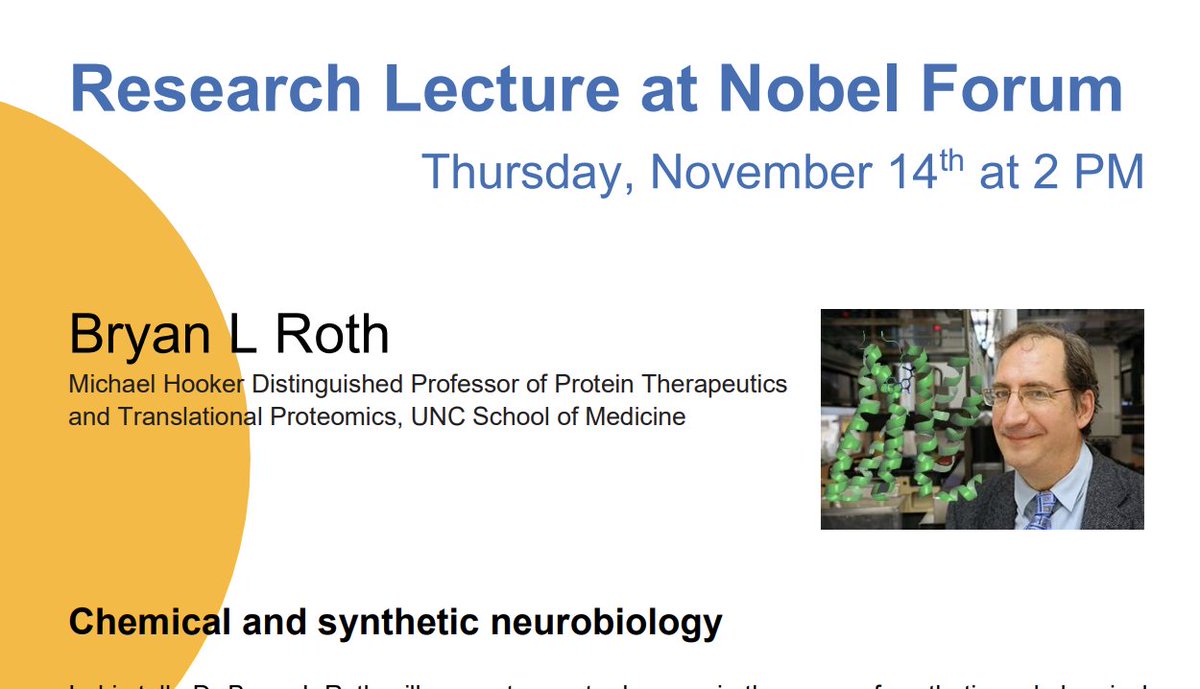
It is an honor and a pleasure to announce the Ulf von Euler lecturer 2025. So excited to host Madan M Babu at Karolinska for his lectureship award on Fri 7th of Nov 2025 in the Biomedicum lecture hall (G&E Klein Auditorium). https://t.co/B6l3MVLsWa
What is the best way to find drugs among sextillions of compounds? In our just-published Nature Communications paper, we show that fragment-based virtual screening is an efficient approach to design enzyme inhibitors. Check it out! https://t.co/FQv4vBtCs6
Excited to share our new study! We identify Anxa1 neurons as particularly vulnerable in Parkinson’s disease. We also show their crucial role in prodromal-phase bradykinesia and procedural motor learning.
Congrats to the team: especially @gori7873 and Brian Krumm from @RothLabUNC and Adrien and Matan from Greg Scherrer's lab!!
A ton of work!
Structure-guided design of a peripherally restricted chemogenetic system: Cell https://t.co/B4YiT1BncS
Looking for a postdoc (pharmacology) to join one of our exciting projects focused on G protein-coupled receptors. Experience in signalling assays is required. You will be working in an interdisciplinary team to understand the activation mechanism and design ligands. Contact me!
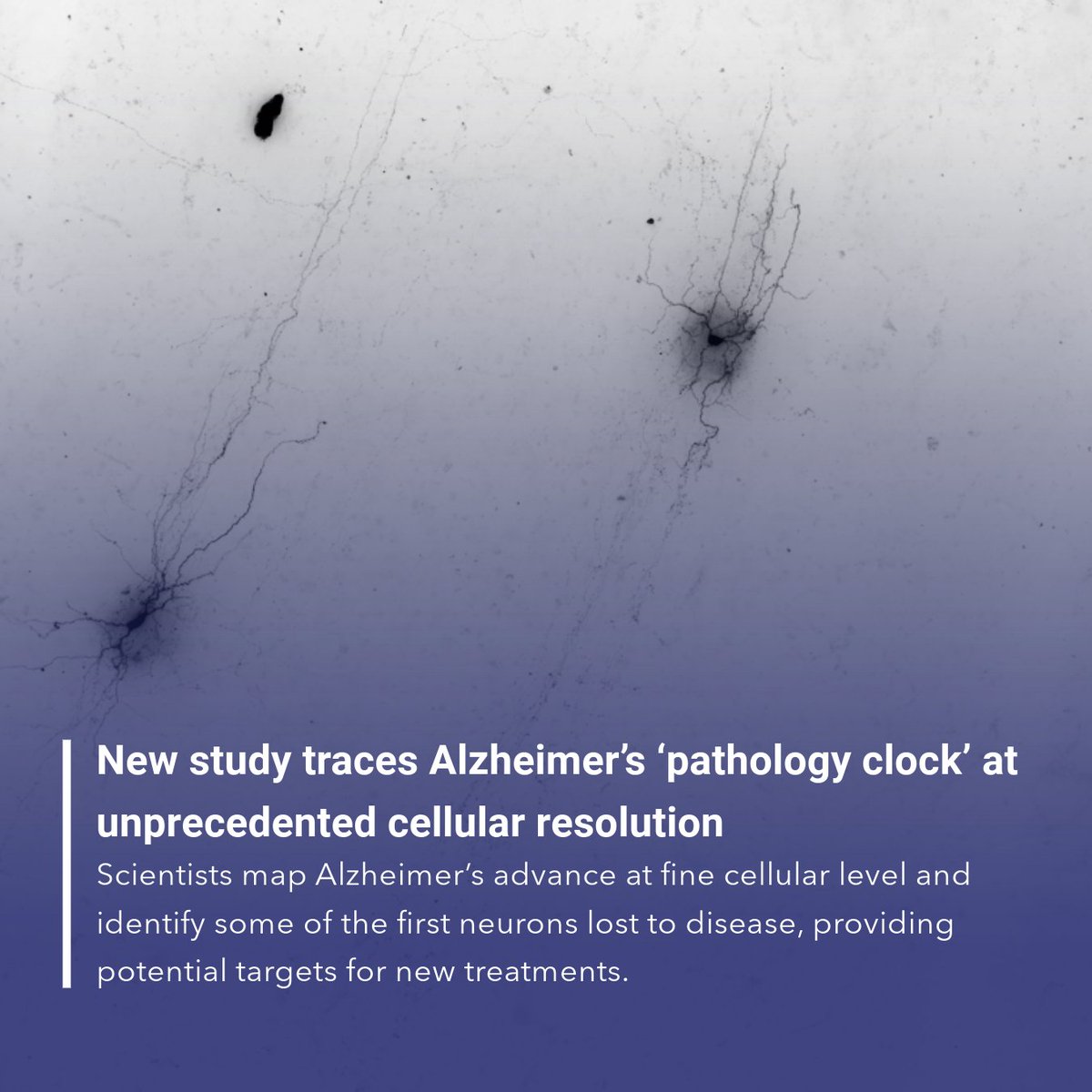
New insights into Alzheimer’s Disease 🧠🔍
In a study with @UWMedicine and @KPWaResearch, researchers have identified some of the first neurons lost in the progression of Alzheimer’s Disease and potential future pathways to #EndAlz. 🧵
#studyBRAIN
Have you ever wanted to design protein binders with ease? Today we present 𝑩𝒊𝒏𝒅𝑪𝒓𝒂𝒇𝒕, a user-friendly and open-source pipeline that allows to anyone to create protein binders de novo with high experimental success rates. @befcorreia@sokrypton
https://t.co/IPhMFpRgHh
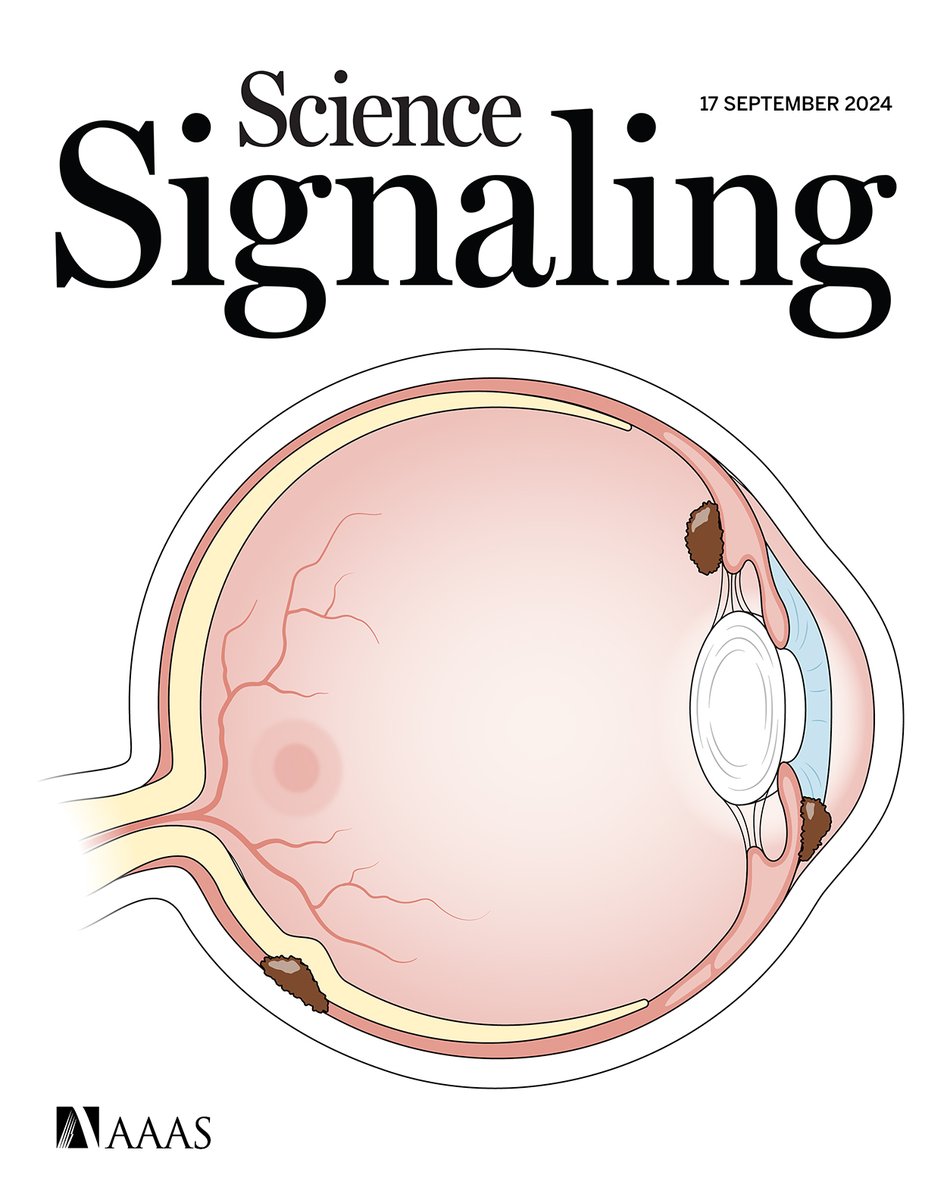
Researchers reveal how a cancer stem cell marker promotes the invasiveness and metastasis of gastric cancer, a new Review explores the role of aberrant GPCR signaling pathways in rare forms of melanoma, and more this week in #ScienceSignaling. https://t.co/U5ECHkbxFy
A new study in @ScienceAdvances, conducted on mice, show that #AI with high precision can contribute to more effective future treatments for conditions such as #psychosis.
https://t.co/dcIlFq09sy
Can AlphaFold be useful in drug discovery? Hell yes! In our paper, structure-based virtual screens using AlphaFold models identify potent GPCR ligands with antipsychotic effects in vivo (https://t.co/DySAvaY0jJ). @KAWstiftelsen @UU_University @karolinskainst@scilifelab
Excited to share our latest paper, where we describe ITSN1 as a novel risk gene for Parkinson's disease!
We found that rare loss-of-function variants are associated with a 10-fold increased odds of PD. As far as we know, this is the largest effect size reported for sporadic PD to date
https://t.co/QDXWVEHlGg