@Justlarkz@Lorgarwasright2 In an issue or two ago of White Dwarf, in the Chronicles of Bain, a cadian survived a month stuck in a silo by eating a dead ork corpse.
Visual Studio pets 🐶
They react to builds.
Celebrate your successes.
And bring a little fun to those long coding sessions.
Mads shows off VS Pets in this clip from VSLive! Las Vegas.
Watch the full video: https://t.co/nhjvbzDrr9
Imagine creating a single game that allows you to retire at 28...
River Raid (1982) was special for more than one reason. Obviously the game is an all-time cult classic. It wasn't just "good for its time" - it was legitimately excellent in terms of design and pushed technical boundaries.
However, what stands out the most is who created it. Carol Shaw, a solo female creator delivering a million-selling classic in a male-dominated space.
To give you a better context: In 1982 the gaming industry extremely male dominated, only 3% of the developers were women - and only a fraction of that in leading roles.
Shaw started at Atari in 1978 (one of the first ever women in such a role) and moved to Activision. River Raid is her most famous work, and she's widely recognized as one of the earliest professional female video game designers/programmers.
River Raid became hugely successful - lucrative enough for her to retire early - and helped normalize women in game development. It was a quiet but significant milestone in an era when the field was just forming and considered to be "just for guys".
Today's gaming industry is still male dominated but the ratio is not 3% women to 97% men anymore, but around 25% women to 75% men. Carol Shaw didn't just push technical but also social boundaries, normalizing women in the gaming industry.
I saw this #skateboard setup for beginners in a Decathalon in #China. Is this an actual thing for learning #skateboarding? They advertised it as being lower to ground and more stable.
This is the console unit of the IBM 650 Magnetic Drum Data-Processing Machine (Often just called the IBM 650). Released in 1954, it was an early digital computer designed for both scientific and business use.
Because the computer's main memory was stored on a physical magnetic drum rotating at 12,500 RPM, programmers couldn't just write code linearly. They had to manually calculate where to place each instruction on the physical drum so that it would be spinning directly under the read head at the exact millisecond the processor needed it.
This was one of the true workhorses of 1950s computing! How loud do you think this was/is?
Fernando Losada Rodríguez, CC BY-SA 4.0 https://t.co/OoIjsQAHNN, via Wikimedia Commons
#RetroTech #VintageComputing #Mainframe
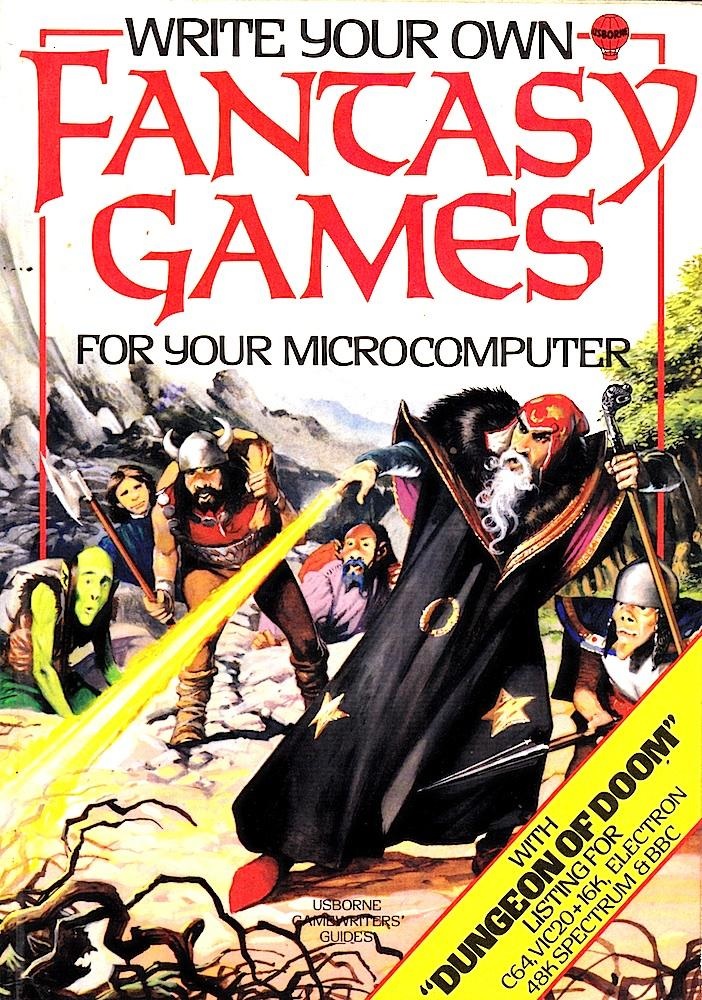
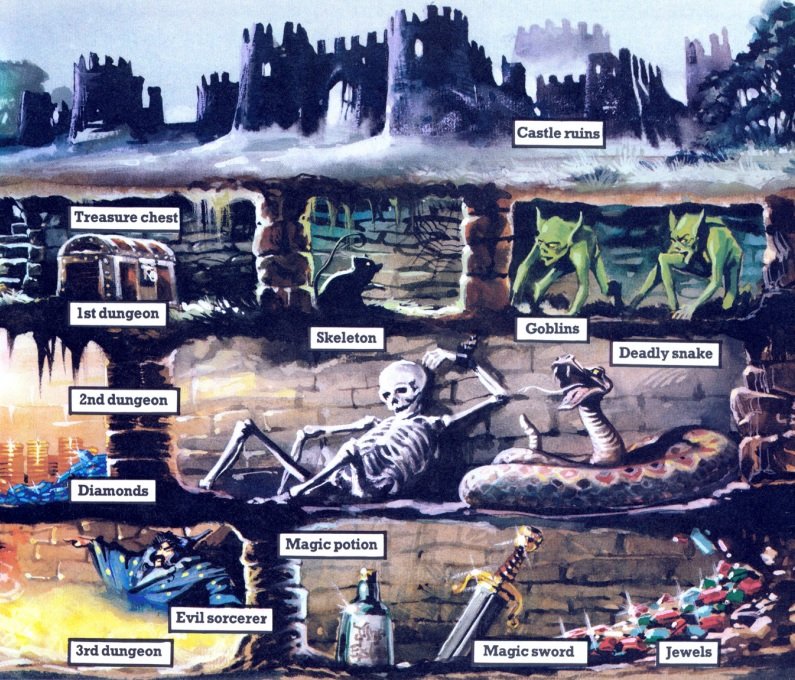
Throwback Thursday, 1984.
Lots of great art, basic code, and more building your own worlds from scratch.
And it’s free, straight from the Usborne:
https://t.co/J1lJfiHDcv