🦏🦎🦋Need guidance on how to proceed with a translocation without causing harm to ecosystems, resident #wildlife or people?
Our guidelines offer direction for the responsible translocation of displaced wildlife https://t.co/gOKM812rdZ
📖 Published📖
charisma: An R package to perform reproducible colour characterization of digital images for biological studies🖥️ 🦁 🌳
👇️
https://t.co/TylQdNrQJV
📣 Check out this new paper: a huge effort for the largest terrestrial animal! 🐘🌍🧬
Using 232 high-depth genomes, we can now explore the evolutionary history (and possible future) of elephants in unprecedented detail.
https://t.co/IfymtX7fVq
Led by @PatriciaChrzan
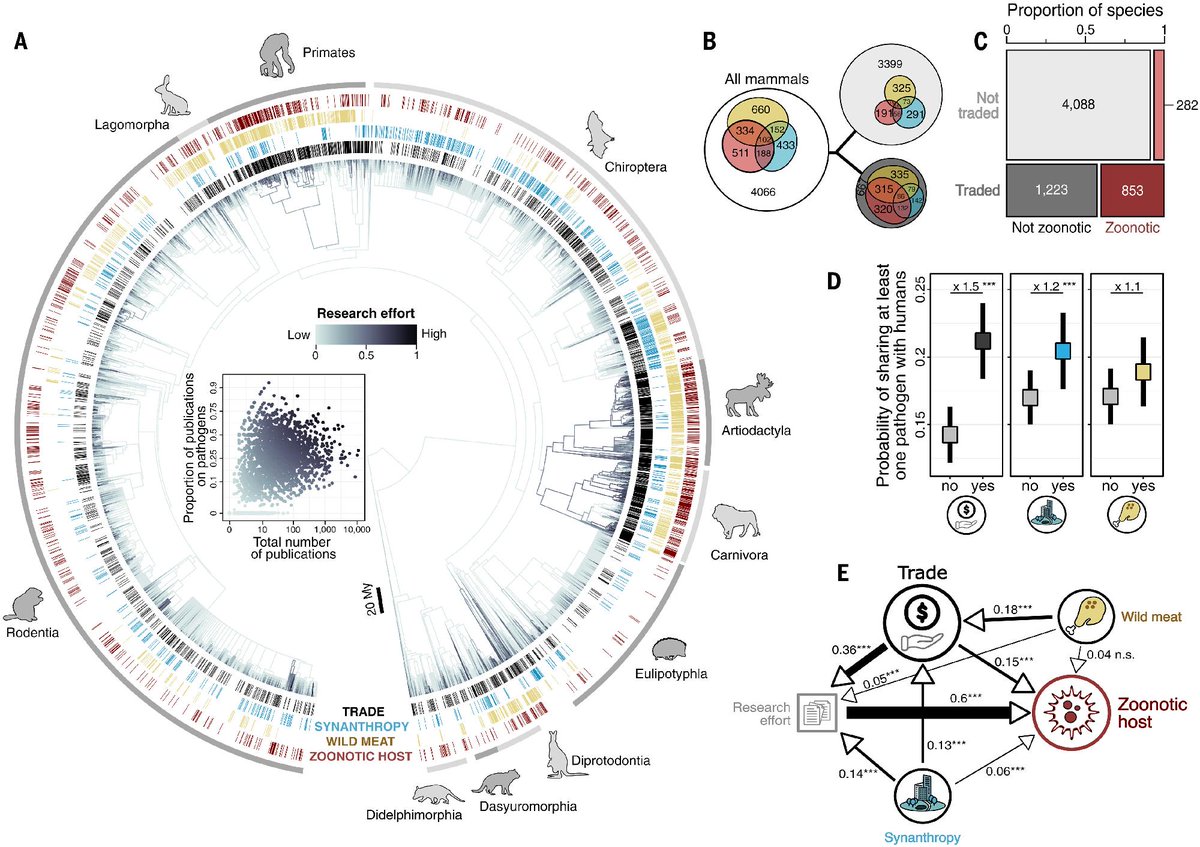
The global wildlife trade—especially in illegal and live-animal markets—is fueling the spread of diseases from animals to humans, according to a new study in Science.
The findings show that traded mammals are more than 40% more likely to harbor human-infecting pathogens, with species accumulating more shared pathogens the longer they remain in the trade.
Learn more: https://t.co/9GsERoW0We
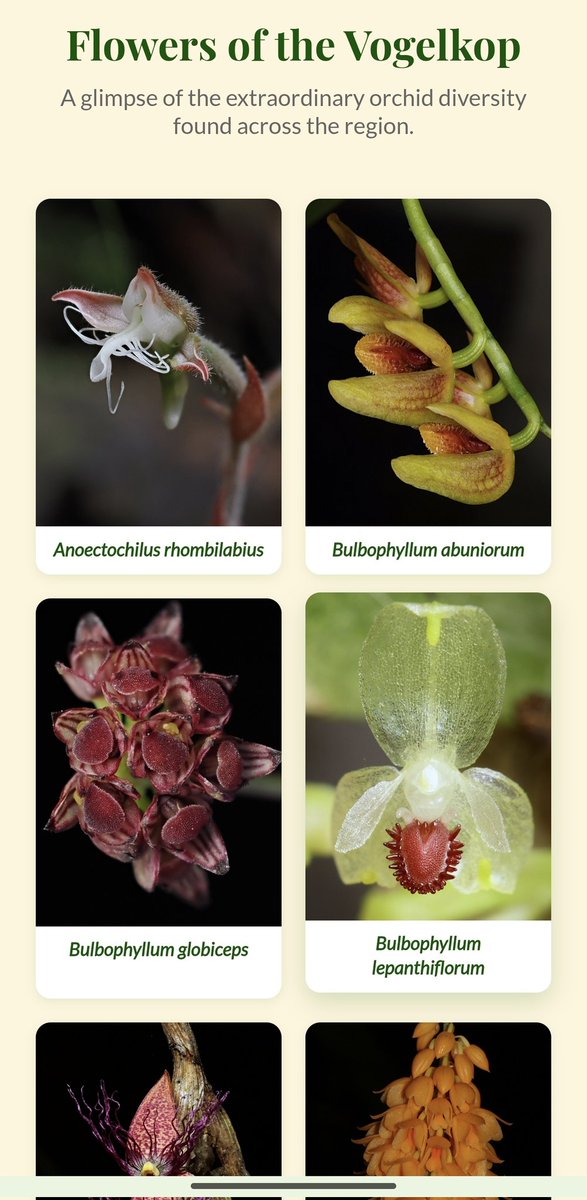
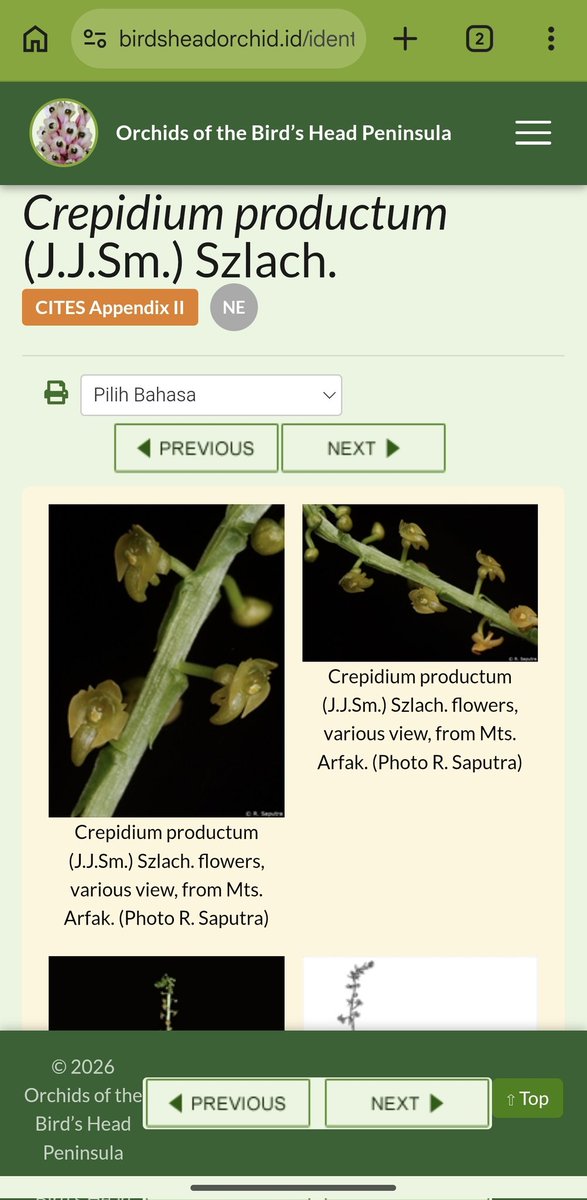
Sudah ada web khusus anggrek di Semenanjung Kepala Burung, Papua.
Dilengkapi halaman deskripsi lebih dari 600 spesies dengan foto dan/atau ilustrasi, kunci identifikasi interaktif, peta, glosarium, dan bantuan identifikasi dengan AI.
Keren bat dah🤩👍
https://t.co/26116tnwCH
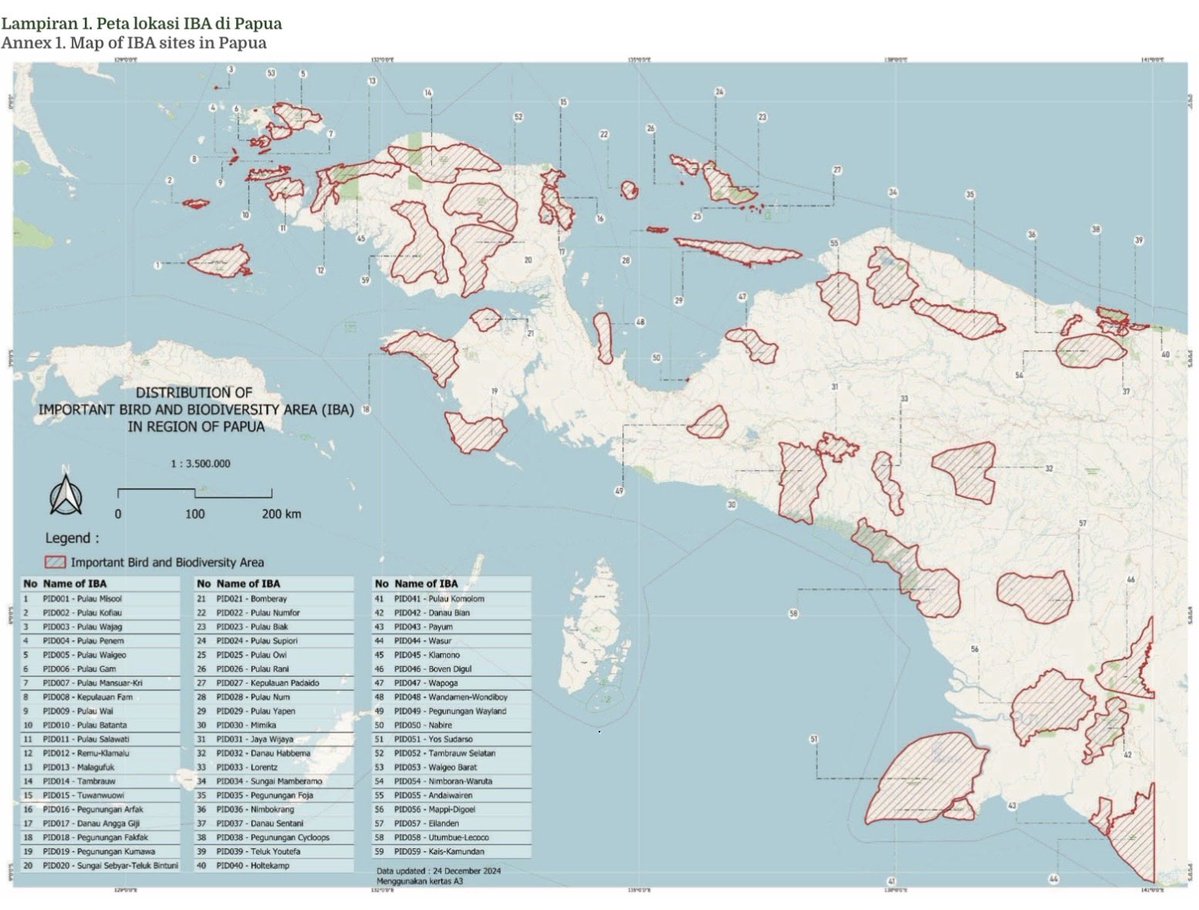
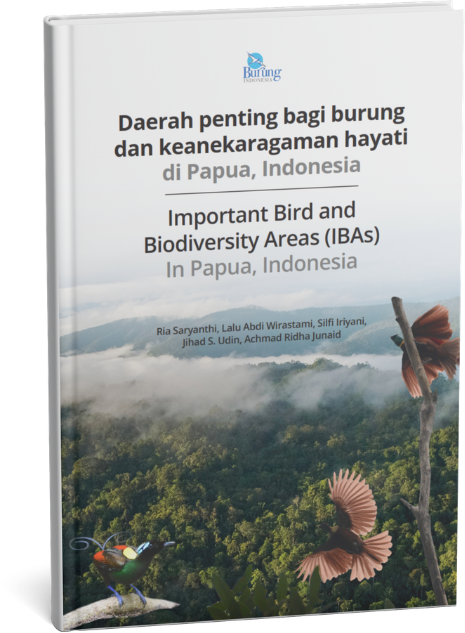
Tahun 2026 jumlah spesies burung yang tercatat sebanyak 1.834 spesies, dengan 538 di antaranya endemis. Sulawesi menjadi wilayah dengan spesies endemis terbanyak, disusul Maluku dan Jawa-Bali.
Di balik angka yang stabil, ada perubahan penting, yaitu penambahan dan pengurangan spesies akibat pembaruan kajian ilmiah. Ini menegaskan bahwa meski pengetahuan terus berkembang, ancaman seperti hilangnya habitat dan perburuan masih nyata. Data terbaru dapat menjadi dasar penting untuk upaya konservasi ke depan.
433 RIBU HEKTARE HUTAN DI INDONESIA DIBABAT SELAMA 2025.
Laporan STADI 2025 dari @aurigaorid mencatat lonjakan tajam 66%. Realitas ini berbanding terbalik dengan klaim komitmen lingkungan Pak Prabowo saat kunjungannya di Jepang.
Data STADI 2025: Pidato Pak Prabowo:
Biodiversity is declining fast, but better monitoring can help balance conservation and livelihoods.
Check out these guidelines combining science and local knowledge for sustainable landscape management:🔗 https://t.co/DabItgXnKz
#Trees4Resilience | @iki_germany
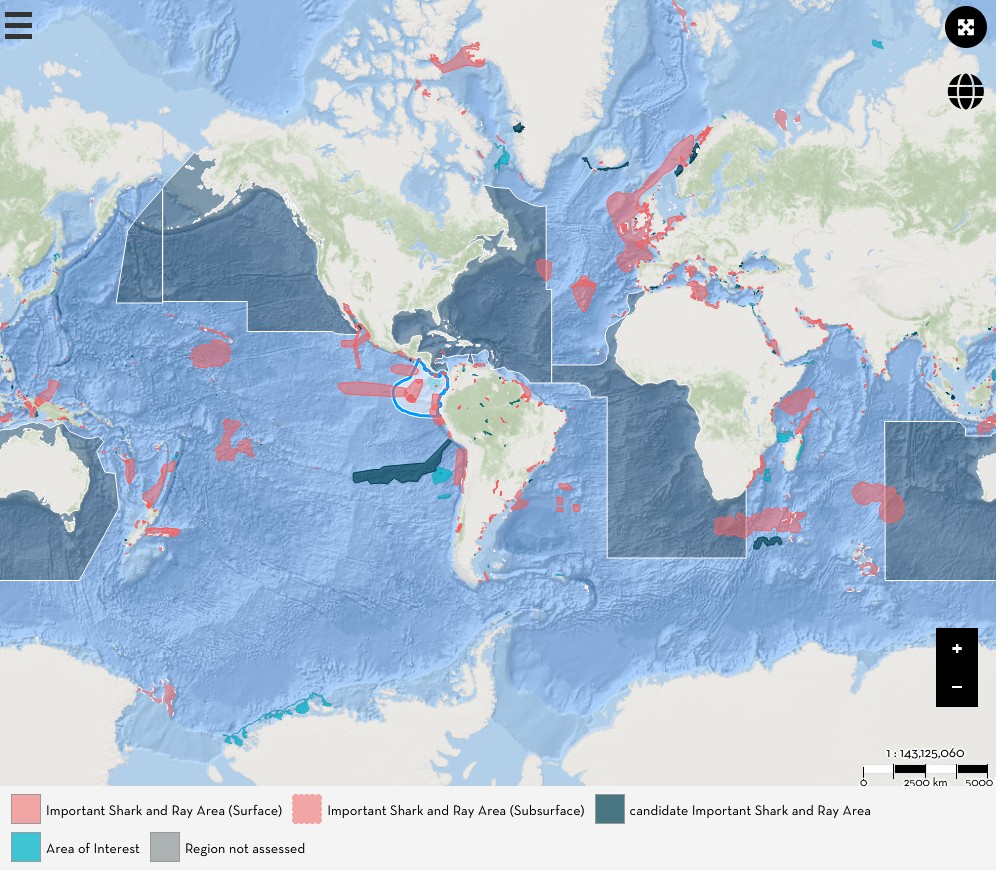
🦈A recent report has mapped over 750 Important Shark and Ray Areas — the most comprehensive picture yet of where these iconic ocean travellers live, breed, feed and migrate.
Learn more https://t.co/kQSRjsA06T
#CMSCOP15
📖 Published
movetrack: An R package to model flight paths from radio-telemetry networks
he R package enables researchers and conservationists to better study the response of aerial animals to environmental change and more🕊️🌍
🔎 https://t.co/rkkZfCAQWd
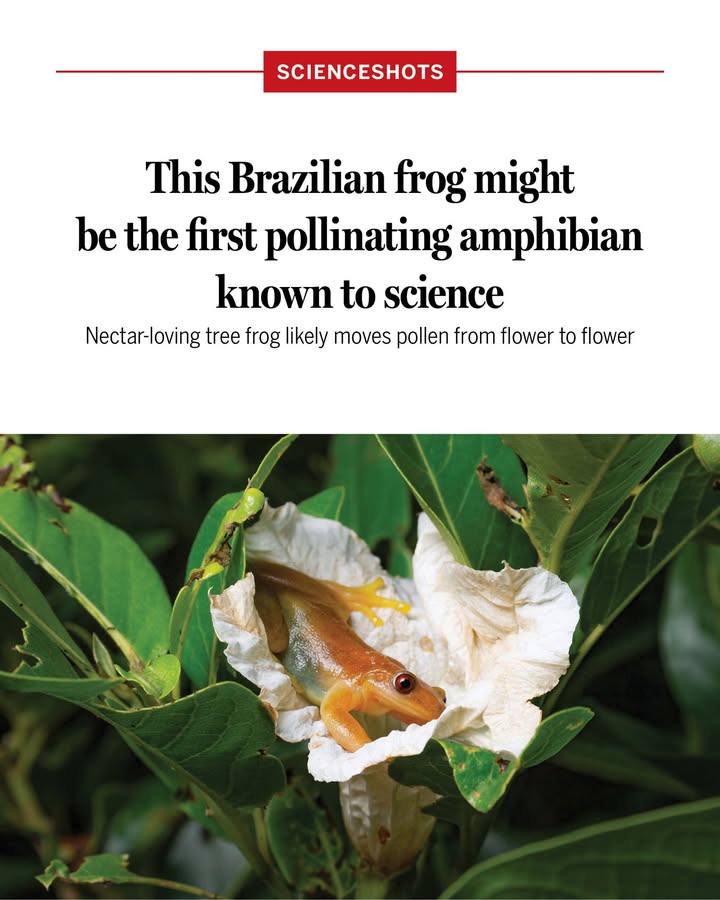
It’s the first time a frog—or any amphibian—has been observed pollinating a plant, researchers reported in 2023.
Learn more on #WorldFrogDay: https://t.co/UR3gYiXuiS @NewsfromScience
🚨 Advanced #ConservationGenomics | Online, 28 Sept–1 Oct
Learn to translate genomic data into real-world conservation strategies: interpret Ne & genetic load, design SNP panels, and inform monitoring & policy.
https://t.co/FEv3r0CQ6s
Dual-scale drivers of soil biodiversity in agroecosystems: Field management outweighs landscape effects, but both matter🌱
These findings highlight the need for conservation strategies that integrate both field-scale and landscape-scale planning🌍
🔎 https://t.co/2otrkX2xel
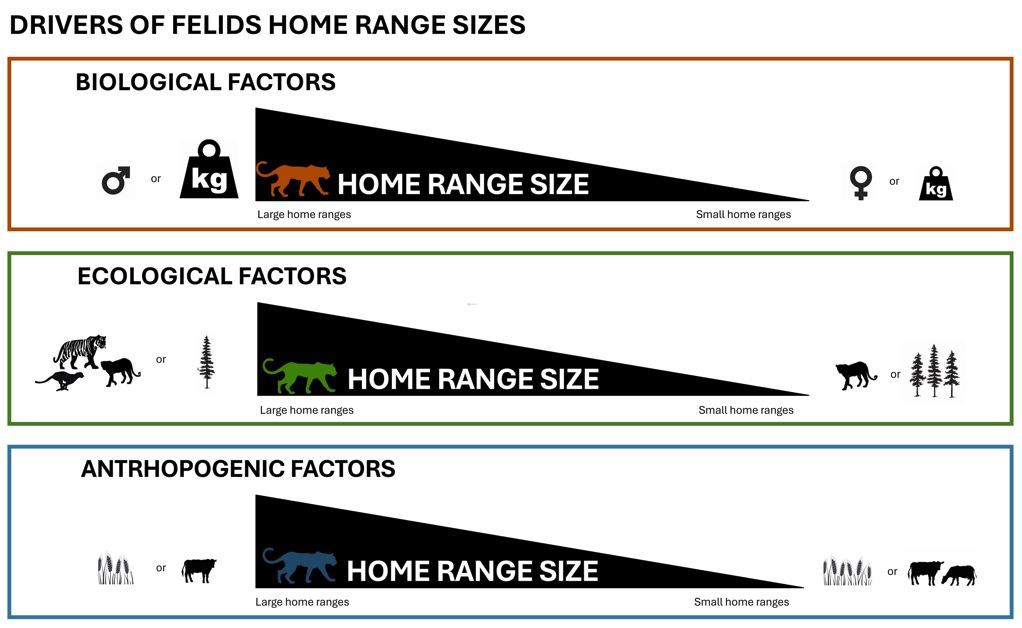
🐆 Global determinants of home range sizes in felids: Evidence of human disturbance impact
"Felids are of major interest in conservation biology, and gaining a comprehensive view of their spatial ecology will help global conservation recommendations"
📖 https://t.co/WgUGTbO3MR