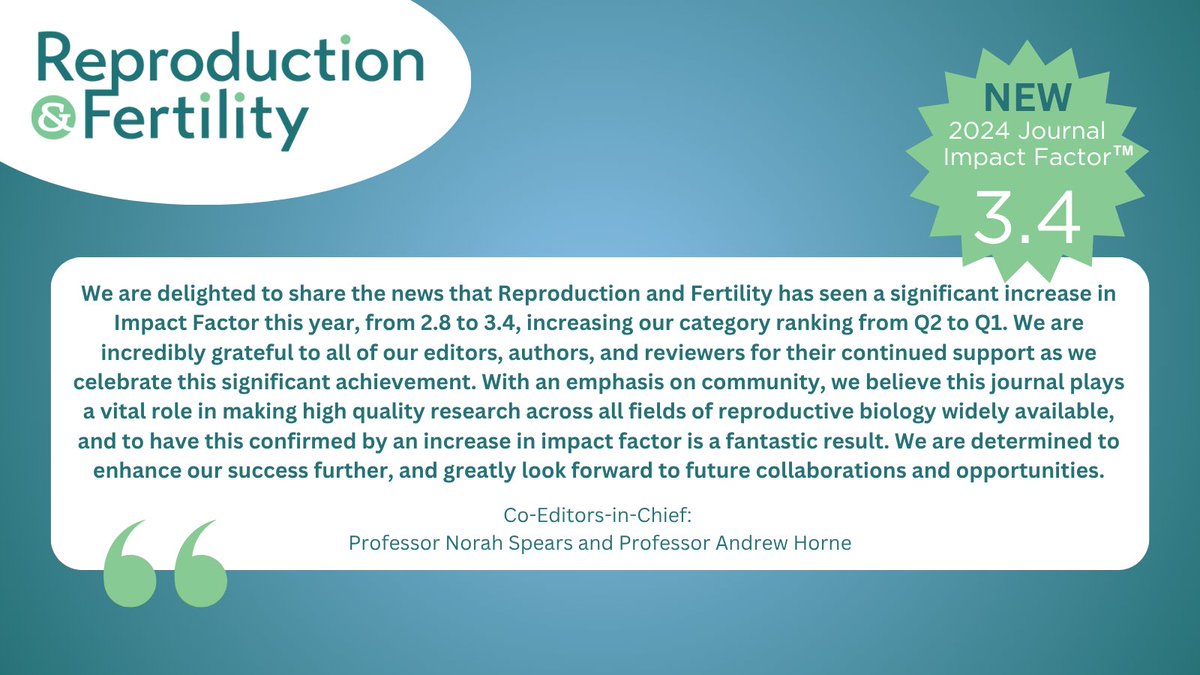
🌟We are proud to announce that Reproduction and Fertility's 2024 Impact Factor has risen to 3.4!
This increase reflects the growing recognition of the high-quality research published in the journal - thank you to our authors, reviewers, and editors for making this possible.
📣 Welcome to #RaFJC!
For the next 24 hours, we're exploring how maternal vs environmental factors shape the gut #Microbiome of newborn #Piglets 🐷
Find the article on this link and join this conversation!
🔗 https://t.co/2olnk9ZS0n
We are pleased to announce that the Journal Club will be returning on 11th June 2025 - running for 24 hours!
Discussing: ‘Maternal versus environmental contributions to the piglet pioneer microbiome’ by Landon K Eldridge et al.
Join in on X #RAFjc
🔗 https://t.co/sepZY4HaU8
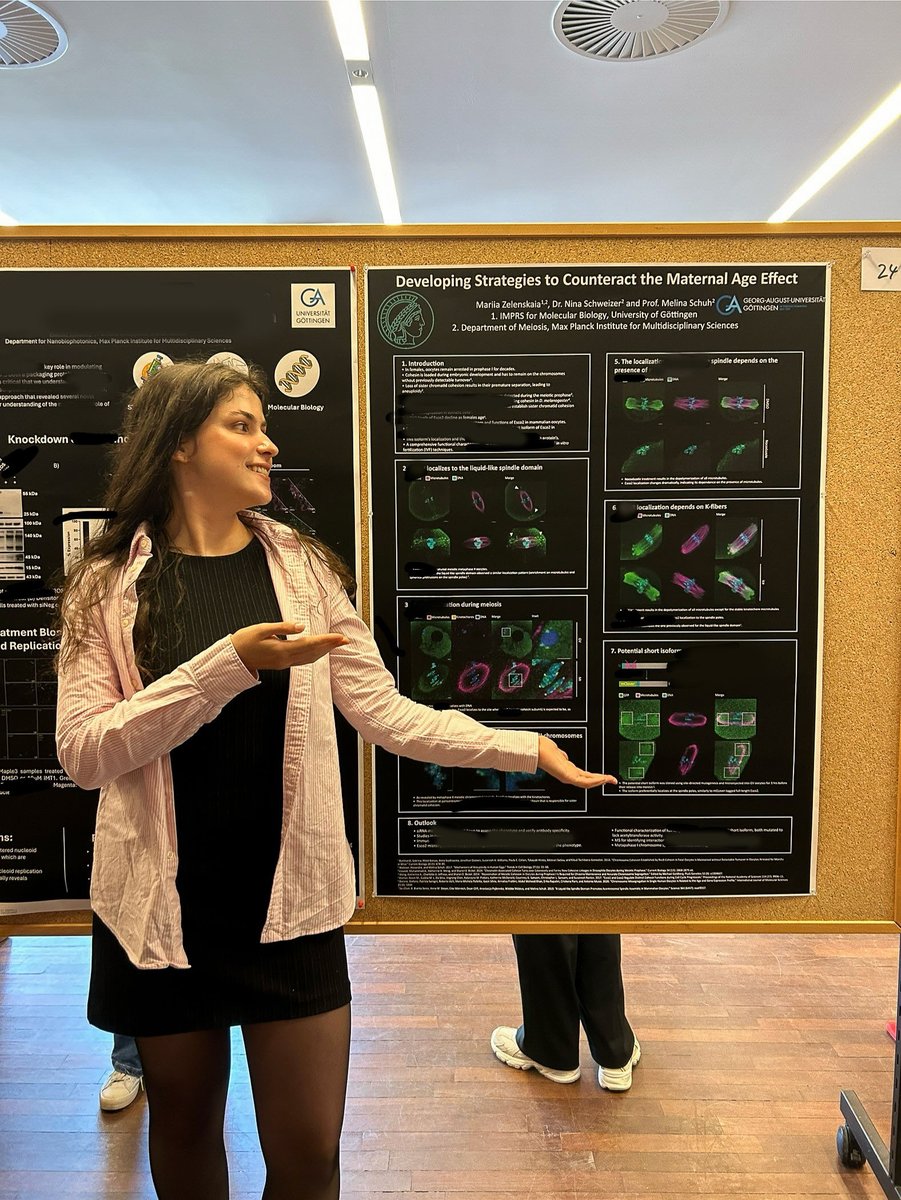
It was great having @marusiazel@schuhlab for her lab rotation within the IMPRS Molecular Biology Master Program. She presented her project, supervised by Nina, in our large seminar room. Congratulations on sucessfully finishing - well done!🎉#researchtogether#posterpresentation
We have now launched a LinkedIn Page, give us a follow us: https://t.co/ni4ldlQDWq
We’ll be posting new articles, journal news, the people behind the journal, conferences content and more. 🔗
#LinkedIn
Why are some chromosomes like #21 in Down syndrome more error-prone in mammalian eggs? 🤔
Our new study in @NatureComms reveals why acrocentric chromosomes often mis-segregate, causing aneuploidy and miscarriages. (1/9)
https://t.co/vXXSXEFNpF
🔔The journal club starts now🔔
Welcome!!! 👋
Are there associations between clinical and embryological factors with pregnancy loss following transfer of a single euploid embryo? https://t.co/ui3Jq5OZwm
#RaFJC@norahspears @horne_research @FautMonica@Gliperis @hishamahwany
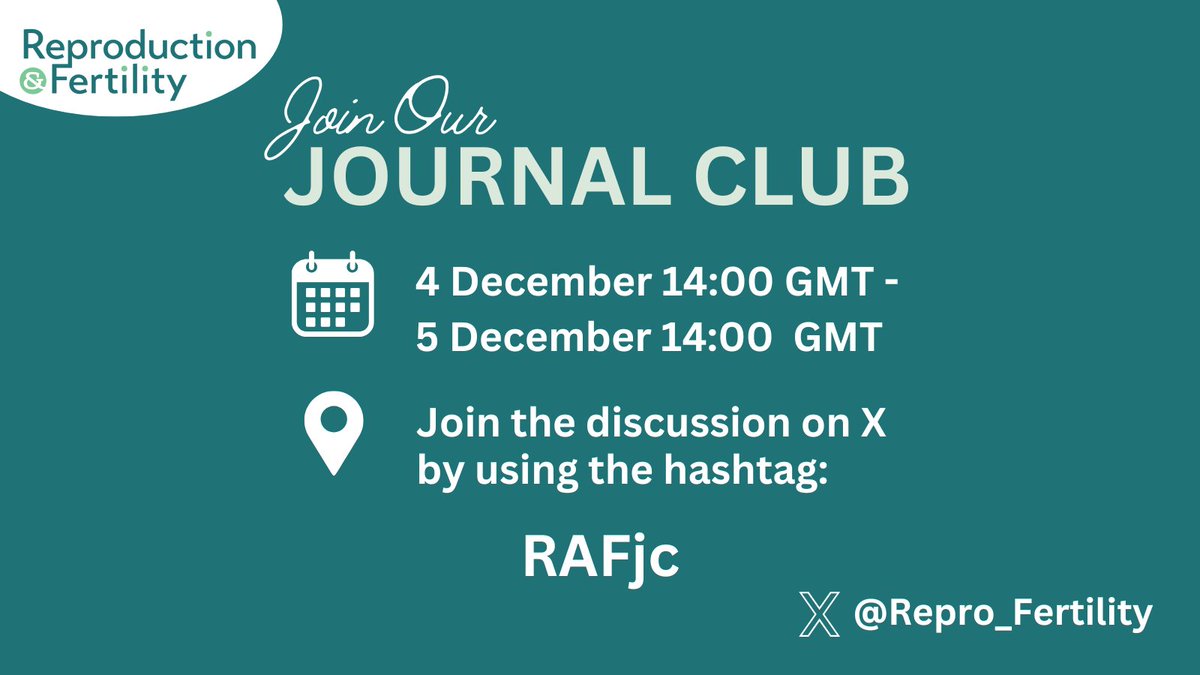
🥁Our next Journal Club will take place next week, 4 December 14:00 GMT, for 24 hours.
Join the discussion on X by using the hashtag: #RAFjc
Read the article being discussed: https://t.co/ui3Jq5PxlU
@FautMonica@norahspears @horne_research @GLiperis@MathewLeonardi
Oocytes are arrested in prophase to give them enough time to grow and accumulate sufficient maternal components.🥚
Our @NatureComms study led by @shiya_cheng reveals two mechanisms repressing cyclin B1 translation to maintain this arrest.
https://t.co/uotxQ3Njk1 (1/6)