Educators curious about how #OpenScience can transform learning from textbook to real-world exploration, this @GLOBEProgram webinar is for you! Learn how your students can step right outside and contribute to cutting-edge research. Feb 21st, 2pm. Register: https://t.co/25fOWk4rdf
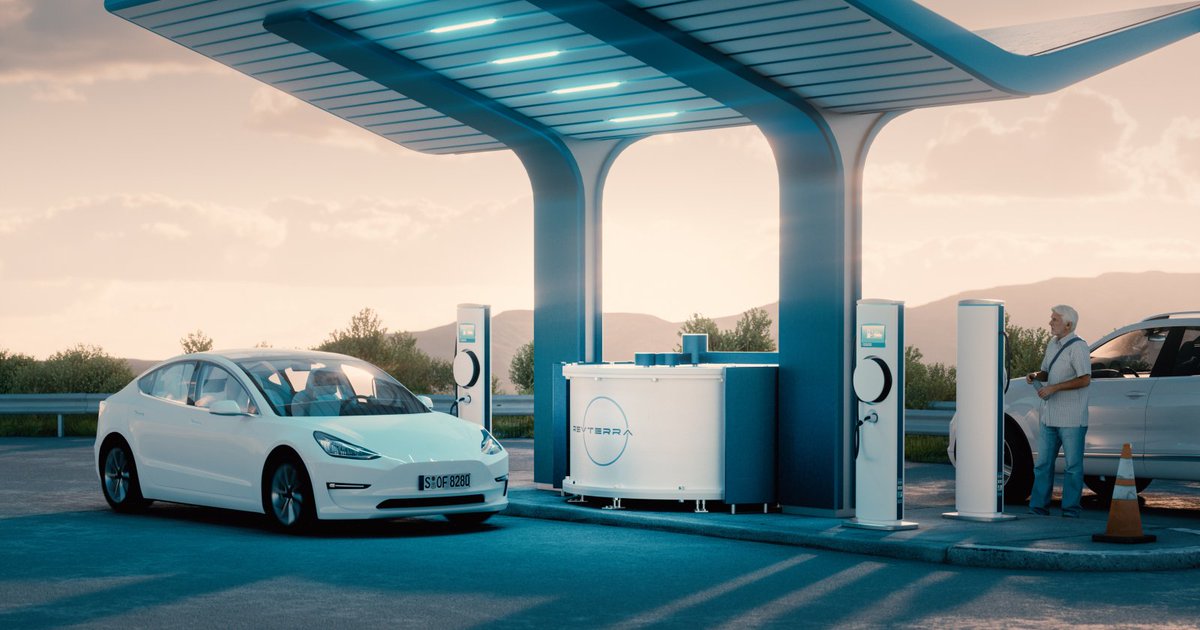
Houston startup @revterra is developing a kinetic energy storage system using novel “batteries” made from recycled steel. Its green approach enables rapid EV charging to mitigate demand and infrastructure upgrade requirements.
https://t.co/hNXDACoZHu #NSFSBIR
📸: Revterra
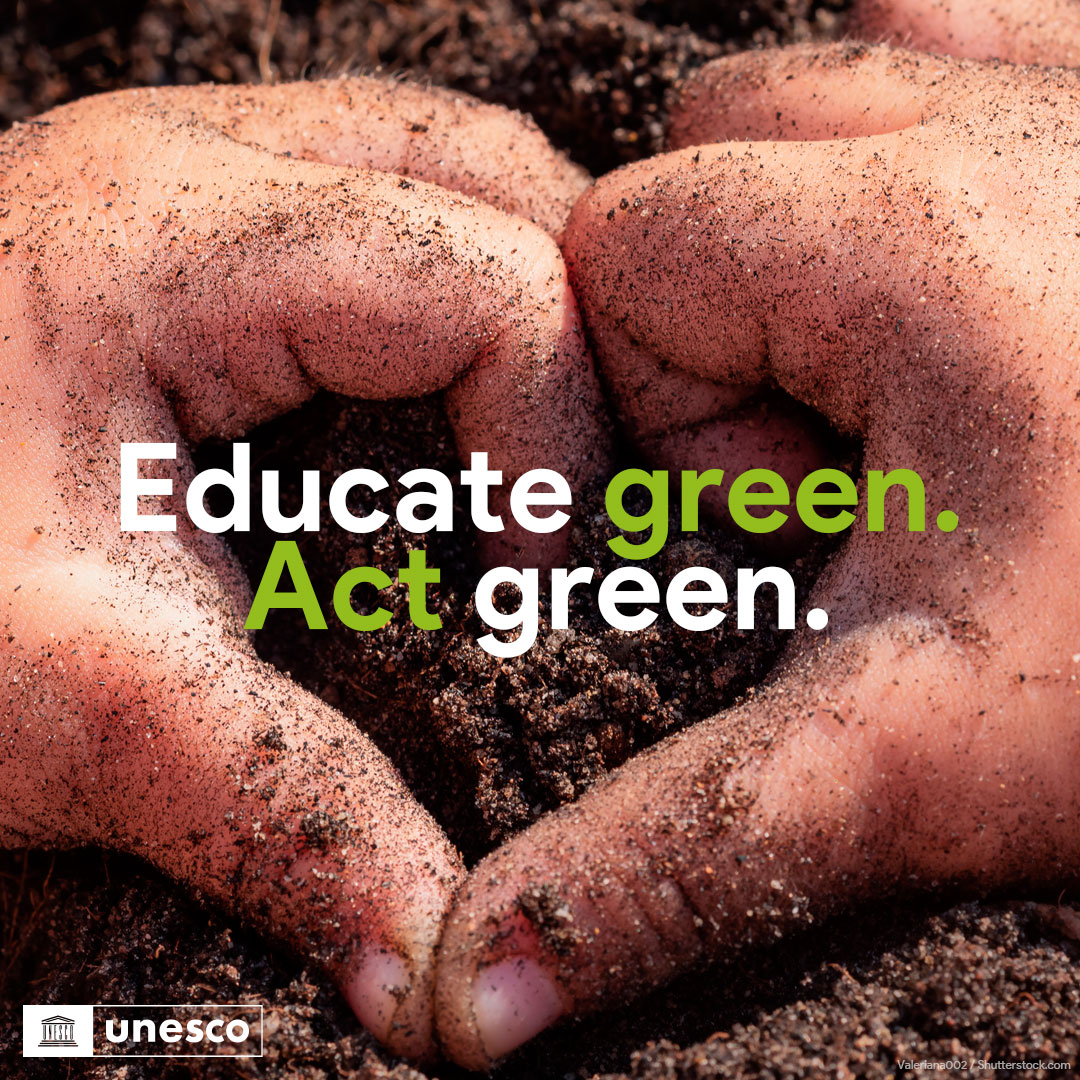
#DYK that nearly half of the 100 countries reviewed by UNESCO had no mention of #ClimateChange in their national curriculum?
To act green, we must first educate green.
https://t.co/EK7H3zakc3 #LearnForOurPlanet
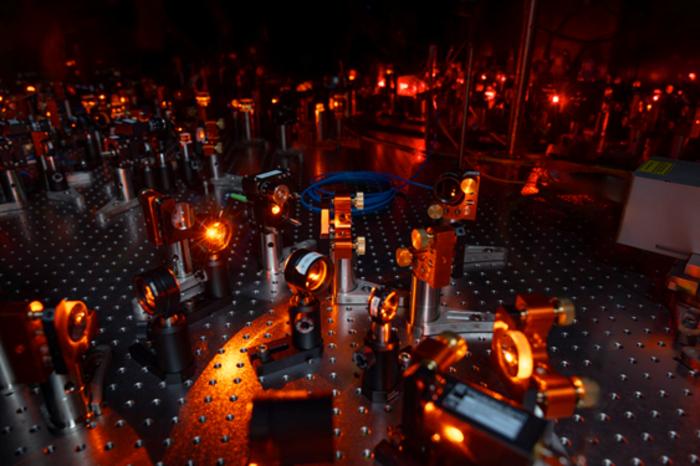
When they're trapped, electrons go from moving independently to being a coordinated crowd. In this state, behaviors like superconductivity & unique forms of magnetism emerge. With @advancedphoton, @MIT scientists trapped electrons in a pure crystal: https://t.co/TthYpKam5F
Send your name to the Moon!
Our VIPER rover will explore the lunar South Pole, studying shadowy craters and searching for frozen water—and you can sign up to add your name before it lifts off: https://t.co/GfOdQdhypW
Learn about the techniques that scientists use in their search for signs of life on distant planets, in this video from NOVA Wonders: Are We Alone? The presence of certain gases in a planet’s atmosphere could provide the first such sign.
https://t.co/gNd3RZYKqf
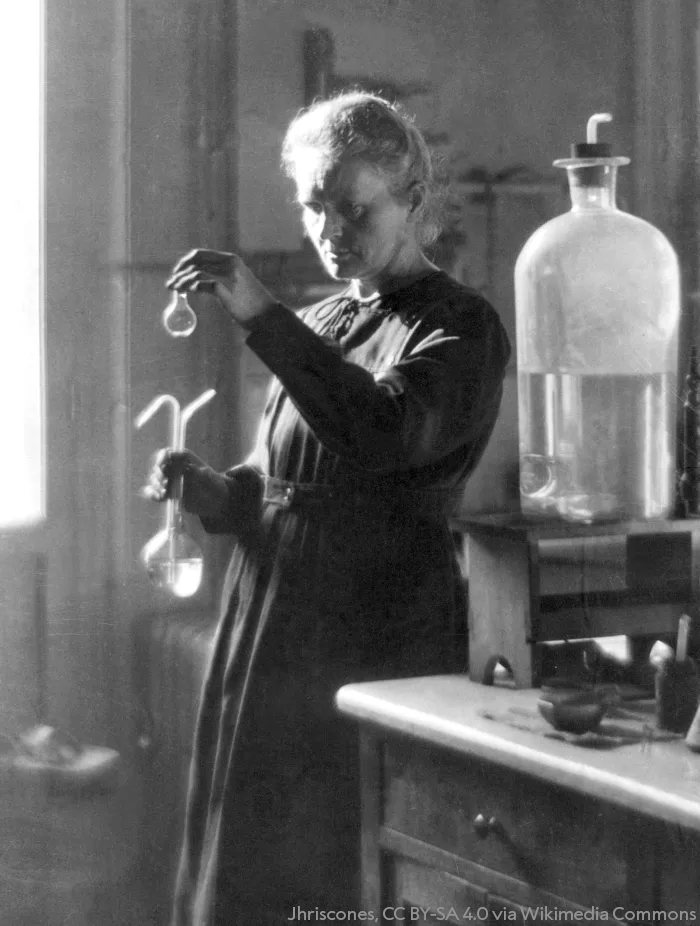
“120 years ago, Marie Skłodowska Curie was the first woman to be awarded the Nobel Prize in Physics. I am the fifth. (...) I hope that this is a new trend, which will inspire new generations!”
- physics laureate Anne L'Huillier in her #NobelPrize banquet speech.
New year, new celestial sights! This month, the Quadrantid meteor shower peaks on Jan. 3, the Moon pairs with Venus, Saturn, and Jupiter, and a full moon rises on Jan. 25. See when to keep an eye on the sky: https://t.co/NF1UnjMF2b
Einstein called it "spooky action at a distance."
Now @NSF-supported researchers @Princeton have linked individual molecules in quantum "entanglement" - where molecules can interact simultaneously even lightyears apart.
https://t.co/W9QupA6fiJ
📸: Richard Soden/Princeton
Want more girls in computer science? Maybe tone down the "geek" 🤓
While nerd pride may be a helpful strategy to build self-esteem among some youth, a study demonstrates that it may negatively impact interest in compsci among the majority of young women.
https://t.co/THrkDnfoQX
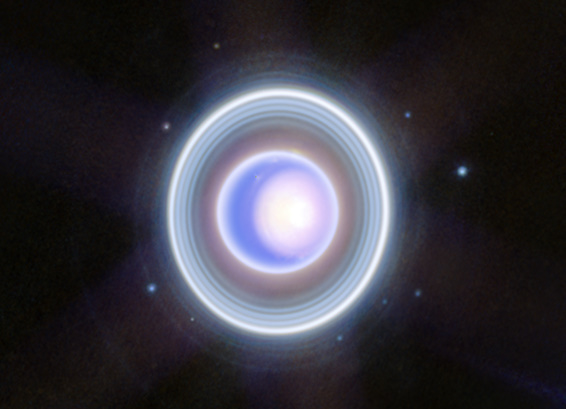
Ring in the New Year with this stunning image of Uranus from @NASAWebb! 🎉💍
Freshen up your phone, laptop, or tablet background with this gorgeous image or others from the James Webb Space Telescope image gallery: https://t.co/13J6J3iyUU
Earlier today, Parker Solar Probe reached perihelion – its closest point to the sun in orbit – for the 18th time since its launch in 2018. The 1st spacecraft to touch the sun is now approximately 5 million miles (8 million km) from our star. And it’s going to get closer.
The closest point in Earth’s orbit around the Sun is called perihelion. Since Earth’s orbit isn’t a perfect circle, tonight at 7:38 p.m. ET, our planet will make its closest orbital approach to the Sun this year at 147,098,925 kilometres away! 👋
Photo: NASA
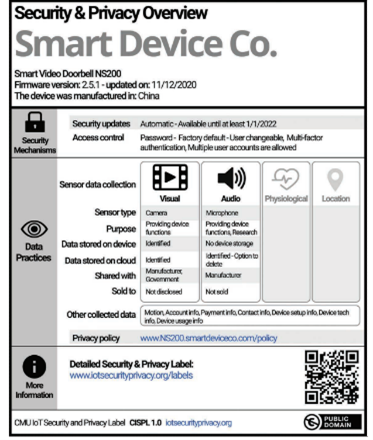
Do you know how secure your smart devices are?
#NSFfunded researchers propose creating labels, much like nutritional labels on food, to provide consumers with vital details about the security & privacy of smart devices ➡ https://t.co/bDs0ToYwt3.
📸: @CarnegieMellon
Join the millions of people helping #NASA accelerate research and discovery. Check out SciStarter's NASA science resource page for how-to videos, live webinars, project leader insights, quick access to projects that need your help and more! https://t.co/qauKmrPi3f @donasascience
Don't miss your chance to catch a ride to Jupiter!
Your name will be etched onto microchips that will be mounted to the @EuropaClipper spacecraft, and the deadline is coming.
✏️ #SendYourName: https://t.co/PvYaee2BRg
🧠 Learn about the mission: https://t.co/V0GvGHyawd
Did the recent #OSIRIS-REx sample return get you excited about asteroids? You could be the first to spot a new one as part of the International Astronomical Search Collaboration #CitizenScience project. Join a campaign: https://t.co/2uefo9oMBP
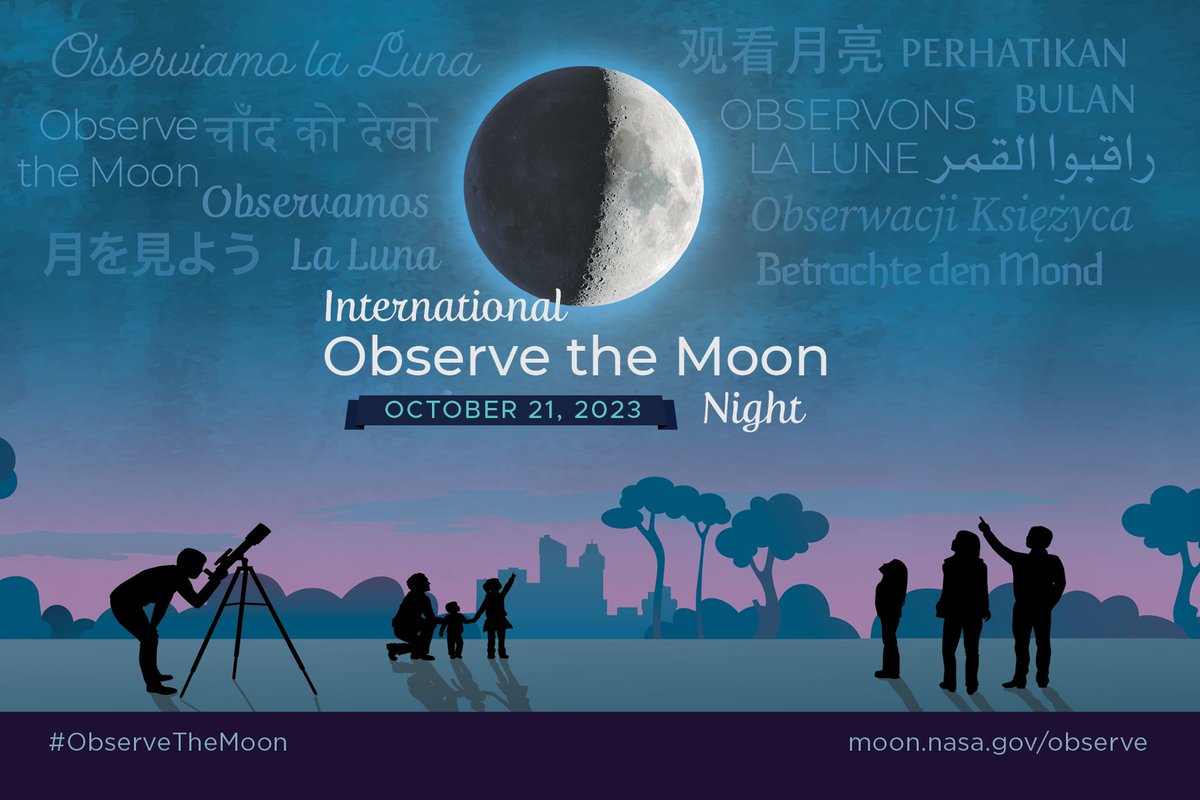
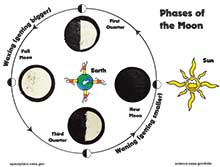
On Saturday, take a pause & look up! It's International #ObserveTheMoon Night!👀🌓
This week's #NASASTEM EXPRESS has hands-on activities to get you ready for the big day. (Did someone say moon phase cookies?!)��
Read: https://t.co/OWLkt3UGKR
Subscribe: https://t.co/UBCL8eQ8vr