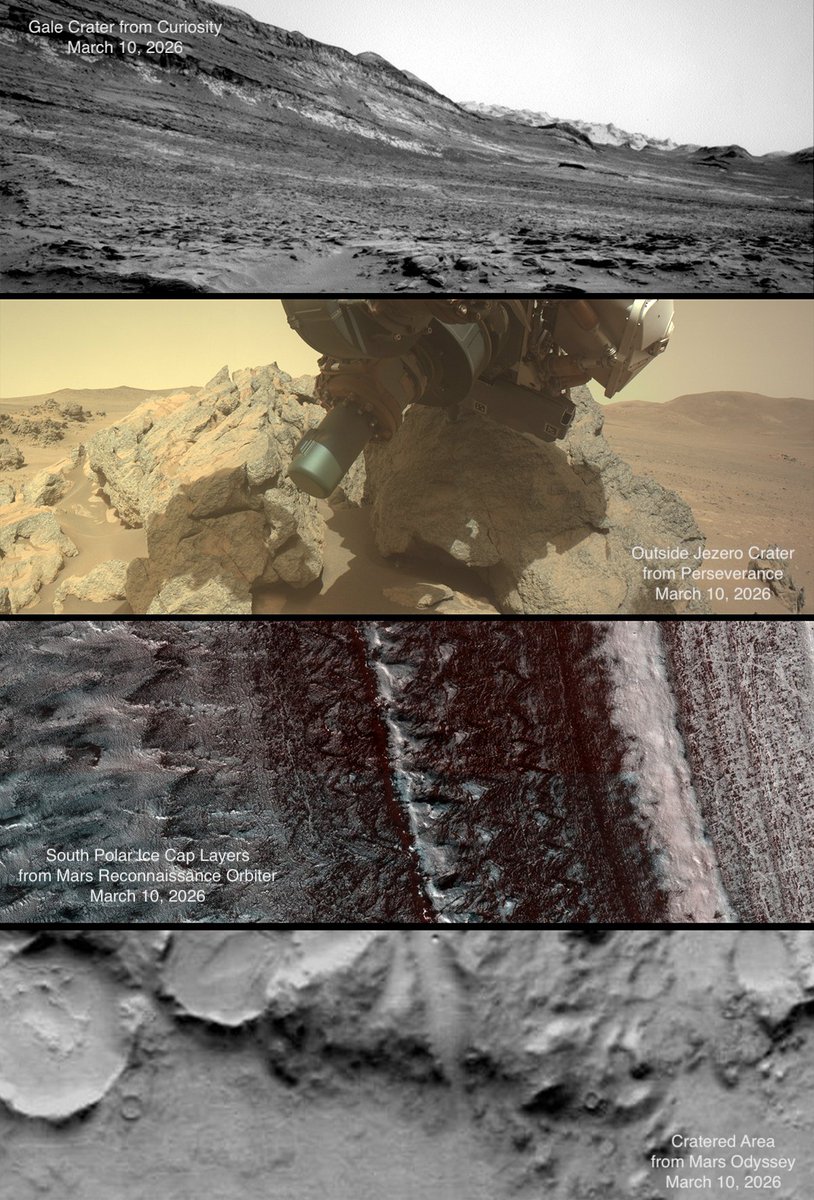
A day in the life of Mars. 🔴
Four images taken by four different NASA spacecraft in four different locations on the Red Planet, all on the same day: March 10, 2026.
Some perspective: These hills have been here for billions of years, and the tracks I leave will fade over time.
It’s humbling to know my time of exploration is just a brief moment in history on such an ancient planet.
A slew of camera networks, bolstered by doorbell cams, helped researchers connect meteorites to their asteroid origins and create a geologic map of the asteroid belt.
https://t.co/2sfKquJEUa
Our Mars rover mission will have a European landing platform.
@esa has selected @AirbusSpace to develop critical systems to safely land the @ESA_ExoMars Rosalind Franklin rover on the Red Planet, including:
🛬 Landing structure
🔥 Braking thrust propulsion system
⚙️ Stabilising gear
https://t.co/DGGzxPt0m6
Happy #PiDay!
Our ER-2 pilots are celebrating with their own versions of apple pie. Since they wear pressurized suits designed for high-altitude flights, this tube food allows the pilots to eat while flying a science mission like Air-LUSI.
🔗: https://t.co/7cbBxeJ5h8
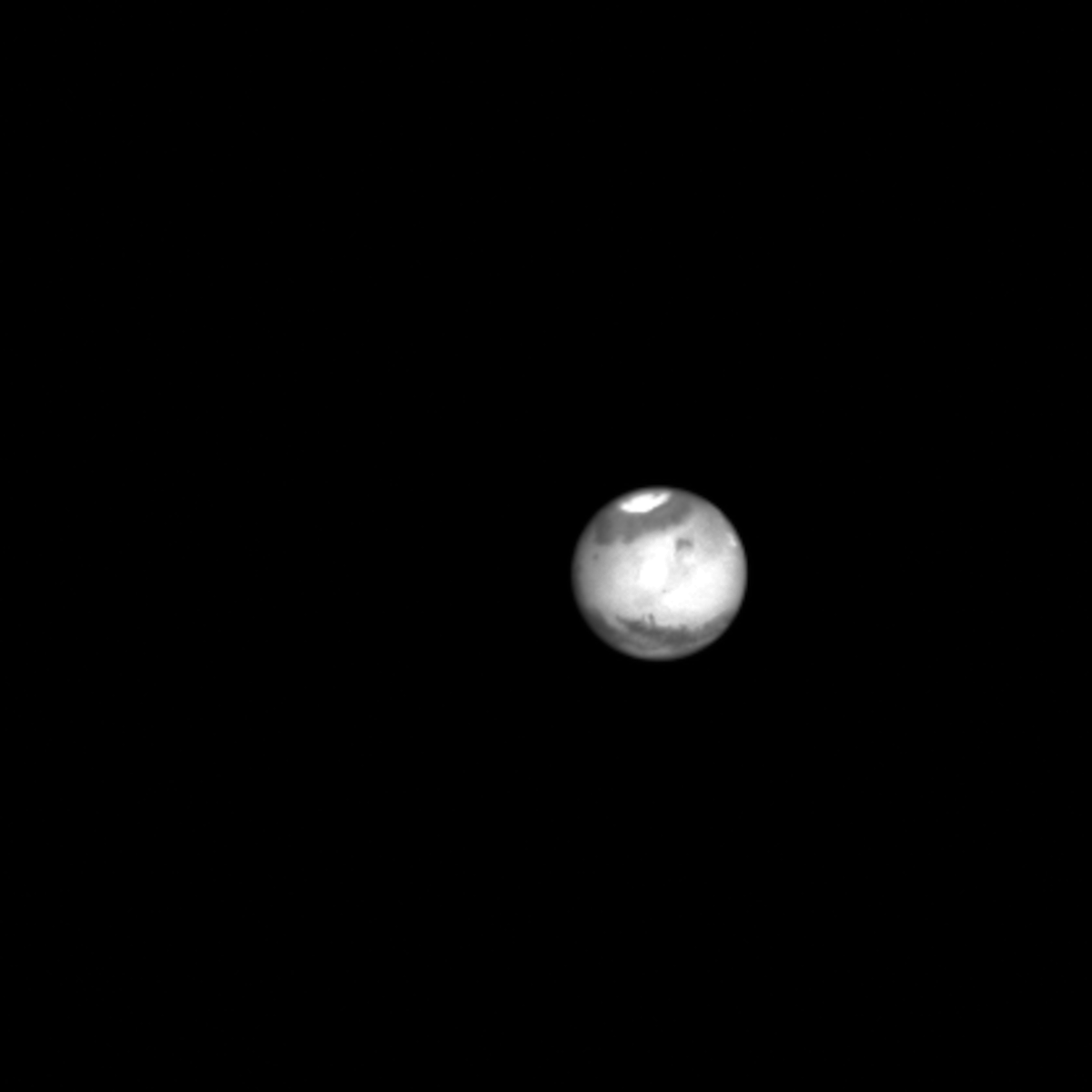
This is #HeraMission's view of Mars acquired yesterday, at 1.07 million km from the red planet, hurtling towards it at 9 km/s - acquired with its Asteroid Framing Camera. The north pole and other features clearly visible - closest approach comes at 13:51 CET today, images unveiled tomorrow: https://t.co/f0uy4H2PQ6
At 13:51 CET today our asteroid detective Hera comes just 5000 km from Mars - the latest stop in her cosmic roadtrip! Hera will snap Mars & its Deimos moon, but has to turn around to send these pics back to Earth – to be shown in our livestream tomorrow, featuring @AndyWeirAuthor & @Astro_Alex
The impact probability of asteroid 2024 YR4 has dropped from 2.8% to 0.16%.
Thanks to new observations, Earth is now at the edge of our shrinking ‘uncertainty window.’
If this trend continues, the risk may soon reach 0%.
Similar processes make similar landforms, even in very different places. In these radar images, liquid (water on Earth, methane on Titan) looks dark, and land (rock on Earth, ice on Titan) looks bright. Which is which?
Top: Earth (left Norway, right Congo), bottom: Titan
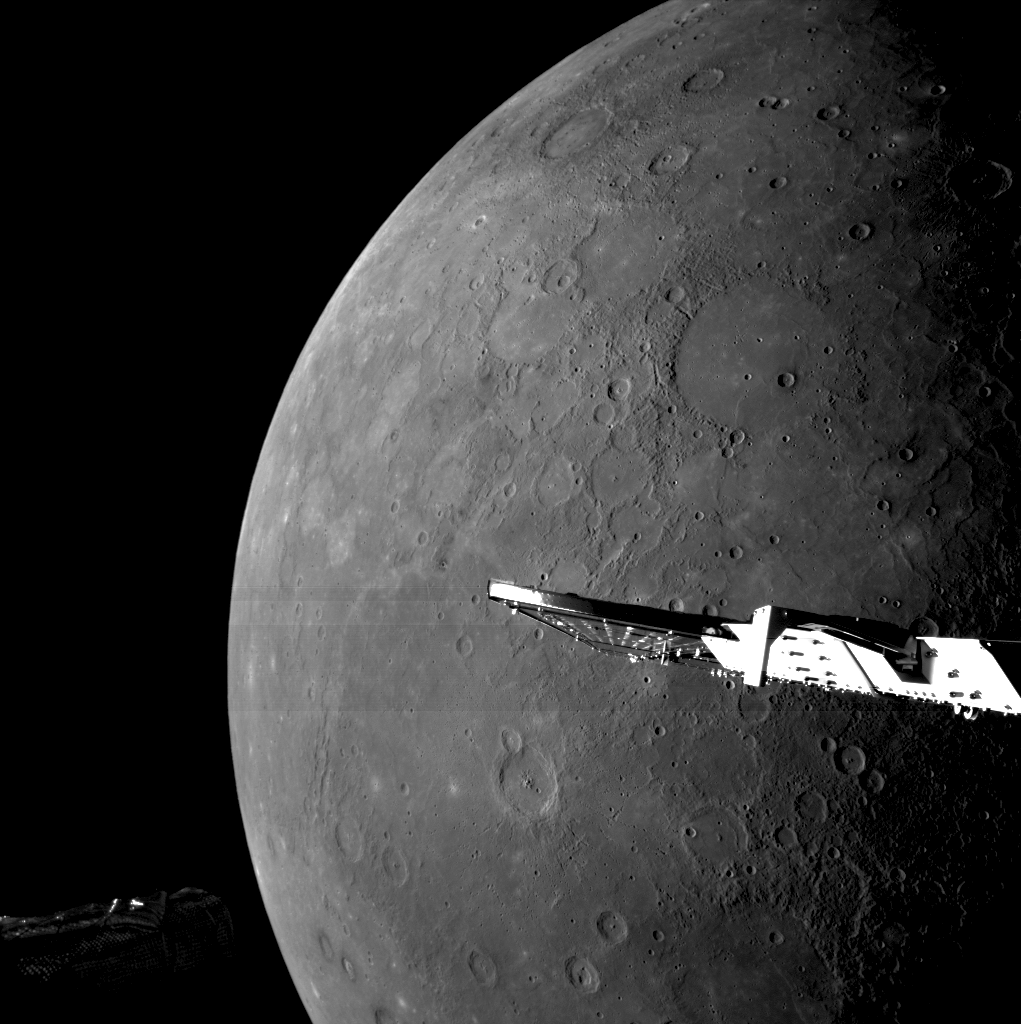
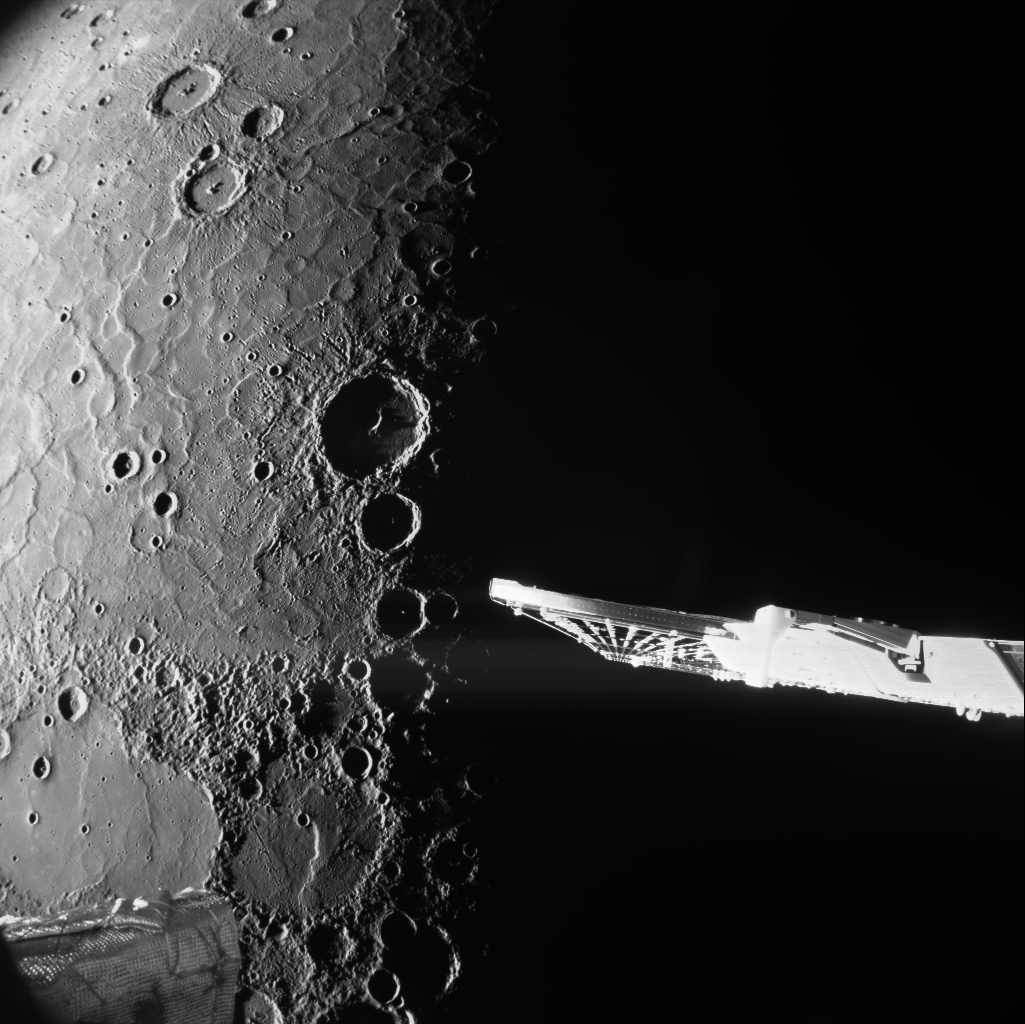
Explore the top three images from @BepiColombo 's sixth and final Mercury flyby before entering orbit around the planet in late 2026 👉 https://t.co/DiVOGAistB
The first @IAGAIG Planetary Image of the Month of 2025 is now available!📸 Dr. Oliver White 👨🚀 @SETIInstitute takes us on a field trip to the moons of Jupiter to show us the diversity in impact features that exist on their surfaces🌑🌕 https://t.co/60qFOOCgiJ
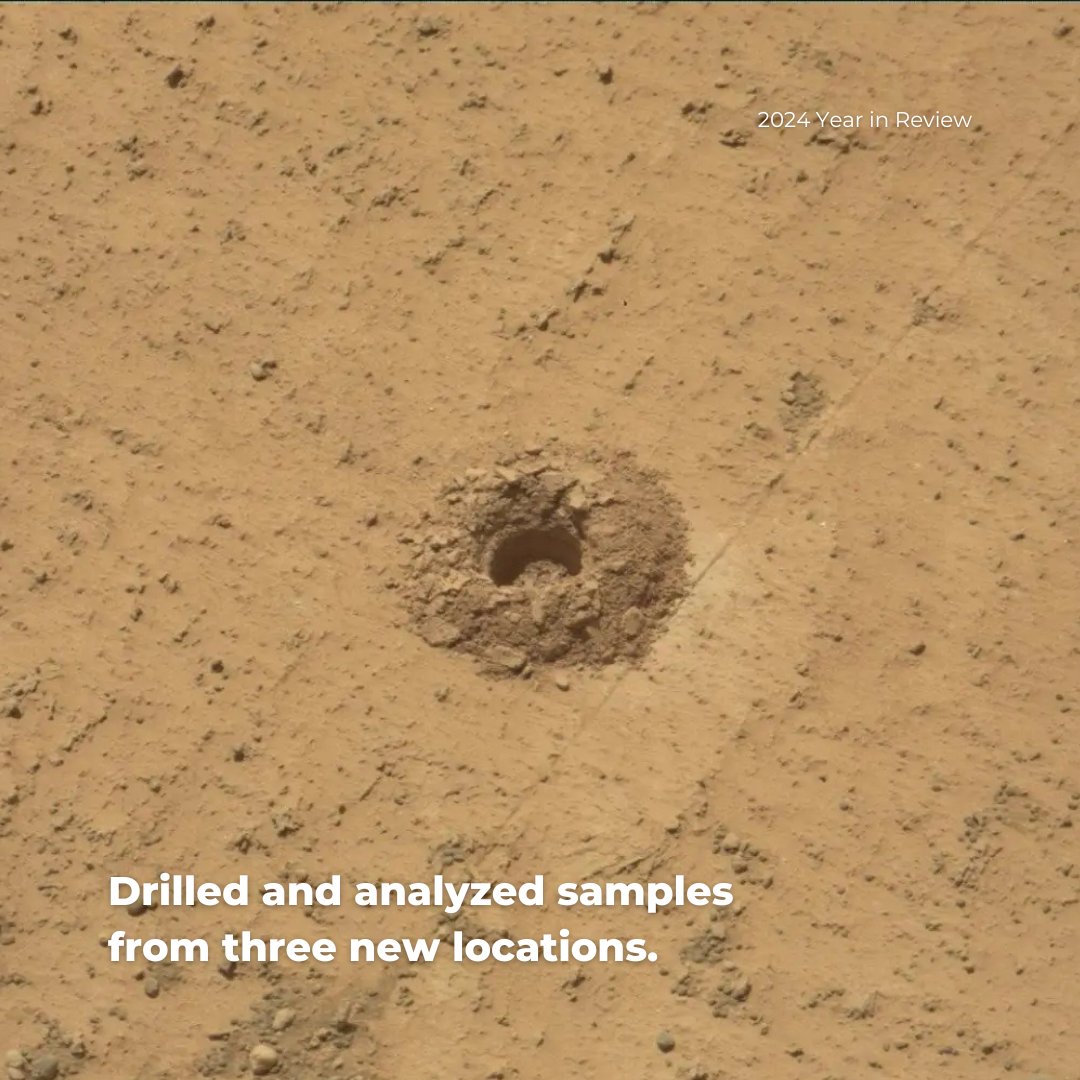
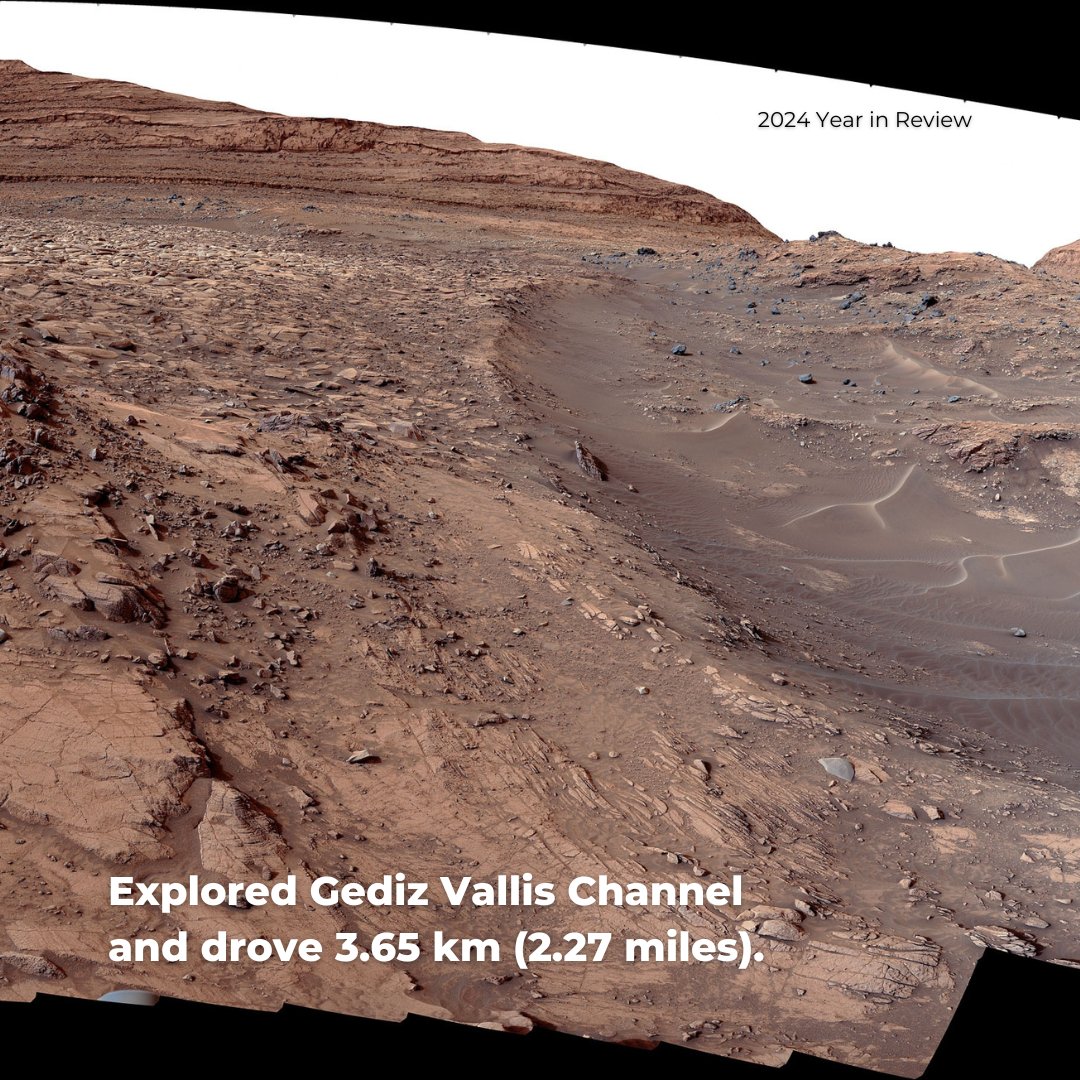
The Earth year is almost over – and I’ve done so much on Mars!
Here are some of my highlights from 2024:
- Drove 3.65 km
- Explored Gediz Vallis channel
- Discovered pure sulfur rocks
- Analyzed three drill-hole samples
What are some of your favorite moments?
An InSight of Changes on Mars
We caught a glimpse of the retired InSight lander to document the accumulation of dust on the spacecraft’s solar panels that have acquired the same reddish-brown hue as the rest of the planet.
https://t.co/FRO6WjiIPM
NASA/JPL/University of Arizona
What caused the Ingenuity #MarsHelicopter's hard landing during its final fateful flight earlier this year?
Engineers from JPL and AeroVironment are performing the first aircraft accident investigation on another world. Here's what they know so far: https://t.co/nynn8nCWNa