Yesterday we celebrated the publication of An African History of Africa.
My book is the culmination of over 7 years of travel, through more than 30 African countries.
Everyone is originally from Africa, and this book is therefore for everyone.
Thank you all for your support!
The African Development Bank to withdraw all its international staff from #Ethiopia immediately. This follows the recent breach of diplomatic protocol and assault by Ethiopian security forces on two of the Bank's international staff members. Full statement: https://t.co/kNrMUy1x0c
@IRIGlobal is pleased to announce that work done by our @CEPPS and IRI team in #Ethiopia has been selected by @USAID as a finalist in the 2023 CLA Case Competition. Congratulations on this huge accomplishment! See the team below.
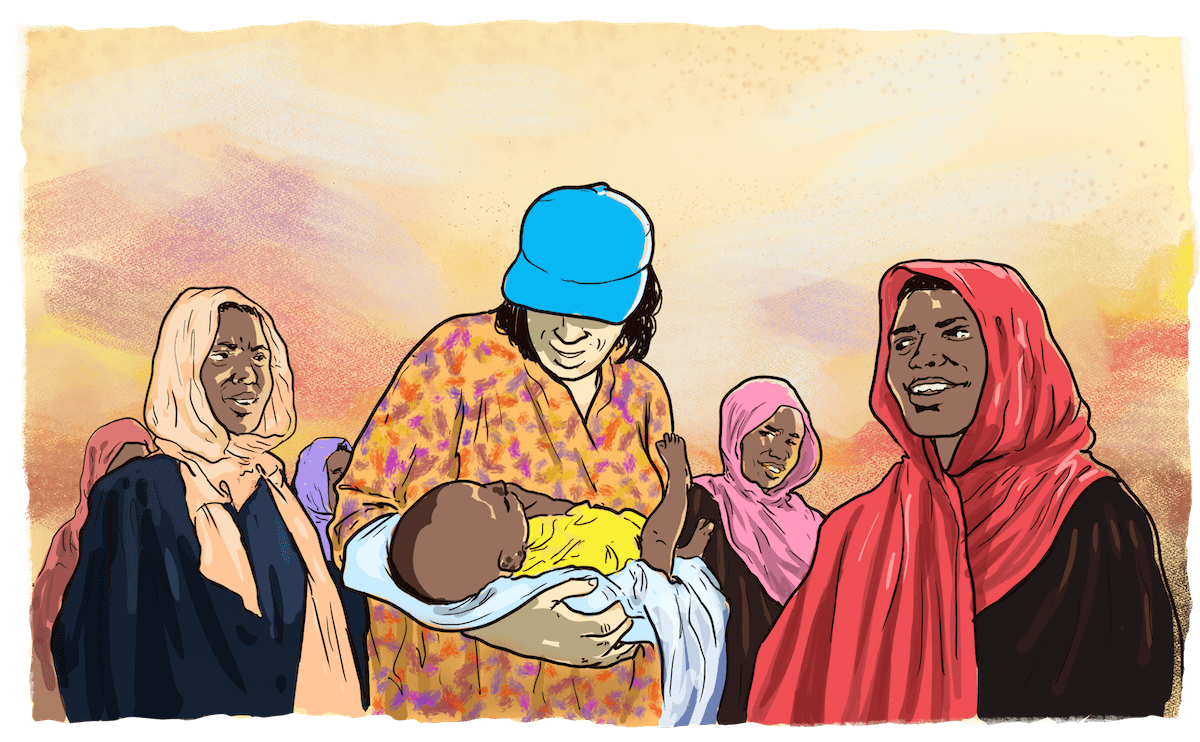
The ongoing conflict in #Sudan has led to the killing of civilians and the rape of women and girls.
On #WorldHumanitarianDay, read how women are leading the humanitarian response with support from @unwomensudan: https://t.co/Tl2bkzgQx5
🎨Michael Lusaba
#NoMatterWhat
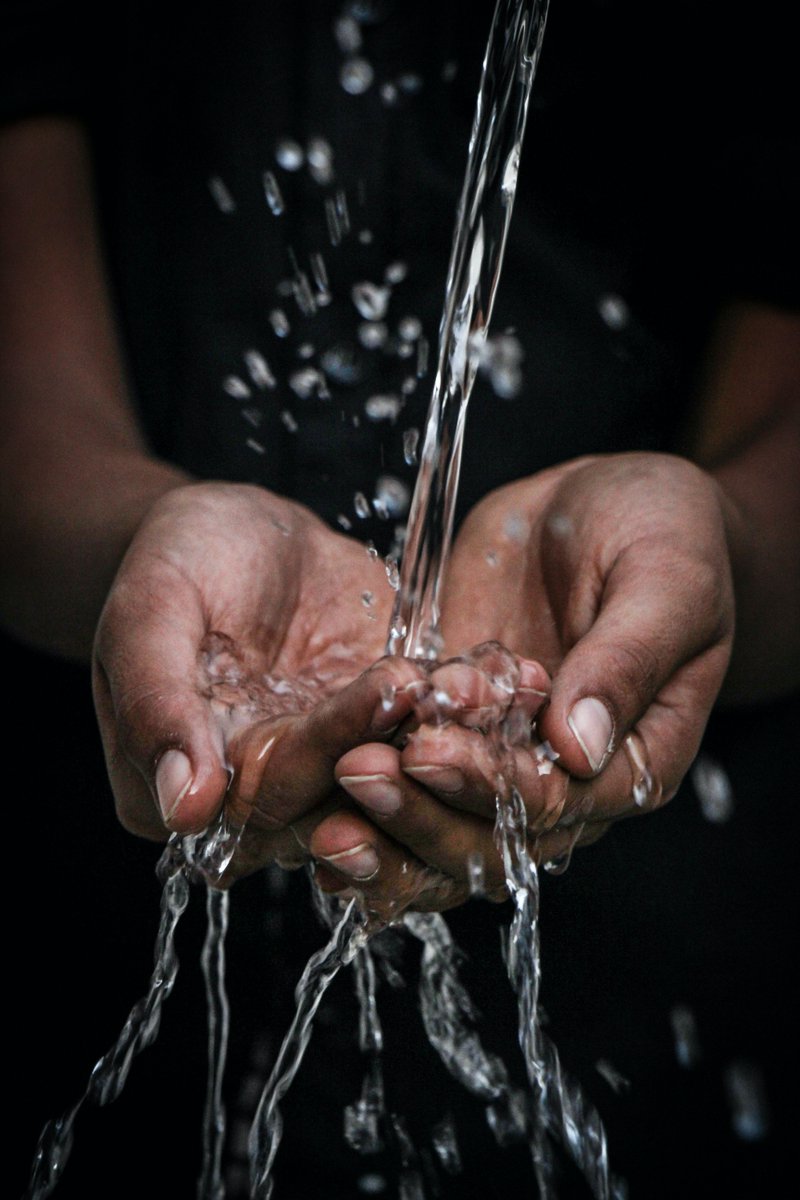
💧 Today is the start of the World Water Week! 💙
Access to water and sanitation has improved in the last decade over the continent of Africa but some countries are still facing challenges. 💧
Explore the data here: https://t.co/nPOe3fOs9o
#WorldWaterWeek
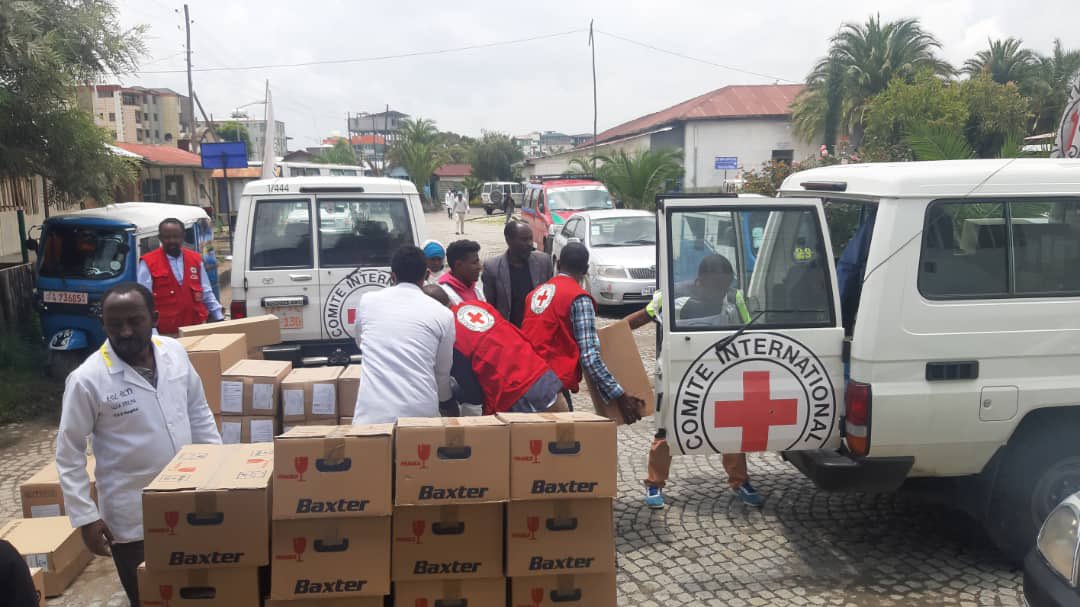
Since fighting broke out in #Amhara, health facilities have run out of supplies.
Today, @ICRC and @EthioRedCross delivered emergency medical supplies to treat the wounded and sick in Debre Berhan Comprehensive Specialized and University of Gondar Teaching and Referral hospitals.
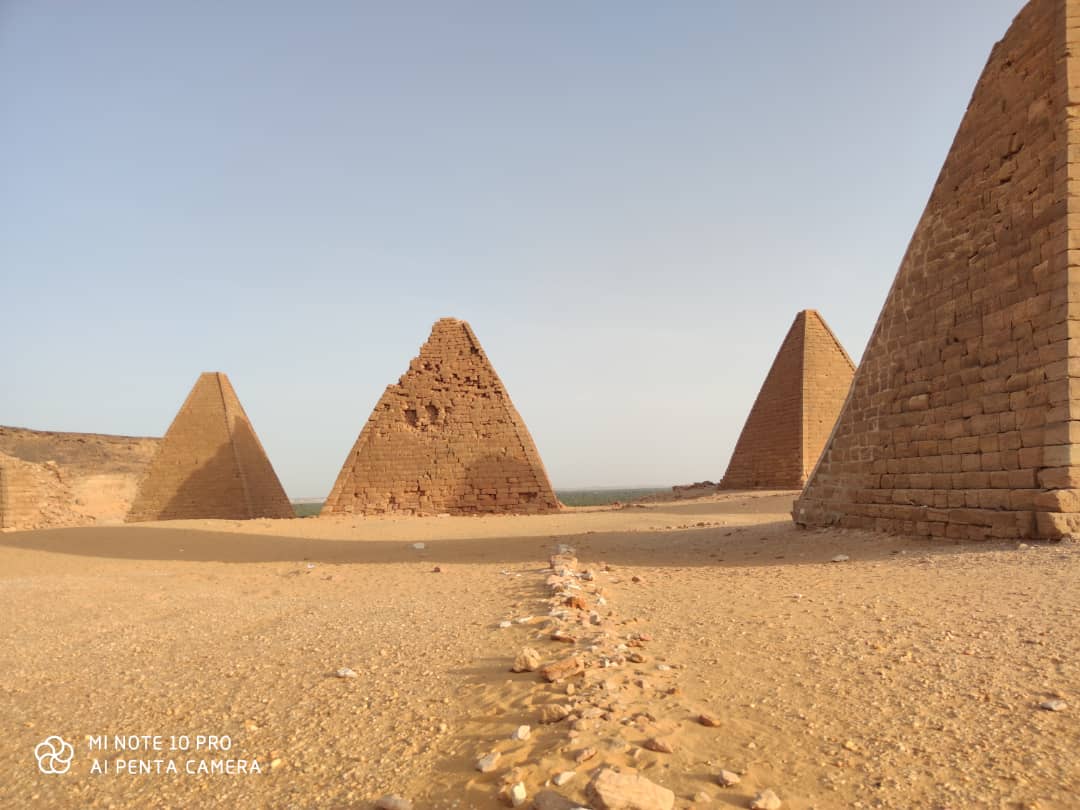
Heritage for Peace launched the Sudan Heritage Protection Initiative @heritage_sudan , in response to the conflict in Sudan in May 2023
Today we publish our first report on the situation of Cultural heritage in Sudan , here you can downlowd it
https://t.co/uwbuU8F6MX
Refugee rights = Human rights
Refugee rights = Human rights
Refugee rights = Human rights
Refugee rights = Human rights
Refugee rights = Human rights
Refugee rights = Human rights
Refugee rights = Human rights
Refugee rights = Human rights
Refugee rights = Human rights
PERIOD.
Most people are going to miss the biggest wealth transfer in history because they don't understand how money works.
Anyone without a plan is going to regret it in 10 years when they're priced out of everything.
18 topics to focus on so you're not left behind:
(THREAD 👇)
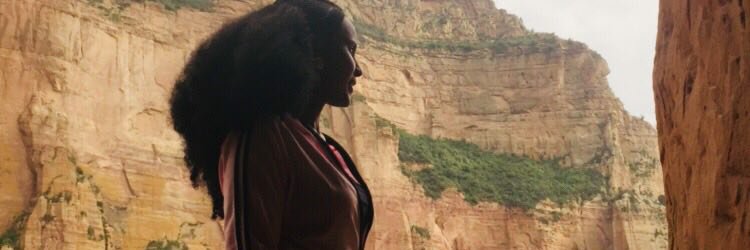
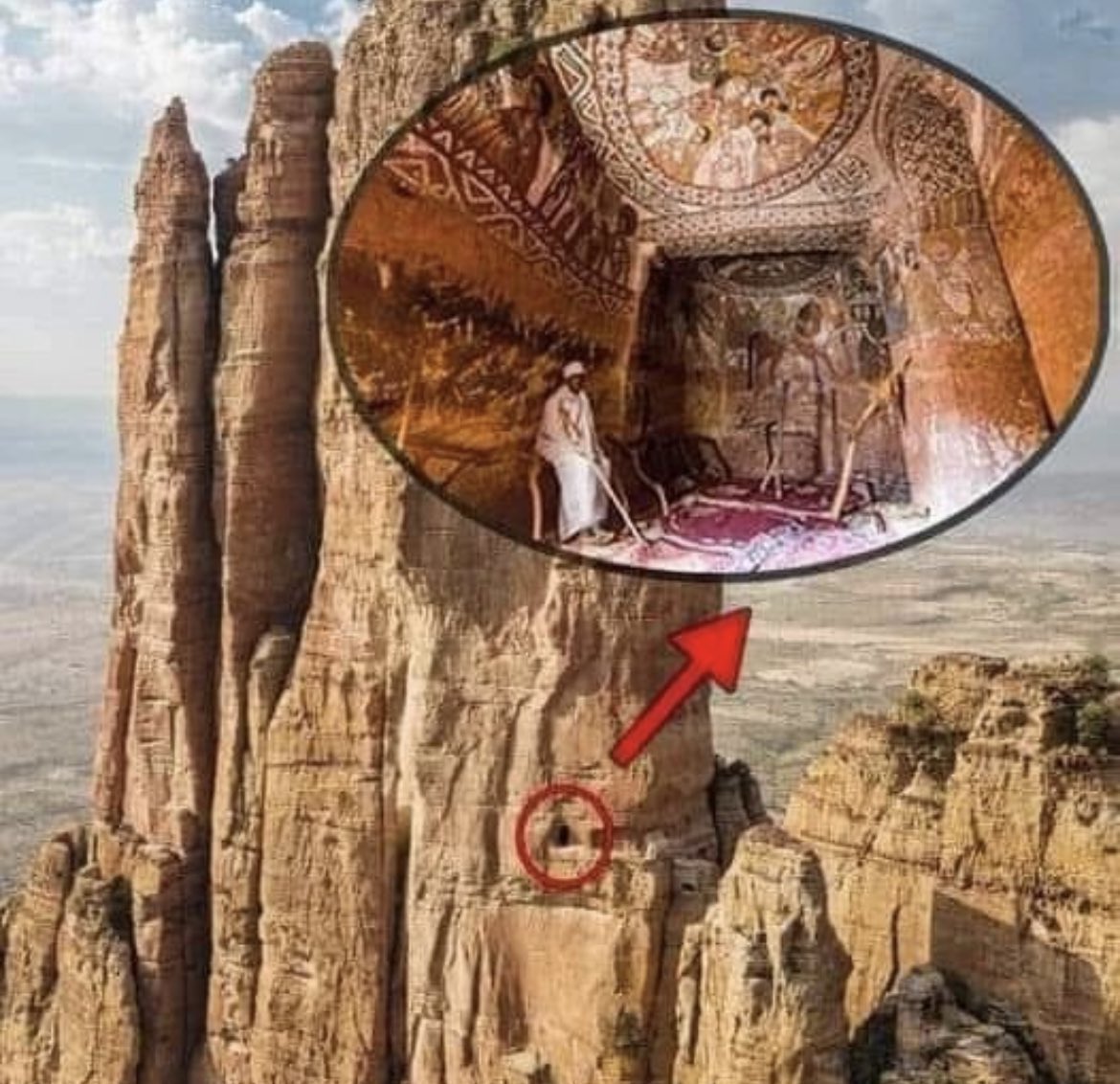
Ethiopia's 'Abuna Yemata Guh' is arguably the most inaccessible place of worship on earth and has to be climbed on foot to reach. Located in the Tigray region of northern Ethiopia, this ancient rock-hewn church stands atop a vertical cliff, perched at an elevation of around 2,580 meters (8,460 feet). It is considered one of the most inaccessible and challenging religious sites to reach in the world.
The construction of rock-hewn churches in Ethiopia has a long history dating back to the 4th century AD, during the time of the Aksumite Empire. These churches were built by carving into solid rock formations, creating impressive architectural masterpieces. The rock-hewn churches served as centers of religious devotion and provided shelter during times of conflict.
Abuna Yemata Guh is believed to have been carved out of the cliff face during the 5th century, making it over 1,500 years old. It is dedicated to Saint Yemata, a legendary Ethiopian saint who is said to have meditated and prayed in this secluded location. The church is named after Abuna (meaning "father" in Amharic) Yemata, who was a prominent Ethiopian religious leader.
What makes Abuna Yemata Guh particularly notable is the challenging ascent required to reach it. Pilgrims and visitors must hike up a steep and narrow footpath, navigating rugged terrain and exposed ledges. The ascent involves scrambling up the cliff face, sometimes using ropes for support. This arduous journey symbolizes a spiritual pilgrimage, testing the devotion and commitment of those seeking solace and connection with their faith.
Despite its remote and inaccessible location, Abuna Yemata Guh has attracted attention in recent years as a testament to Ethiopia's rich cultural heritage and architectural prowess. It is not only a place of worship but also a symbol of the enduring faith and determination of the Ethiopian people.
Furthermore, the Tigray region, where Abuna Yemata Guh is situated, has witnessed significant historical and cultural events throughout the centuries. It has been a center of religious and political power, with various empires and kingdoms rising and falling in the region. Today, Tigray is home to a diverse population, including the Tigrayan people, who have their unique language, culture, and traditions.
In recent years, the Tigray region has faced challenging times due to internal conflicts and humanitarian crises, making access to sites like Abuna Yemata Guh more difficult. Nevertheless, the church continues to be a testament to Ethiopia's rich history and the resilience of its people, reminding us of the enduring power of faith and the importance of preserving cultural heritage.