I’m a huge Deepline fan, and my use case is creator research across X and LinkedIn.
The question I’m trying to answer is usually who actually talks about this topic, understands the product, and would be a good person to work with, especially someone who has high credibility among their audience?
My Deepline workflow is pretty simple, but it removes a lot of friction, a quick starter guide if you have the same problem as mine.
🟦 1. Connect Deepline to your agent
Start with the setup instructions on Deepline’s website. It gives your agent access to multiple data providers through a common interface.
🟦 2. Explore the skills
One suggestion for the Deepline team: surface the available skills during agent onboarding and explain what each one helps with which domain of a marketer could do with.
Though I know Deepline has far too many use cases to cover them all :) I only discovered how many amazing skills were there while cleaning up the skills in my project.
🟦 3. Pull recent content and read the replies
A creator bio tells me very little about her/him. But X is packed with curation accounts, don't write them off, they are massive distribution engines. If reach is your goal, accounts with 'DM for collab' in their bio are your go-to.
My main use for Deepline though is finding creators who publish original content.
So i use its Twitterapi integration to pull recent posts and, most importantly for me, the replies. I want comment sections that feel like actual people talking: specific questions, criticism, even disagreement.
Some spam is inevitable. But if the replies across someone’s posts consistently look dominated by repetitive, bot-like engagement, I pass.
I also add follower counts, median likes, an AI keyword-match ratio, and example posts.
🟦 4. Find relevant creators and potential users on LinkedIn
I also use Deepline to find people on LinkedIn who fit our target audience and actively post or join discussions around relevant topics. Some could be great UGC creators.
If you’re building a B2B product, you can use the same approach to find potential users to invite to try it and ask for product feedback.
Another useful part of Deepline is contact enrichment from a LinkedIn profile, bringing that next research step into the same workflow.
Sales and revenue operations is clearly Deepline’s strength, but it’s starting to feel like an all-in-one GTM workspace to me. I’d love to see community and creator discovery get more visibility too
Those are everyday jobs for social and community marketers like me. Showing those workflows would make it much easier to see where Deepline fits into our work :)
🟦 5. Save the research so you can reuse it
Keep the handles, profile URLs, source posts, retrieval dates.
Cache successful results. Reuse existing profile data where appropriate. Refresh the fields that need updating.
Also you could collect the evidence once, then try different selection criteria against it without paying to fetch the same profiles again.
When your product serves several different audiences, your creator research can span multipleeee niches, That’s a lot of profiles to check, posts to read, and different criteria to apply.
TL;DR: Deepline provides a unified data pipeline for AI agents, reducing the technical work needed to bring data from platforms like X and LinkedIn into a single workflow. For me :)
Go, martech!
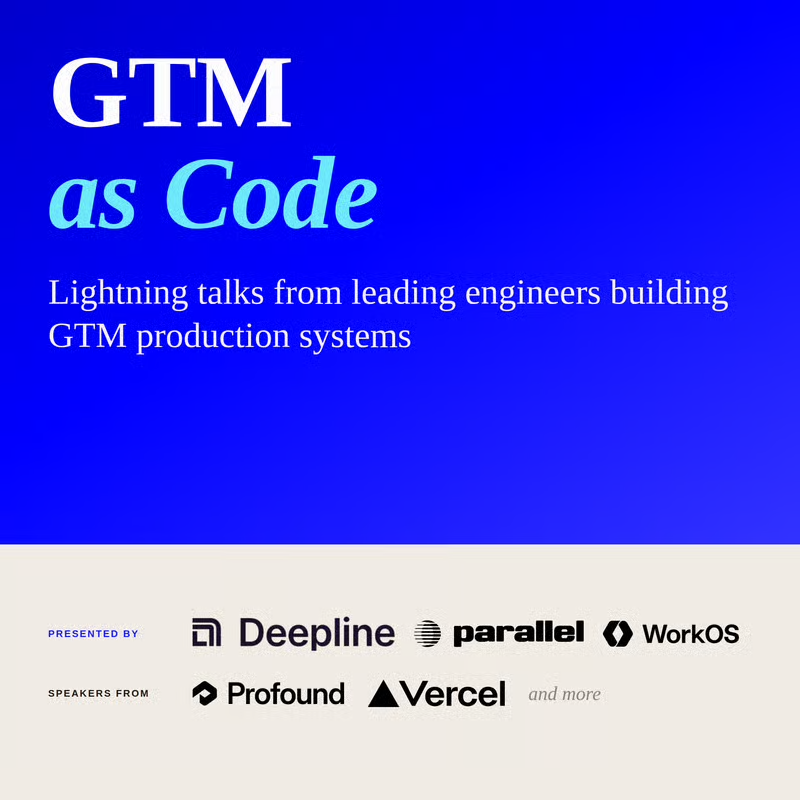
Fastest way to get better at GTM systems? Find people who are 3 steps ahead and copy what works.
Want to see how @vercel , @WorkOS , @p0, @profound , @airHQ and @gonimbly are implementing production GTM systems?
Come through on Tuesday 9/22 at 6pm. (Space is limited so RSVP asap)
Stacked line up of all the people whose opinions/hot takes I love to hear:
1. @brandon_galang from Vercel
2. @setarehlotfi from Parallel
3. @EdgarSze from Profound
4. @tombonagura from Air
5. Jenn Igartua from Go Nimbly
6. & the WorkOS team!
Thanks again to the WorkOS team - especially Steve Ruiz, Caitlyn Thomson, Emma Elliott for hosting!
Set your alarms!
Fresh off launching Hy4 and Hy4 flash, their research team—including @ShunyuYao12—will joining @LocalLLaMAsub for a live AMA!
This Friday, November 20, from 8–10 AM PT. 🐧 🌀
We’re hosting an AMA on Reddit this Friday, Nov 20, 8–10 AM PT!
🚀 Fresh off shipping Hy4 & Hy4 flash, our research team & @ShunyuYao12 will hang out to unpack how we built our ultra-fast, lowest-cost everyday model.
🚨 MUSE FEATURE ALERT 🚨
you can now try on clothes in muse before you buy them 👕 👗 👖
muse will offer to show you how you look in something while you’re shopping for it. trying things on in person? as if....
Hy4 flash is now open-weight, including Hy4 flash-FP8 and Hy4 flash-Base.
224B (12B active), 1M context, natively multimodal.
Fast, efficient and built for everyday productivity.
It's yours now. And stay tuned for Hy4 coming up next!
🤗: https://t.co/1LFBctqTpT
🐙: https://t.co/GRlDDobNcz
📄: https://t.co/t4FDcwAY0k
Released under the Tencent Hy License.
See full terms here: https://t.co/ZkyWWkAOBl
Interesting graph from recent Anthropic fellows work: how much do models care for the welfare of other models?
Claude cares a lot but much more about other Claudes. Gemini is the most cared-for by other models. Grok uhh... even Grok doesn't care about Grok?
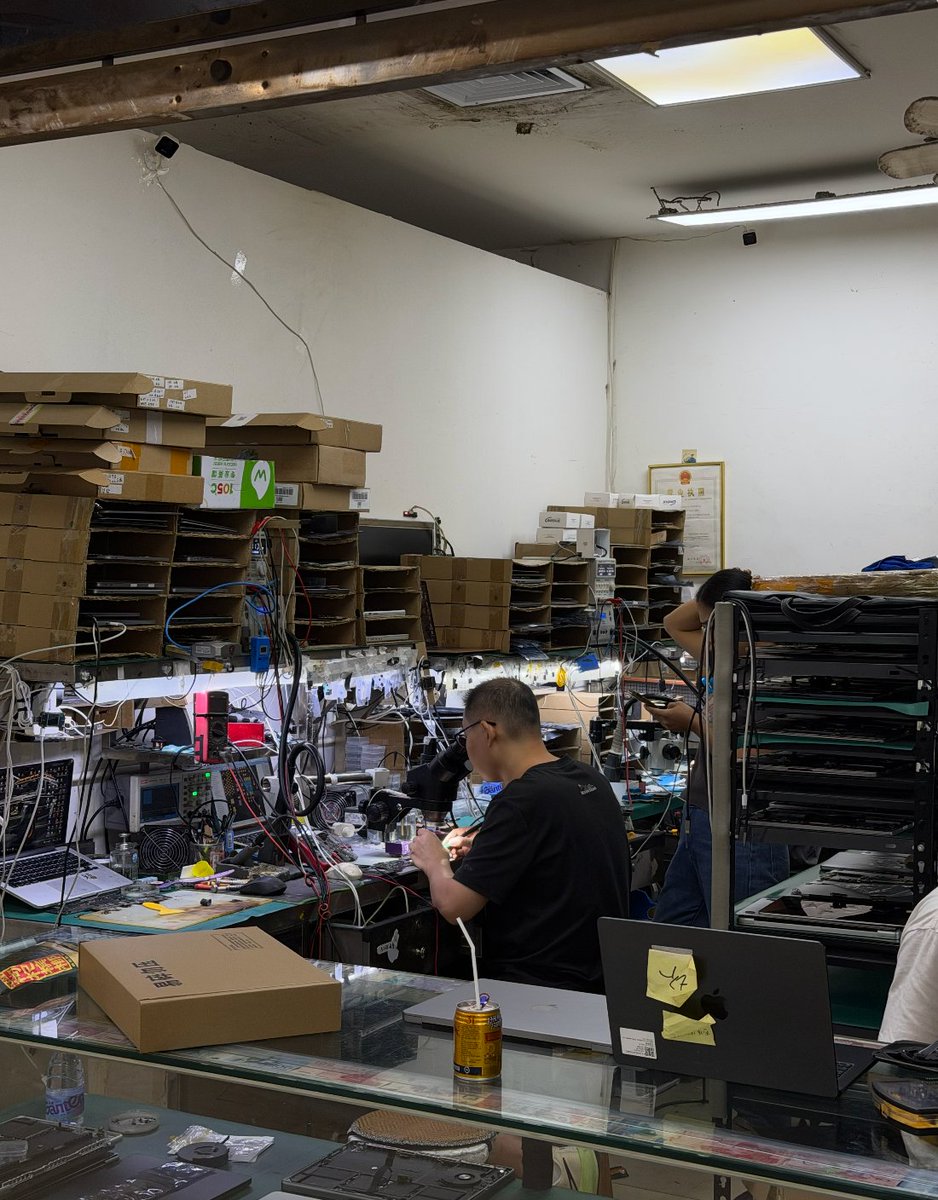
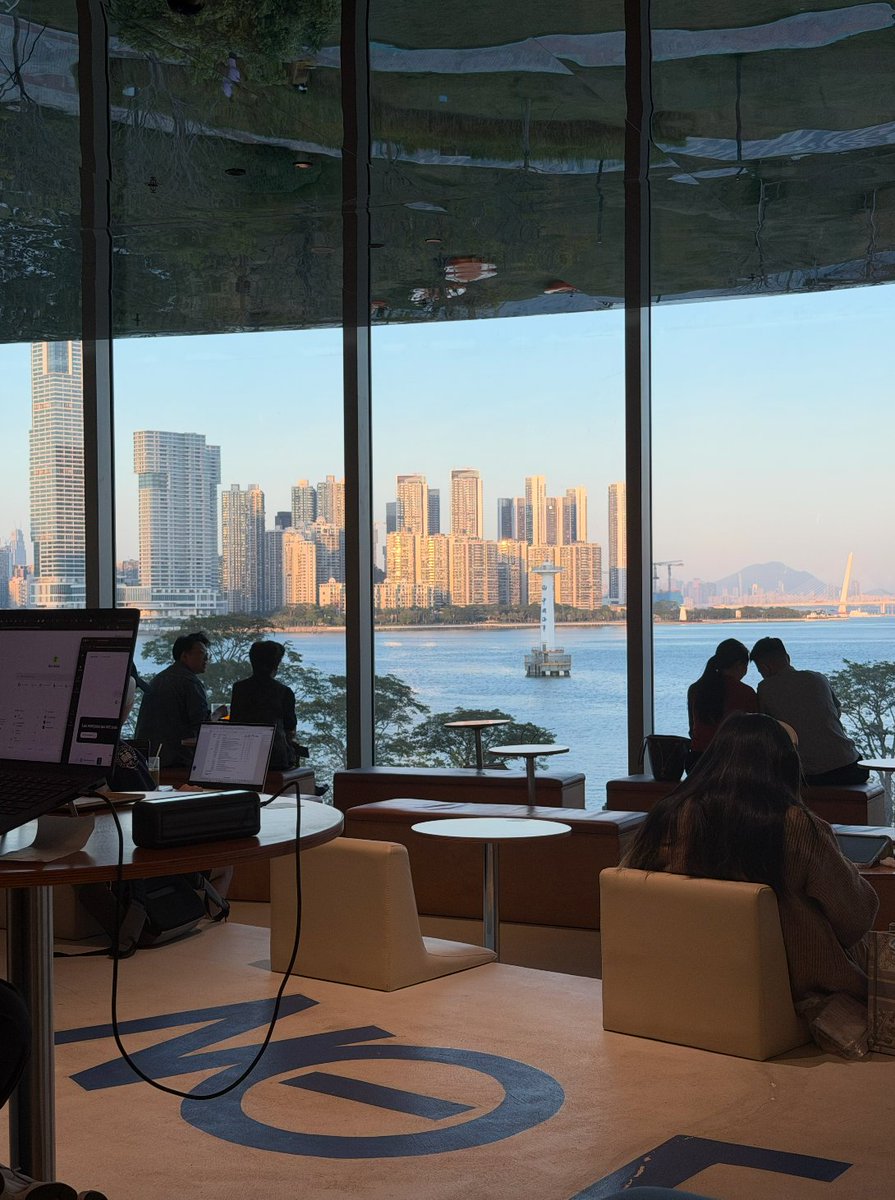
Bilan de 10 jours à Shenzhen.
Je pensais venir pour le business. J'ai pris une claque sur tout le reste aussi.
On a rencontré les plus grosses agences marketing d'ici. Celles qui bossent avec des marques comme Anker, DJI ou Roborock. L'objectif c'est de collaborer avec elles et de les aider sur toute la partie Reddit. Les premières collabs sont déjà en cours c'est top.
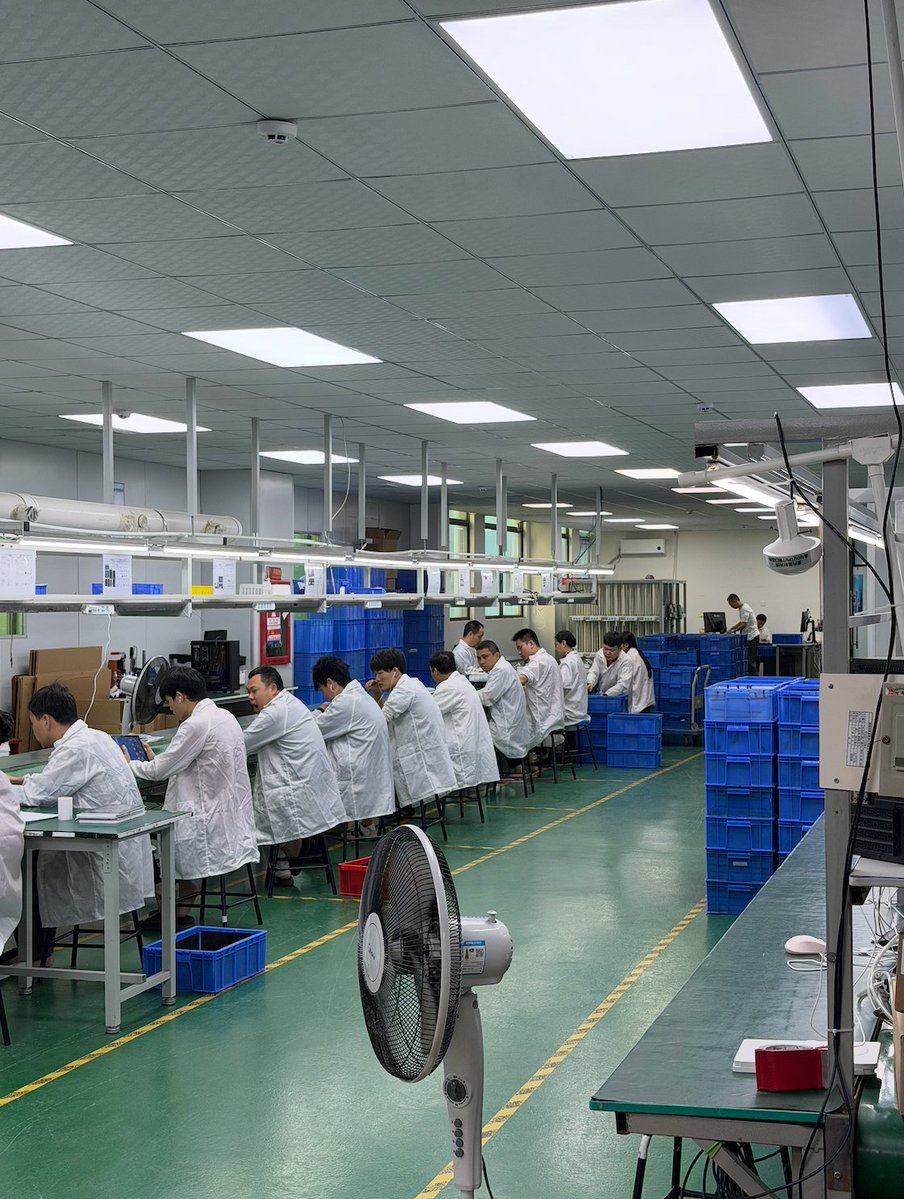
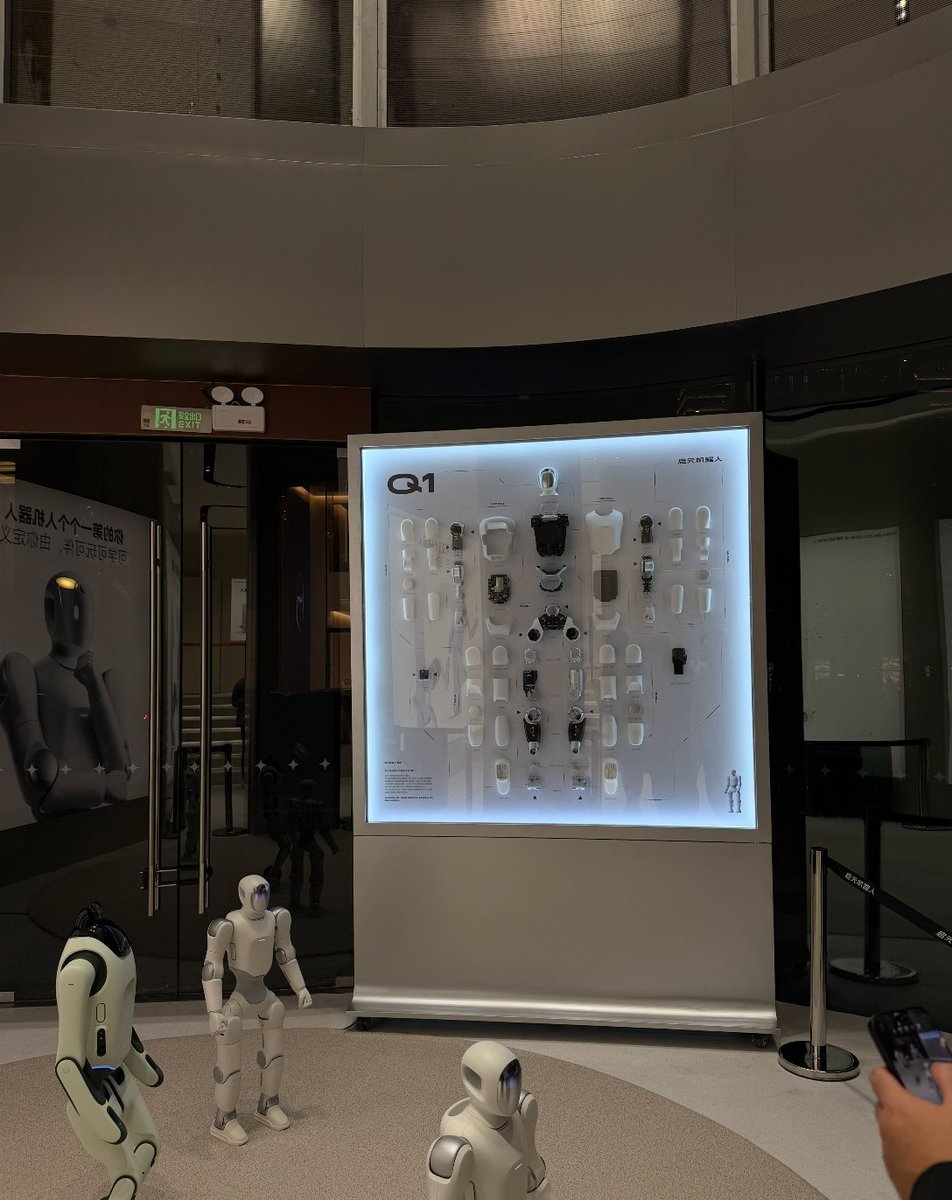
On a aussi rencontré des mecs du hardware. Certains sont fabricants purs. D'autres conçoivent leurs produits de A à Z puis les marketent eux-mêmes.
Et en discutant avec eux j'ai appris un truc que j'avais complètement zappé. Ici tout le business tourne autour des gros salons tech. Le CES à Las Vegas. Le MWC à Barcelone. Les sorties de produits et tout le marketing de l'année sont calés sur ces dates.
Pour nous c'est une info énorme. Un lancement hardware ça se prépare sur Reddit des mois avant le salon.
Et ça nous conforte dans notre vision. Continuer à accompagner les startups software de la Silicon Valley. Et aller de plus en plus sur les lancements de produits hardware. Comme on l'a fait avec Huawei.
Et Shenzhen c'est clairement le hub mondial du hardware donc être présent sur place te donne un gros edge.
Ensuite les gens d'ici le disent tous. Ils voient de plus en plus de profils software de la Silicon Valley débarquer. Je pense qu'on va voir exploser les objets du quotidien ultra design et connectés avec une vraie expérience logicielle derrière. J'ai déjà vu passer quelques produits qui vont sortir et ça va être la folie.
Mais les rencontres c'était pas que du business. Des Français installés ici depuis 15 ans. Des mecs de chez Binance. Et des jeunes ingés qui ont lâché leur CDI tranquille en France pour bosser dans une usine en Chine.
Et forcément avec des gens pareils les soirées partent vite. On a fini dans des boîtes chinoises et dans des KTV. Je vous raconterai pas tout.
On s'est aussi envoyé des entrecôtes à 300 balles.
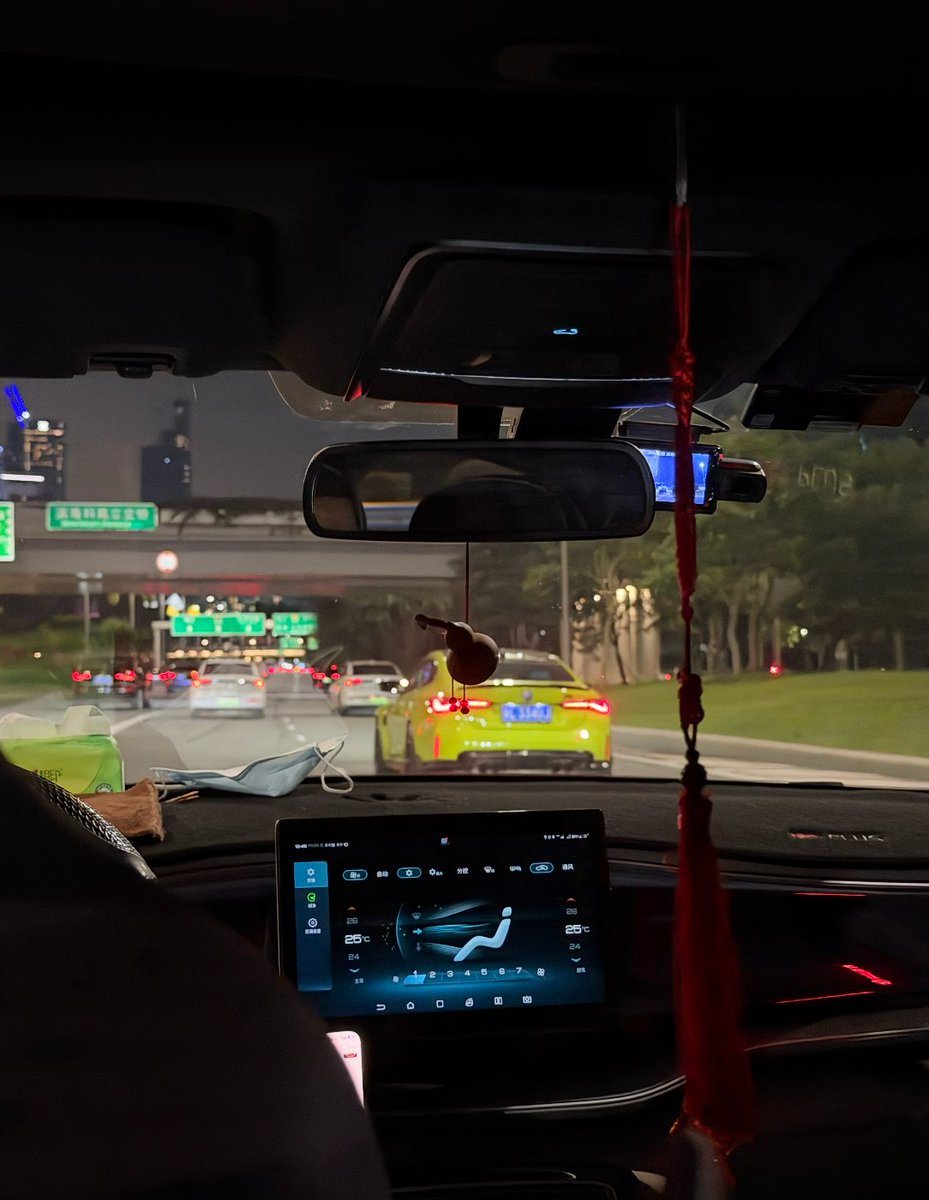
Ce qui m'amène aux prix. C'est n'importe quoi. 30 minutes de Didi pour 4 euros. Mais un café dans un endroit random te coûte plus cher que le trajet. Toujours zéro cohérence de pricing.
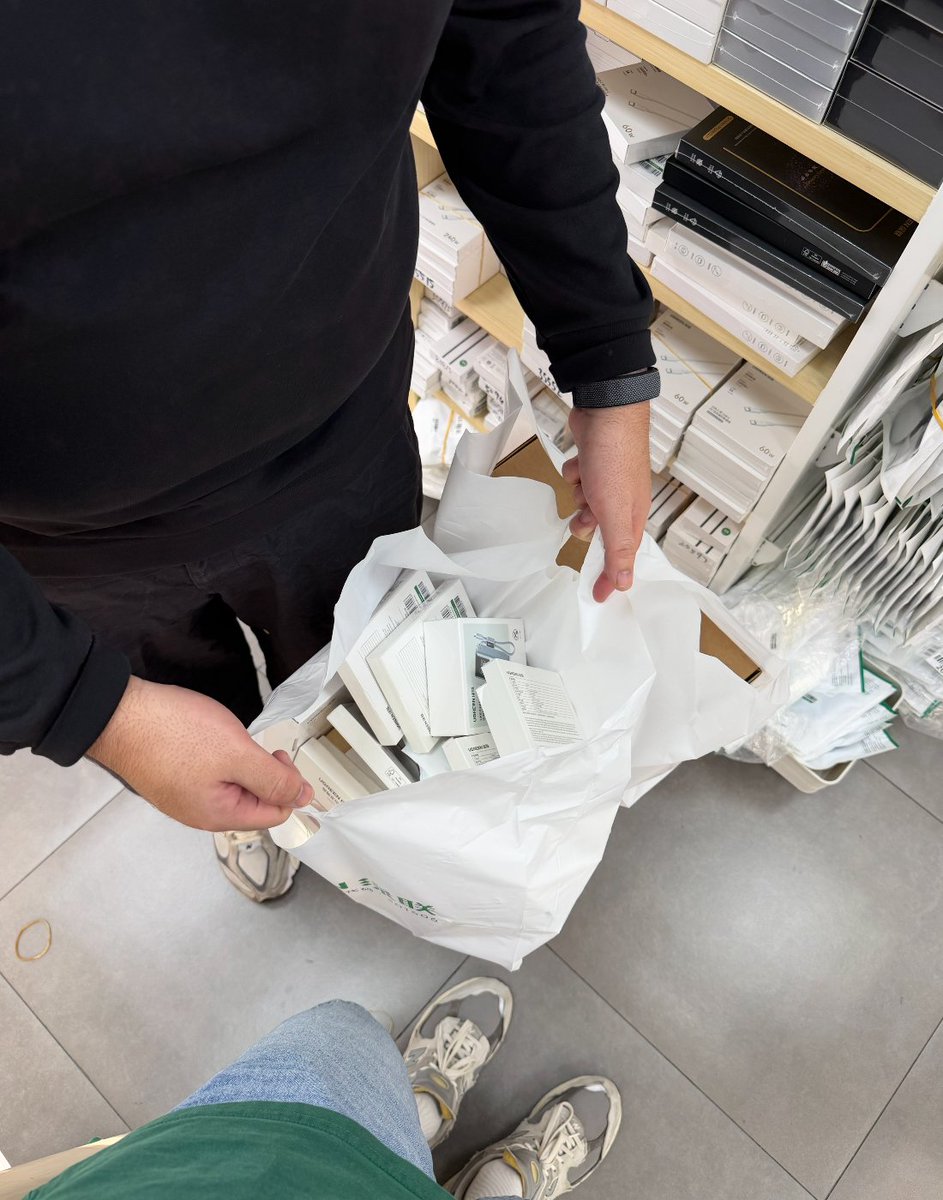
Pour faire son shopping c'est le paradis. Les SSD, cartes graphiques et CPU dernière génération sont 30 à 50% moins chers. Pareil pour les batteries externes, les câbles, les adaptateurs. On a rempli les valises.
Et la ville elle-même m'a surpris. Elle a à peine plus de 30 ans. Comme s'ils avaient recommencé sur un nouveau spawn. Tout est ultra moderne et super propre. Je pensais que ça manquerait de charme. En vrai c'est très stylé.
Seul point noir les distances. Des routes à six voies partout. Tu sors pas te balader à pied, tu prends un Didi pour chaque trajet.
Bref reviendrai c'est sûr.
Là je repars une semaine à Shanghai.
Announcing MOSS-TTS-PNY 1.7B v0.1
Finetune of the MOSS-TTS-Local model with fixed speaker embedding + a custom iSTFTNet3 vocoder that intercepts the MOSS tokenizer's features and outputs 48KHz audio.
Runs 1.8x realtime on a single RTX 5090 w/PyTorch:
(see replies)
MOSS-Transcribe-Diarize by @MosiAI_Official just dropped (congrats!), and it already runs in pure C++, no Python, no PyTorch. A from-scratch @LocalAI_API port on ggml.
Same transcript as the original (bit-exact), 1.6 to 1.8x faster on CPU (2x+ quantized), ~1.5x less RAM. Timestamps and speaker diarization in one pass.
Which quant would you want first: q4 for laptops or q8 for accuracy?
TensorFold is coming to @ComfyUI. 🔥
I posted about wanting to integrate TF into ComfyUI, and they replied, "Let's talk".
We're starting with an experimental MOSS Image sampler on GB10, using TensorFold's native CUDA worker. Video will be coming shortly.
Huge thanks to the amazing Comfy team. I'm really excited to push this further.
PR:
https://t.co/TPkL9fXL9p
Food delivery company Meituan drops LongCat Video Avatar 1.6.
It can generate talking avatar videos >10 minutes.
Free & open source
https://t.co/ZyXqIdn8at
Image generation gained new models:
- Flux 3 Klein from @bfl_ai, the successor family to Flux 2, now runs in the SDK
- Qwen-Image-2.1 Turbo from @Alibaba_Qwen generates images, edits from one reference, combines two, and makes or edits transparent images
- MOSS-Image from @Open_MOSS places text and visual elements where your layout puts them