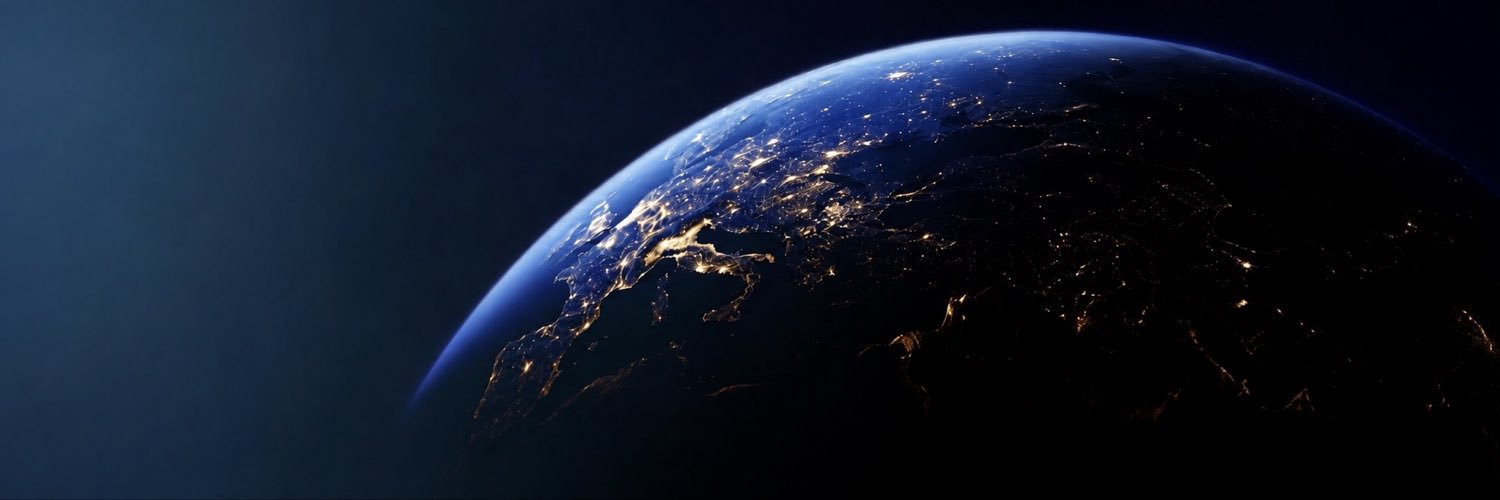
🌍 23 de agosto de 1966: la Tierra vista desde la Luna por primera vez
Hace 60 años, la sonda Lunar Orbiter 1 de la NASA captó una imagen que transformó nuestra perspectiva: la primera fotografía de la Tierra tomada desde las proximidades de la Luna.
#luna#tierra#nasa#foto
🔥🛰️ El Hellenic Fire System ya ha obtenido su primera imagen. Este hito acerca a Grecia a contar con un sistema espacial para detectar y seguir incendios forestales con mayor rapidez y eficacia. 🇬🇷🌍👇
ESA - Hellenic Fire System achieves first light https://t.co/p6vDHu82ef
There is a lot going on right now on the @Space_Station, but fortunately we are all safe and witnessed a spectacular southern aurora show yesterday thanks to a recent solar event.
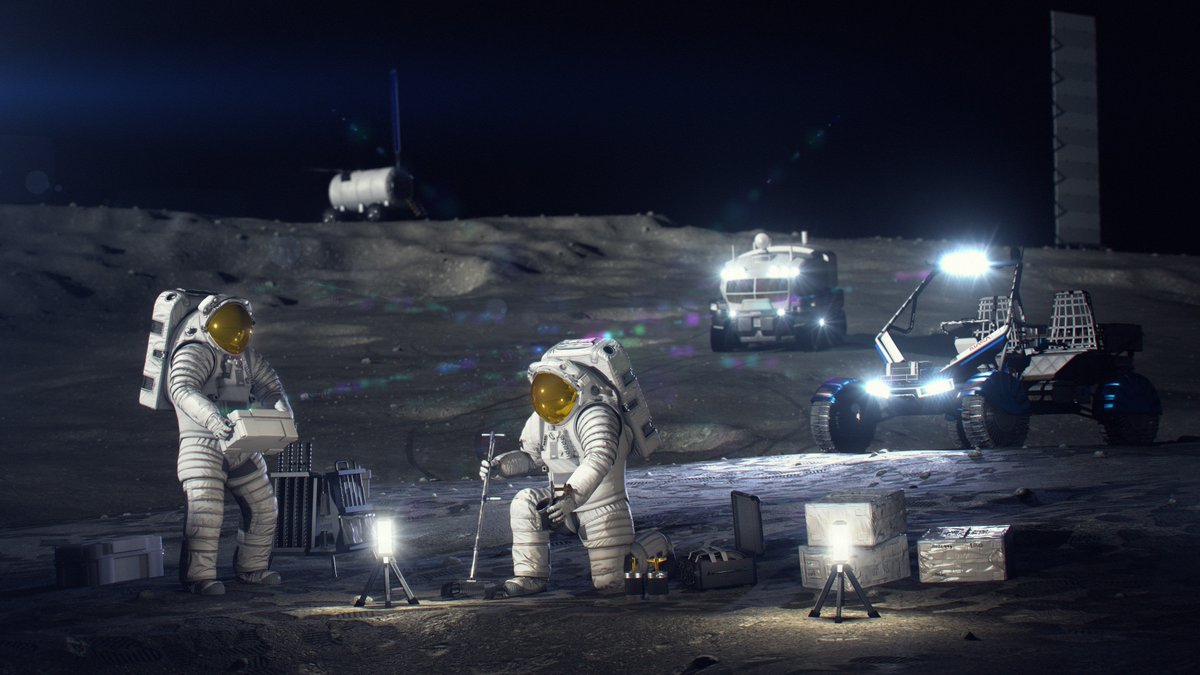
We're building a Moon Base!
@NASAMoonBase will serve as a habitat where astronauts live and work during long-term science missions.
Join us at 2pm ET on Tuesday, May 26, for a live news event where we’ll share updates on our lunar exploration plans: https://t.co/IJXA7xYwju
¿Qué busca descubrir Smile?
Esta innovadora misión observará la magnetosfera de la Tierra en rayos X, al tiempo que captará las auroras boreales en ultravioleta, ofreciendo una forma completamente nueva de ver cómo nuestro planeta se protege de las tormentas solares.
Hubble’s photo is false color, here’s a true color photo of the nebula I captured with an 8” telescope. Hubble’s photo is focused on the region in the lower portion of the pink area.
NASA has given approval to begin implementing its project to support @ESA's Rosalind Franklin mission. Scheduled to launch in 2028, this Mars rover will be the first to search for signs of past or present life under the Red Planet’s surface. https://t.co/Q7w0Lmvtnf
Pedro García Aguado te invita a un evento muy especial de Talentos Invisibles 🤍
📅 14 mayo | 🕡 18:30h
📍 Teatro Carmen Tur (La Vall d’Uixó)
Un espacio para dar voz, entender y acompañar a niños, adolescentes y familias.
Si te toca de cerca, te esperamos 🫶
#TDAH#Dislexia
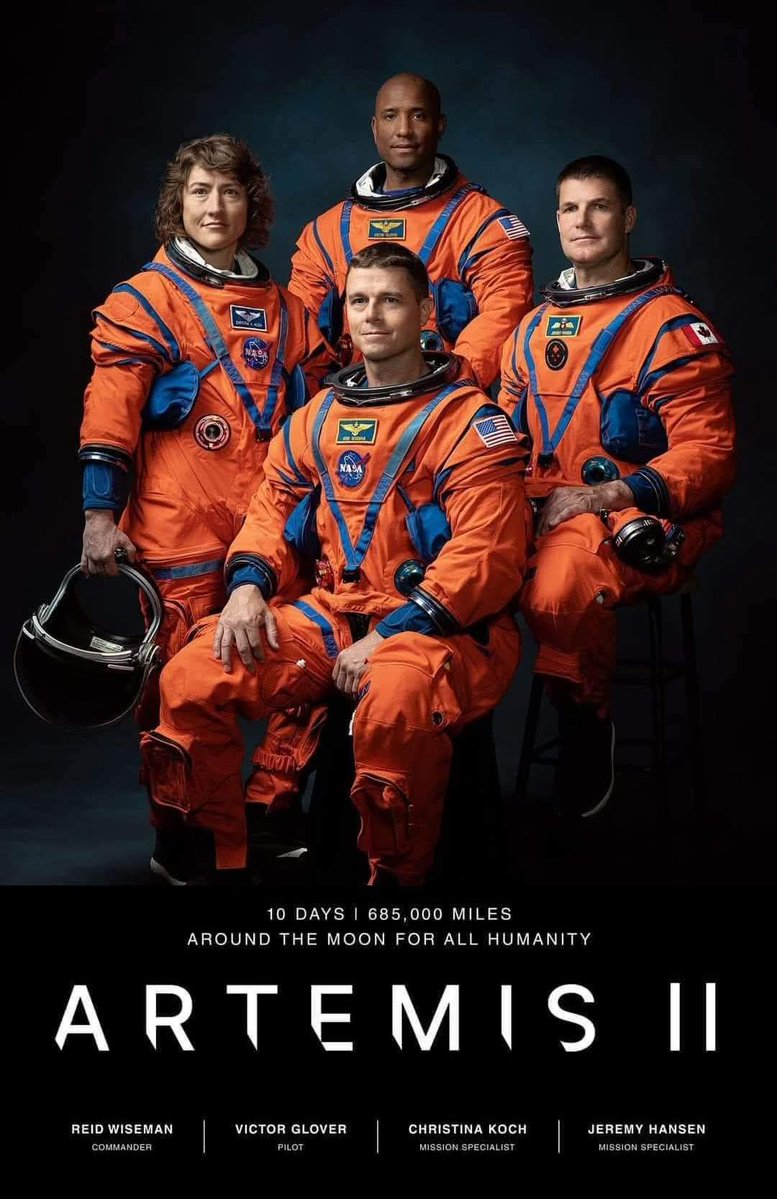
The astronauts. Their ride around the Moon.
The Artemis II astronauts pose for a group photo after viewing their Orion spacecraft — which they named Integrity — in the well deck of USS John P. Murtha following their splashdown.
🎉 #Artemis II update: Integrity is back on Earth! At 01:07 BST/02:07 CEST, Orion and its crew splashed down safely in the Pacific Ocean.
🚀 Our European Service Module propelled Orion over 1 million km through deep space, before burning up in Earth's atmosphere, its job complete 🔥
https://t.co/yZ3XNBHBPt
In just a few days, we'll be sending humans on a flight around the Moon. Have you watched our documentary series on the mission?
Watch Moonbound before Artemis II lifts off: https://t.co/ZR60WWIumd
🚀 #WatchLive tomorrow for our first Celeste launch!
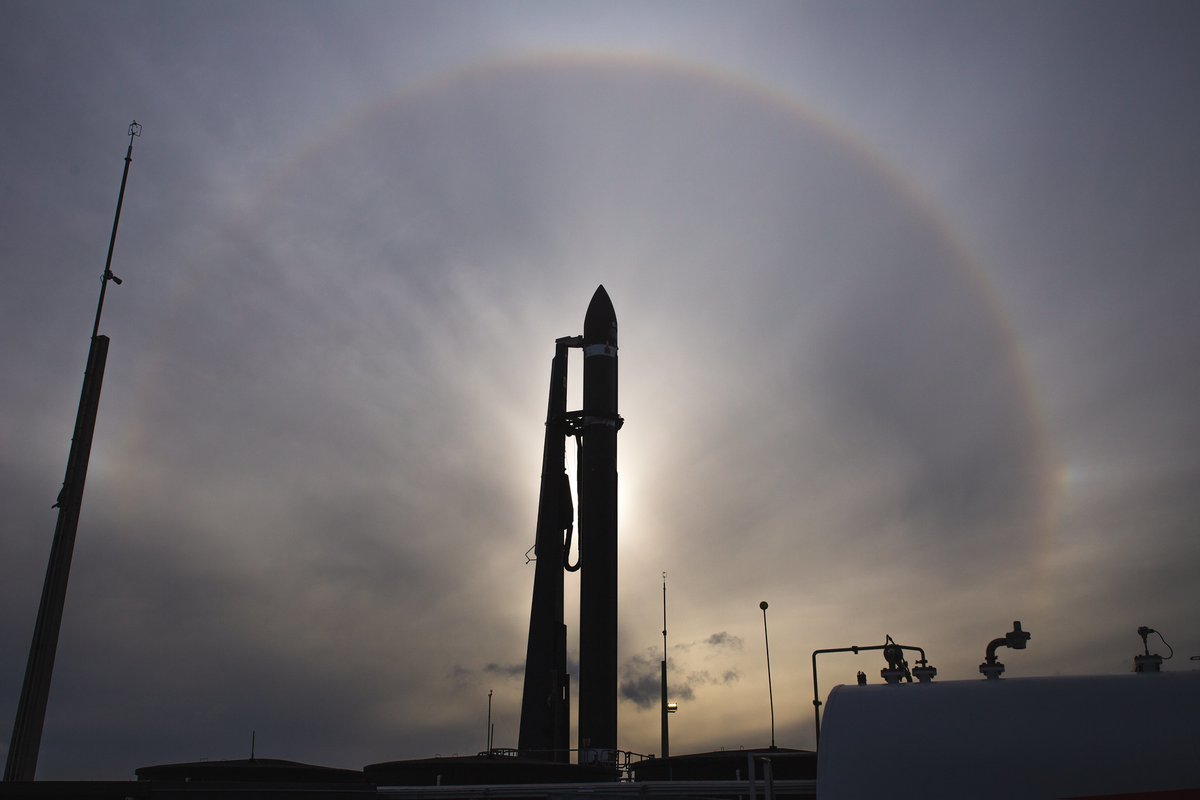
The next launch attempt for @RocketLab’s Electron rocket is 28 March at 9:14:GMT/10:14CET.
More details here 👉https://t.co/7h1Wj76jbC
📸 RocketLab
@atrapamillon El diamante es carbono (sp³) y el grafito también (sp²), por eso es convertible directamente. El polvo lunar no lo es (es una mezcla de silicatos y óxidos), pero en teoría sí podría servir si se extrae o añade carbono y se procesa (HPHT/CVD). Es decir: no directo, pero posible.
🚀 𝗗𝗲 𝗔𝗽𝗼𝗹𝗼 𝗮 𝗔𝗿𝘁𝗲𝗺𝗶𝘀: 𝗱𝗲 𝗹𝗹𝗲𝗴𝗮𝗿 𝗮 𝗹𝗮 𝗟𝘂𝗻𝗮… 𝗮 𝗾𝘂𝗲𝗱𝗮𝗿𝘀𝗲 🌕
La exploración lunar ha cambiado para siempre. Ahora, es quedarse, desarrollar tecnología y preparar el salto a Marte.
https://t.co/x3RhU1cUk9
#nasa#esa#luna#marte#espacio
#MediaInvitation: journalists are invited to join a one‑off opportunity to see three ESA-built satellites in their final preparations before liftoff, at @Thales_Alenia_S, Cannes, on 16 April 2026.
Register by 31 March 👉 https://t.co/QELwOSSAeq