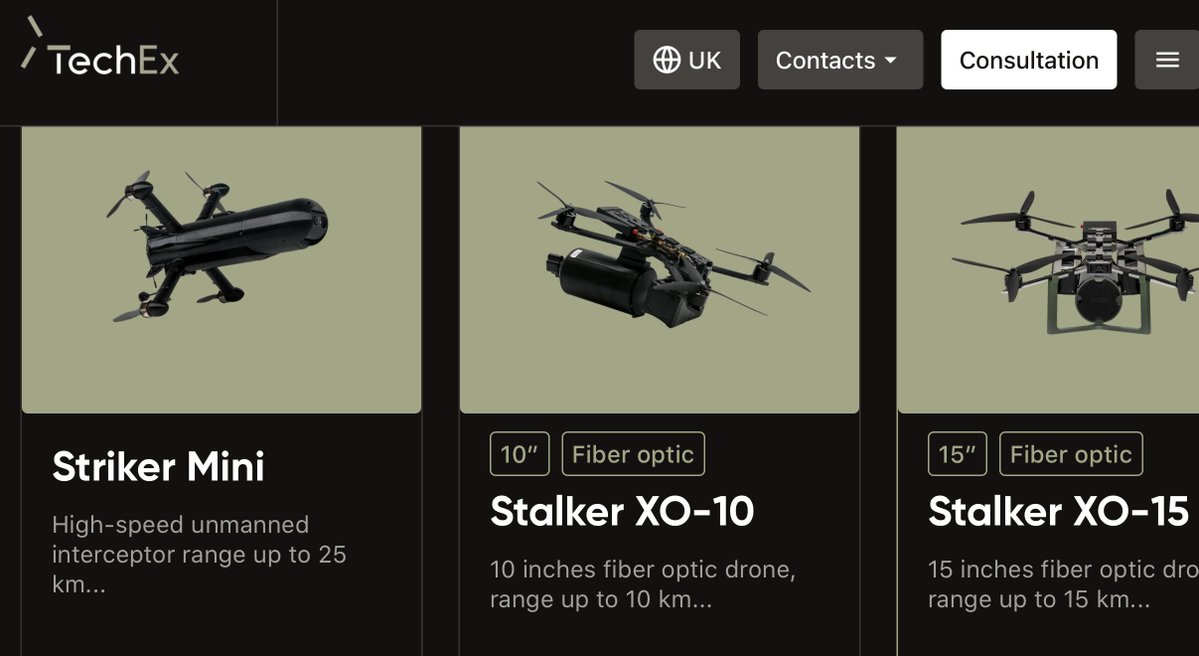
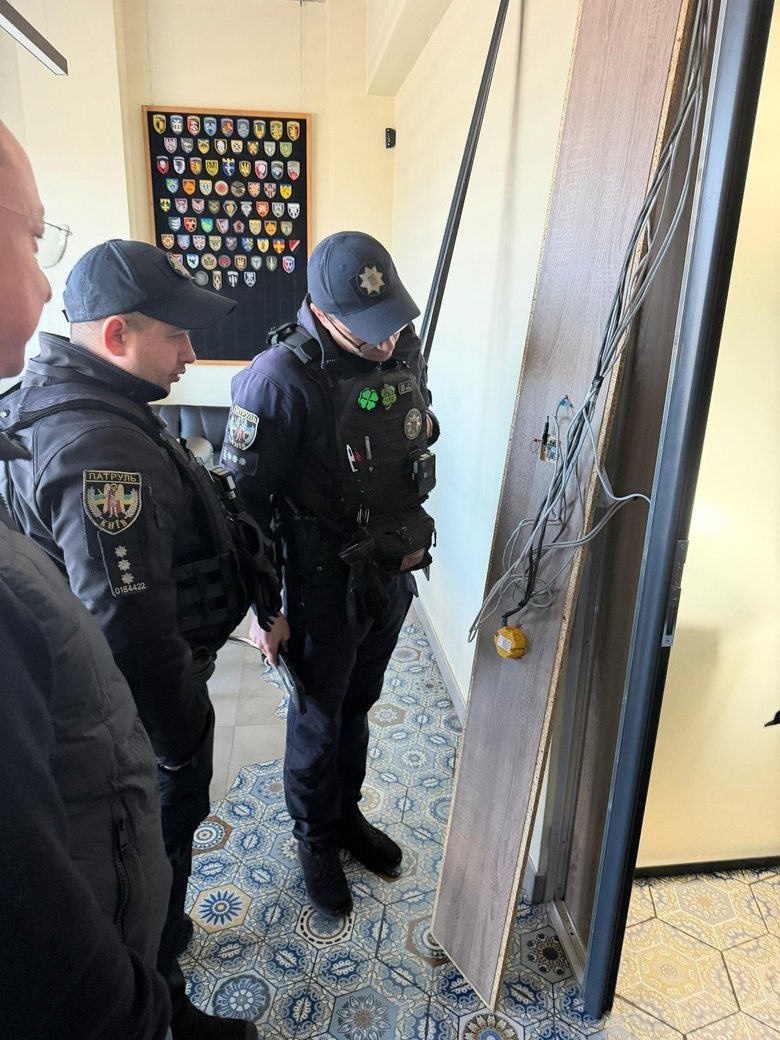
Russia hid spy hardware in the walls of TechEx, an Ukraine defense company that builds drones.
They don’t really explain what it is beyond “wire tap”, so let’s do a quick analysis on the hardware to configure out what it does!
🧵1
If I told you there was a digital forensics and IR platform that gives security teams deep visibility into Windows, macOS, and Linux endpoints, would you believe me?
What if I said it’s open source, lightweight, scalable, and designed for flexible investigations?
Welcome to Velociraptor 101!
Download Rapid7's Velociraptor DFIR - https://t.co/1GPHxHwxPe
Velociraptor 101:
Rapid Windows Endpoint Investigations with Velociraptor & KAPE - https://t.co/PAzqnHANqD
AASLR: Playing with Velociraptor! - https://t.co/q6d92bgDpM
there is a game called "data center" on steam which let's you build and manage your own data center.
this is lowkey genius, the best way to educate people on a new trait. hyperscalers should learn a thing or two from "edutainment".
Added a new gui to btrpa-scan, sonar effect. Will track and pinpoint based on distance as well as utilize GPS data if you have it.
https://t.co/sIMYqWKPj0
THIS IS NOT A DRILL: The Dutch authorities, without a warrant, just seized one of our VPN servers saying they'll give it back after they "fully analyze it".
Windscribe uses RAM disk servers so the only thing the authorities will find is a stock Ubuntu install. The bigger worry is the unredacted Epstein files we had on there...
🚨 It’s back! 🚨
The INFOSEC SURVIVAL GUIDE has returned!
Read our FREE Orange Book: Incident Response below or at the link here -- https://t.co/tjjri1e2MY
In the United States?
Get a physical copy shipped to you for FREE -- https://t.co/wDtQkFOIZC
If you loved our Yellow and Green book or it's your first time hearing about our survival guides — now’s your chance. If you didn’t… you already know why this one’s worth grabbing. 🟧💥
I bet that you also have knowledge fomo.
With the risk of sounding old, if you learned something in tech a few years ago, like the MCSE, early OSCP and similar certs / areas of expertise, it ment something,
and you could coast on that knowledge for a good while before the next version of ex, windows got released.
Today, Things move so fast that knowledge almost feels ephemeral, new tech / tools /solutions drops all the time, things you learn has a way shorter shelf life, heck you don’t event need to know the flags to run the cli commands, the llm will do that for you so your bash skills don’t even matter anymore. And you FEEL it! if you miss the train, you are out. Obsolete, you are legacy!
So I bet more or less all of us have some kind of imposter syndrome and tries to fake it until we make it. Builders know it, investors know it, breakers know it.
And the ones that say they ”know” most likely don’t know ”everything, especially not the latest thing, so they wing it too, we all do,
so play along, do what you can, remember to take breaks, exercise, hydrate, eat well, take care of yourself, then look what every else is doing, mimik, experiment, take the shortcut, break the chain, and solve the problems one at the time, learn as you go and enjoy the ride.
We are in this together.
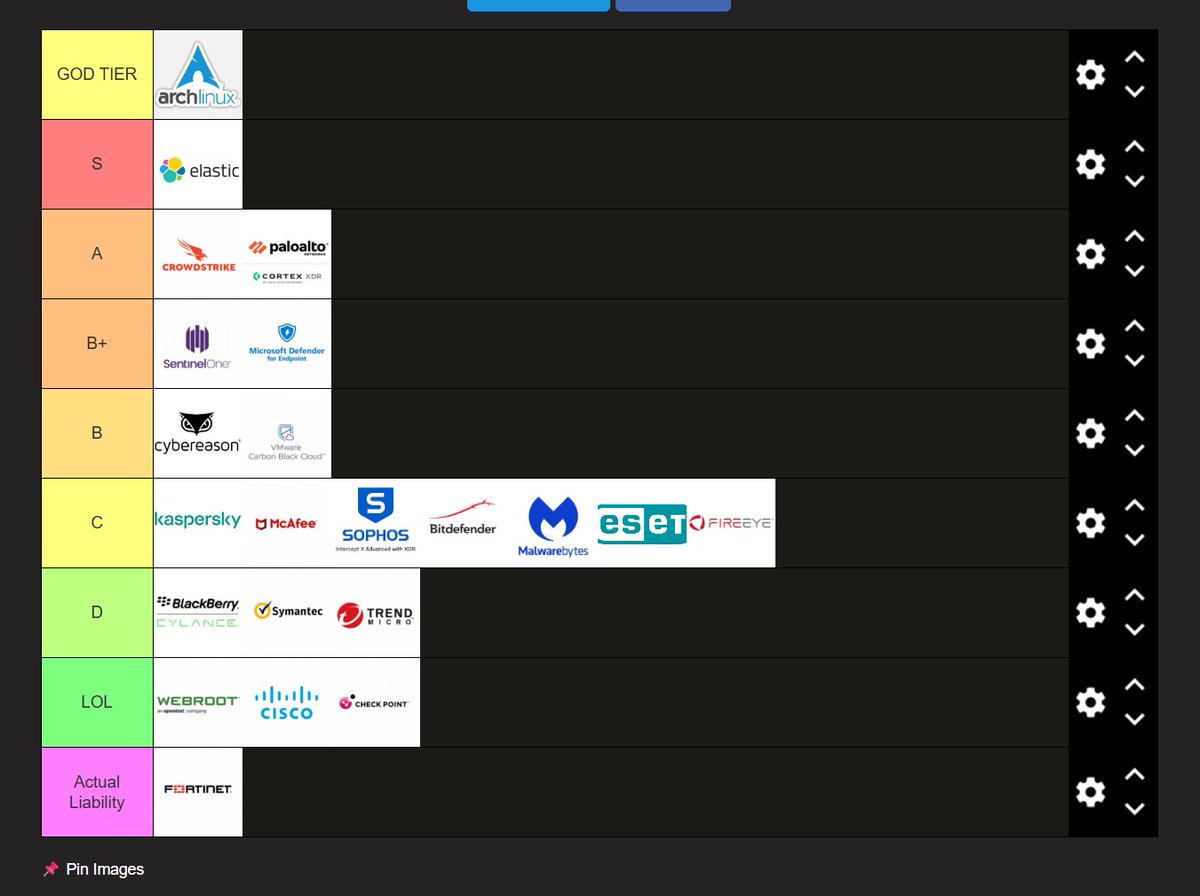
**OFFICIAL** EDR Tier List for 2026! Based on nothing but the people in chat, vibes, guests, opinions and limited experience. Thanks to @EmericNasi@ShitSecure@_JohnHammond and @domchell for jumping in a guests to help me out this time around!
Case File: Evgeniy Bogachev (Slavik) & GameOver Zeus
For nearly a decade, Slavik was the phantom of the banking world. He wrote Zeus, the most successful banking trojan in history. It stole credit cards and even drained millions from bank accounts.
When security companies began catching Zeus, Slavik evolved it into GameOver Zeus (GOZ).
Unlike traditional botnets that rely on a central server (which police can seize), GOZ used a peer-to-peer (P2P) structure. Every infected computer communicated directly with others, with no single point of failure.
It made him immensely rich, stealing over $100 million while deploying CryptoLocker ransomware for extra income. He became the most wanted cybercriminal, yet no one knew his identity not until he got careless with admin access.
The P2P network was decentralized, but Slavik still needed proxies to issue commands safely. In 2013, Dutch security firm Fox-IT gained forensic access to one of those proxies. Amid encrypted logs, they found a backup file containing a personal email address.
Investigators traced the email via open-source intelligence to a Russian social media profile belonging to Evgeniy Mikhailovich Bogachev, living in the Black Sea resort town of Anapa.
His photos showed a lavish lifestyle: luxury cars, a private yacht, and a pet Bengal cat. He posed confidently in sunglasses, like a man who owned the world. Login timestamps matched his social media activity.
In 2014, the FBI and international partners launched Operation Tovar. They disrupted the P2P infrastructure, poisoning the botnet and freeing millions of computers.
Bogachev was also placed on the FBI's Cyber Most Wanted list with a $3 million reward the highest ever offered for a cybercriminal at the time.
Where Is He Now?
Evgeniy Bogachev has never been arrested. He is still believed to be living in Anapa, Russia, a resort town on the Black Sea. He is a named fugitive of the FBI, but Russia does not extradite its citizens. The $3 million reward remains unclaimed.
Also when intelligence agencies analyzed the GameOver Zeus botnet they found that the malware wasn't just looking for credit card numbers. On computers belonging to foreign government agencies (in Turkey, Georgia, and Ukraine), the botnet was searching for keywords like Top Secret and Department of Defense.
Bogachev is allowed to steal money from Western banks. In exchange, he gives the Russian intelligence services (FSB/GRU) access to the espionage data he collects.
No new developments, arrests, or public sightings appear in early 2026 his case remains a good example of jurisdictional challenges in cybercrime enforcement.