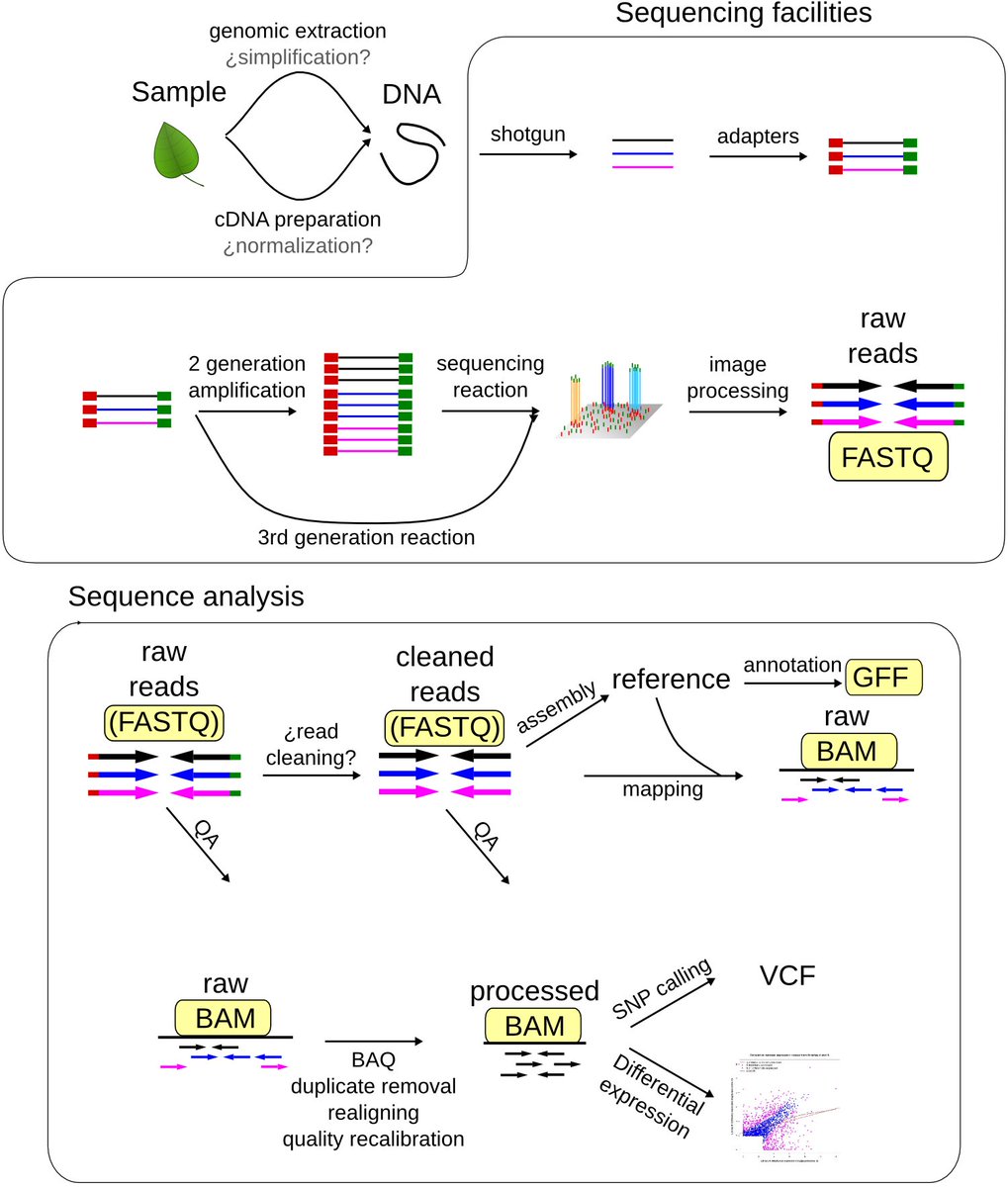
The Greenland shark, believed to be the longest-lived vertebrate animal, has had its genome sequenced. The unusually large genome offers insights into the molecular basis of the exceptional longevity of the fish. In PNAS: https://t.co/5vp6g7iuNp
Fully Funded PhD Fellowship in Greenhouse Gases, Forest Soils and Biogeochemistry at the University of Copenhagen, Denmark, See details at: https://t.co/wVCfkqQCCJ
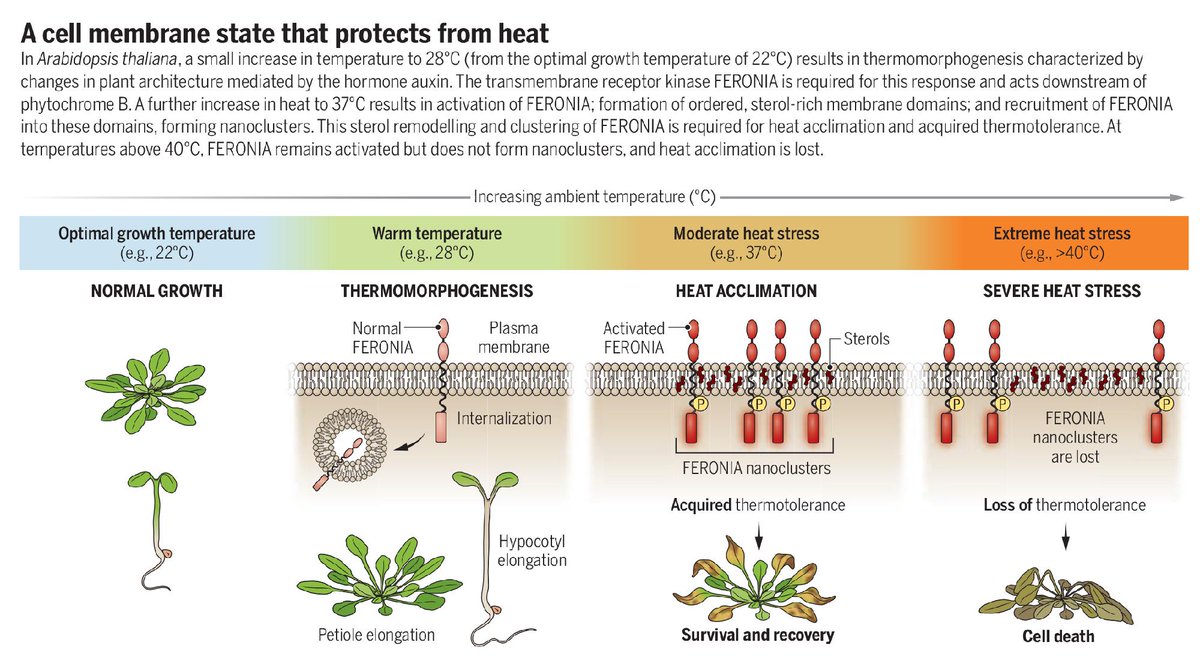
Plasma membrane nanoclusters help plants distinguish growth-promoting warmth from damaging heat.
Learn more in a new #SciencePerspective: https://t.co/QmuzyTmiu7
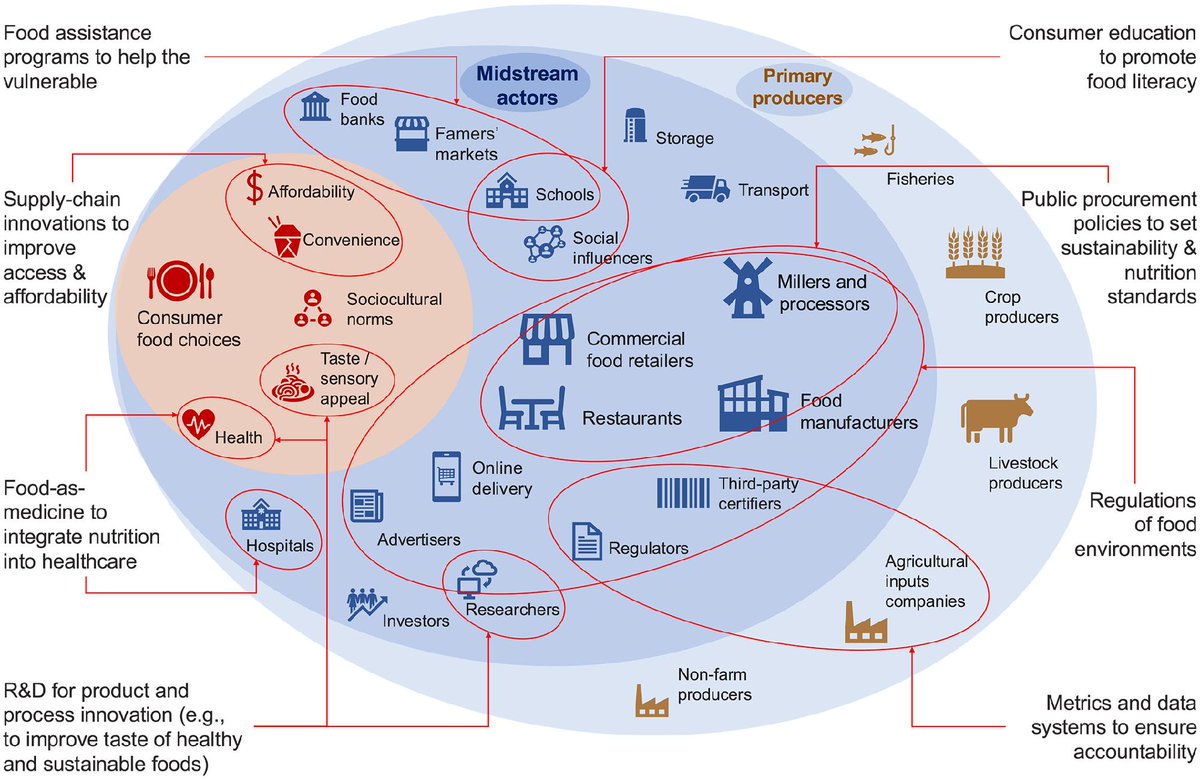
Global food systems pose increasing harms to human health and the environment, so how can we shift toward healthier, sustainable, and more equitable systems for the world’s 8 billion people?
In a new #ScienceReview, researchers examine the evidence for how global diets have changed and strategies that could transition food systems toward a healthier future.
Learn more: https://t.co/kCuDwFjSbR
A study in Nature finds that extreme climate hazards may occur under moderate 2 ºC warming at levels predicted for higher degrees of warming. https://t.co/xXkMlV0oZP
Moderate global warming creates a risk of climate impacts that are more severe than the most-likely impacts of high global warming
https://t.co/oAWeGHt4Ly
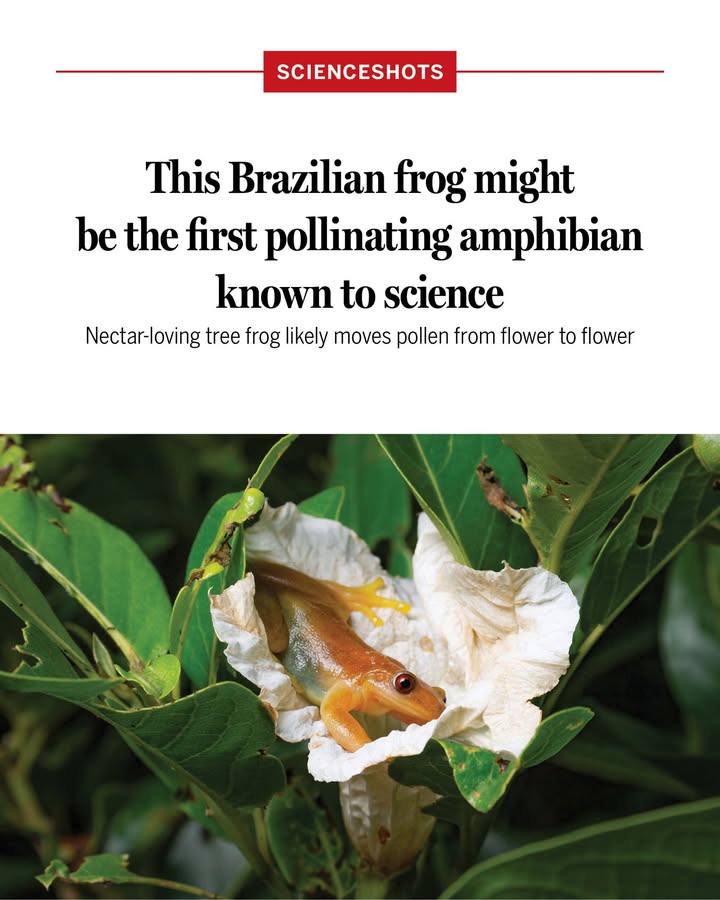
It’s the first time a frog—or any amphibian—has been observed pollinating a plant, researchers reported in 2023.
Learn more on #WorldFrogDay: https://t.co/UR3gYiXuiS @NewsfromScience
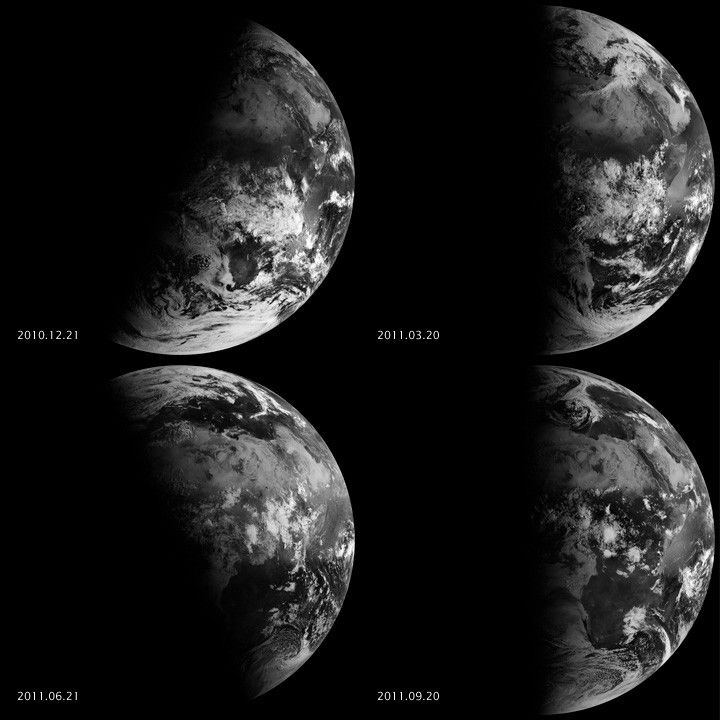
Happy vernal equinox! 🍀
Today marks the first day of spring in the Northern Hemisphere and the first day of autumn in the Southern Hemisphere.
After today, the Sun will shine more directly on the Northern Hemisphere than on the Southern Hemisphere until the autumnal equinox.
A unique Rubisco subunit from the hornwort plant carries a built-in extension that enables the enzyme to cluster into carbon-concentrating structures like algae, according to a new Science study—an innovation that successfully triggered similar condensates when introduced into Arabidopsis plants.
The findings reveal a novel and evolutionarily independent solution for Rubisco condensation in land plants and open the door for engineering similar systems in agricultural crops to potentially boost nutrient efficiency and yield.
📄: https://t.co/PUE7kkN1wQ
#SciencePerspective: https://t.co/hSz8uBbBX2