Are there any good computational models for predicting protein level based on RNA expression, especially for cell surface proteins (e.g. PDL1) or proteins with post-translational modification? A good model could improve disease biomarkers and find new therapeutic opportunities.
"Compelling evidence for the role of carboxylic acid in guiding the mosquito's preference toward specific people"
https://t.co/wredsoM8ux @CellCellPress
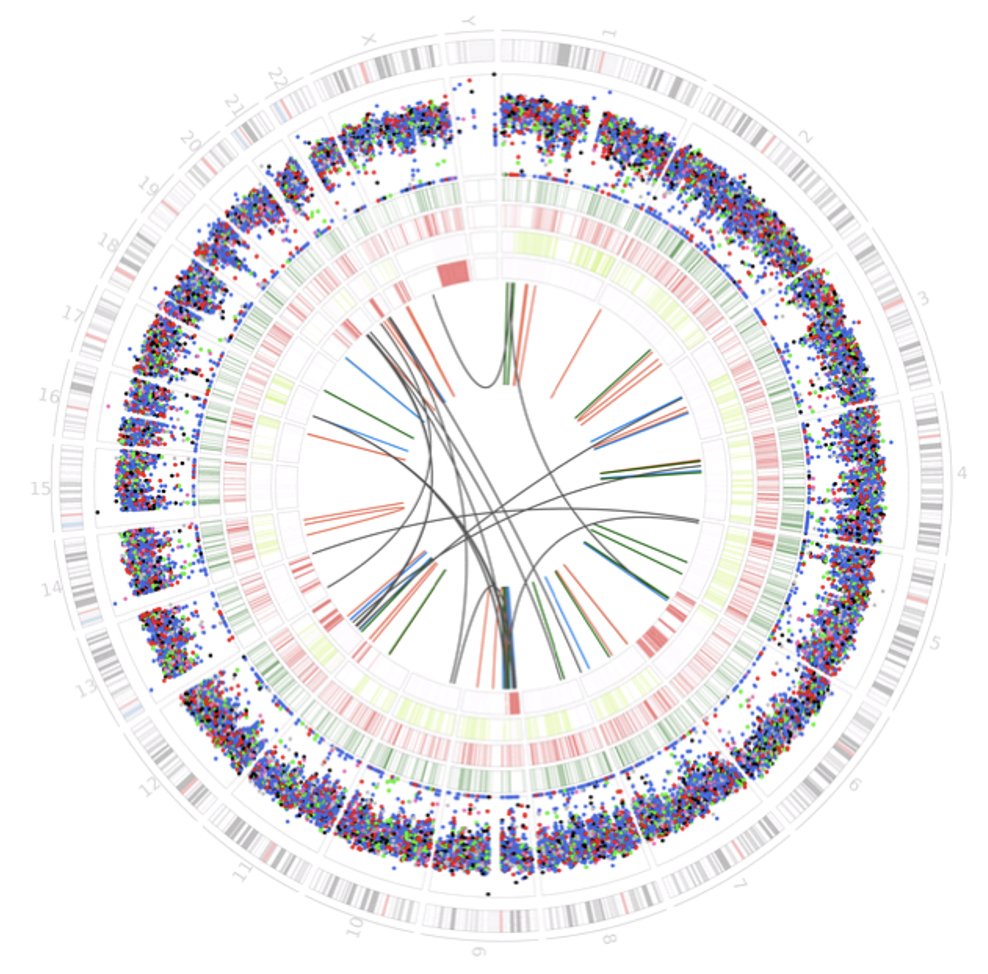
A large-scale, whole-genome analysis in Science of over 12,000 cancers reveals previously unreported mutational signatures, including tumor-specific rare signatures. The findings could potentially help enhance personalized cancer treatments and diagnoses. https://t.co/qsR7ZYpFd9
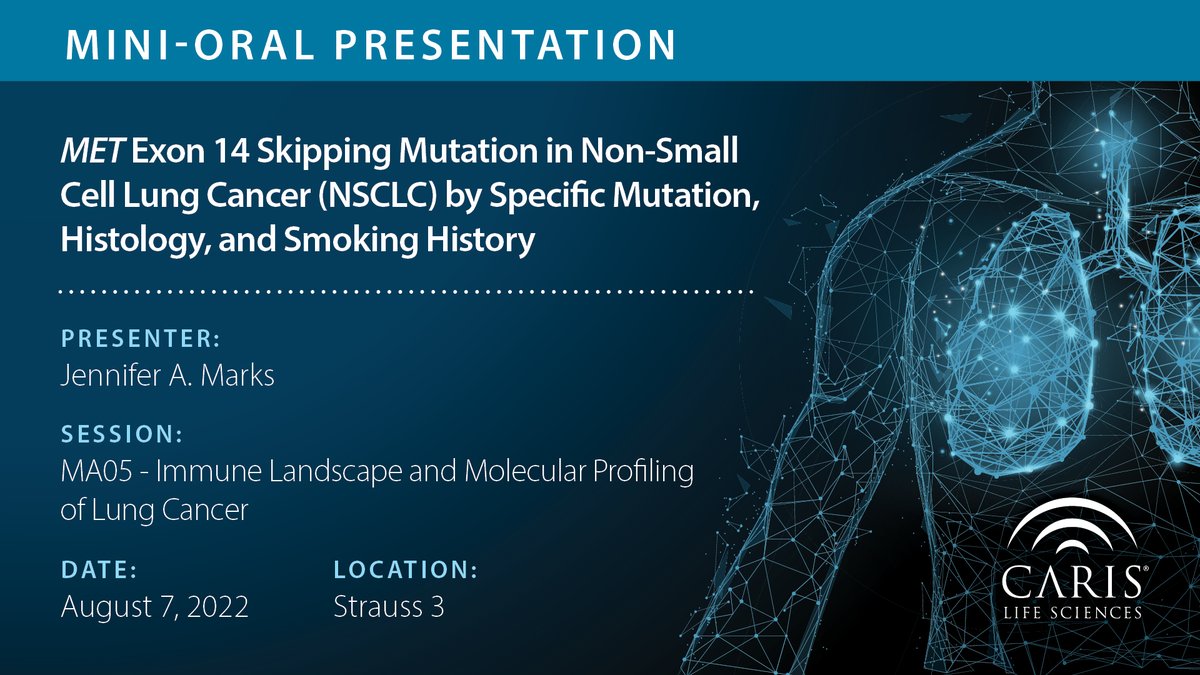
Don’t miss @jennifermarksmd’s presentation on MET exon 14 skipping mutations in the mini-oral session on molecular profiling. These mutations are variable and occur in squamous and non-squamous NSCLC. #WCLC22
And the deep learning vs conventional machine learning for tabular data continues!
A new paper looks at 45 mid-sized datasets (10k examples) and finds that tree-based models (XGBoost & random forests) still outperform deep neural networks on tabular datasets. [1/6]
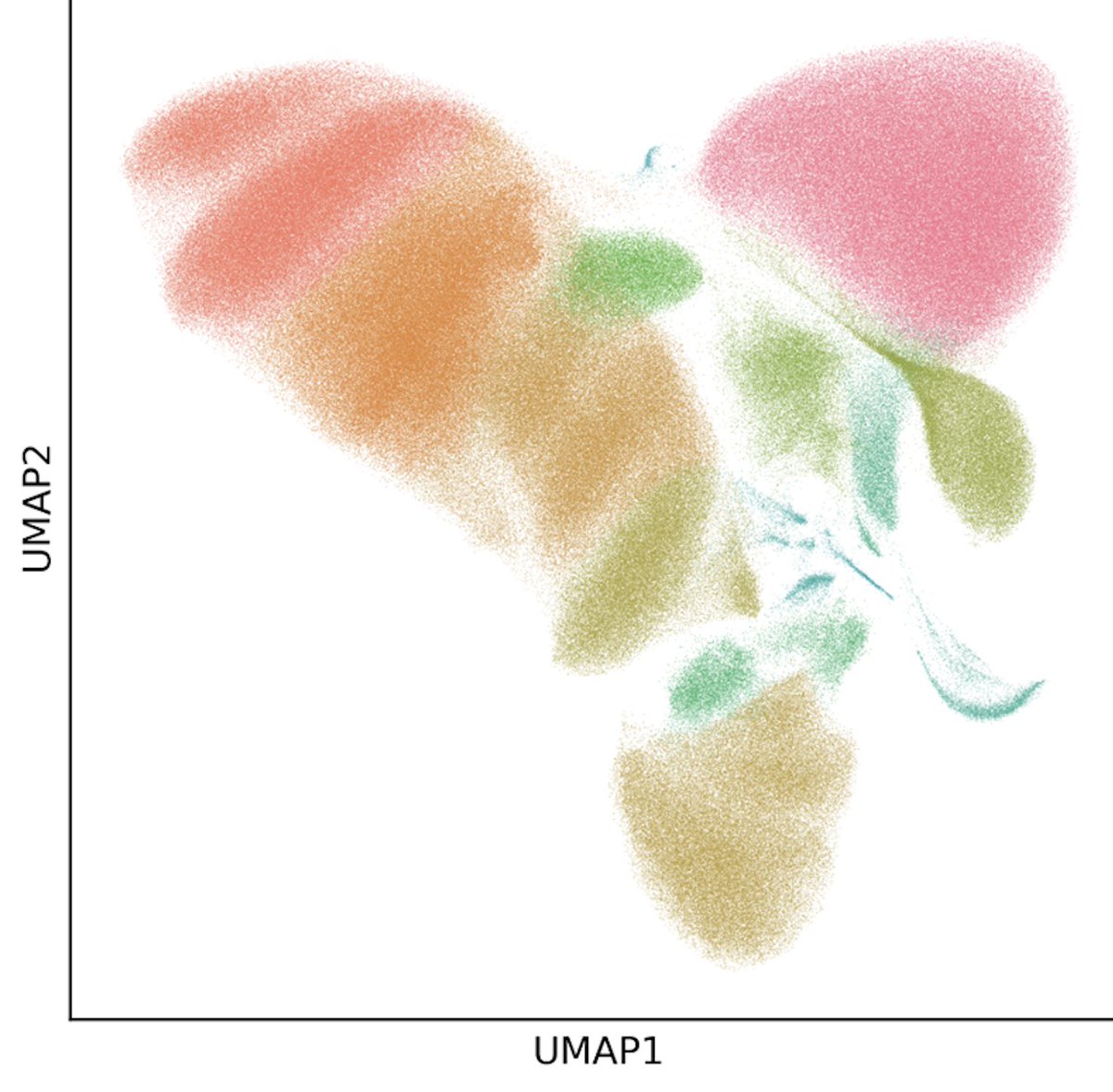
1/ We previously generated a 1M cell scRNA-seq dataset with 24 Type1 Diabetes/Control PBMC samples. Now Daniel Diaz, one of our Bioinformatics Application Scientists, has built a tutorial showing how you can easily analyze this dataset using existing single cell tools.
Our special issue on #AI for molecular biology we edited for @JMolBiol is out!
Check out great papers on AI for #proteinfolding, #microbiome, #3Dgenome and more!
Issue https://t.co/EB0gWrXzO6?
Our editorial https://t.co/OXbzcFcd7L
Ruishan's RNA-ODE paper https://t.co/ZcwJHzkIBj
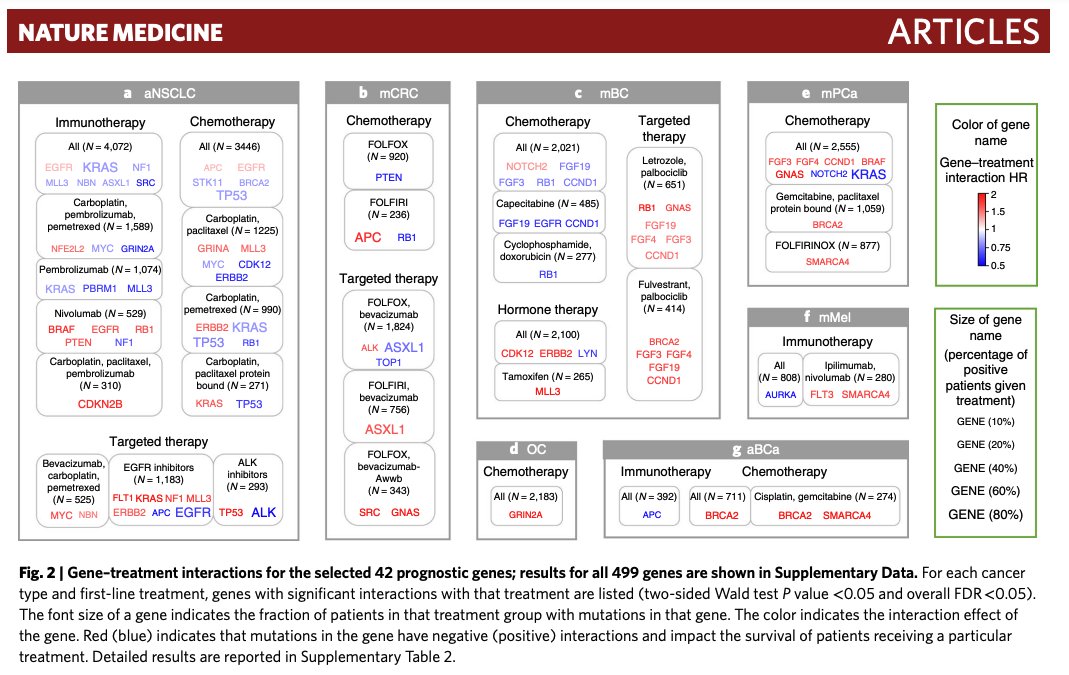
Super excited to share our new @NatureMedicine paper on #precisioncancer!
We use tumor genomes + EHR of >40K cancer patients to identify 458 mutations that predict how a patient responds to specific cancer drugs
Paper https://t.co/PZzJCBBoS9
Great collab w/ @Roche@genentech 🧵






![rasbt's tweet photo. And the deep learning vs conventional machine learning for tabular data continues!
A new paper looks at 45 mid-sized datasets (10k examples) and finds that tree-based models (XGBoost & random forests) still outperform deep neural networks on tabular datasets. [1/6] https://t.co/Xp1BDSHNtk](https://pbs.twimg.com/media/FYWrg9AXoAM3Vhu.png)