On Monday, Nov. 21, the #Artemis I @NASA_Orion spacecraft will do a powered flyby of the Moon to set itself on a distant retrograde orbit. We’re previewing the milestone today at 5pm ET (20:00 UTC) during a media briefing. #AskNASA your questions: https://t.co/4iRXJ7CXGm
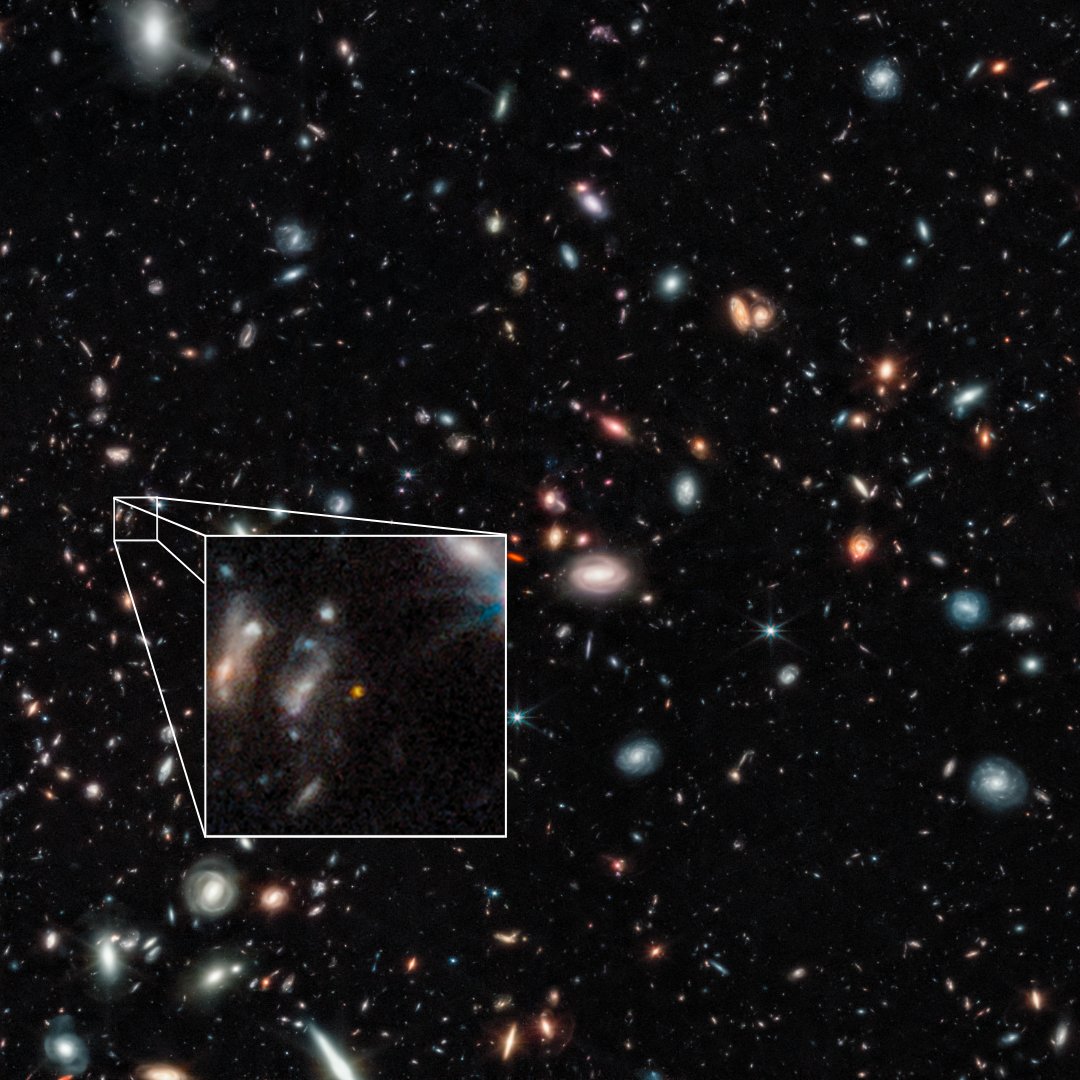
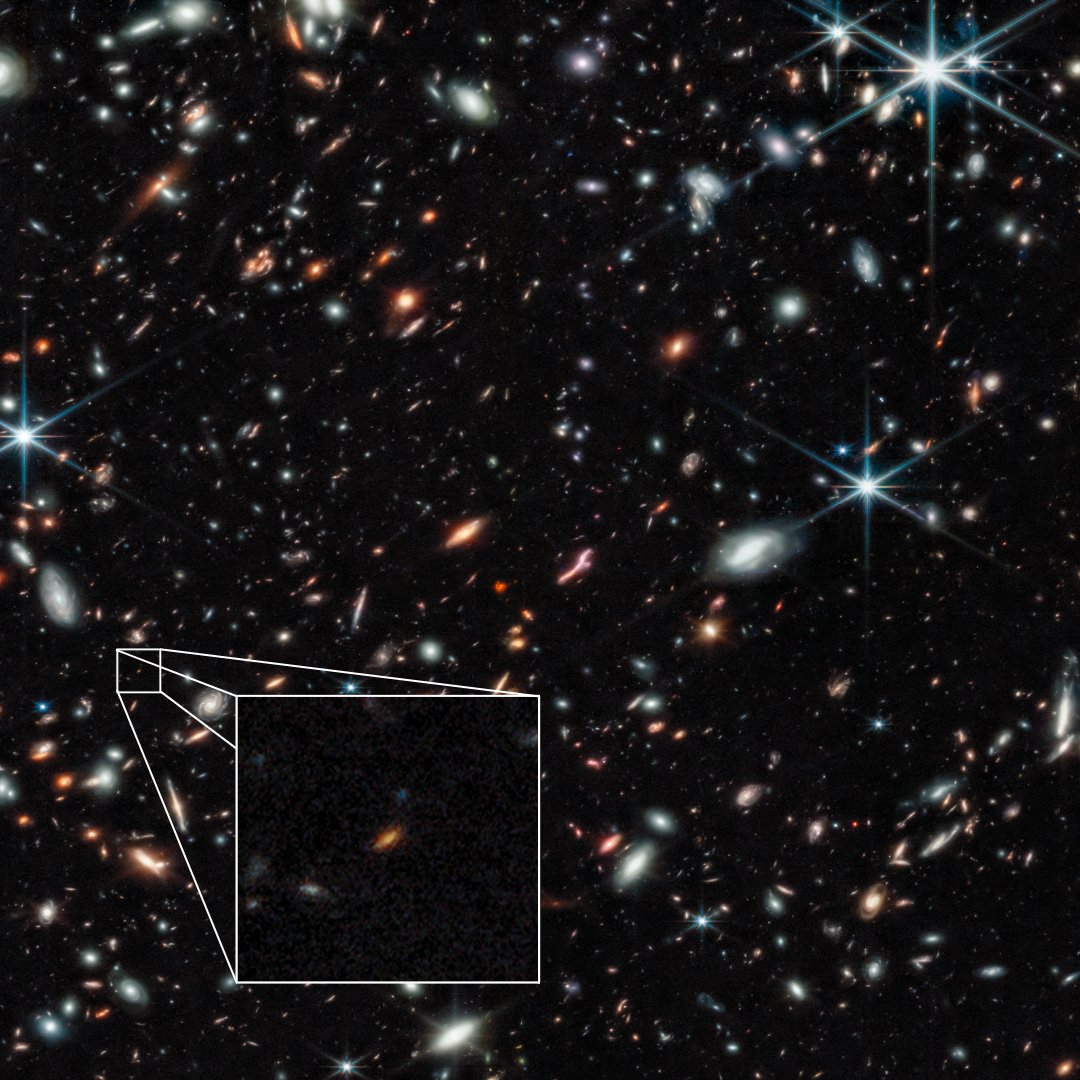
"This is a whole new chapter in astronomy."
Webb researchers found 2 early galaxies, one of which may contain the most distant starlight ever seen. These 2 unexpectedly bright galaxies could fundamentally alter what we know about the very first stars: https://t.co/1MrIy1TAkL
The Cassini Imaging Team captured this view of Mimas beyond Saturn's F ring on November 18, 2007 #OTD
The differing transparencies and contrasts of the F ring bands against the moon are wonderful. Perfect, even.
my 2nd (very fun!) byline with @PopSci about the @NASANewHorizons spacecraft going on its SECOND extended mission to the distant reaches of our solar system! feat. @gummyshark and @AlanStern :)
https://t.co/3pdZSfqESY
In 36 hours, Earth’s shadow will temporarily be cast onto our moon, creating a lunar eclipse. When the moon is completely covered, it will take on a red hue: the projection of thousands of sunsets onto the lunar surface. Here’s one of my captures from a previous eclipse.
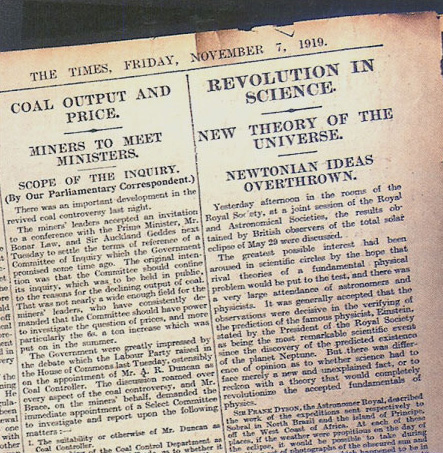
Today is Nov 7. #OTD in 1919 The Times of London reported: "Revolution in Science, New Theory of the Universe, Newtonian Ideas Overthrown," reporting on confirmation of General Relativity and sparking a media frenzy that launched Einstein into the limelight virtually overnight.
Solar eclipse out of sight, not out of mind.
🌎 🌒 ☀️
People in parts of southern South America, Antarctica, and the Pacific and Southern Oceans will have a chance to witness a partial eclipse of the Sun just before and during sunset tonight, April 30: https://t.co/3ghkNvjNTQ
Partial Solar Eclipse on April 30, 2022 – NASA Solar System Exploration -> On April 30, 2022, a partial solar eclipse will be visible in parts of South America, Antarctica, and the Pacific and Southern Oceans. https://t.co/8eH0B46GZL
@SolEclipseInfo I think that weather is going to be a major consideration for viewing the 2024 eclipse. Unlike 2017, which happened in August on a low-risk-of-clouds trajectory, both the path and the April timing are complicating factors.