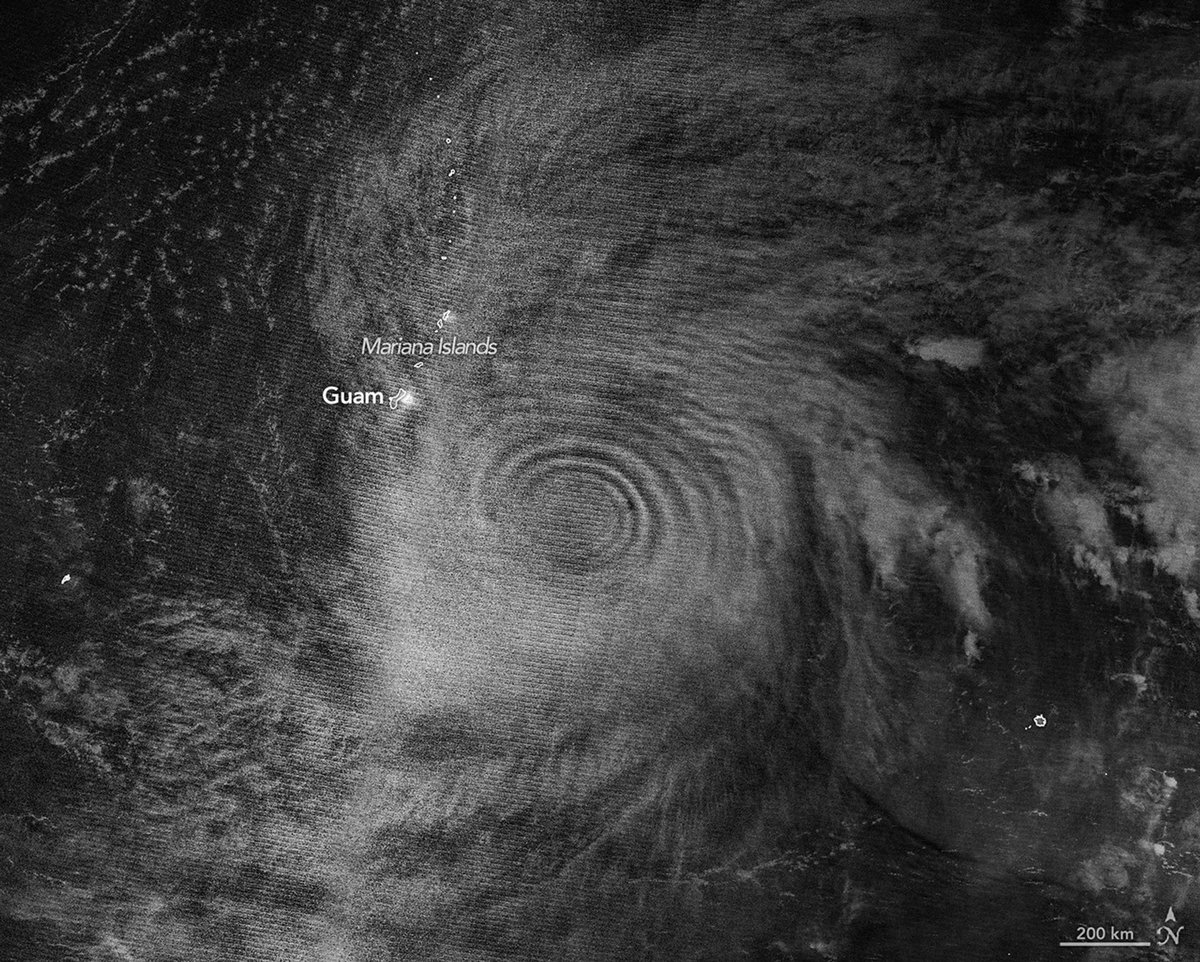
As Super Typhoon Sinlaku intensified in mid-April 2026, the violent typhoon created atmospheric gravity waves in Earth’s upper atmosphere.
The waves are visible in this nighttime @noaa-20 satellite image because of airglow in the mesosphere.
Welcome back to hurricane season!
The average first named storm in the Atlantic is June 20th, and only 2 years since 2014 has it happened on or after that date.
Will be interested in when that happens this year. I still think we will have more than 1 chance at something in June of 2026, between the Gulf and southeast coast, but we'll see how it pans out.
Dragonfly’s heat shield endured a 4,500°F blast—and passed the test.
Units of NASA’s Dragonfly's heat shield faced intense solar radiation and mechanical stress testing @SandiaLabs, confirming that its carbon fiber and resin thermal protection material can withstand the harsh conditions it will endure when it enters the atmosphere of Titan, Saturn's largest moon.
The rotorcraft will search for signs of habitability and explore the chemical composition of Titan. It is set to launch no earlier than 2028.
Read more: https://t.co/AQRhPLYDjc
June 1 is the start of the Atlantic hurricane season.
NASA’s satellites and views from the @Space_Station help scientists see storms from space and track how they evolve. This data helps communities better prepare for and respond to storms.
Tropical Storm Jangmi, filmed from space over the Philippine Sea. 🌏🌀
Born within a vast monsoonal gyre, the storm is forecast to track near Okinawa before moving toward southeast Japan.
Forecasts suggest winds reaching 70mph and gusts up to 110mph.
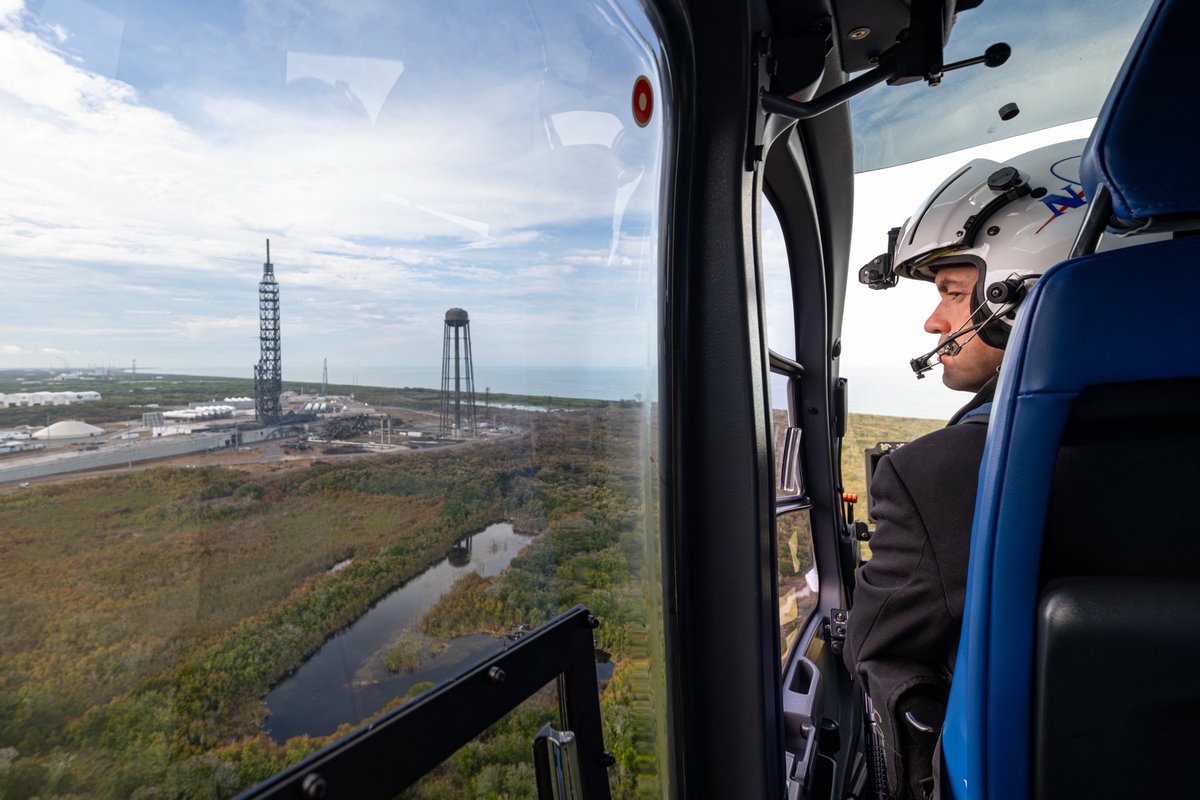
We go where we need to be, and today that was @NASAKennedy.
Some of my senior engineers and I spent time at @blueorigin with @JeffBezos and @davill, speaking with the workforce and seeing the damage at LC-36 firsthand. I appreciated the opportunity to hear directly from those working through the aftermath and better understand the challenges ahead.
There is a lot of work to do, but this is exactly why people choose careers in aerospace, whether at NASA, Blue Origin, or across the industry. The talent in this field thrives under pressure and performs at its best when solving the toughest problems.
We have been saying for months at NASA that we are not going to sit on our hands and wait for the capabilities necessary to achieve the nation’s most pressing objectives. We are going to take an active role alongside our partners, just as we did in the 1960s, to overcome setbacks, remove obstacles, and deliver the intended outcomes.
@NASA is committed to helping the Blue team recover, continue to advance their lunar lander and get New Glenn back to launching as soon as safely possible.
America’s greatest achievements in space were never the result of avoiding setbacks. They came from overcoming them. We have done it before, and we will do it again🇺🇸
You probably haven't heard from us much since we began our Tropical Weather Outlooks on May 15--because the Atlantic has so far been quiet!
Tropical cyclone formation is not expected over the next 7 days as approach the first official day of hurricane season on Monday, June 1. Be sure to check https://t.co/Wq6ZtKfHp9 daily for the latest.
We have regained some access to Launch Complex 36 and are actively investigating the hotfire anomaly. We will start clearing the pad soon and have a good rebuild plan in place. The booster and GS2s in the integration facility appear healthy from quick looks.