I saw a boy coding today.
-Tab 1 ChatGPT.
-Tab 2 Claude.
-Tab 3 Gemini.
-Tab 4 Grok.
-Tab 5 DeepSeek.
He asked every Al the same exact question.
Patiently waited, then pasted each response into 5 different CPP files.Hit run on all five. Picked the best one like a psychopath
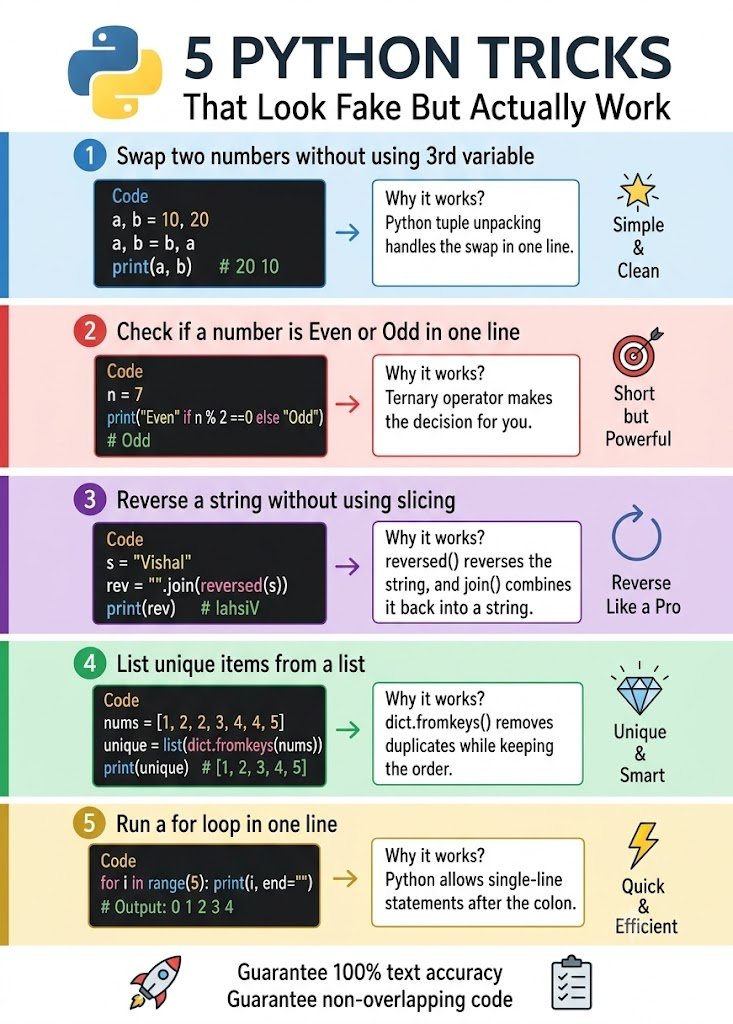
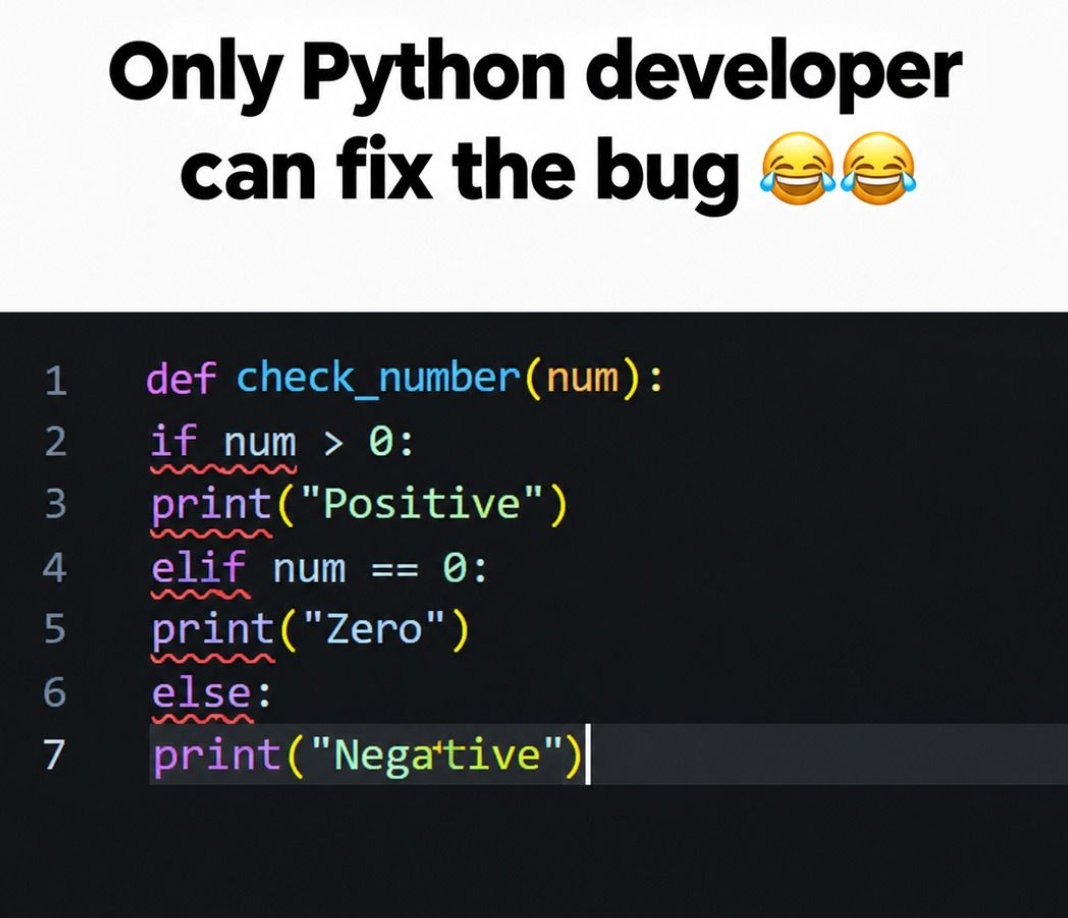
These Python tricks look fake… but they actually work! 🤯🐍
Stop writing more boilerplate code than you need to. 5 built-in shortcuts to make your logic shorter, cleaner, and smarter:
• Tuple unpacking
• Ternary operator
• Unique lists
• One-line loops
#Python
You’ve used PUT and PATCH hundreds of times.
But can you explain why both exist?
Same endpoint, Different semantics
What’s the actual difference and when would you use each?
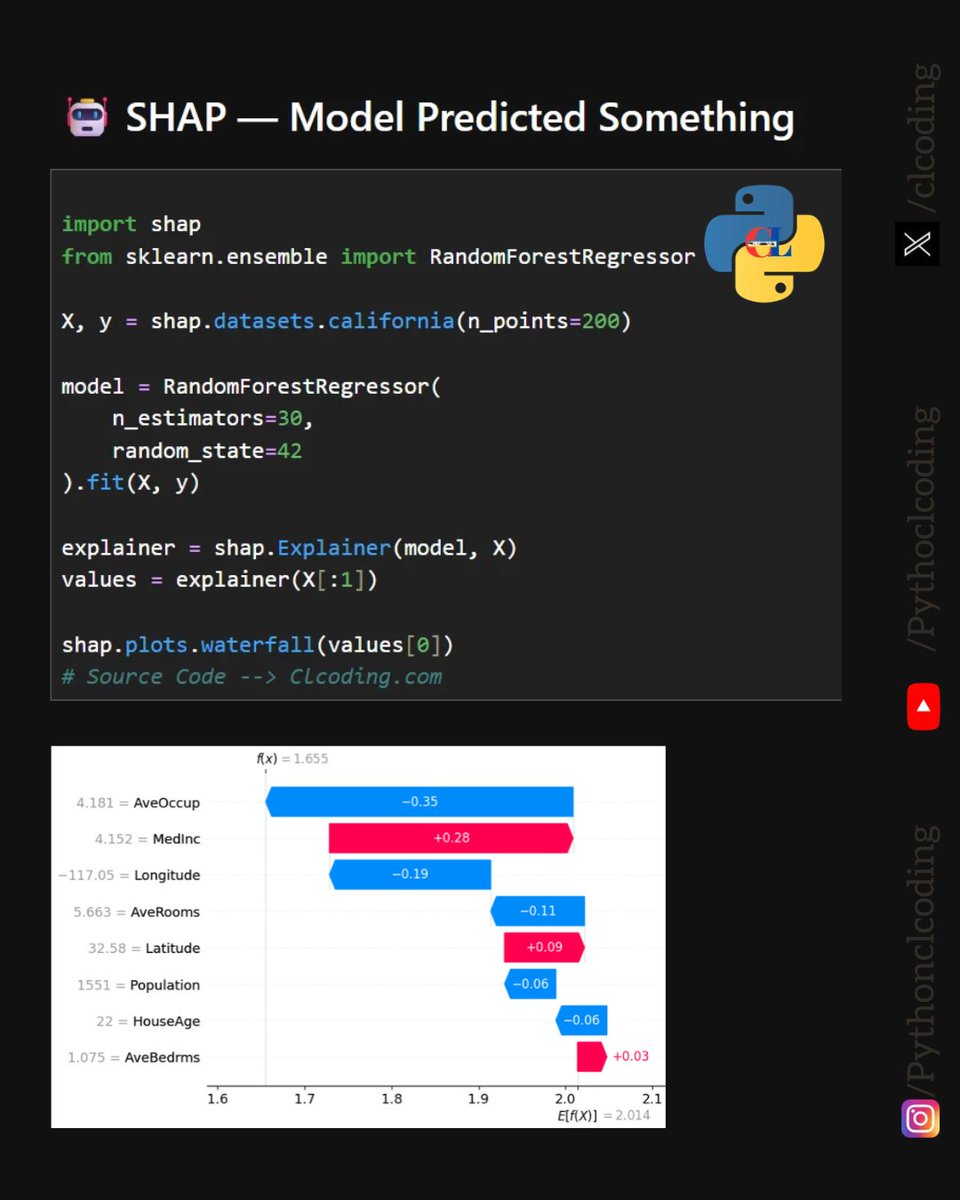
SHAP makes machine learning models easier to understand.
Instead of just getting a prediction, you can see why the model made that prediction and which features pushed the result higher or lower.
In this example, a Random Forest model predicts a value from the California housing dataset, while a SHAP waterfall plot breaks down the individual contribution of each feature.
For example:
- AveOccup pushes the prediction down
- MedInc pushes it up
- Other features such as Longitude, Latitude, Population, and HouseAge also influence the final prediction
This is the power of Explainable AI (XAI) — moving from “What did the model predict?” to “Why did the model predict it?”
Projects: https://t.co/wOZrzadBqH
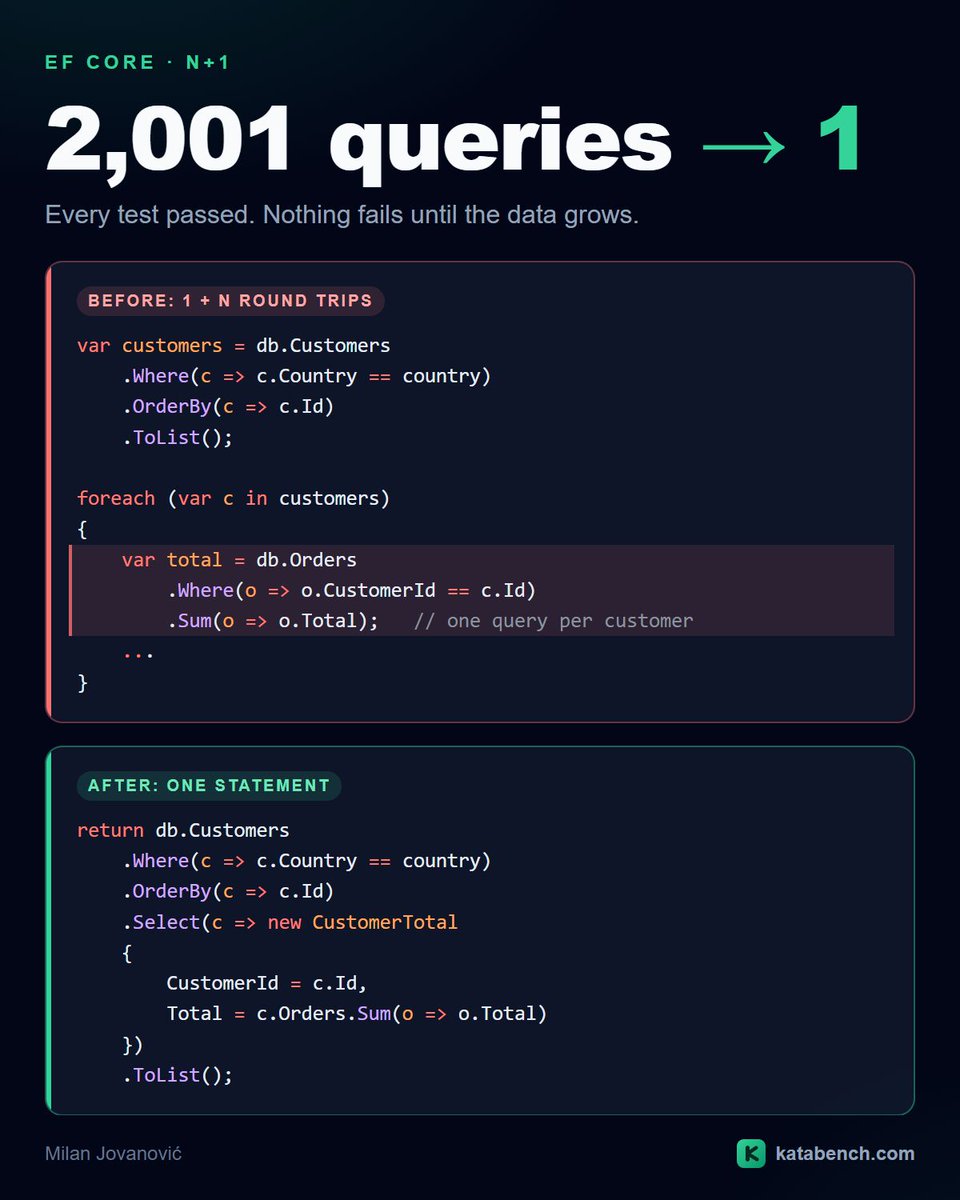
2,001 database queries to build one list of customer totals, and every test passed.
One for the customers, then one per customer, because Sum() executes immediately. With 15 customers in dev it's 16 fast queries, and nobody notices.
The fix: describe the whole result as one query and let the database do the math.
Average Conversation Between Claude and Vibe Coder:
Claude: There's a memory leak.
Vibe coder: Where?
Claude: In your application.
Vibe coder: Should I call a plumber?
Claude: You need a developer.
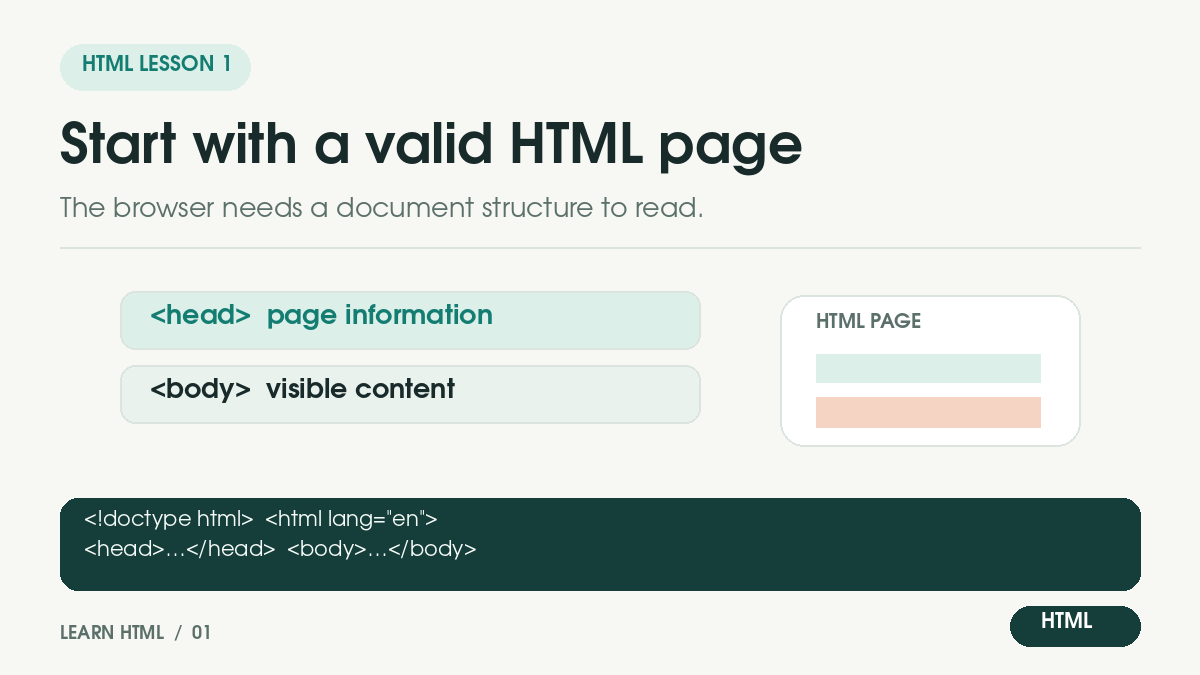
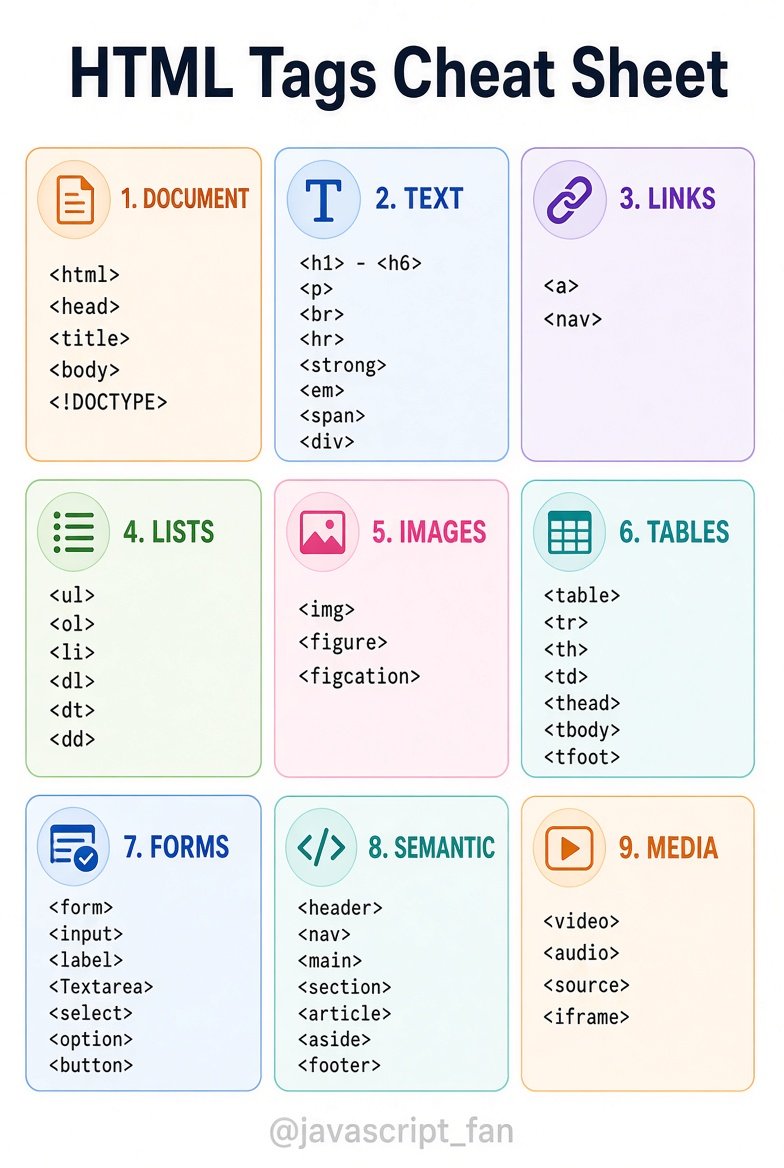
📄 HTML lesson 1: Every page needs a structure
<!doctype html> tells the browser to use modern HTML.
<head> holds page information;
<body> holds the visible content.
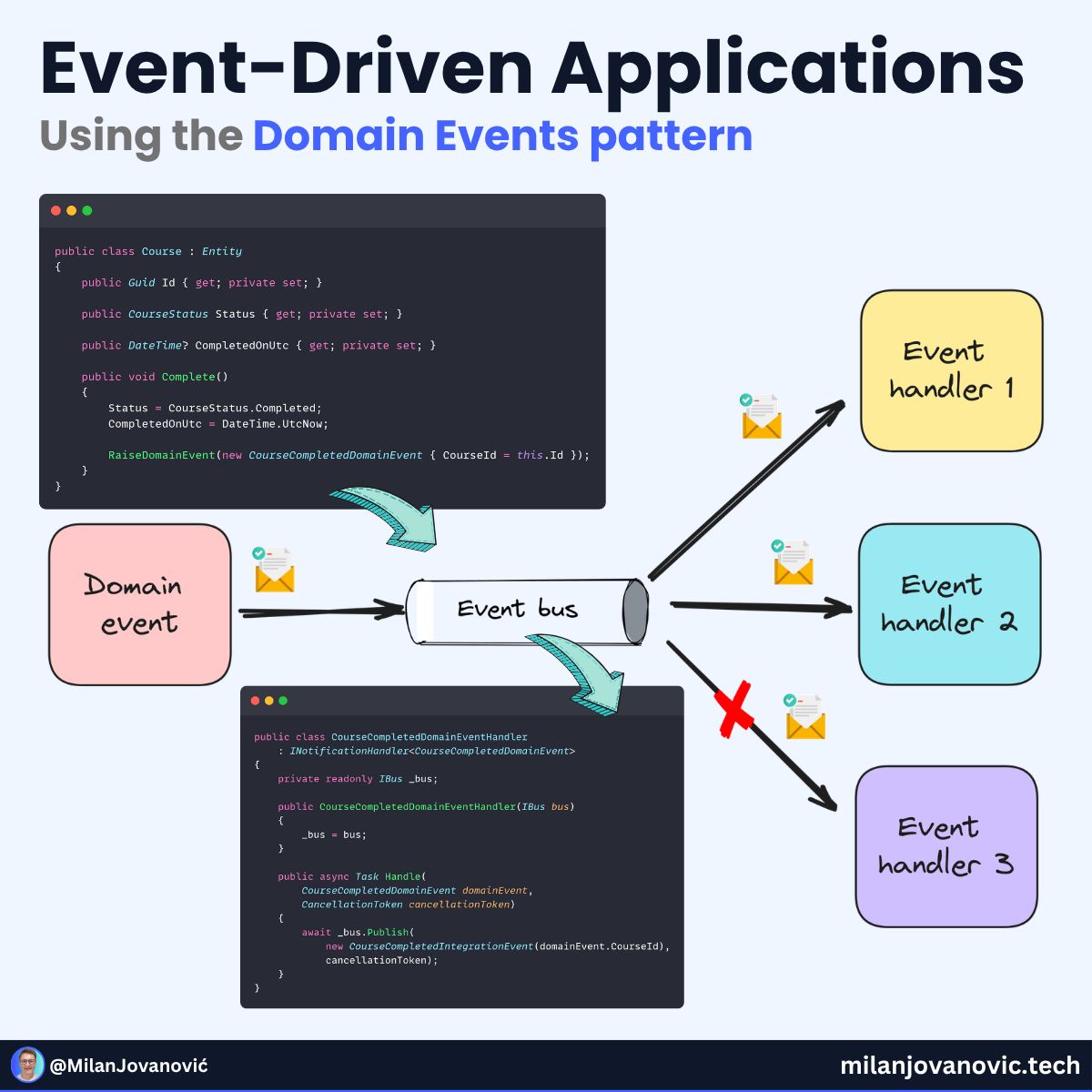
All applications become Event-Driven at some point.
So you absolutely must understand these patterns and trade-offs.
Event notification is one of the simplest patterns you'll run into first.
For example, the Domain Events you see in Domain-Driven Design are an example of this.
Your domain aggregate acts as a consistency boundary. If you need to change something outside the aggregate, you publish a domain event. Other aggregates subscribe to this event.
A loosely coupled communication approach between two aggregates.
Here's how you can implement this: https://t.co/GNHmnlMcGv
What's the difference between domain and integration events?
Both can help you make your system loosely coupled. You separate the core domain logic from the side effects. The side effects are handled asynchronously.
I think of it as internal vs. external events. Domain events belong within the same bounded context. Integration events cross bounded contexts.
Another example is a microservices system. You publish and handle domain events in one service. You publish integration events from one service and handle them in another.
You may have heard about OpenClaw – a super viral open source project released late last year.
It's an agent and messaging gateway that lets you automate digital tasks through platforms like Discord.
In this course, you'll learn how it works along with key security practices that protect your host system while your agent executes complex workflows.
https://t.co/Z8t8nLhi3T