The 2026 meta-analysis establishes that 57 percent of adults with ADHD satisfy the criteria for at least one personality disorder.
This rate is five to ten times higher than in the general population.
Overlapping symptoms such as emotional dysregulation and impulsivity contribute to these high levels of comorbidity between the two conditions.
The conditions share roots in neurodevelopmental pathways that influence personality formation from early stages onward.
Effective care calls for a unified approach that combines medication when indicated with behavioral structure and psychotherapy customized to each patient's specific needs.
This strategy promotes better long term results by treating the patient as a whole rather than focusing on isolated labels.
@VeysiCe
11 çalışmadan 2.120 yetişkinin incelendiği bir metaanaliz araştırmasında ADHD’li bireylerin %57’sinin en az bir kişilik bozukluğu kriterini karşıladığı bulunmuş; bu oran genel popülasyona göre 5-10 kat daha yüksek.
En sık görülenler: pasif-agresif (%25,3), kaçıngan (%23,1), borderline (%22), ve bağımlı (~%15) kişilik bozuklukları.
ADHD ile kişilik bozuklukları arasında duygusal disregülasyon, dürtüsellik, reddedilme duyarlılığı ve kişilerarası sorunlar gibi önemli örtüşmeler var; çünkü kişilik gelişimi ile nörogelişim paralel ilerliyor.
Klinik yaklaşım, “ADHD mi yoksa kişilik bozukluğu mu?” ikilemini aşmalı; bunun yerine bütüncül, gelişimsel bir formülasyonla ilaç, yapılandırma ve psikoterapiyi birleştiren kişiye özel tedaviler uygulanmalı.
“Psikiyatrik tanılar hala büyük oranda subjektif kalıyor ve eksik hatta yanlış kümelenme gösteriyor. Tanı koyarken çok dikkat etmeli hatta mümkünse tanı koymamalı ve bütüncül bir bakış açısıyla takip ve tedavi ilerlemeli”
The factorial model provides a better framework for calculating energy requirements than the constrained model.
This analysis finds no direct evidence that basal energy expenditure decreases as physical activity energy expenditure increases.
Weight-adjusted metrics applied to data from traditional populations show very high rates of energy expenditure consistent with their active lifestyles.
Doubly labeled water measurements in a dataset of 1223 subjects including Hadza hunter-gatherers indicate minimal physiological constraint.
Retaining the factorial method ensures that estimates properly incorporate differences in physical activity levels across groups.
As a result nutrition planning can become more accurate for everyone from sedentary individuals to elite athletes and supports evidence-based recommendations without assuming a narrow physiological range for total energy expenditure.
@Gonzalez_JT
NEW PAPER
Energy requirements: the case for the factorial model (as opposed to the constrained model)
No direct evidence of ⬇️BEE as PAEE ⬆️
There is little evidence of constraint in Hadza and other hunter-gatherers
50 days free access Link:
https://t.co/I5YbZIk8aE
A single high dose of creatine improves cognitive performance, mental processing speed, and cellular metabolism in people who slept only zero to two hours the previous night.
Research examined volunteers after extended wakefulness. T
hey received 0.35 grams of creatine per kilogram of body weight in one dose, roughly 20 to 25 grams for most adults.
Cognitive tests and brain scans showed gains in processing speed and energy metabolites versus placebo.
The protocol delivered clear short-term benefits suited to night shifts or guard duty.
These results add a practical tool for high-demand periods when full rest cannot occur immediately.
Consistent sleep patterns remain the foundation for sustained performance and health. @AntelmPujol
😴🚩 ¿CREATINA PARA LA FALTA DE DESCANSO NOCTURNO?
⚠️En persona que han dormido 0-2horas la noche anterior, la ingesta de 0,35 gramos de creatina/kg de peso corporal (20-25 gramos de creatina) EN UNA SOLA DOSIS produce:
⇧⇧Aumento del rendimiento cognitivo.
⇧⇧Aumento de la velocidad de procesamiento mental.
⇧⇧Mejoría del metabolismo celular.
🤝Una gran opción para turnos nocturnos y/o guardias.
A breakfast based on eggs increases satiety and reduces caloric intake by 22 percent at the next meal compared to an isocaloric bread breakfast.
Protein and fat in eggs slow gastric emptying and raise satiety hormones like GLP-1 and PYY while refined carbs in bread create glucose spikes followed by hunger rebound.
In the 2005 crossover trial with 30 overweight women the egg group consumed 2406 kJ at lunch versus 3091 kJ after bagels with the difference holding across the full day.
This pattern favors steady energy and easier calorie control over weeks without obsessive tracking. Real food choices like eggs deliver results where processed options fall short. @calotonterias
Un desayuno basado en huevos aumenta la saciedad y reduce un 22% la ingesta "calórica" en la comida posterior, en comparación con un desayuno con las mismas "calorías" pero basado en pan.
Nulliparous women experience faster epigenetic aging via PCGrimAge and higher mortality risk than women who have children.
The January 2026 Nature Communications paper on the Finnish Twin Cohort identified six reproductive trajectory classes.
Childless women and high parity mothers averaging 6.8 births displayed elevated hazard ratios compared to moderate parity groups with two to four children.
Twin fixed effects controlled for genetics and shared family background.
Pregnancy hormones likely offer protection against hormone sensitive cancers while moderate reproduction balances longevity tradeoffs under disposable soma theory.
Unmeasured adult health selection effects remain a limitation. @Psikobilim_
Genetik ve aile geçmişi kontrol edildiğinde bile, hiç çocuk sahibi olmayan kadınlar çocuk sahibi olan kadınlara göre daha yüksek ölüm riski ve daha hızlı biyolojik yaşlanma gösteriyor.
Interesting critique of twin studies. While shared family environments do limit variance in some cases, large-scale meta-analyses still show genetics and unique experiences dominate most traits. Extreme scenarios could refine our understanding further, but current evidence remains available. Worth exploring more nuanced designs for sure.
The largest twin study meta-analysis confirms that genetics and unique personal experiences, not shared family upbringing, drive most differences in human traits.
Across 17,804 traits from over 14.5 million twin pairs, average heritability reached 49 percent, with shared environment showing minimal impact in the majority of cases.
This underscores how individuals actively select environments matching their genetic predispositions over time, shaping outcomes far more than uniform parenting efforts.
Parents influence through reaction patterns rather than direct molding. @Psikobilim_
14,5 milyon ikizi kapsayan tarihin en büyük ikiz meta-analizine göre:
İnsanları birbirinden farklı yapan şeylerin büyük kısmı ailelerinin onları nasıl yetiştirdiği değil; genleri ve kendilerine özgü yaşam deneyimleridir.
NASA’s next moonwalk outfit was co-designed by Prada for the AxEMU spacesuit that Axiom Space built for Artemis III.
The suit supports eight-hour spacewalks, two hours longer than Apollo suits, with full-body water-cooled undergarments and modular limbs that fit body sizes from the 1st to 99th percentile for both men and women.
It includes 4G/LTE communications, an HD camera, and an Oakley visor while handling the extreme temperatures at the lunar south pole.
NASA awarded Axiom a 228 million dollar contract for this first new American lunar spacesuit since 1972. @ritwikpavan
NEW: NASA’s next moonwalk outfit was co-designed by Prada.
The AxEMU is the spacesuit Artemis III astronauts will wear on the Moon in 2026, built by Axiom Space with Prada handling materials, stitching, and design.
-Full-body cooling “long johns” with water tubing running neck to toes
-8-hour spacewalks, 2 hours longer than Apollo
-Modular snap-in arms and legs that fit 1st to 99th percentile body sizes, men or women
-Built for the lunar south pole, including pitch-black craters that never see sunlight
-4G/LTE comms, HD camera, Oakley visor, custom gloves and boots
-$228M NASA contract, first new American moon suit since 1972
The first woman on the Moon will wear Prada.
As someone who is genetically a true short sleeper, I find this really interesting.
Genetic testing combined with self-reported short sleep cannot reliably confirm that reduced sleep duration is harmless to health.
A PLOS Genetics analysis of nearly 192,000 individuals found that many variants previously linked to familial short sleep showed weak or no association with actual sleep duration in broader populations.
True natural short sleepers maintain lifelong patterns without daytime fatigue, focus issues, or weekend recovery sleep.
Most people reporting short sleep instead face chronic restriction from lifestyle or medical factors.
Distinguishing these cases requires careful clinical evaluation beyond genetics alone. @AriyoshiMd
Visceral fat reduction serves as one meaningful contributor to long term metabolic outcomes rather than the sole driver.
The Circulation study links a 10 percent drop in visceral adipose tissue during lifestyle changes to 28 percent lower type 2 diabetes risk over 5 to 10 years despite later weight regain.
This aligns with targeted benefits in obesity contexts while CALERIE data show weight loss itself tracks broad cardiometabolic gains in non obese adults.
Durable health gains require addressing multiple pathways including insulin signaling and inflammation. Visceral fat matters but context shapes its priority. @AskDrShashank
Is visceral fat loss the key driver of long-term metabolic health—or one important piece of a much larger biology?
A new Circulation paper reports that a 10% reduction in visceral adipose tissue during lifestyle intervention was associated with a 28% lower risk of type 2 diabetes over 5–10 years, even after substantial weight regain.
https://t.co/joxMTRWvke
This is an important and elegant MRI-based study.
But I think the interpretation deserves nuance.
In CALERIE, our analysis in healthy non-obese adults showed that calorie restriction produced multiple beneficial cardiometabolic, inflammatory, and hormonal adaptations that were linearly related to the degree of weight loss. In that context, body weight was actually a sufficient practical marker for tracking many biological improvements.
https://t.co/gr66HhsShf
In contrast, our intermittent fasting work showed that substantial reductions in visceral fat do not necessarily guarantee broad improvements across inflammatory and molecular aging pathways.
https://t.co/56cTWioauH
https://t.co/7OTNWzYb8C
So perhaps the key message is not:
“Weight does not matter.”
Nor is it simply:
“Visceral fat is everything.”
Rather:
Context matters.
In obesity and diabetes prevention, visceral fat is a powerful clinical marker and likely an important therapeutic target.
In non-obese individuals undergoing calorie restriction, body weight may still track many beneficial adaptations.
And across both settings, the deeper question remains:
What biological systems are being remodeled?
Insulin signaling. IGF-1 biology. Inflammation. Mitochondrial function. Nutrient sensing. Immune-metabolic resilience.
https://t.co/7OTNWzYb8C
Visceral fat is important.
But durable metabolic health is not explained by one depot alone.
#Longevity #Metabolism #VisceralFat #CalorieRestriction #IntermittentFasting #Diabetes #HealthyAging #NutritionScience #PrecisionNutrition
Retatrutide phase 3 results presented at ADA2026 confirm strong efficacy for the triple agonist in obesity and related conditions.
In TRIUMPH-1, the 12 mg dose delivered 28.3 percent mean weight loss over 80 weeks, with 65.3 percent of participants reaching BMI below 30.
Additional gains included 73.1 percent WOMAC improvement in knee osteoarthritis pain and 60.6 percent AHI reduction in sleep apnea.
TRANSCEND-T2D-1 showed up to 2.0 percent HbA1c drop and normoglycemia in 46 percent of type 2 diabetes patients.
These outcomes position retatrutide as a notable advance in cardiometabolic care. @cristinatejerap
Presentados en #ADA2026 los resultados fase 3 de retatrutide (triple agonista GIP/GLP-1/glucagón).
TRIUMPH-1 (80 sem): pérdida de peso media del 28,3% con 12 mg; 65,3% por debajo de IMC 30. Mejoría del dolor en gonartrosis (WOMAC –73,1%) y de la apnea obstructiva del sueño moderada-grave (AHI –60,6%).
TRANSCEND-T2D-1 (40 sem): reducción de HbA1c hasta 2,0%; hasta 46% alcanza normoglucemia.
https://t.co/BqidK59vNI @TheLancet
https://t.co/VI3pRWO8Ao
#ADASciSessions
Retatrutide showed striking cardiometabolic improvements in the 80 week TRIUMPH 1 trial.
Patients on the 12 mg dose had a 41 percent drop in triglycerides along with a 20 percent reduction in LDL cholesterol and a 12 point systolic blood pressure decline versus placebo.
The glucagon component appears to drive lipid and inflammation benefits that go beyond weight loss effects alone.
These surrogate changes strengthen the case for potential hard outcome gains in the ongoing TRIUMPH Outcomes trial. @rn_flex
I'll have A LOT of retatrutide thoughts. But these cardiometabolic improvements are stunning. 40% drop in triglycerides, 20% drop in LDL. 63% drop in hsCRP, 12 point reduction in BP. It's not a stretch to imagine this drug massively reducing death from CVD and CKD all on its own.
People who view their future self as similar to their current self save more money.
A 2009 study by Hershfield and colleagues measured this continuity through a simple similarity scale and found it predicted lower discounting of future rewards in lab tasks plus higher real-world financial assets, even after adjusting for age and income.
The gap shows up in everyday choices.
Those with stronger continuity treat delayed payoffs as belonging to someone close rather than a stranger.
Simple exercises that increase overlap, like writing letters to your ten-years-older self, can shift behavior without complex systems. @calotonterias
Las personas que perciben al yo futuro como un extraño tienen más dificultades para ahorrar. Por el contrario, las que sienten que su yo futuro es la misma persona tienen mayor tendencia a ahorrar.
A través de tres experimentos diferentes, se comprobó que las diferencias individuales en la “continuidad con el yo futuro” —es decir, el grado en que uno siente que su yo actual y su yo dentro de diez años son la misma persona— predicen fuertemente la capacidad de ahorrar. Se utilizó un índice sencillo pero muy efectivo, basado principalmente en la percepción de similitud entre el yo presente y el yo futuro.
En el primer estudio, realizado con estudiantes universitarios, se observó que las personas con mayor continuidad eligieron con más frecuencia recompensas mayores pero demoradas en tareas de descuento temporal. En el segundo experimento, con dinero real en juego, se encontró que los participantes con alta continuidad mostraron un mayor solapamiento entre los adjetivos utilizados para describir su yo actual y su yo futuro. Finalmente, un tercer estudio realizado con casi mil adultos de la población general mostró que una mayor continuidad con el yo futuro predice una mayor acumulación de activos financieros a lo largo de la vida, incluso después de controlar variables como la edad, el nivel educativo y los ingresos.
Cuanto más extraño nos resulte ese yo del mañana, menos motivación se tendrá para sacrificarse hoy por él.
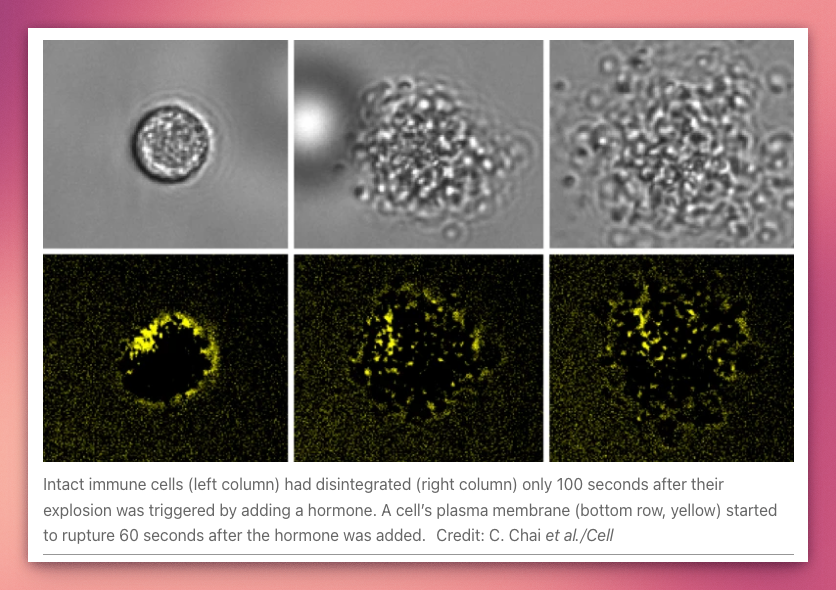
Stanford researchers discovered ruptoblasts in planarian flatworms that undergo ruptosis, an explosive cell death triggered by activin.
One ruptoblast can eliminate up to 70 neighboring cells within minutes by releasing diffusible toxins that also kill bacteria and mammalian cells.
Activin levels increase with age and contribute to sarcopenia, suggesting this mechanism may link hormonal changes to tissue decline.
While planarians differ from humans, the finding reveals how hormones can direct rapid cytotoxic responses with potential relevance for age related inflammation and regeneration research. @agingroy
A @Stanford team found a cell that kills by exploding.
One of them took out up to 70 neighbors in minutes, spraying a toxin that kills bacteria and body cells alike. They call it ruptosis, and it wasn’t in any textbook.
What makes it matter is the trigger. A hormone called activin sets it off, the same one that climbs as we age and drives muscle loss. This cell is following an order from the body.
It’s a flatworm, a long way from human medicine. The principle is what travels. A hormone that can order a cell to self-destruct is exactly the kind of thing that goes wrong with age.
Intermittent fasting delivers modest metabolic gains that stand out most against standard eating patterns rather than against steady calorie cuts.
The BMC Medicine umbrella review placed alternate-day fasting at the top for weight loss and blood sugar control in network meta-analysis, though overall evidence quality stays low to very low.
Time-restricted eating trimmed body weight by about 1-2 kg on average and lowered waist size while preserving some lean mass when combined with exercise.
Results vary by adherence and baseline habits, so pairing any protocol with resistance training beats fasting alone for body composition. However, long term time restricted eating should be avoided.
Intermittent fasting shows mostly modest benefits; the clearest gains are versus usual eating, not an across-the-board edge over daily calorie restriction. 🧵 1/7
People with higher intelligence tend to prefer instrumental music.
A study by Račevska and Tadinac of 467 Croatian high school students found intelligence significantly predicted this preference with a beta of 0.134.
The link held after controlling for other factors and aligned with evolutionary ideas about novel cognitive stimulation.
Vocal music showed no such pattern. Preferences like classical or jazz often reflect deeper analytical engagement rather than just background listening.
This adds nuance to how cognitive traits shape everyday choices in culture and leisure. @calotonterias
Aging disrupts daily redox rhythms across multiple tissues and drives metabolic and functional decline.
Researchers applied antioxidants and pro-oxidants on a timed schedule in aged mice.
This approach restored redox oscillations, enhanced glucose metabolism, and boosted motor performance while partially reversing age-related gene expression shifts in liver and muscle.
The results point to the value of daily redox swings over blanket supplementation.
CLOCK protein modulation appears central to these benefits. Such findings reinforce the role of circadian timing in countering aging processes. @SatchinPanda
Aging disrupts daily redox rhythms across tissues, contributing to metabolic and functional decline. In aged mice, timed antioxidant/pro-oxidant interventions restored redox oscillations, improved glucose metabolism and motor performance, and partially rejuvenated liver and muscle programs. #Aging #CircadianBiology #Longevity
https://t.co/s5qZVYxvWq
Women are prescribed antidepressants at about twice the rate as men, with usage multiplying nearly eightfold since the early 1990s.
US adult antidepressant use climbed from 2.4 percent in 1992 to a projected 16.6 percent by 2025.
Expanded diagnoses and longer courses explain much of the rise. Structured walking delivers comparable symptom relief.
A meta-analysis of 218 studies involving over 14,000 participants showed moderate reductions in depression similar to medication or therapy.
Thirty minutes most days builds reliable mood regulation through consistent movement and habit formation.
Pair it with clinical care for best results. Movement offers a low-risk lever alongside prescriptions. @BadreNicolas
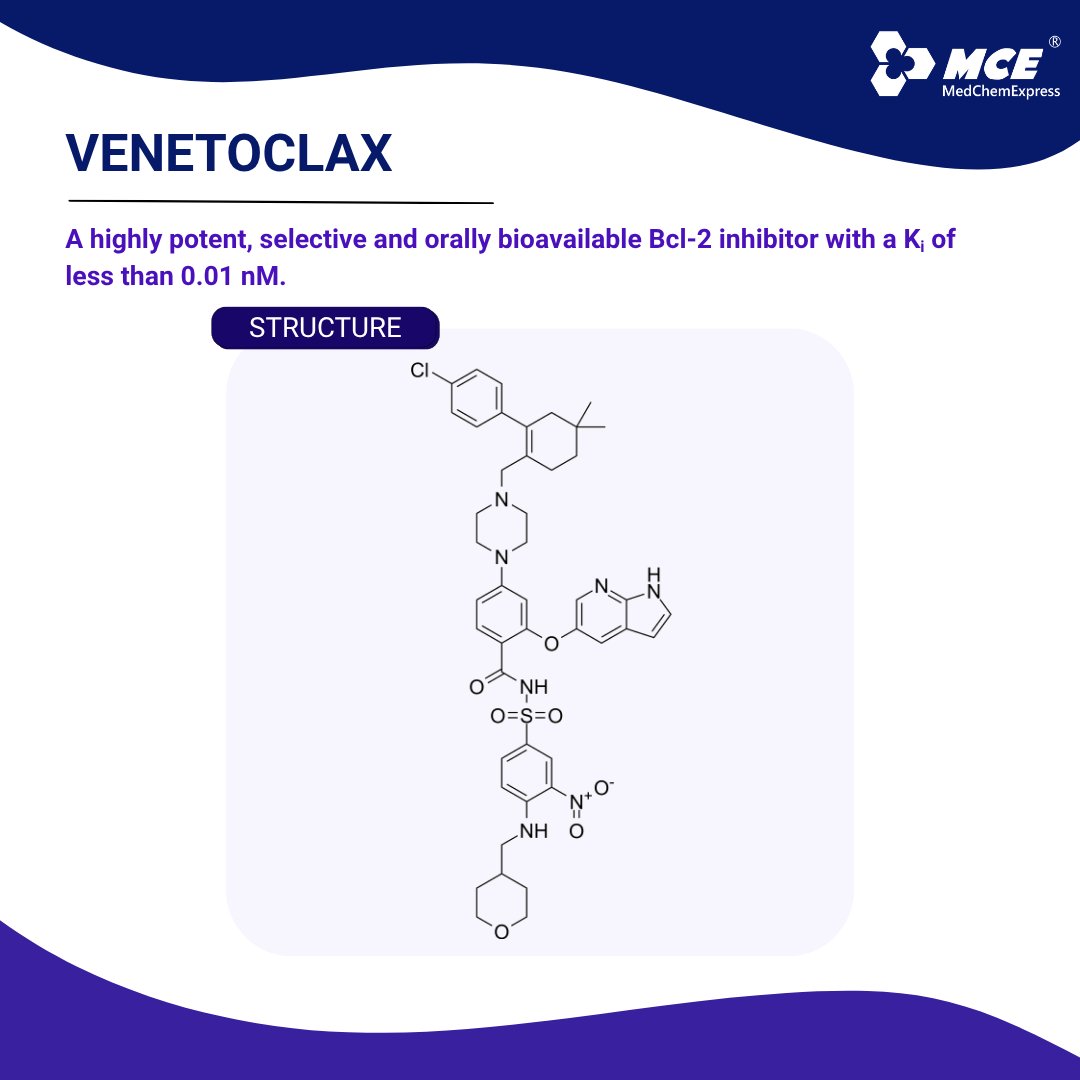
The FDA has approved the combination of oral INQOVI and venetoclax for adults with newly diagnosed acute myeloid leukemia who are 75 years or older or ineligible for intensive chemotherapy.
This marks the first all oral regimen available for this group and offers a more convenient option than traditional infusions.
The supporting ASCERTAIN V study reported a complete remission rate of 41.6 percent with a median time to response of two months.
Patients may benefit from reduced hospital visits while maintaining clinical efficacy. @MedChemExpress
💊#FDAApproval Update | The FDA has approved #INQOVI (#decitabine + #cedazuridine) in combination with #venetoclax for adults with newly diagnosed #AML who are 75 years or older or ineligible for intensive induction chemotherapy.
🩸This approval marks the first and only all-oral treatment regimen for this AML patient population, potentially simplifying treatment and reducing reliance on infusion-based therapies.
📊The ASCERTAIN-V study:
🔹Complete remission (CR) rate: 41.6%
🔹Median time to CR: 2 months
🔹Median duration of CR was not reached at the time of analysis
MedChemExpress offers decitabine, cedazuridine and venetoclax for research use only:
https://t.co/iK8H6bfaD1
https://t.co/U9xmCO9BeU
https://t.co/g7o6LZCX00
#Leukemia #AcuteMyeloidLeukemia #Hematology #Oncology #PharmaNews #DrugDiscovery #CancerResearch #MedicinalChemistry
Lower Lp(a) levels correlate with a modest increase in new-onset diabetes in this FOURIER analysis of over 25,000 ASCVD patients.
The hazard ratio of 1.05 signals a small but real association worth noting in lipid management discussions.
It does not overturn the cardiovascular benefits seen with Lp(a) lowering, yet it adds nuance for patients already at metabolic risk.
Clinicians may weigh this when counseling on aggressive therapies. Long-term data will clarify if the trade-off holds in broader populations. @drpablocorral
🤔Can very low Lp(a) levels be harmful?
☝️A new analysis from the FOURIER trial (25,090 patients with established ASCVD across 49 countries) provides important reassurance for the future of Lp(a)-lowering therapies. While lower Lp(a) concentrations were associated with a modestly higher risk of incident diabetes, no excess risk was observed for other major safety outcomes.
👉 25,090 patients with established ASCVD analyzed
👉 Lower Lp(a) associated with a higher risk of new-onset diabetes (HR 1.05 per 50 nmol/L lower Lp(a))
👉 No increase in atrial fibrillation, hemorrhagic stroke, neurocognitive events, malignancy, or major bleeding
👉 Evolocumab-induced Lp(a) reduction did not increase diabetes risk, even among patients with the highest baseline Lp(a) levels
👉 Findings are highly relevant for interpreting ongoing outcome trials of potent Lp(a)-lowering therapies such as pelacarsen, olpasiran, lepodisiran, and zerlasiran.
📌 Bottom line: Lower Lp(a) appears safe with respect to most adverse outcomes. The observed association with diabetes deserves further investigation but should be interpreted cautiously, particularly as pharmacologic Lp(a) lowering itself has not been shown to increase diabetes risk.
🔗 https://t.co/SMuTkN1CWN
@society_eas@nationallipid