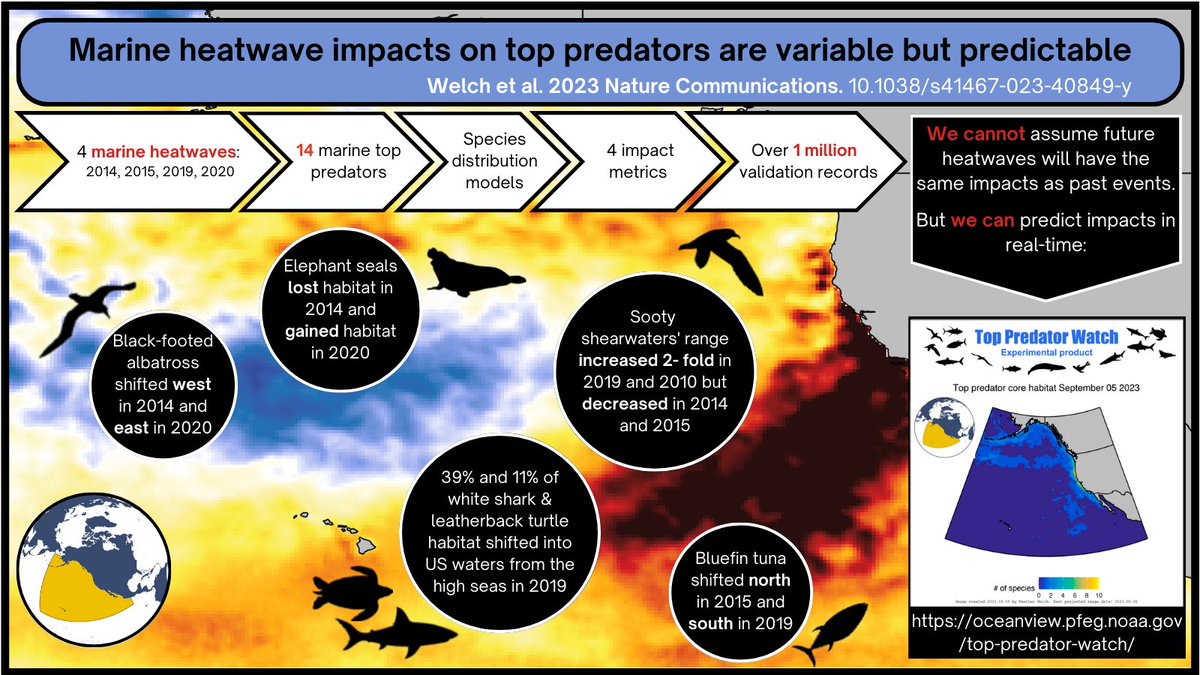
Our new paper in @NatureComms uses a multi-species, multi-heatwave framework to model MHW impacts on marine predators.
We find a surprising diversity of impacts across species and MHWs, signaling a need for ecosystem-based investigations of MHW impacts.
https://t.co/sNrLhxMVyR
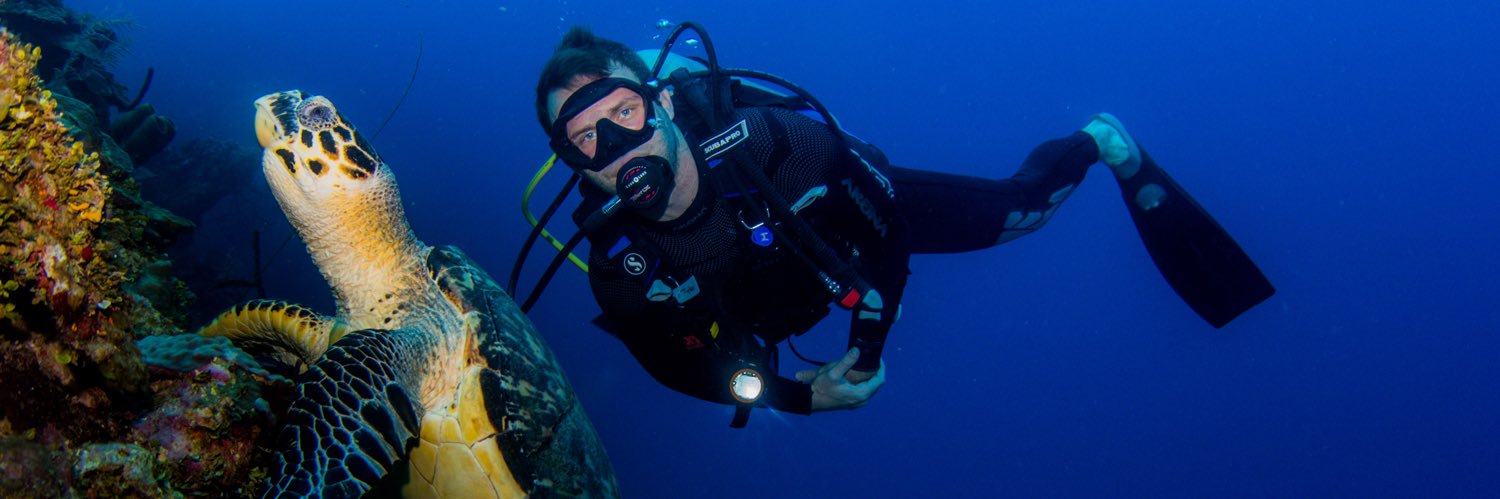
🎤 Today, @TEDTalks features our CEO @darkbluebloke speaking about our open ocean Project. 🌊
Funded via @TheAudaciousPrj, the initiative aims to map all industrial activity at sea and make it freely available to everyone.
📺 View: https://t.co/PDFNcgyZYa #AudaciousProject 🧵1/2
🚨 We're hiring! 🚨
Are you a data scientist who wants to play a key role supporting @GlobalFishWatch's research and innovation team? Great!
Apply now 👉 https://t.co/NHWDP7ssAH
We're looking for a remote #datascientist to join our Research and Innovation team @GlobalFishWatch! Help us tackle geospatial #data fusion problems to produce the most complete picture of human activity at sea. #python#rstats
https://t.co/eA2yE5luGJ
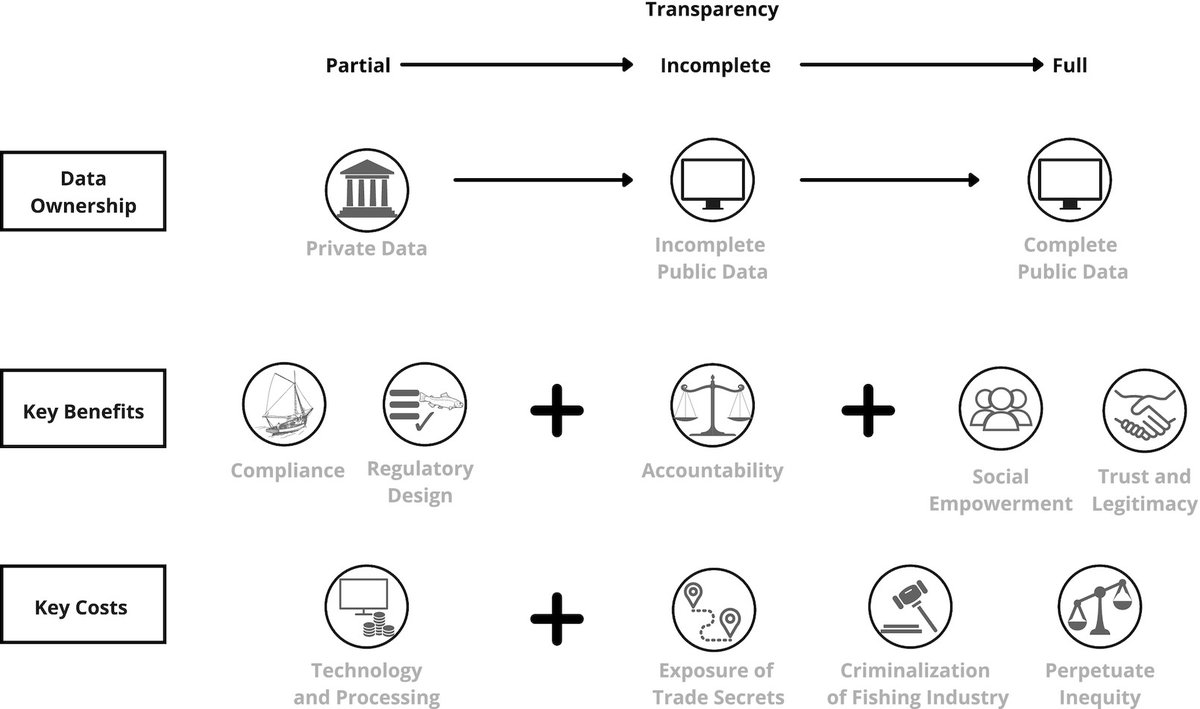
Scaling up transparency in fishing vessel movement reporting needs to be done with care to achieve both fishery sustainability goals and industry equity. emLab researchers discuss this balance in a recent @ICES_ASC JMS article: https://t.co/qtBsMXyFI0
Our Research & Innovation team @GlobalFishWatch is hiring for a remote Jr. Data Scientist! Help coordinate our engagement with the research community and provide #DataScience support to our team and partners.
#rstats#Python
https://t.co/UuOEx5MoR5
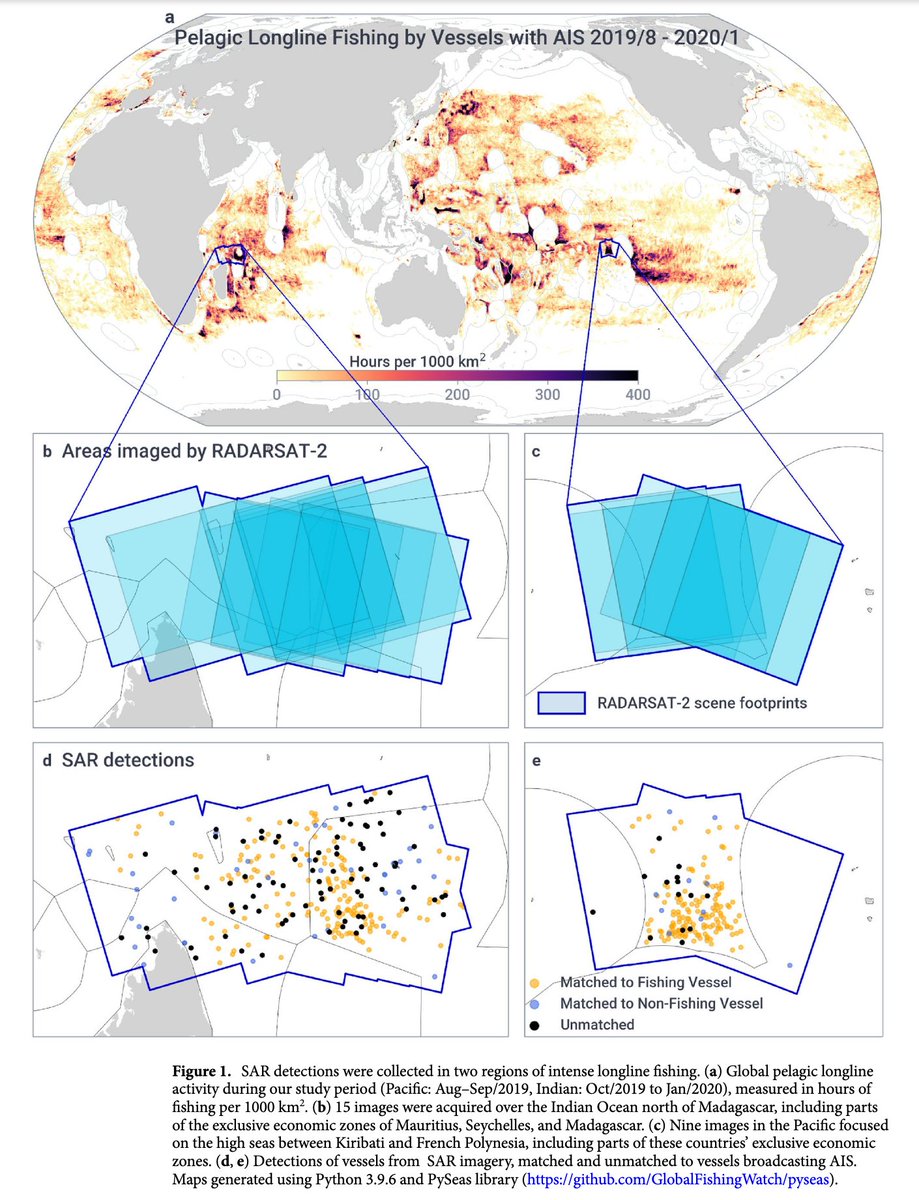
🚨 New @GlobalFishWatch paper in @SciReports 🚨
We reveal that longline vessels not broadcasting their AIS positions account for:
~35% of the longline activity north of Madagascar
~10% of activity between Kiribati’s Line Islands & French Polynesia.
👉 https://t.co/jaFIzg0csS
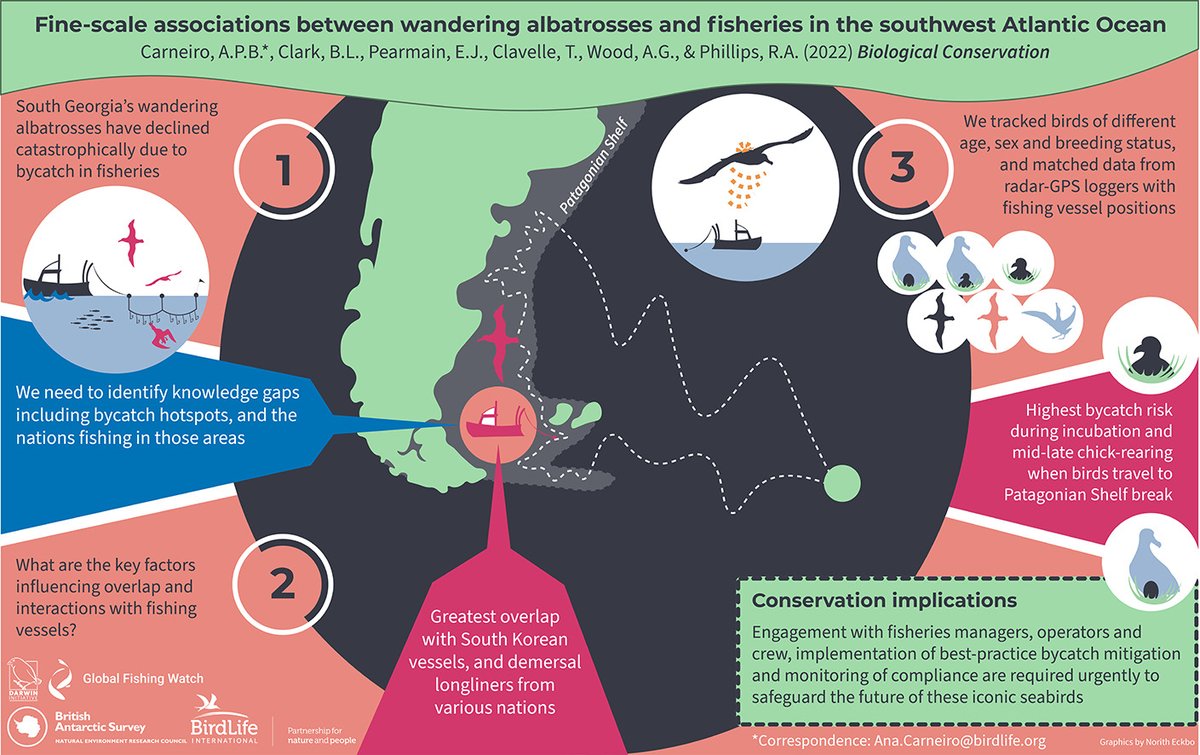
Fine-scale associations revealed between wandering albatrosses and fisheries in the southwest Atlantic Ocean.
New paper from our collaboration with @BAS_News & @GlobalFishWatch funded by @Darwin_Defra.
#BirdLifeScience#Ornithology#Seabirds
Read: https://t.co/nDALxK5Jfv
Exciting news! 🚨
@GlobalFishWatch, along with @NOAAFisheries & @UCSC_Fisheries, provides the first-ever global dataset examining intentional AIS disabling events across commercial fisheries, identifying hotspots of where these events occur, as well as what may cause them.
[1/2]
This data can help authorities prioritize where to deploy surveillance and enforcement resources and focus in-port IUU fishing inspections required by the Port State Measures Agreement. 4/4
We show the reasons for disabling go beyond just a desire to hide good fishing spots. They often occur when vessels are near the sovereign waters of another country or within close proximity of a loitering refrigerated cargo vessel, which are used to transship catch. 3/4