100% this
What ppl are missing is that humans are still very much in the loop, specifying tasks and verifying outputs
SWEs are now spec writers and code reviewers, which is much more like being a manager than an IC
You have to actually find people willing to do that work
Agreed. Dwarkesh is just wrong here.
GPT-5 Pro can now do legal research and analysis at a very high level (with limitations - may need to run even longer for certain searches; can't connect to proprietary databases). I use it to enhance my work all the time, with excellent results. I would REALLY miss the model if it became unavailable to me for some reason.
And yet, the percentage of lawyers who actually use GPT-5 Pro for these kinds of tasks is probably <1%.
Why? There's a myriad reasons - none having anything to do with the model's capabilities. Lawyers are conservative, lawyers are non-technical, lawyers don't know which model to use, lawyers tried GPT-4o two years ago and concluded that it sucks, lawyers don't have enterprise access to the model, lawyers don't feel serious competitive pressure to use AI, lawyers are afraid of opening Pandora's Box, lawyers are too busy to care about some AI thing when there's a brief due to be filed tomorrow morning, lawyers need Westlaw/Lexis connected to the model but that's not currently possible.
I suspect that there are many parallels to this in other fields.
True. Even happens at small/ early-stage companies
Basically politics becomes an issue when “the pie” isn’t growing, so people feel the need to fight internally for a bigger piece
The real solution is to grow the pie so everyone wins rather than resort to in-fighting
as I get older, I have friends now leading some teams at companies and a big part of their job is dealing with company politics
one common theme that's come up - there will always be people at companies who believe they can climb their way higher by pulling you down. The more senior and visible you are, the more this is true. Will will talk badly about your work, dunk on your leadership style, etc. to peers so they can potentially take your future responsibilities.
This happens to every single person so don't take it personally when it happens to you. Personal beliefs:
1) The style of pulling people down burns enough bridges that eventually it backfires
2) The only thing that matters in the long run is that the people you respect, respect you. There will be people outside your sphere of influence that will probably hear the negative stuff. Just make sure the people you actually want to work with in the future respet you.
Getting rid of product managers is turning out to be a bad strategy, where now in the age of AI the most important skills are product/ design thinking now that SWE is getting cheaper and faster than ever
Product is the bottleneck
Outsourcing is turning out to be a bad strategy, where you now need generalists that can maximally increase leverage/ automation using AI and basically build products end-to-end
Specialists uncomfortable with new things and moving more quickly will become very out-dated/ quickly
Biohacking health/ longevity is still the latest/ hottest mega trend
Currently a luxury good only available to those rich with time and money, it should eventually become cheap enough for everyone
It will also become less extreme and more precise: moderation will be built in
I ran into an investor friend who was summering in California. He ordered a glass of Santa Barbara pinot and told me: “I didn’t drink for a year. Then on New Year’s I woke up and realized how boring my life had become. So I had a few drinks that day, and suddenly life had color again.”
When I asked why he quit in the first place, the answer was simple: better sleep, fewer distractions, full immersion in work.
He’s the type who goes all in, which is part of what makes him world-class. So when he discovered longevity, he didn’t dabble. He installed a hyperbaric chamber, bought an infrared sauna, and swapped happy hours for tennis matches.
A year later, he’d landed on a middle ground. Still disciplined, but now sipping a couple of glasses of wine. Nothing extreme. And he seemed lighter, even happier.
Listening to him explain his new regimen, I realized how far we’d drifted from our twenties. Back then it was shots of top-shelf tequila. Now it’s top-shelf supplements and IV shots of NAD+.
In Los Angeles, status used to mean a G-Wagon in the driveway, a Nobu reservation, a Riviera golf membership, or a Bird Streets house “next to Leo.”
That game isn’t gone, but the subtler flex now looks less like Rodeo Drive and more like a medical lab.
The question isn’t “What car are you driving?” It’s “What’s your protocol?”
Designer closets have given way to microdosing GLP-1. Hollywood Bowl tickets have been swapped for Hyrox race entries that sell out faster than Coachella.
Bryan Johnson, Andrew Huberman, and Peter Attia are the new A-listers. Nobody’s quoting movies anymore, but everyone’s comparing T levels.
In tech WhatsApp groups, biomarker screenshots now circulate with the same energy Porsche waitlist confirmations once did.
Even the biggest celebrities have joined in, turning their “health journeys” into content. In August, the Kardashians flew to Mexico for stem-cell therapy banned in the U.S., a ban that only made it more exclusive. Naturally, it became both an Instagram flex with a million likes and a tabloid headline.
Part of it is just age. My friends are getting older, and the ones with early-adopter instincts—and money—have found a new playground in personalized medicine.
The same people who once hunted obscure apps or underground music are now swapping supplement stacks and sleep hacks.
COVID accelerated it. Locked indoors, people built home gyms, experimented with diets, and turned longevity from a fringe hobby into a mainstream obsession.
The old signals also got boring. A Ferrari says money. A cold plunge says enlightenment.
And it’s not only millennials and middle age.
For younger New Yorkers, longevity isn’t about hacking DNA. It’s about escaping the chaos of city life and maybe finding a date.
On Saturdays, Bathhouse in Tribeca is the new brunch table. Forget bottomless mimosas. The real weekend move is sweating with strangers and hoping your soulmate shows up somewhere between the sauna and your third cold plunge. Contrast therapy is the new Tinder.
Sure, the longevity craze might look ridiculous from the outside at times. But it’s ridiculous with benefits. A Patek Philippe watch tells you the time, but an Apple Watch tells you your heart rate, sleep score, and how much stress you’re under.
At some point in my thirties, I realized health is the best ROI. Lose it and you’re only half-present at home, at work, and everywhere in between. I’d take a Prenuvo scan over another luxury purchase any day. Health compounds; things depreciate.
But like my friend who found a middle ground, I’ve come to see that joy matters too. Sometimes longevity means the glass of wine, the night out, the moment that keeps you human.
The old adage was that money can’t buy time. These days, that may no longer be entirely true.
Now excuse me, my biomarkers are waiting.
Product work is largely about building and communicating context between customers, stakeholders and engineers
Rapidly, it’s becoming more and more about building and communicating context with AI
NEW 🧵
A quick thread of charts showing how Trump’s economic agenda is going so far:
1) Trump has had the same impact on economic uncertainty as a global pandemic.
Singapore created the world's most efficient healthcare system from scratch in one generation.
They spend $4,000 per person on healthcare. We spend $15,000.
Their secret?
The exact opposite of what American "experts" recommend: 🧵
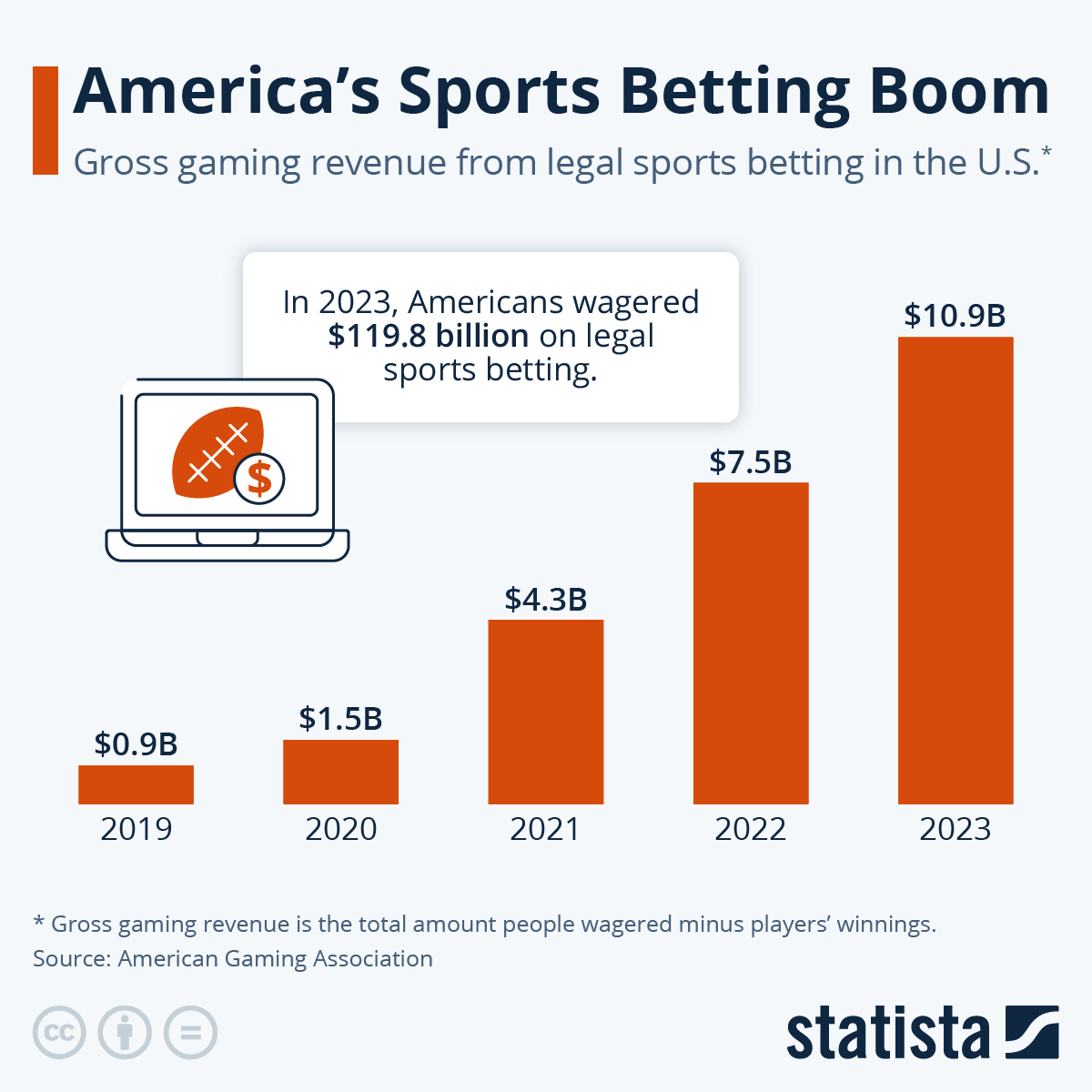
Popularity of prediction markets (eg @Polymarket) during the election makes me think every industry will eventually become "financialized"
https://t.co/DuiLAzsMwj