We are organizing an intense 10-day summer school for new PhD/master's students in computational genomics & metagenomics at IISER Pune (July 18th-27th, 2026) - please do spread the word! https://t.co/HMDn7RWWnb
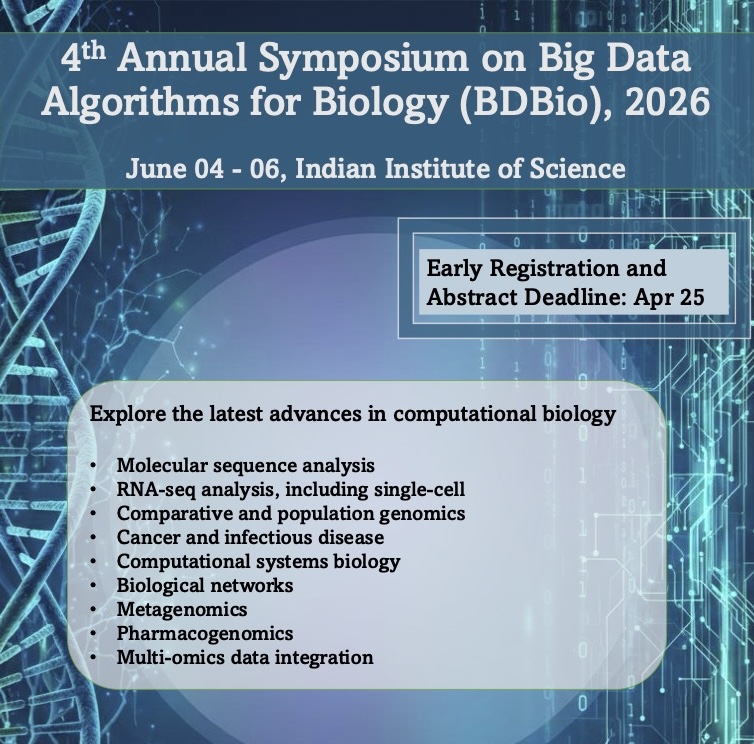
We are pleased to announce the fourth annual Symposium on Big Data Algorithms for Biology (BDBio), to be held at @iiscbangalore from June 4 to 6.
Register and submit your research abstract by April 25
More details at https://t.co/657fd4YGXR
Excited to co-conduct a National Workshop on Computational Metagenomics: Methods & Applications at IIT Madras (Apr 7–9, 2026)!
Open to students, researchers & faculty interested in metagenomic data.
🗓 Deadline: Mar 25
Link in comment.
#Metagenomics#Bioinformatics
NASA gets the credit for the ISS, but the actual breakthrough analysis of how these bacteria mutated was a collaborative masterclass led by IIT Madras.
The study, published in the journal Microbiome, was co-led by Prof. Karthik Raman (IIT Madras) & Dr. Kasthuri Venkateswaran (a legendary Indian origin scientist at NASA's JPL).
They found that the ISS strains developed a stress-response shield. In the high radiation, low gravity environment, the bacteria became Pathogen Prime & started assisting other harmful bacteria to survive, creating a microbial mafia that protects its members from the station’s cleaning protocols.
A grown man tossing his opponent’s King who’s half his age into the crowd. Real classy, Hikaru. The hate Magnus and Hikaru have for India’s Gukesh is just unreal.
#Chess
How does digestion work & is it affected by microgravity?🤔
In the latest STEMonstration video, ISRO (Indian Space Research Organization) astronaut Shubhanshu Shukla dishes on nutrition & how the body digests food in space.
Hungry for more? Visit https://t.co/Xto3ZTvmQj.
Science from space - one of the highlights of this mission was conducting science in microgravity.
Simple experiments become complex due to the environment of microgravity. Since everything floats, nothing would break if you leave it but would surely float away and you may end up spending half of your day searching for the item (Not saying it happened @)
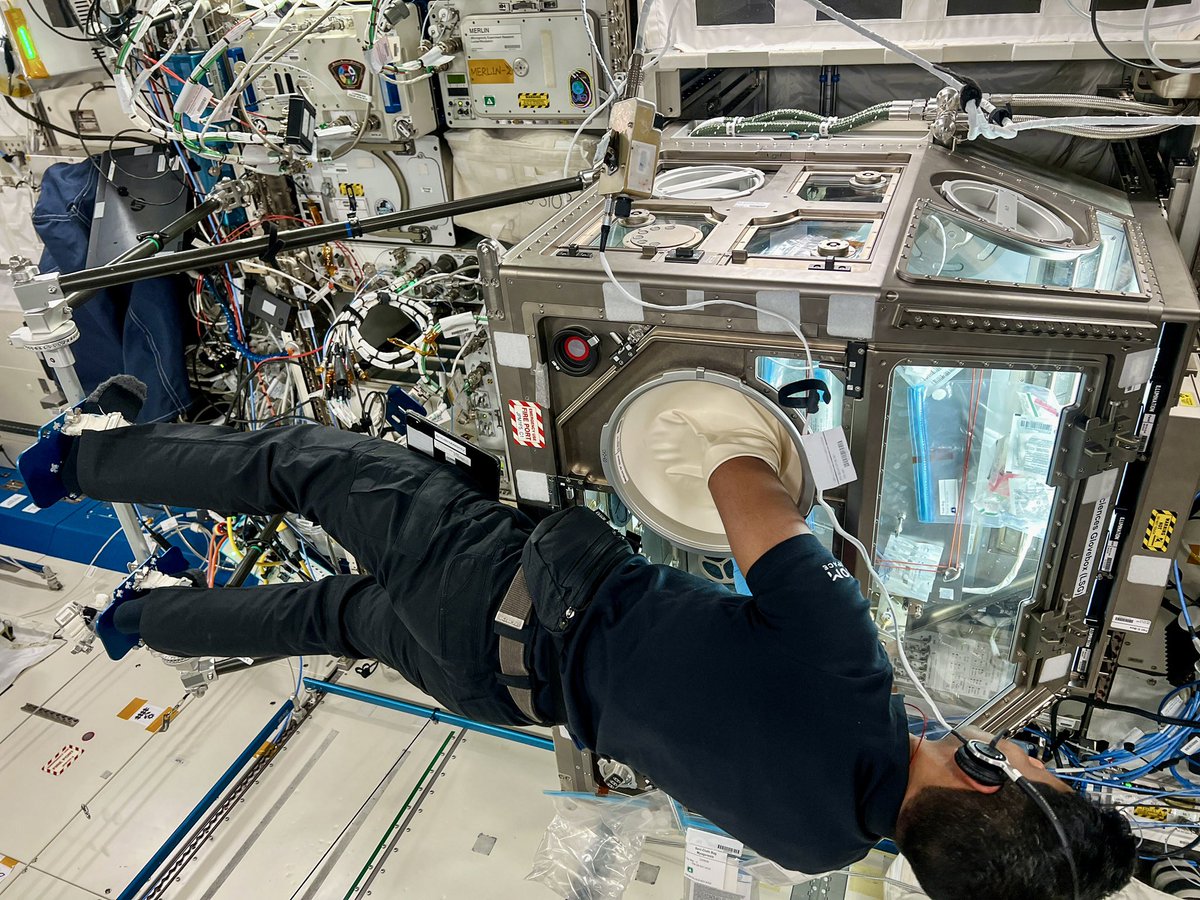
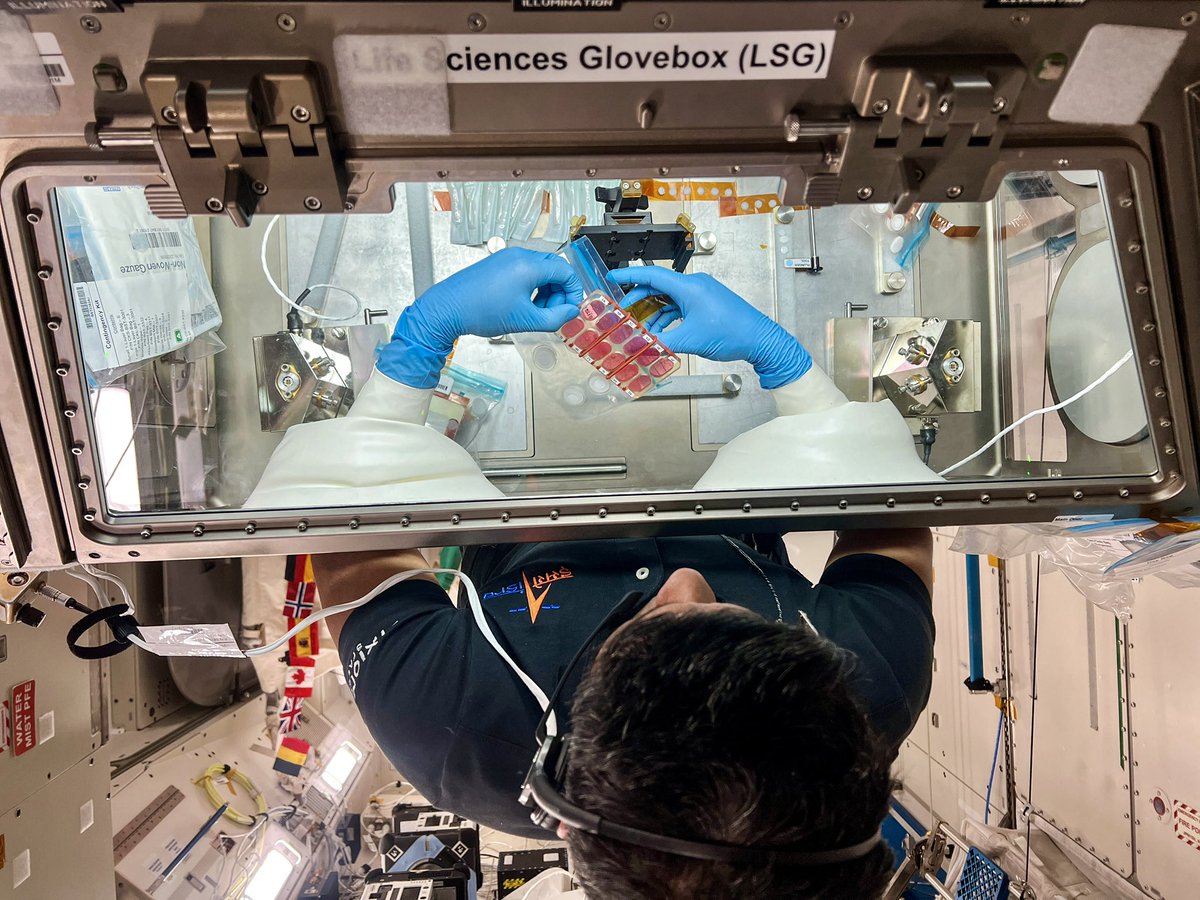
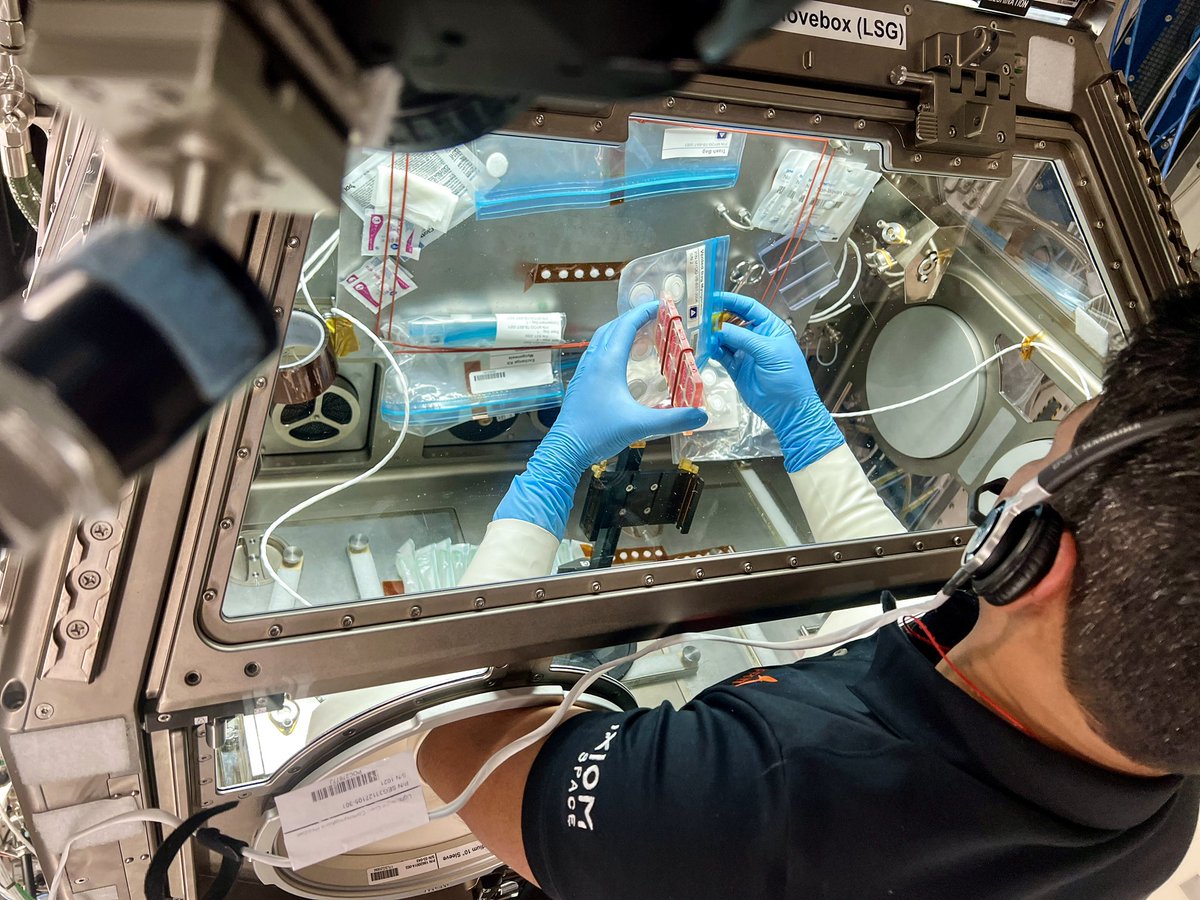
Here I am working in the LSG (Life Sciences Glovebox) that is used for experiments that need containment due to a higher hazard level.
Microgravity causes muscle atrophy due to reduced load on the muscles in the environment of microgravity.
Here on Earth our muscles are always under 1g load but in space this vanishes. Astronauts have to exercise regularly to preserve muscle mass. But even the exercise does not help the stabilizer muscles.
Researchers from InStem, India developed the experiment to study the effect of natural supplements on stem cells in microgravity with an aim to accelerate muscle repair.
In the LSG you prepare everything outside first and once all the equipment is ready you follow sterile technique and insert them in the LSG. Once done, you insert your arms in the gloves and get on a headset talking to a ground co-ordinator throughout the experiment to clarify any queries or concerns. They also get to see what you are doing through a camera.
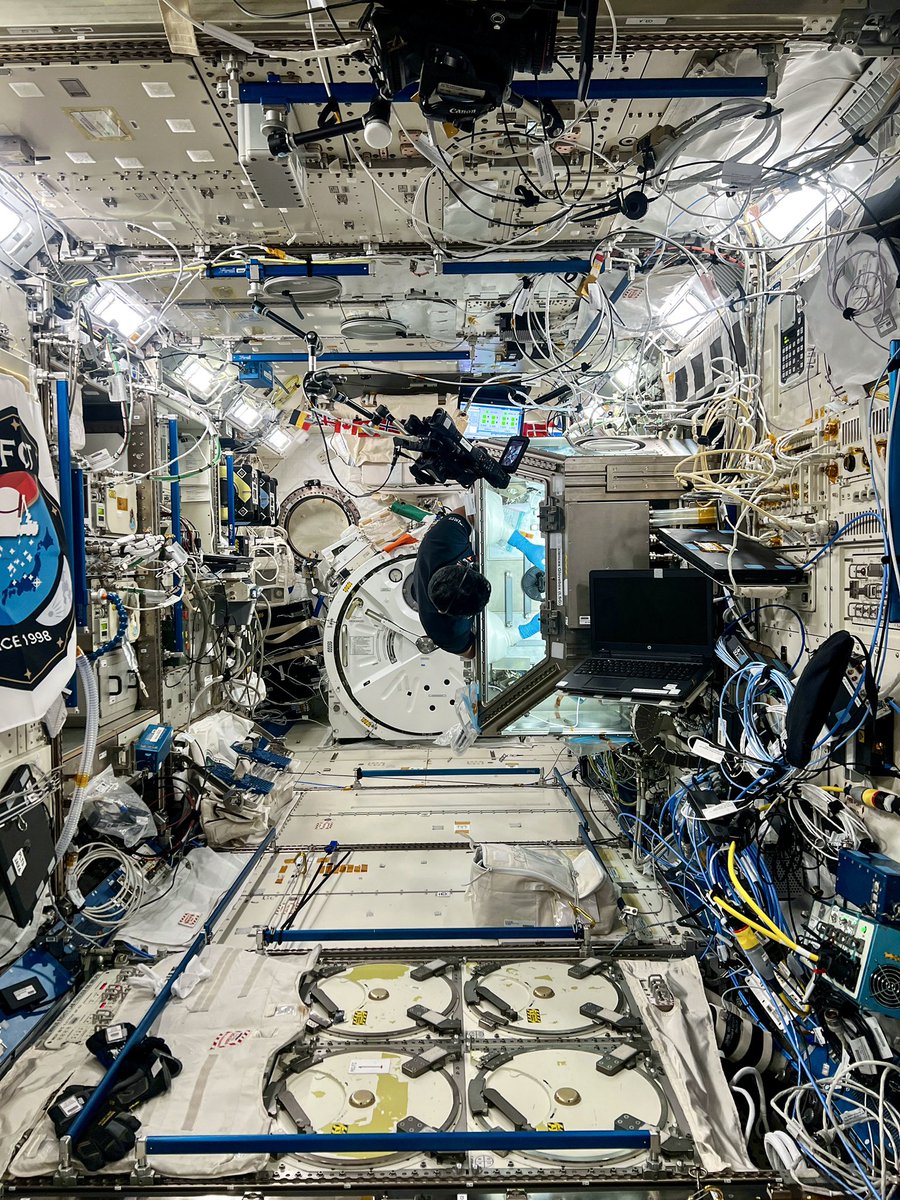
For perspective last image shows the correct orientation and I am on a wall. Really cool to hang on a wall and do science- something only possible in space.
#space #shux #shubhanshushukla #scienceinspace #space_station #iss #india
LIVE: @Axiom_Space's #Ax4 mission, with crew from four different countries, is about to launch to the @Space_Station! Liftoff from @NASAKennedy is targeted for 2:31am ET (0631 UTC). https://t.co/yBgO8bxb6Z
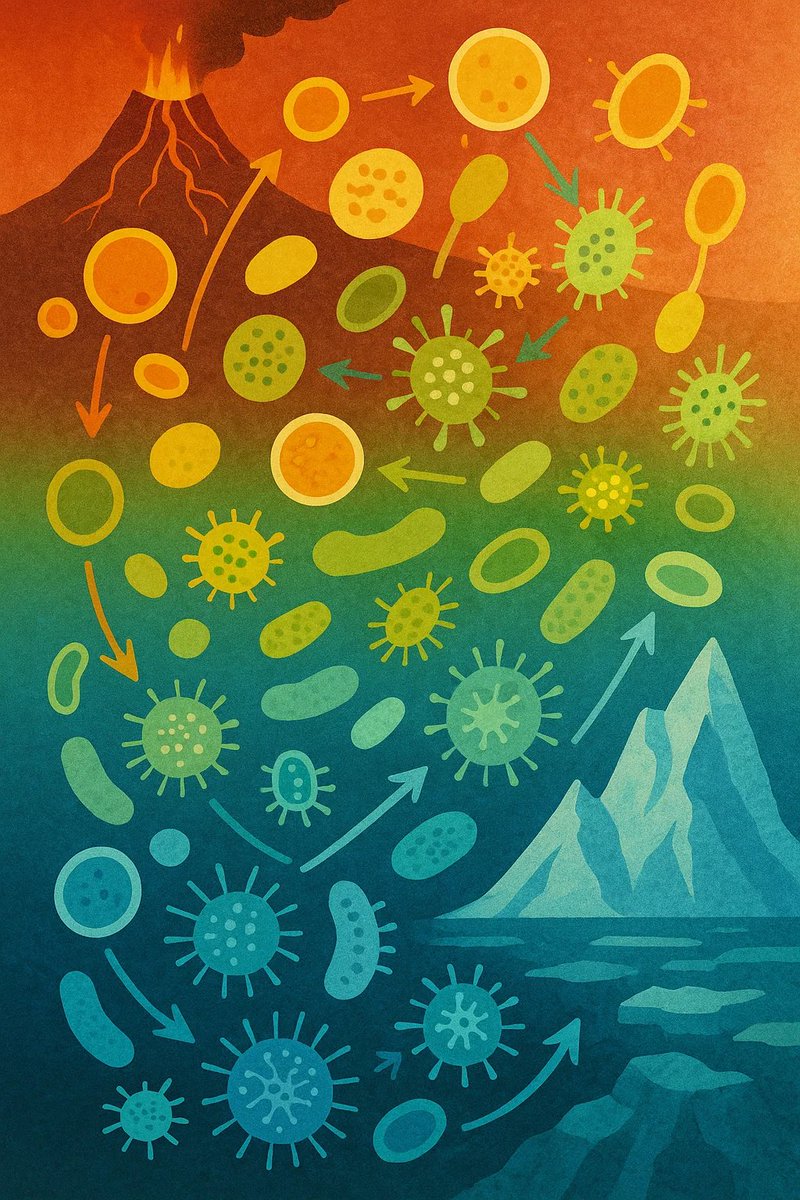
Almost four years ago, I started my journey with tiny creatures of extreme environments. How they chit-chat (interact) is key to sustaining life in the most hostile corners of our planet.
Image generated: Sora
#WorldEnvironmentDay#Microbiome#ExtremeEnvironments#Ecology
🎉Our latest paper is out in npj Systems Biology and Applications!
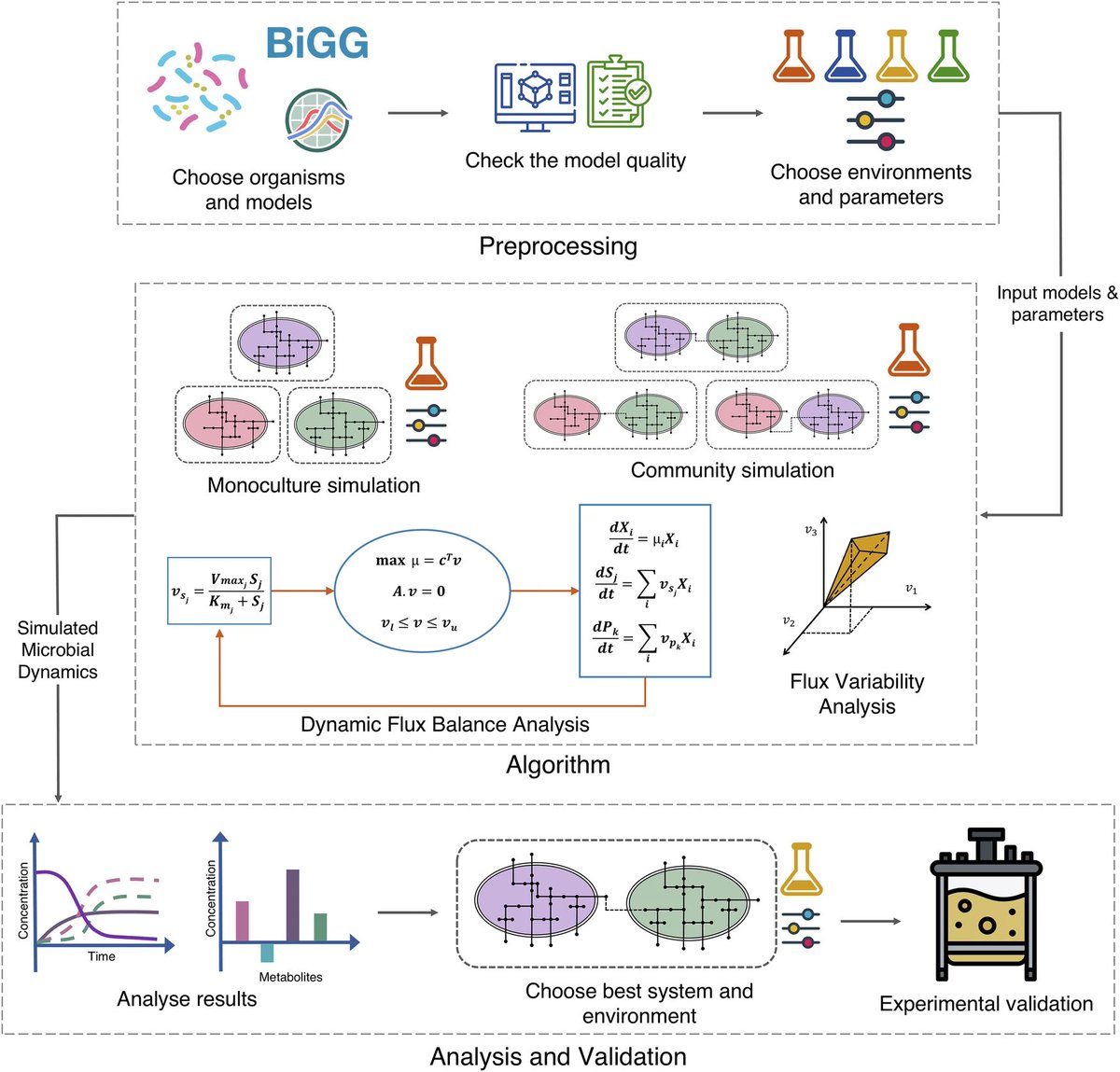
We present COSMOS–a computational tool to predict optimal microbial monocultures & co-cultures for specific environments
Read more🔗https://t.co/fwG3ECiWTf
👏 Kudos to Lavanya Raajaraam for leading this work!
The WSAI Annual Research Showcase 2025 highlighted new research that could be transformed into real-world solutions. Do check the Video of the event along with voices of faculty, participants and industry representatives
@ravi_iitm@karthikraman@cerai_iitm@rbc_dsai_iitm
In #Microbiome
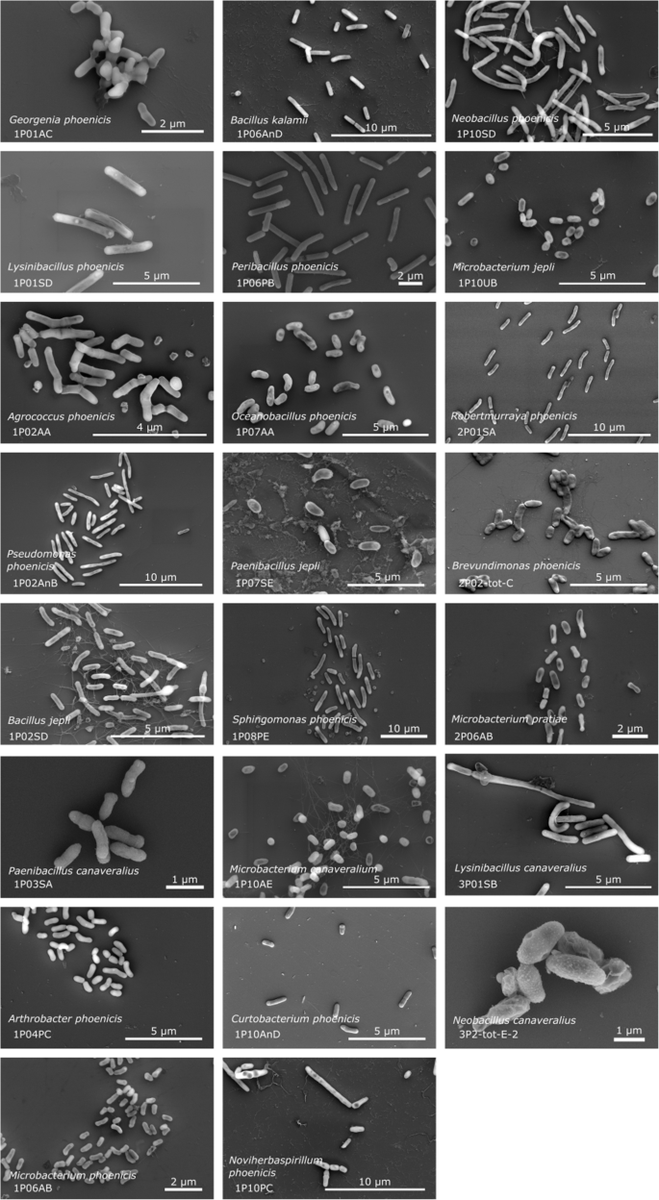
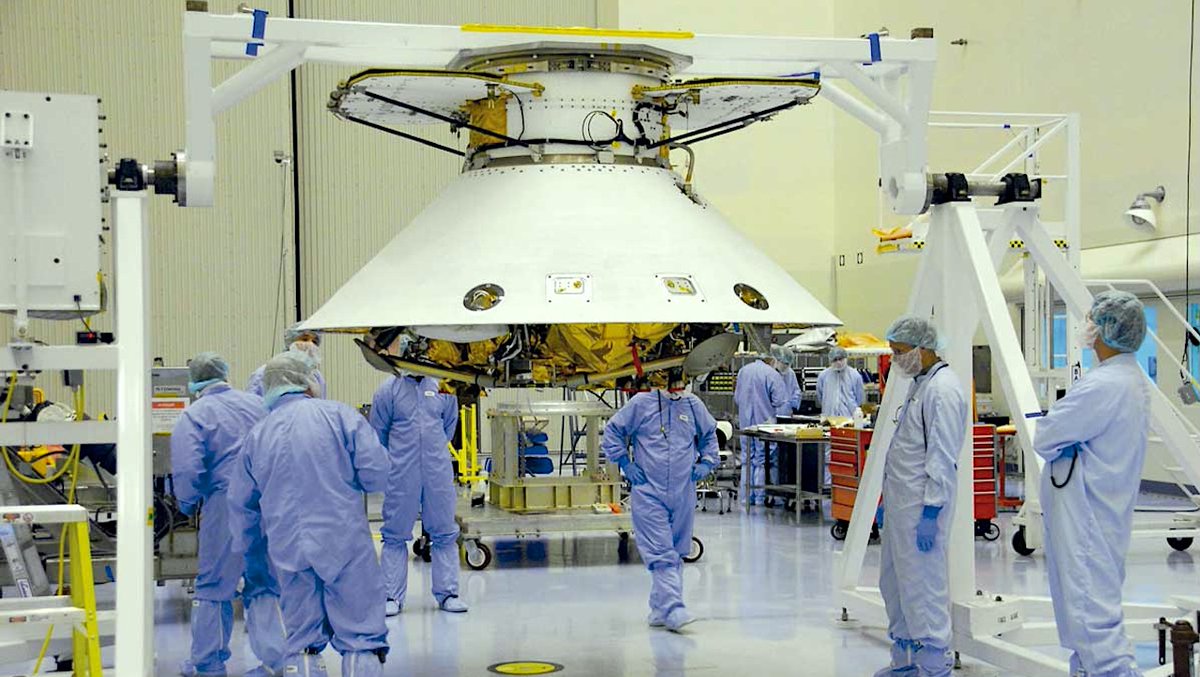
🚀Exploring how NASA's mission spacecraft assembly cleanrooms host 26 novel bacterial species
🦠These microbes form biofilms, resist various stressors & hold biotechnological potential
🚨https://t.co/Po9qKqcuUJ