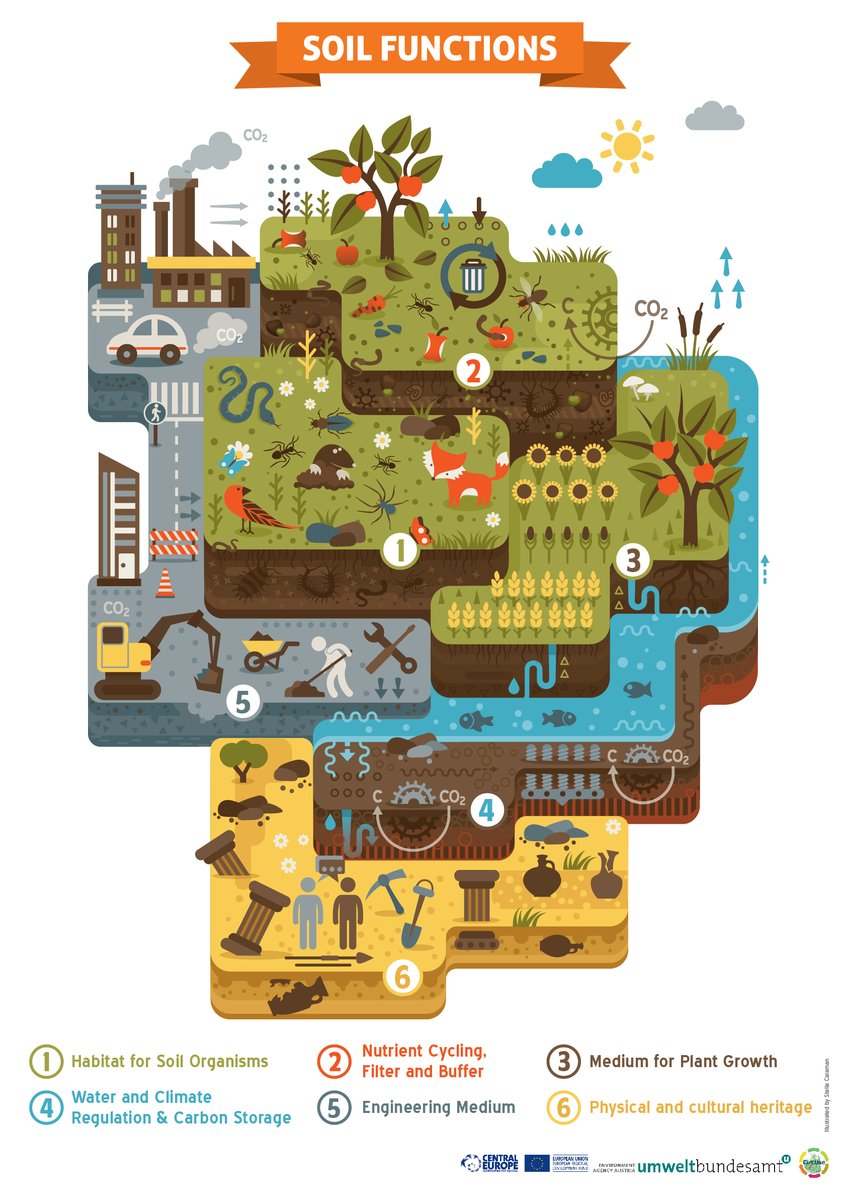
Healthy #soil is a real powerhouse:
🐞 Habitat for soil #biodiversity
🌤️ Carbon store and #climate regulator
💧 Water tank and purifier
🌻 #Food producer
🏺 Keeper of heritage
Protecting #soilhealth ensures its many functions that enable life on Earth!
via @unccd
My colleague Richard Hogue present a poster at #GSB2023
Long-term effect of crop management practices on Clay soil properties and microbial diversity
Poster number: P98
My new review on bias in microbiome studies is out in the journal Microbiome! https://t.co/IyiLy3TDuO I originally wrote this as part of my comprehensive exam for @Dal_micro_immun ! I'm glad that it is now being shared with the rest of the field #microbiome
Good new work leveraging accurate long-read amplicon sequencing to generate far more comprehensive references for specific environments. Makes standard amplicon profiling more informative and comparable across studies: https://t.co/5fRmT59YtS @msdueholm @MadsAlbertsen85
From today, code can be an integral part of a paper published in eLife. Announcing the Executable Research Article, a new open format for research papers where code can be run directly in the browser https://t.co/2ImG9XSq0l
Want to learn about microbiome bioinformatics from members of the @qiime2 team? Mark your calendars for October 5-9, 2020 for a five-day **online** course! Details at https://t.co/PUMpksPyJy
Our @qiime2 protocols paper is finally online at @currentprotocol! Long time in the making. Endless thanks to the amazing team I got to work with on this, especially Serene Jiang, the other co-1st. A summary of what makes this tutorial useful:
https://t.co/6Nq0veqFJw 1/10
This study recommends truncating reads with q=18 before DADA2. Please don't do this! You will lose lots of your useful reads. My first twitterant. 1/18 https://t.co/nKXVug4361
When data & science are moving this fast, it's hard to keep up. After a short pause, we are very happy to have a new #COVID19#SARSCoV2 Situation Report Narrative online at https://t.co/kFachAu7Da. Translations will follow.
Here, we cover what the latest sequences tell us. (1/2)
Oh, wow! Check this out.⠀
⠀
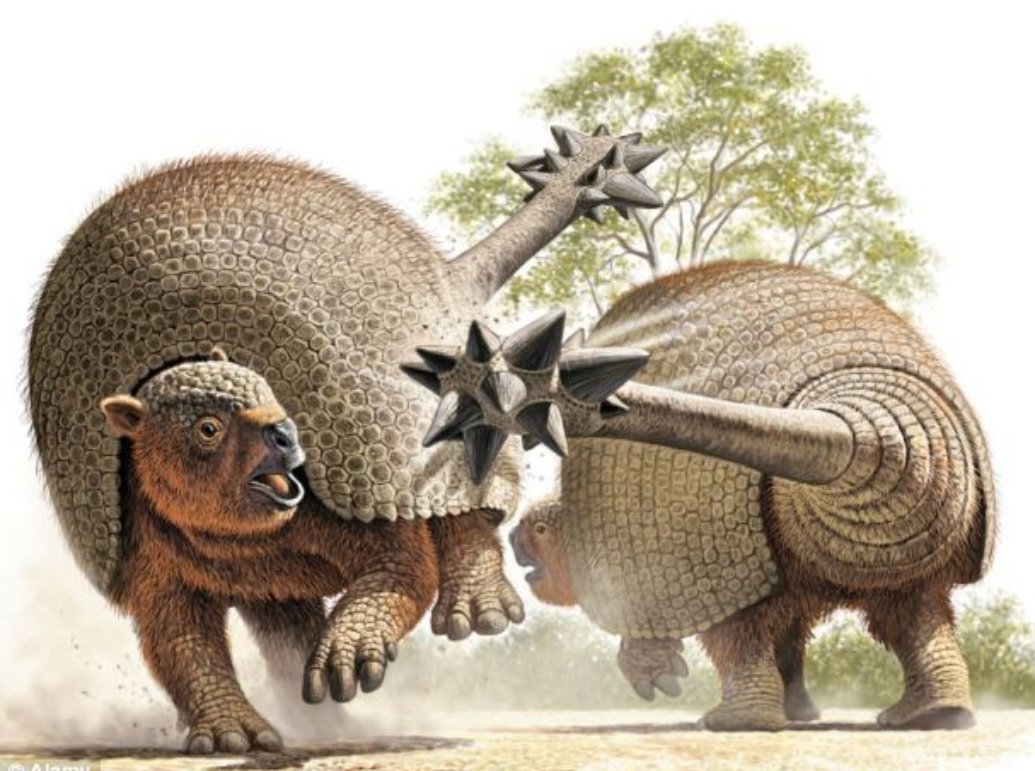
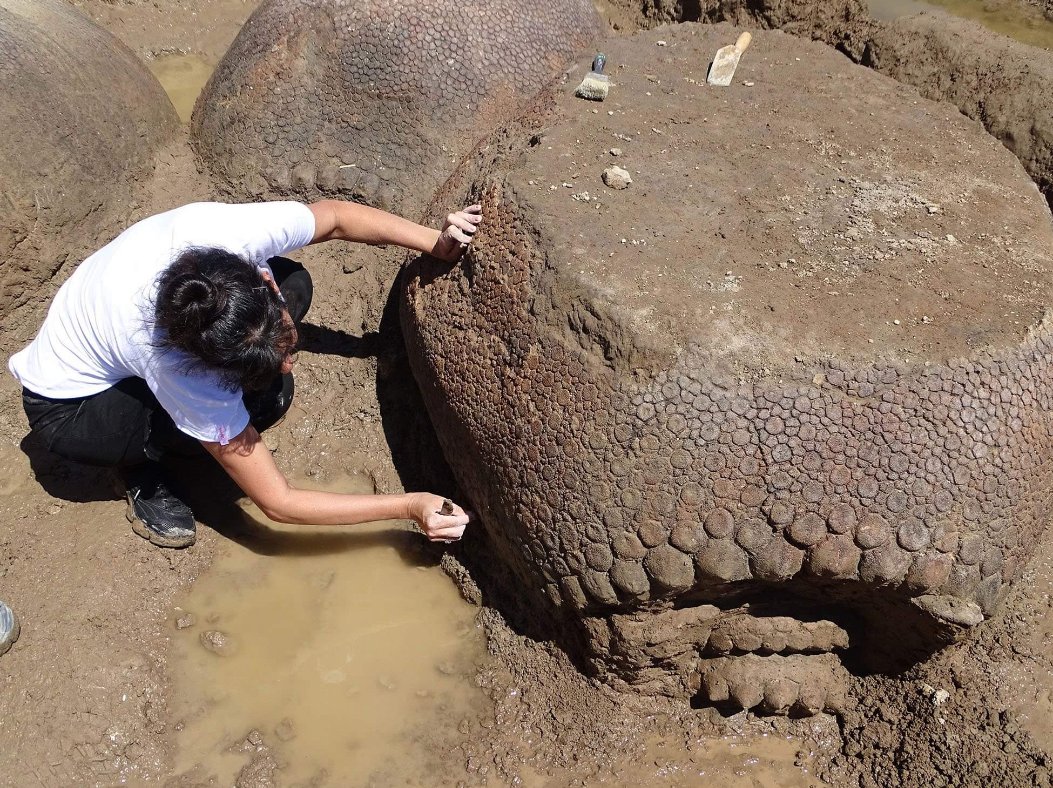
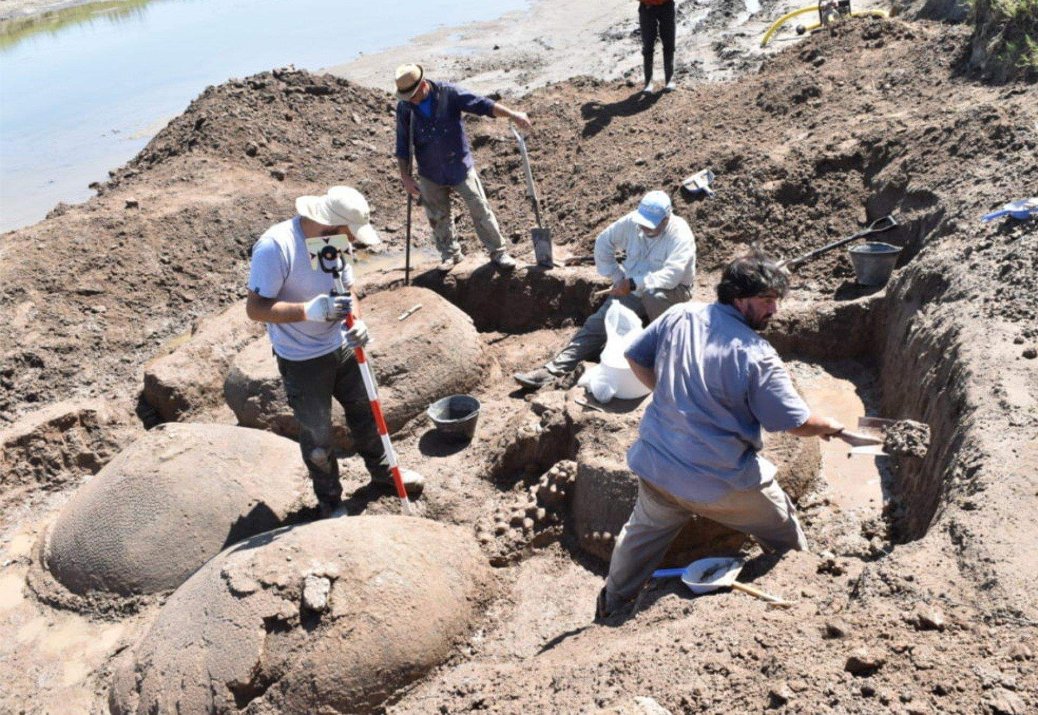
A farmer stumbled upon FOUR giant armadillo relatives, called glyptodonts, in Buenos Aires, Argentina. Presumably, the close association suggests they were a social group.
They're about 20,000 years old. ⠀
Images: CEN/Incuapa-Conicet.
So happy to see this paper led by @JenniferRocca1 out in @ESAEcology!
We show that rare microbial taxa emerge during community coalescence and drive the maintenance of microbial functions and diversity.
With @DrBioGC@JPWrightEcology@Alex_Washburne https://t.co/bIH0rrYuvm
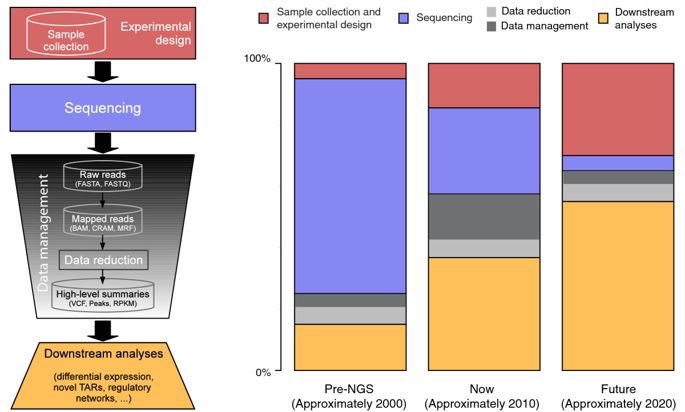
Thank you 2011 @MarkGerstein - I needed to say exactly this in my slide deck and this figure is quite prescient, especially thinking about commercial cloud. https://t.co/xh6ElCHQ0f
we’re excited to announce that QIIME 2 was funded in the @CZIScience Essential Open Source Software for Science program! brief details on our plans below, with more info coming soon. thanks to our community and
@CZIScience for the support! @NAUResearch
https://t.co/F02OCBbVKe