Now that I've had a chance to see peoples' questions about @eLife's new publishing model, time for a thread for a thread with some details and answers.
https://t.co/tD1BovOzLd
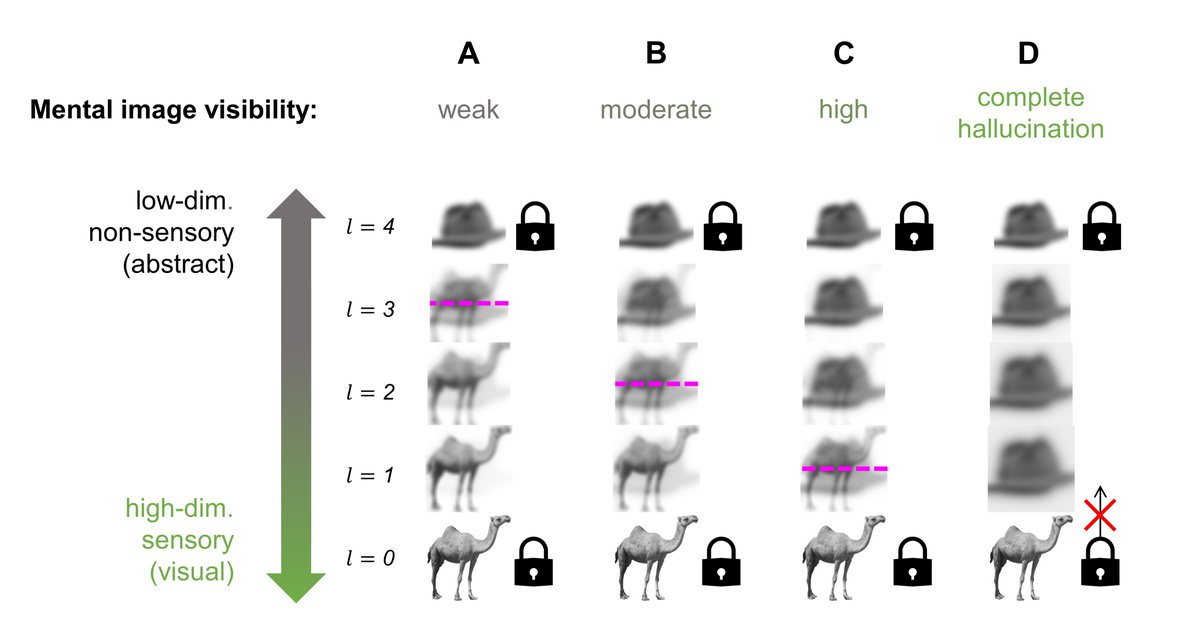
Why do mental images look different to real images, and to hallucinations? Our new #preprint answers these questions by considering a simple premise: mental imagery never occurs in a vacuum.
Check it out: https://t.co/5esLlrtmj0
With @amandarob10 & @CompCogNeuro#mentalimagery
I'm very pleased to share that my recent work with the wonderful @Becca_Keogh_PhD, Sarah Robuck, and @ProfJoelPearson on episodic autobiographical #memory and #imagination in #aphantasia is out now in Cognition (https://t.co/xYJvPJRUCj).
Thread below!
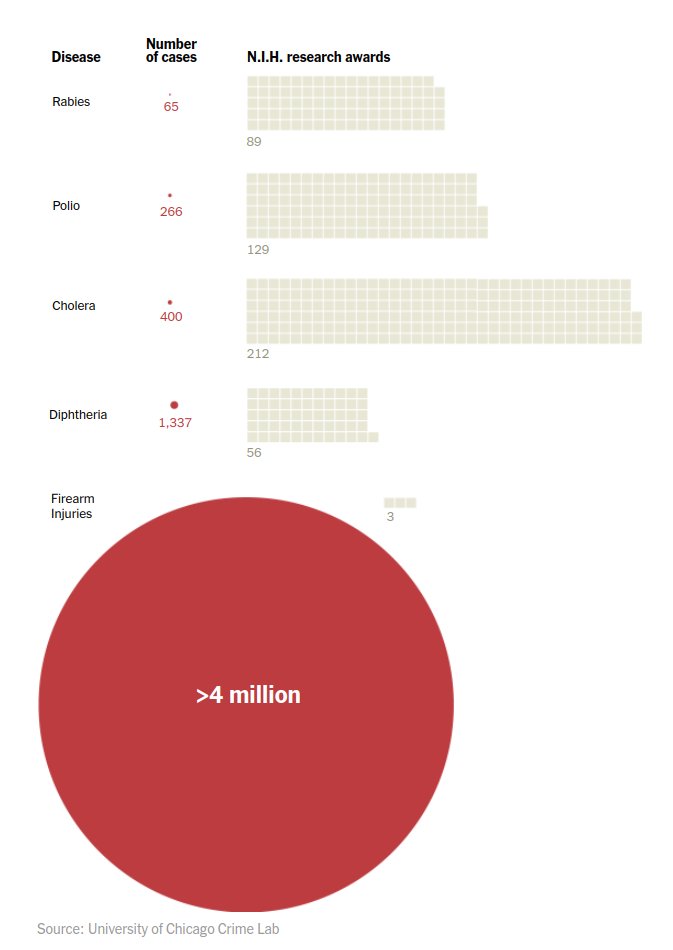
everyone works to make figures that are easy to understand, but this one took me a minute (I thought it was a graphics mistake) and that made the point even stronger
I wrote about the very public disagreements over the recent Nature Medicine paper, and how the strong reaction to how this paper was presented in the media, and talked about by scientists is reflective of a larger critical turn in psychedelic research. https://t.co/AMXc1a3uuA
"Eye-contact affects synchronization between brains more than within brains, demonstrating that eye-contact is an inherently social signal."
—Social synchronization of brain activity increases during eye-contact https://t.co/7Y0oS3ySHj Congrats to @caroluft, @Ioanna_Zioga_ & al!
@Ruchimk Hi Ruchi, this was an amazing paper! I am wondering if you have seen evidence of, or come across similar research showing similar long-range inhibitory circuits that exert top-down control on visual cortex activity?
Our new series that breaks down complex brain science into relatable content for anyone to understand!
Narrated by PhD Candidate @thomasjpace, Part 1 looks at the divided brain and how our conscious experience of the world is pieced together.
https://t.co/eWzF3FtY5C #scicomm