Dad, Husband, Prof, Scientist, Teacher, Learner, Metabolism-Autophagy-Lysosome-Nutrient Researcher, Movie, Music & Food Lover, Traveller. My Tweets Are My Own.
Delighted to see our new paper in Methods out on DNA-free CRISPR–Cas9 ribonucleoprotein electroporation protocol in muscle cell lines. A shout-out to our talented PDF, Dr. Nami , co-authors and collaborators @PKienesberger
https://t.co/N2hdokwdYK
@Methods@ElsevierConnect
I'm very happy to share the final version of our paper, “MCT1-dependent mitochondrial lactate import sustains cardiac metabolism,” out in Nature! We show how lactate fuels heart mitochondria and helps protect the heart during stress. https://t.co/QRztJAzfW7 @UofUBiochem 1/10
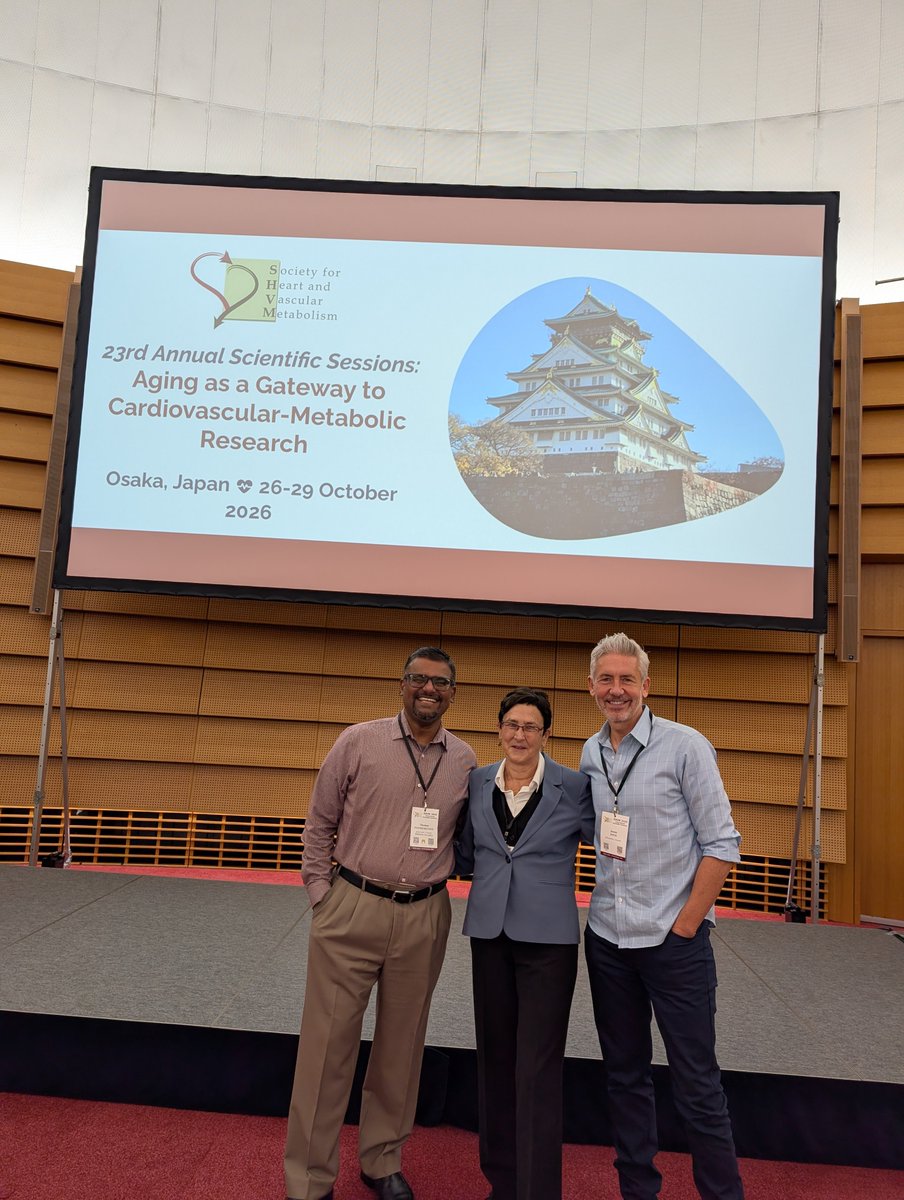
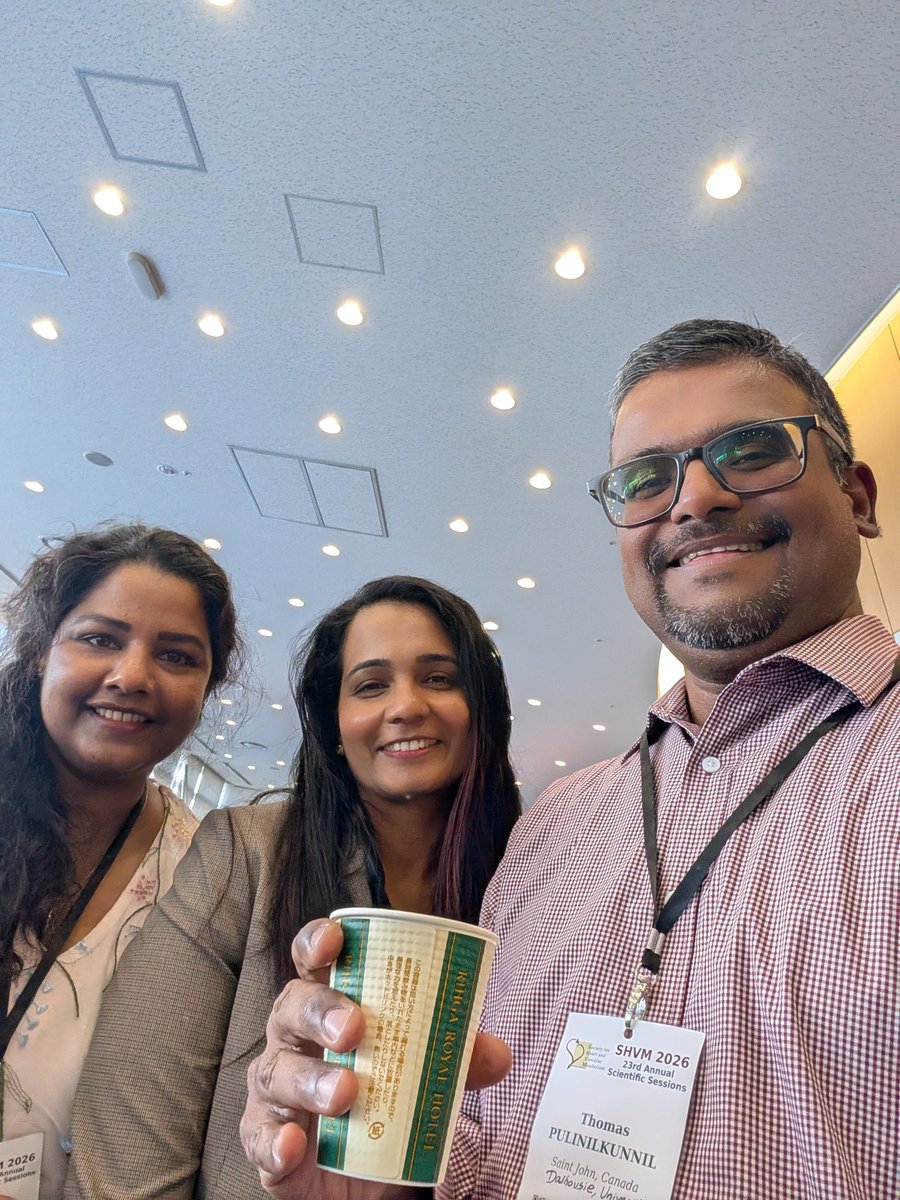
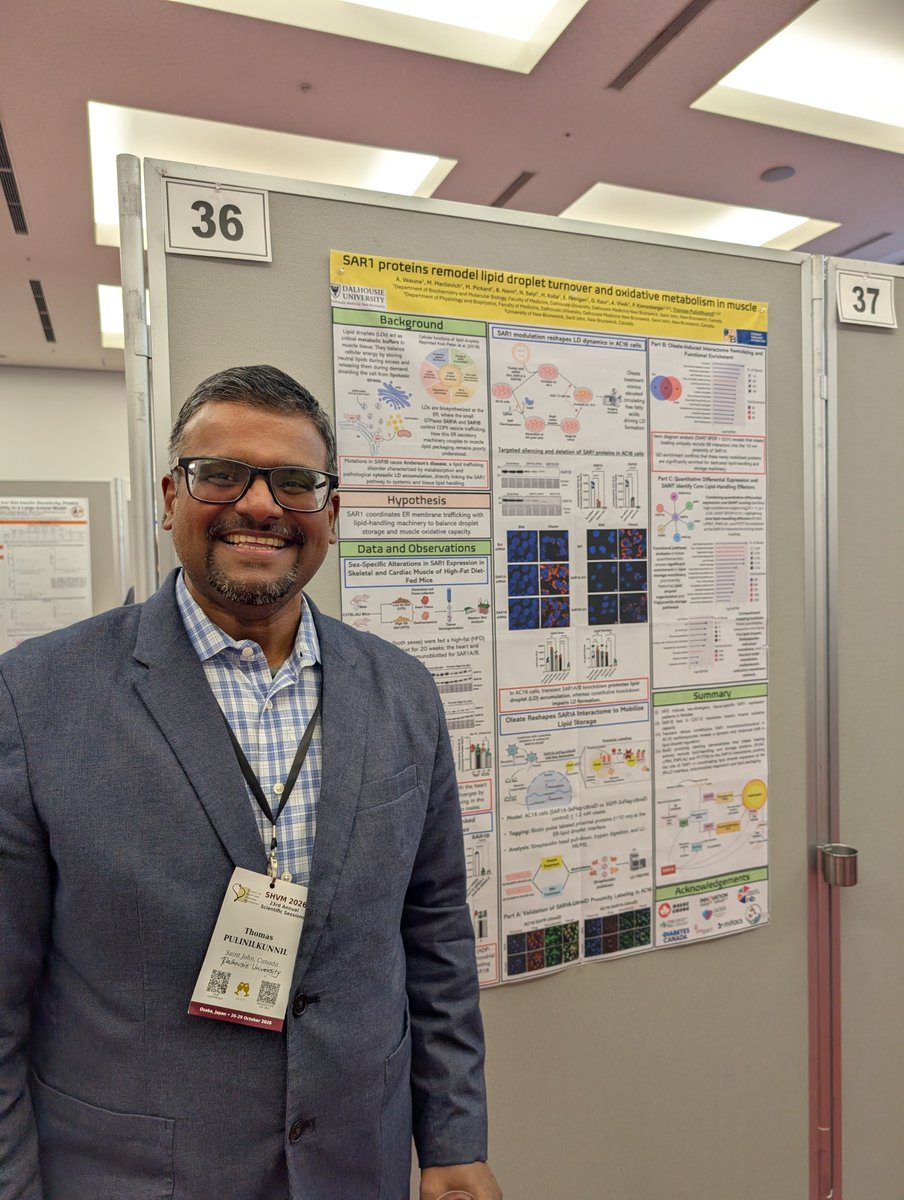
Thrilled to have attended #SHVM2026 Groundbreaking science from #metabolism community. Felt excellent connecting with peers, and trainees. Grateful to #Osaka hospitality, on first-ever trip to #Japan and looking forward to #SHVM2027 in Banff, Alberta @Soc_HrtVasMetab
In JBC press| TRPML1 loss disrupts lysosome–mitochondria homeostasis and sensitizes MDA-MB-231 triple-negative breast cancer cells to chemotherapy.
Learn more:
https://t.co/PxFm11SaZs
#JBiolChem
ANNOUNCING THE 2026 WOLF PRIZE LAUREATES IN CHEMISTRY
The 2026 Wolf Prize in Chemistry is awarded to Pascal Mayer, Shankar Balasubramanian and David Klenerman for developing impactful, low-cost, next generation DNA sequencing methods for genomic medicine.
Their work helped transform DNA sequencing into a technology capable of operating at extraordinary speed and scale.
Balasubramanian and Klenerman pioneered a massively parallel sequencing approach that contributed to a million-fold improvement in sequencing speed and cost, helping make it possible to sequence a human genome for under $200.
Mayer played a pivotal role in turning those breakthroughs into a practical high-throughput sequencing system, integrating the chemistry, microfluidics, optics and computational components needed to make the technology work at scale.
Today, the sequencing platform that grew from this work forms the technological foundation for more than 90% of global sequencing data, powering major advances in genomics and precision medicine.
Congratulations to the 2026 Wolf Prize Laureates in Chemistry!
@Cambridge_Uni @universitedestrasbourg
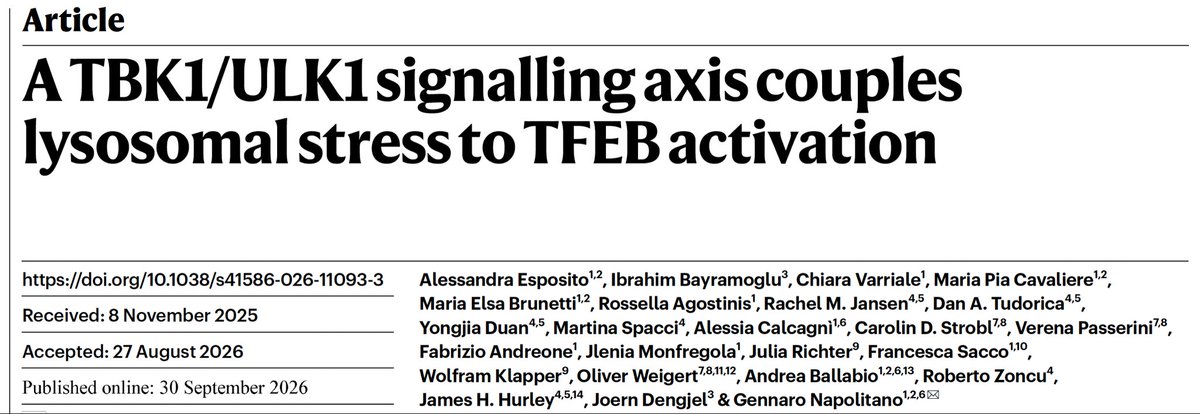
Happy to see our paper, led by outstanding postdoc Alessandra Esposito, out in @Nature today. We uncovered a TBK1/ULK1 signaling pathway that acts as a lysosome quality control mechanism, regulating the FLCN-TFEB axis in response to lysosomal stress
Link: https://t.co/QggVck6Dzs
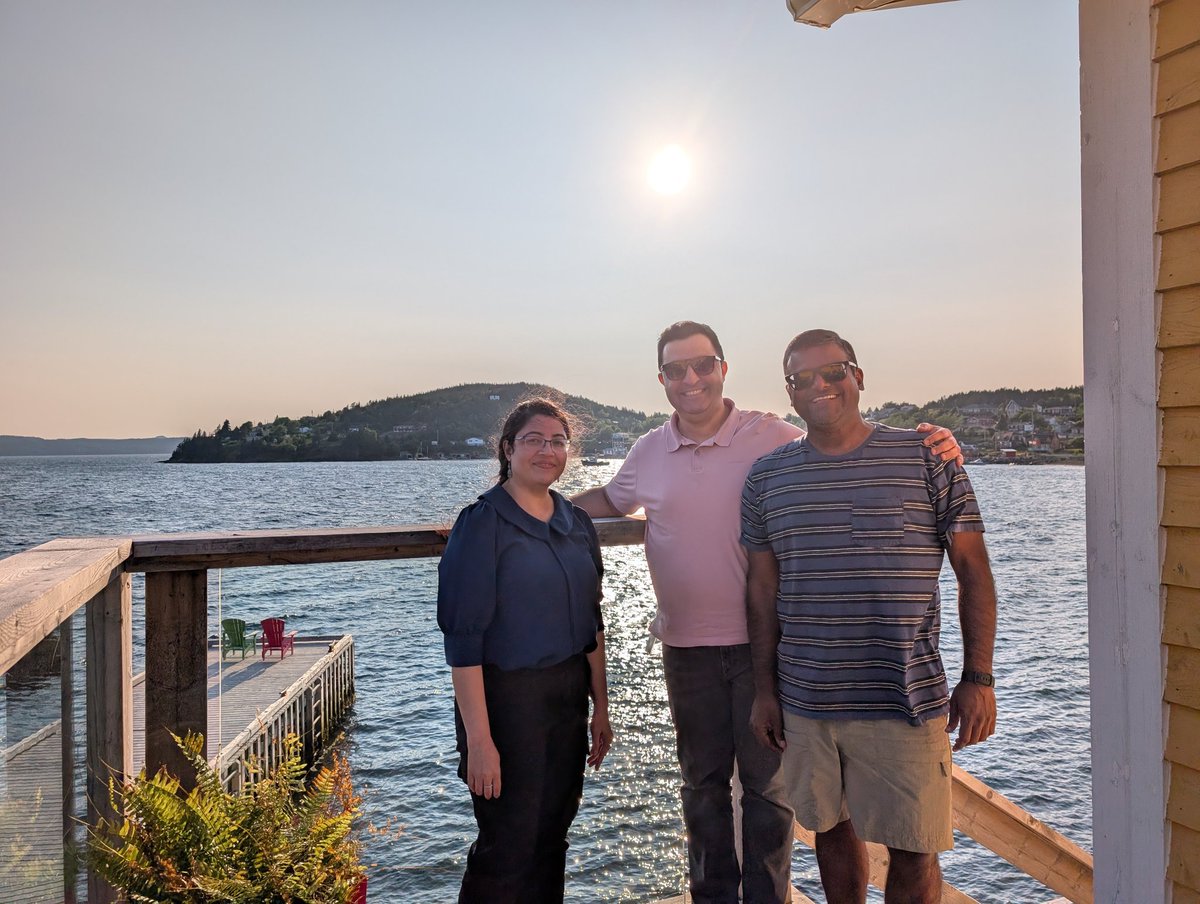
Thank you, @MemorialU, Faculty of Medicine, for the Keynote speaker invitation, and the opportunity to share our research at the #BioMedicineResearchSymposium2026. Thanks @QKarwi for facilitating this visit to St.John city with a summer vibe of great company and food
Papers like this are why science remains endlessly exciting. This one made me feel the same wonder I felt at 15 when I first discovered science. || Homing pigeon navigation relies on superparamagnetic macrophages under overcast conditions | Science https://t.co/Rl3AlgF982
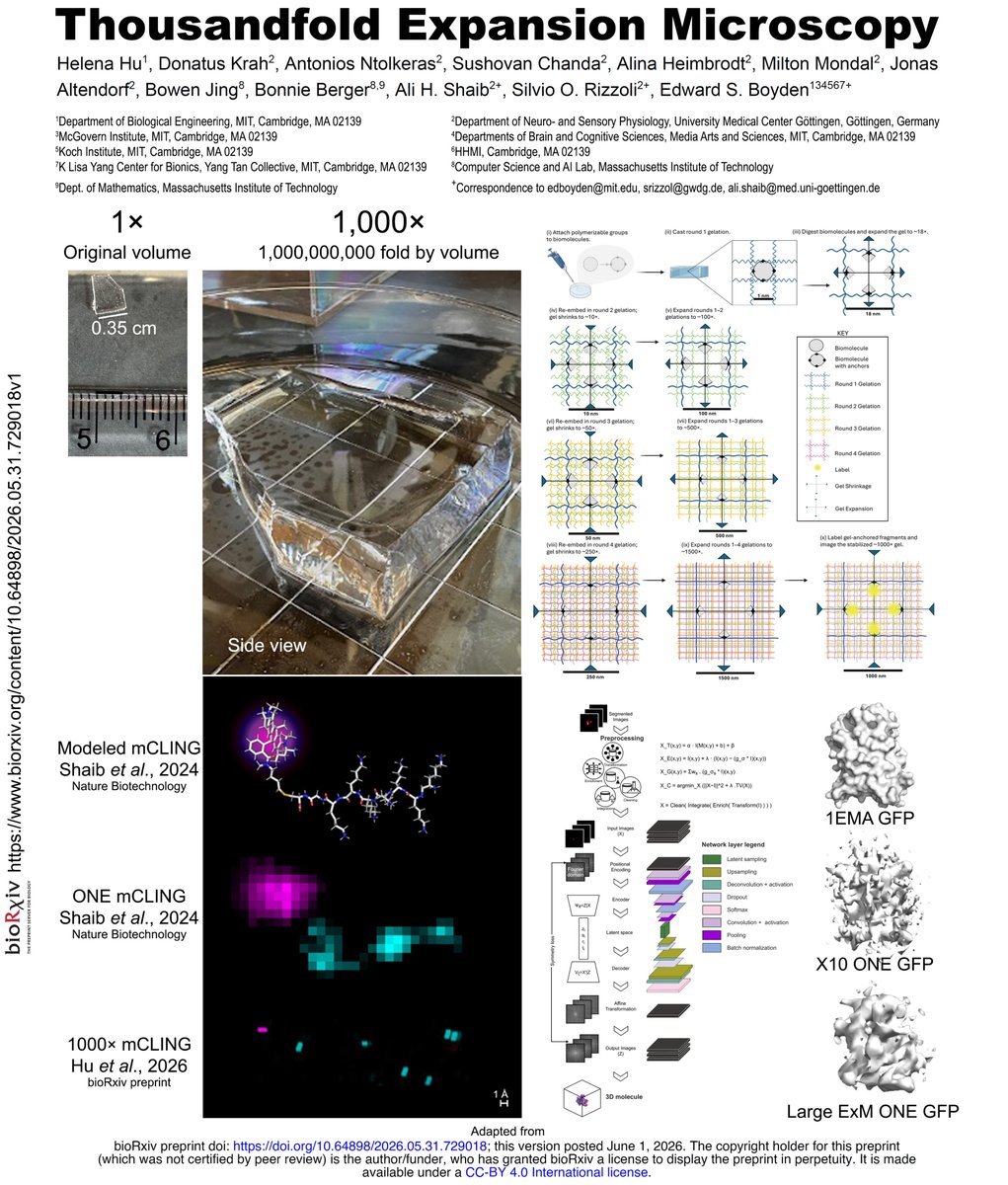
Hello world, meet 1,000× Expansion Microscopy.
1,000,000,000× expansion by volume! A gel that starts at a few centimeters will then expand to the volume of an Olympic swimming pool. https://t.co/E43kxx4O5M
In our new bioRxiv preprint, work carried out between MIT and UMG, led by Helena Hu in collaboration with scientists from the labs of @eboyden3 Ed Boyden, Silvio Rizzoli, and myself, we present Thousandfold Expansion Microscopy.
By enlarging biological specimens across multiple rounds of expansion, molecular-scale features, as small as the distances between adjacent amino acids, can be visualized with conventional optical microscopes.
Democratizing super-resolution microscopy.
Akayama, Shima, Nakamura et al. show that TFEB is regulated by at least two different regulatory mechanisms during lysosomal damage: ATG conjugation system–dependent/independent regulation. https://t.co/1X3cvBPjJt
📕 In #Lysosomes 2026: https://t.co/s9gKm64OJF
A new gene-editing strategy from #HHMIInvestigator Michel Nussenzweig's lab could teach the immune system to produce its own therapeutic antibodies. Successful so far in mice, the approach may lead to treatments for HIV, cancer, metabolic disease, & more: https://t.co/tnNDQXshwN
A single dose of i.v. iron induces cardiac ferroptosis in murine cardiometabolic #HeartFailure: https://t.co/gfdBTfIeKF
In this Research Letter, Caitlin M. Pavelec @PavelecKatie et al. @MedicineUVA@UVA investigate #ferroptosis in the hearts of mice fed a high-fat high, high-sucrose diet that received iron, reporting a damaging cellular process and a pathological effect on cardiac function.
#IronTherapy
🚨 New in JMCC! Paired human LV and RV biopsy metabolomics reveal that ischemia-reperfusion causes greater metabolic depletion in the LV, especially during CABG, highlighting ventricle-specific vulnerabilities in cardiac surgery.
https://t.co/deI9bi8YU6
New @ScienceMagazine
Why is the heart resistant to cancer?
Role of the heart beat!
Mechanical force helps protect the heart from cancer
https://t.co/ZaxGeRUbFN