Our short paper "Creation and unification of development and life stage ontologies for animals" (@ANiknejad@chrismungall Osumi-Sutherland @marc_rr @fred_bstn) is in the #ismb2022@bioontologies Zenodo collection https://t.co/lIVFrQaWke
All the collection https://t.co/nW7YHrCLd6
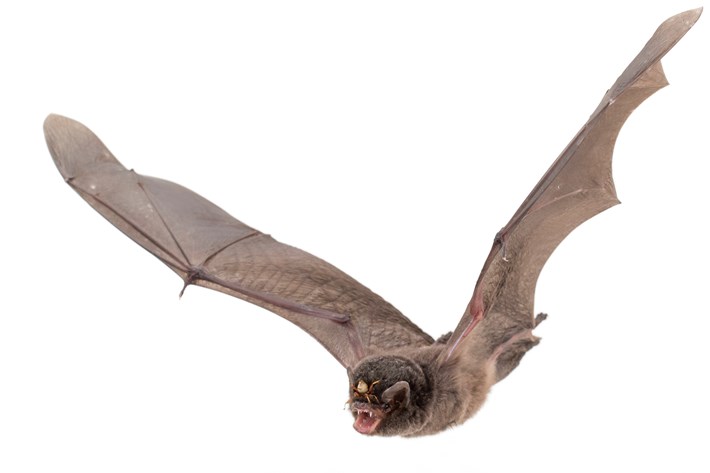
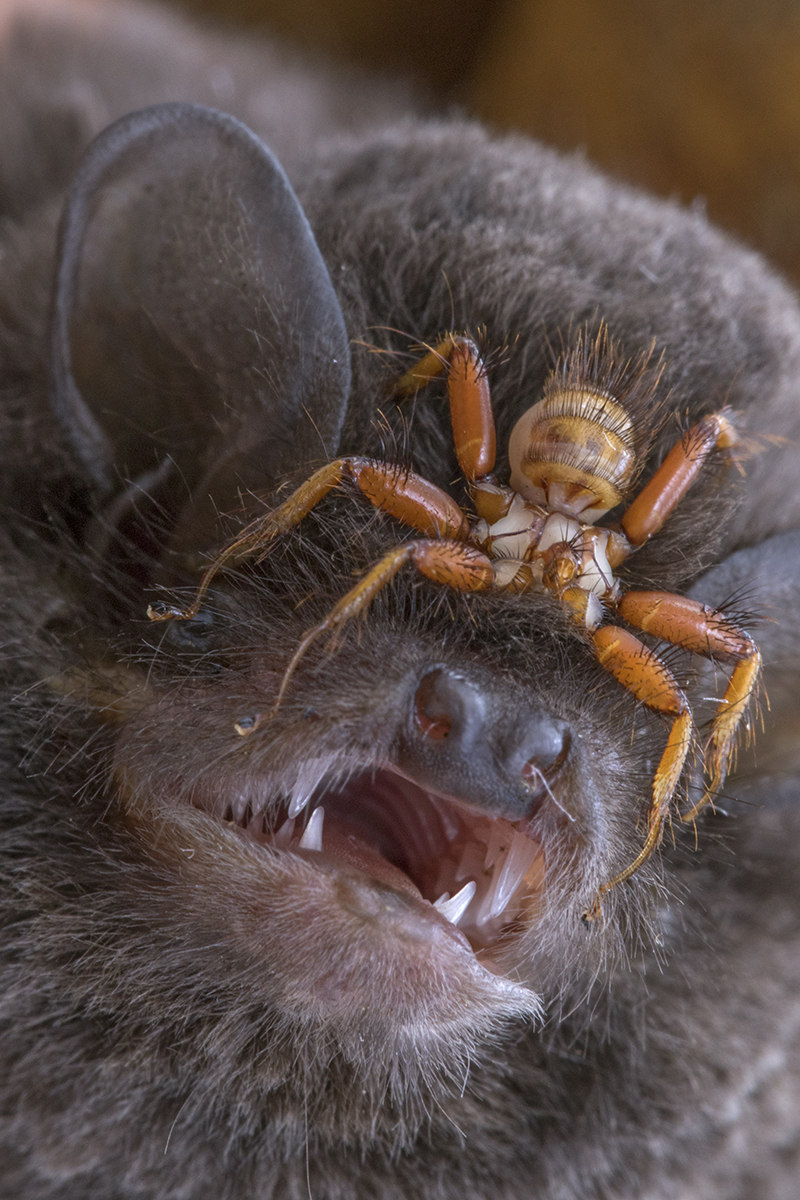
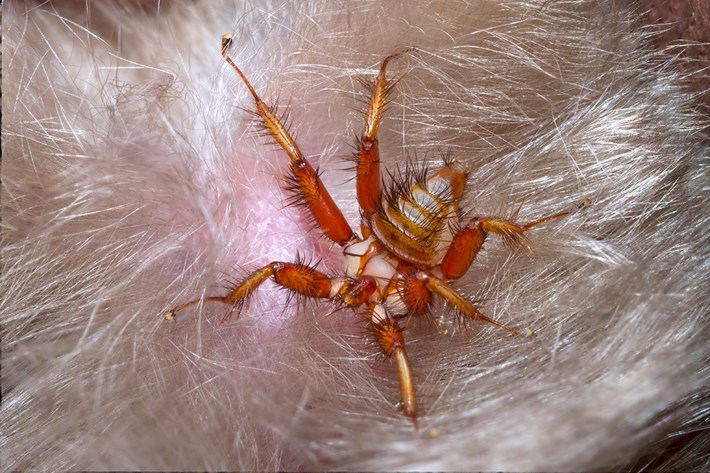
These specialised parasites (batflies) have co-evolved with their bat hosts for millions of years. They have developed a flat, hard body to prevent being crushed & velcro-like hairs & claws to hang on to their hosts' fur.
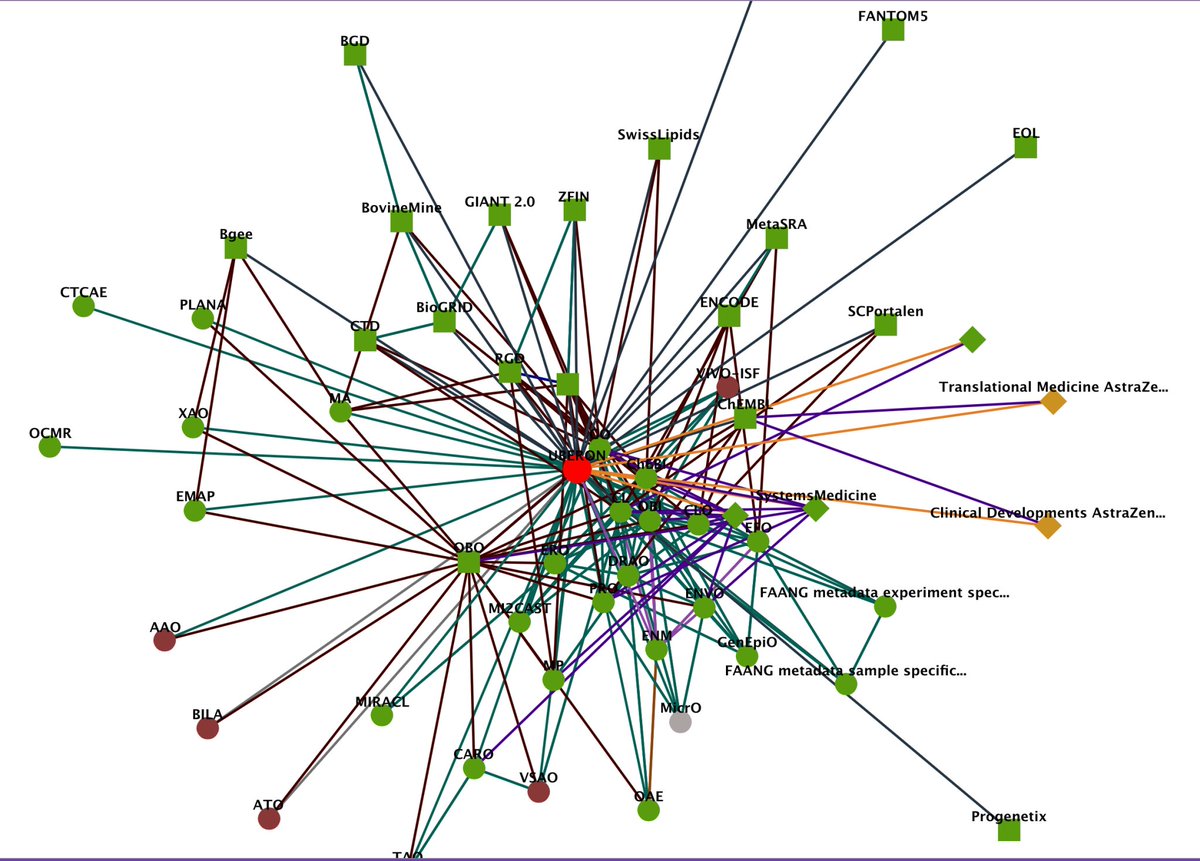
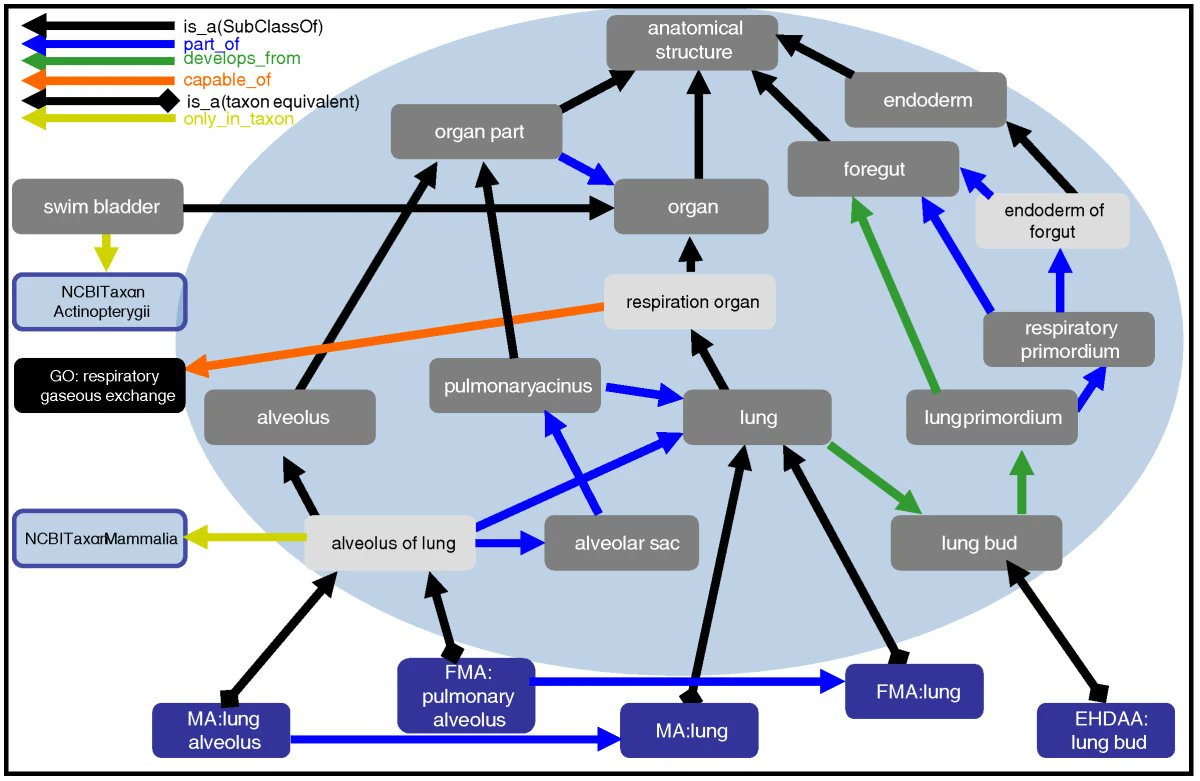
There are many other examples - you can see in @FAIRsharing_org some of these dependencies, for example Uberon below (and this misses many dependencies e.g @Hubmap@LINCSProgram ...)
Our preprint on ODK, the #OntologyDevelopmentKit is up on @arxiv https://t.co/P8E9X1S1Y7. Thanks to @shawnzktan @NicoMatentzoglu and the whole team for your work on this. This is a lot of work on infrastructure that makes things work behind the scenes. So what is ODK exactly? 1/
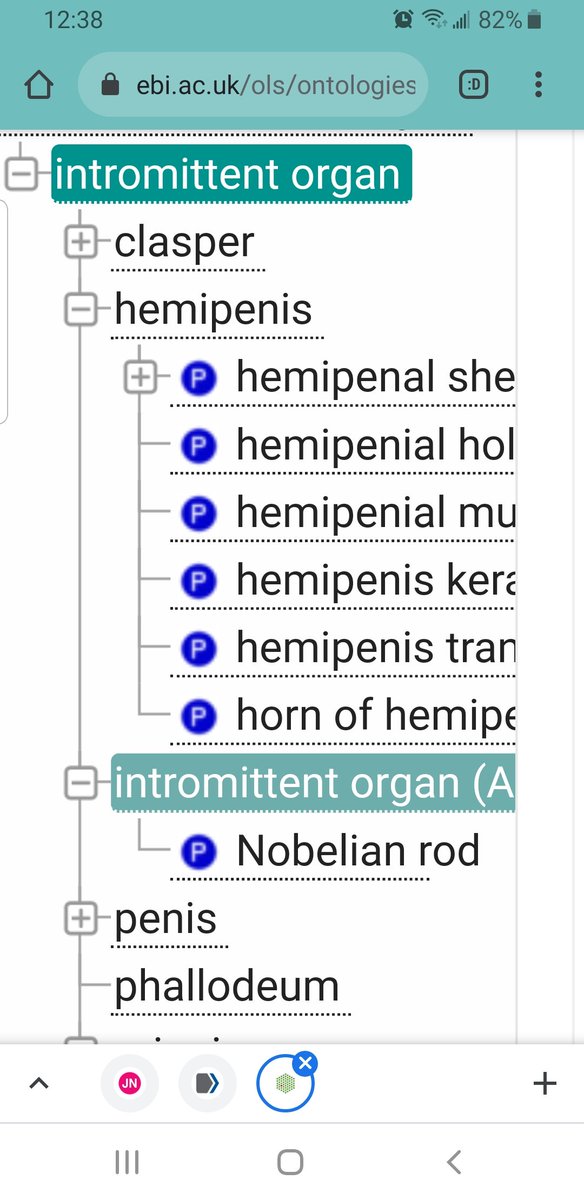
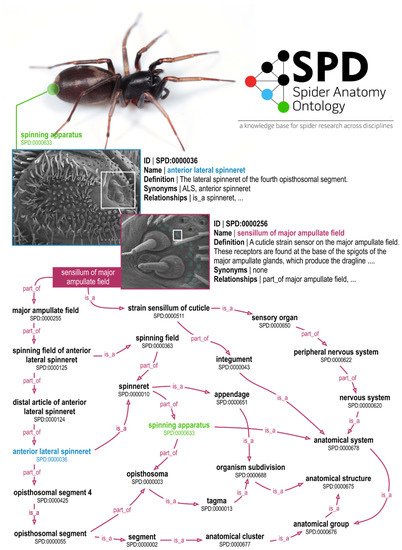
@Aella_Girl We have a wide range of intermittent organs in our animal anatomy ontology. They are all my faves. I see let's of great suggestions I this thread, we will have to add them! https://t.co/V3iU1DHrZ4 @uberanat#PenisOntology
9/ This study stands on some terrific early work by then undergrad Marc Maldaver, along w/ contrib. from @annakopoulos & Lindsay Guare.
Also thanks to folks at Uberon & Cell Ontology for maintaining these resources! Kudos to @ArrayExpressEBI for great work w/ curating #metadata.
There are many graph embedding algorithms, not all of them suitable for ontologies/KGs. Treating an ontology as a homogeneous graph omits information encoded in edge labels. Additionally, different edge labels have logical properties/rules (e.g. in uberon anatomy KG). 3/n
Happy #ValentinesDay! The 🤎 has been associated with love since ancient Greece. While humans only have one kind of 🤎, there is a large diversity of pumping organs in animals. Our #ComparativeAnatomy ontology Uberon (@uberanat) has 12 different kinds of 🤎! Here are a few: 1/
New release of obographviz on npm - now with visualization of equivalence cliques; can be used to visualize similarity in two ontologies, e.g. human and mouse phenotype ontologies, or @uberanat and allen brain atlases. See https://t.co/IqEmhxXknX
Also tried testing #TopAnat expression enrichment of genes coding for proteins annotated with Alzheimer’s in SwissProt @uniprot: few genes so not very significant, but top frontal pole makes sense
https://t.co/2R3lLWjURk
genes from https://t.co/wr1aN4Kobw #biocuration2019
#MakeUrOntologyAwesome: I'm starting a series of "top tips" for #ontology development, based on my experience working with bio-ontology editors on a variety of projects.
https://t.co/CpXz1nADFm (1/6)
My paper is finally out that makes me very happy :) It provides the solutions to the tail-color problem and discusses many issues of trait coding and modeling.
Integration of anatomy ontologies and evo-devo using structured Markov models ... https://t.co/j2PKorWpi5