@buherator@pwntester Exceptions usually log info for e.g., debugging purposes, which can potentially be vulnerable to log4shell. You should attempt triggering exceptions to hopefully hit the vulnerable code path.
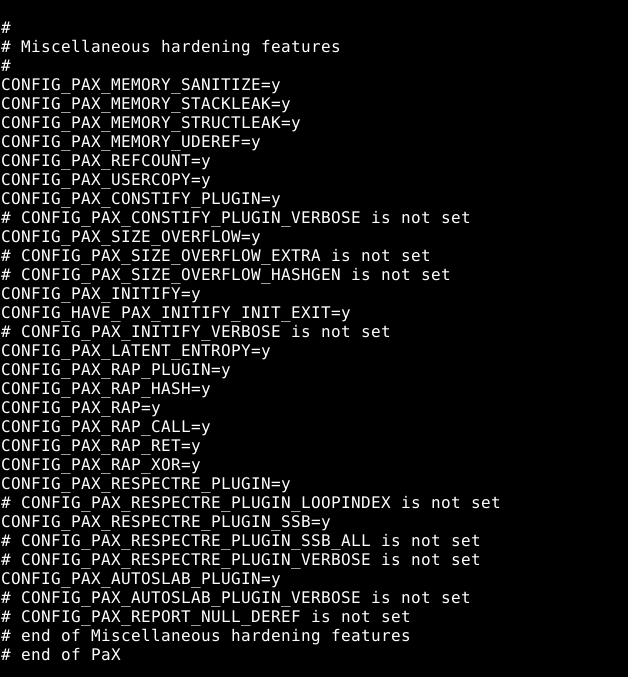
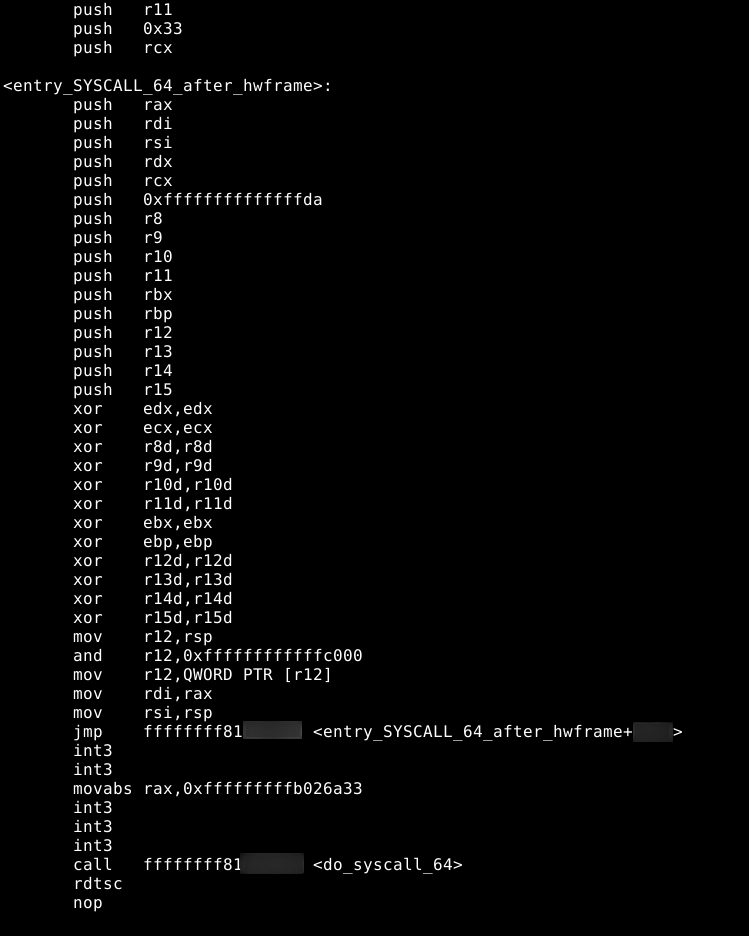
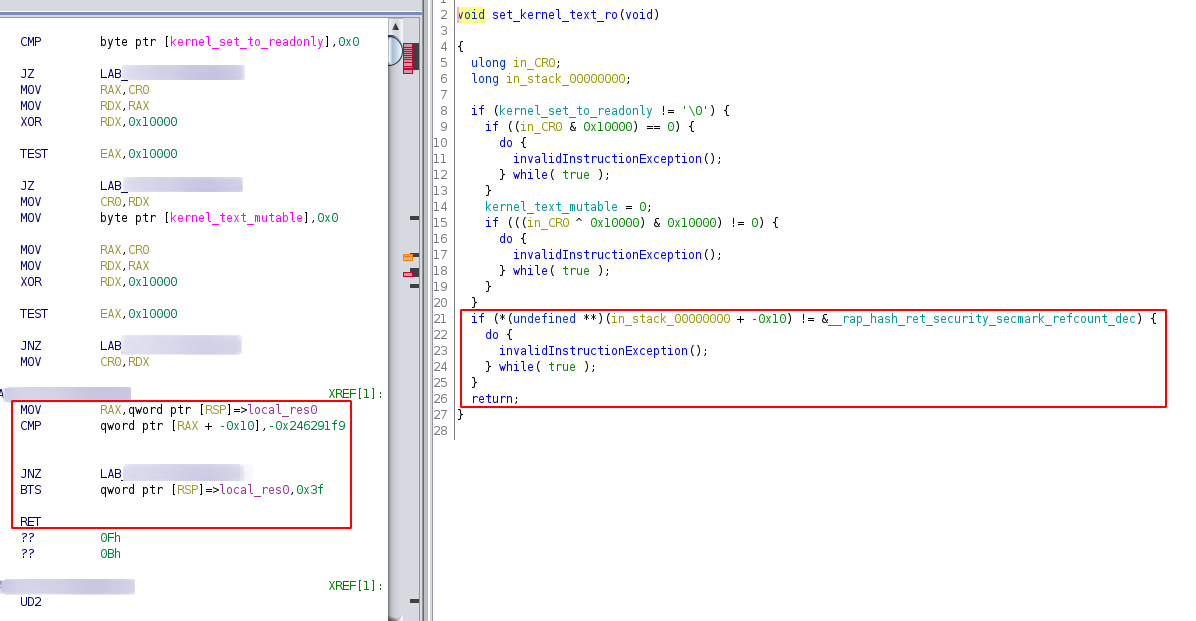
Looking at a private version of PaX/grsec from the 2nd half of this year, there's no probabilistic xor cookie retaddr protection for the 'iret' insn case. I'm not saying it can't be done & I'm also not saying it isn't implemented in some later or exotic commercial version.
https://t.co/rgwwZzetZ9
It is an issue. I was specifically told that CAP_SYS_ADMIN -> kernel code exec via code ptr overwrites was within RAP's threat model. "It's less useful" doesn't really stand since otherwise RAP is just as useless in the presence of data-only attacks.
https://t.co/sNaefWkSi9
RAP_XOR was added, apparently, on March 11 2020. My work was published on September 2019, so my case still stands. The attack worked at the time, it's that simple.
@uid1000 section 3.3 is even worse. it shows an 'exploit' by changing memory directly from gdb. it only shows you couldn't even find a real bug or create one yourself to do it for real. second, you missed the fact that the xor cookie defense applies to all return addresses, iret included.
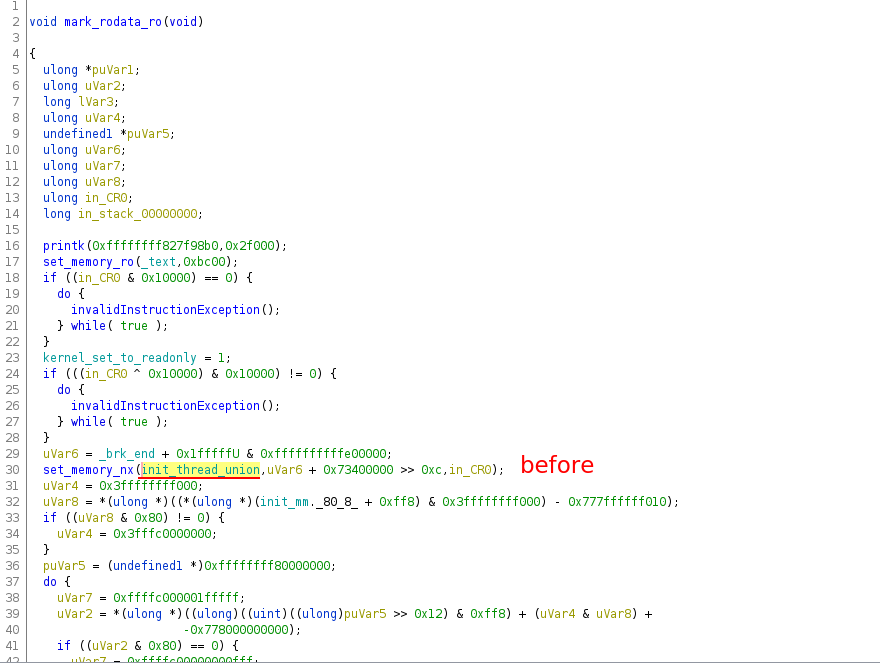
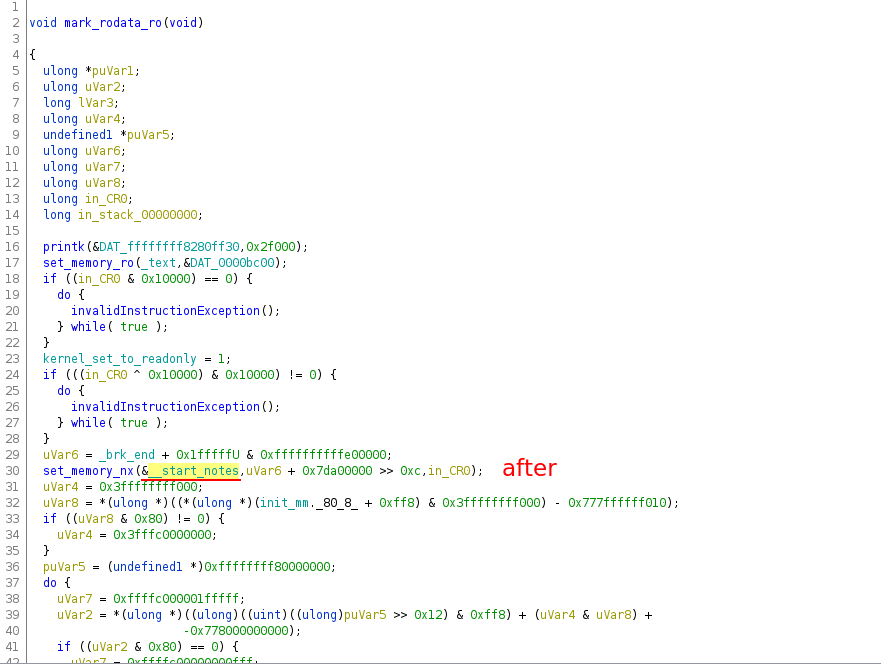
Not trying to add fuel to the fire here, but I just got a hold of the private versions of PaX/grsec (one version is a few months before & the other a few months after my work). In the later version the executable .rodata issue is fixed. I was told it was a 'known' 'non-issue'.
Talking about bruised egos, apparently a certain someone decided to throw a tantrum and block me because he just got nominated for the Lamest Vendor Response award... Isn't it ironic? Good riddance!
@jvanegue@gannimo@robertgraham Security by obscurity means the security of a system relies on its implementation details being secret, no more no less. ASLR is not security by obscurity, nor is modern crypto.