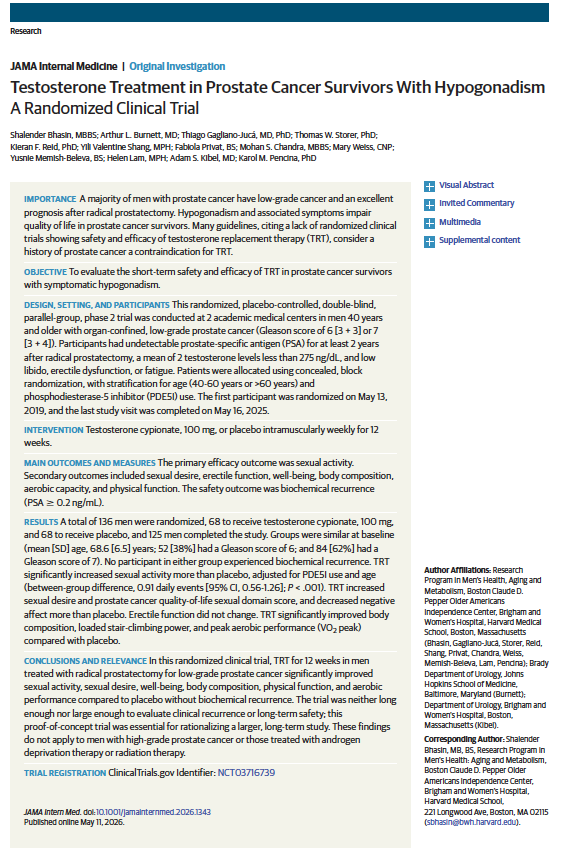
Can baseline testosterone levels help predict which prostate cancer patients on active surveillance are at higher risk of progression?
In this article, researchers found that low testosterone (≤300 ng/dL) was linked to increased risk of higher-grade progression (GG3 or above), suggesting it may be a valuable prognostic marker to guide surveillance and treatment decisions.
🔗 Click to read more: https://t.co/CwjENsPNc6
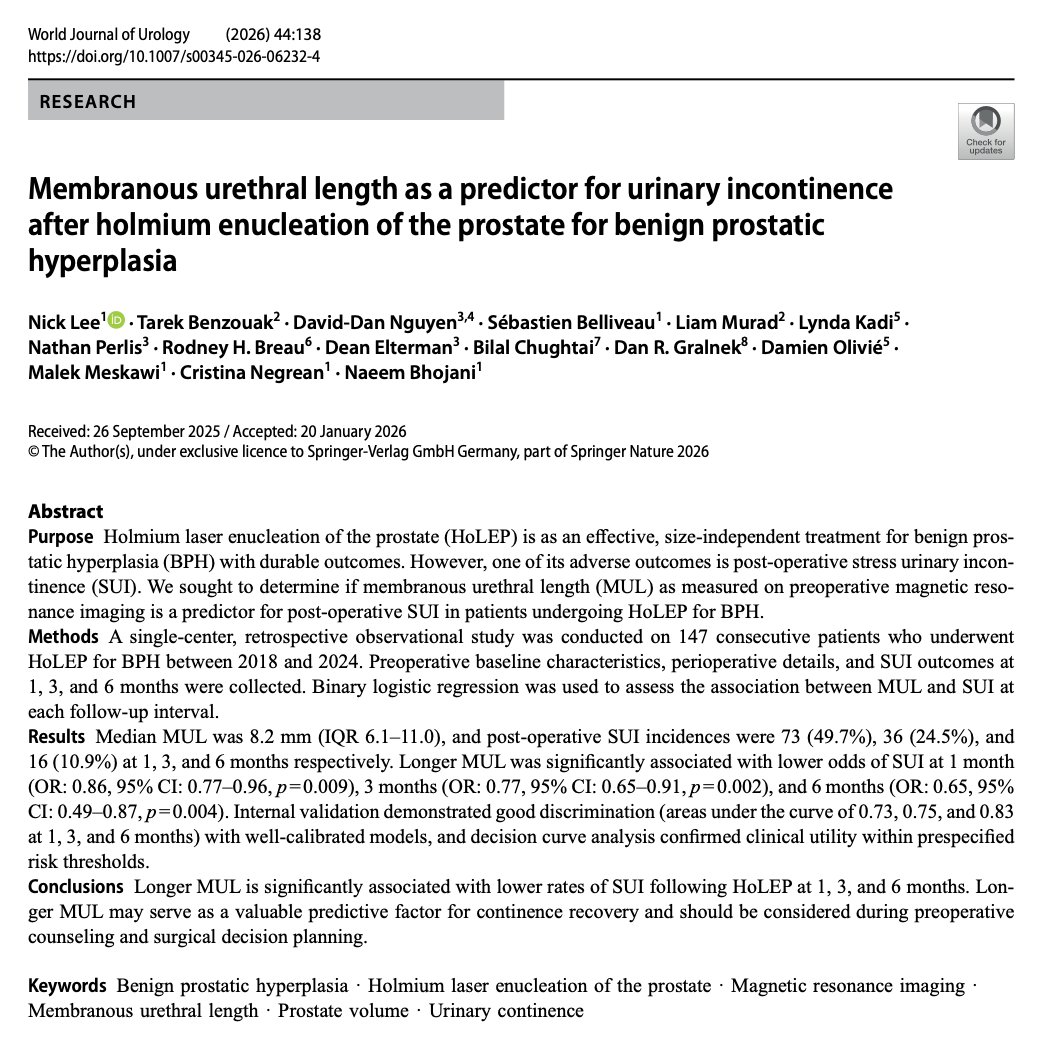
This paper relates membranous urethral length to postoperative stress urinary incontinence after HoLEP... It kind of blames the patient's anatomy for the occurrence of postoperative stress incontinence. I think with these incidences of post-op incontinence, the surgical technique used by the authors is a huge problem. Or is it that I only operate on patients with long urethral lengths to get way much lower rates of incontinence? (49,7% SUI at 1 month shows a flaw with surgical technique)
Real-world outcomes of bladder-sparing strategies for BCG-unresponsive #NMIBC: A multicenter study. Presentation by Pietro Scilipoti, MD @SanRaffaeleMI. #EAU26 written coverage by @RKSayyid@UAUrology > https://t.co/16Eq3UN1xe @Uroweb
Biochemical recurrence and safety in patients with high-risk localised #ProstateCancer treated with [¹⁷⁷Lu]Lu-PSMA-617 prior to prostatectomy: Follow-up of the #LuTectomy trial. Presented by David Hennes, MD, BSc, DipSurgAnat @PeterMacCC. #EAU26 written coverage by @RKSayyid@UAUrology > https://t.co/MQm9PQNCsp @Uroweb
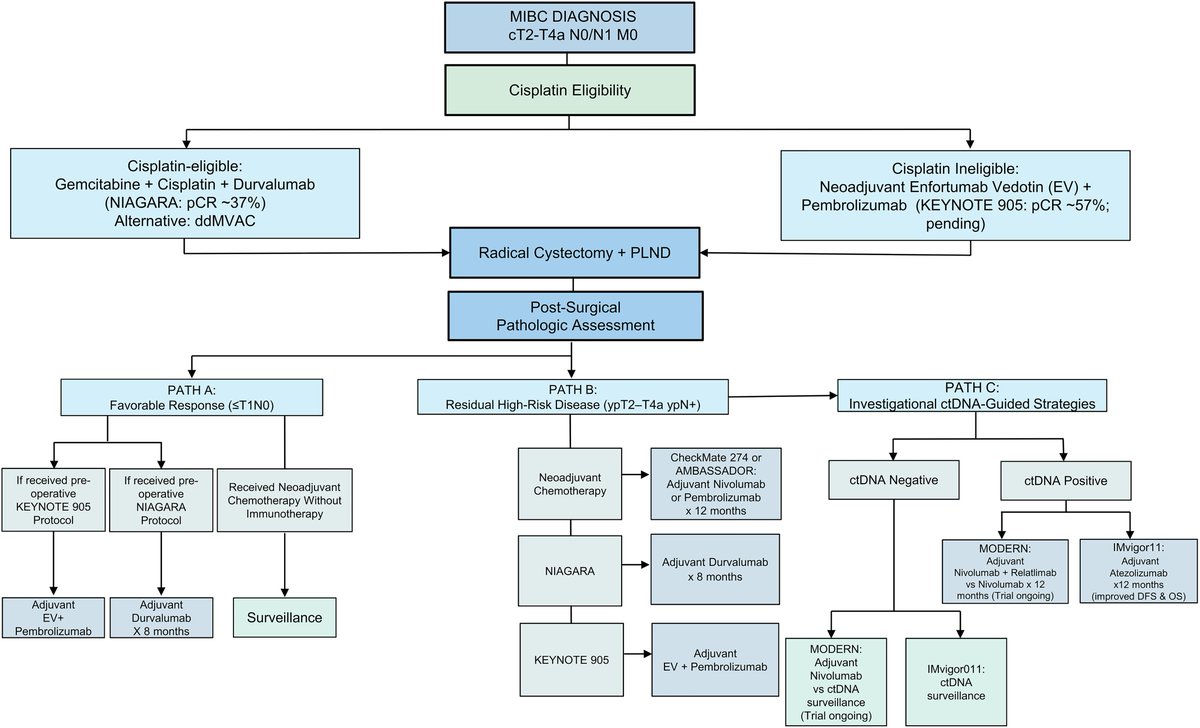
Let's improve the treatment for histologic subtypes in MIBC! @UroDocAsh@ASCO
🧬Molecular profile is distinct
🚩Accurate classification of subtype is important (central pathology review)
✍️Thorough reporting of histologic subtypes in trials
https://t.co/ptWr2RDuCE
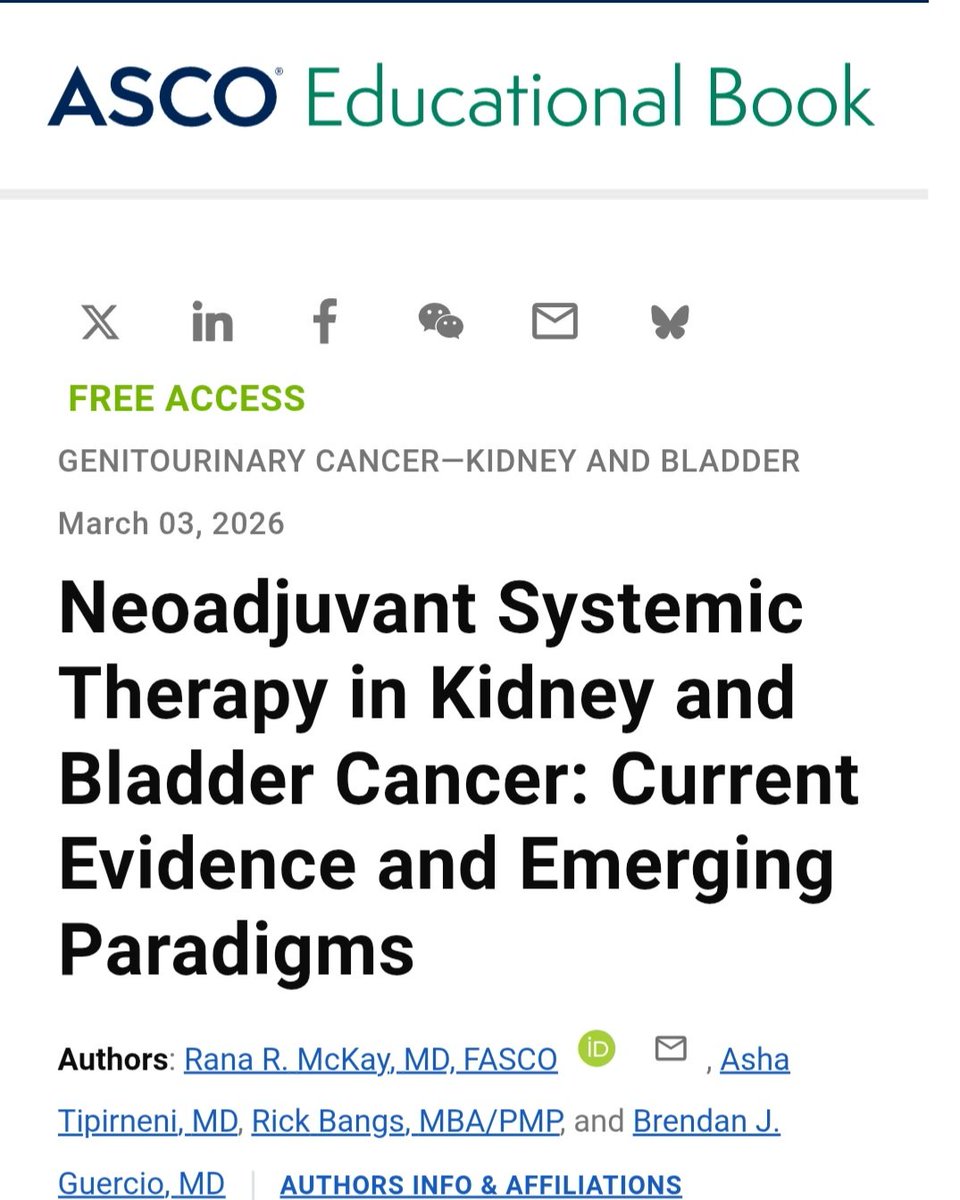
ASCO Educational Book
Neoadjuvant Systemic Therapy in Kidney and Bladder Cancer: Current Evidence and Emerging Paradigms
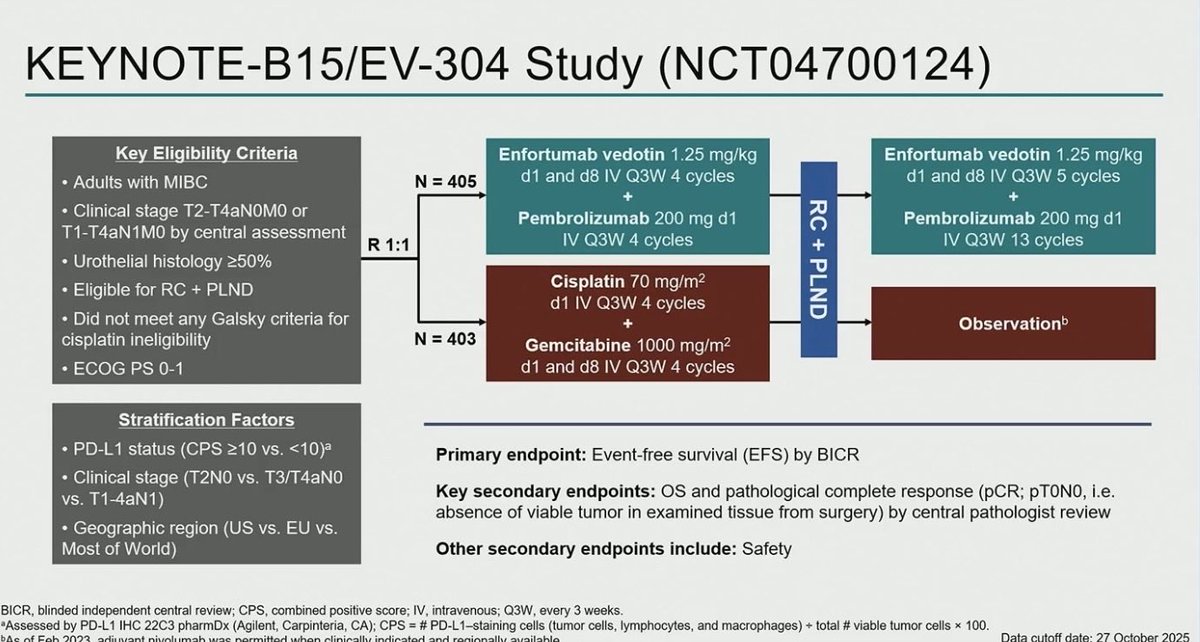
(The results were not included in this paper; however, based on EV-304, we now know that EV + pembrolizumab is also a highly effective regimen in cisplatin-eligible patients)
https://t.co/ghCLZe2loo
#SunRISe1 Cohort 4 analysis: One-year disease-free survival in BCG-unresponsive papillary #BladderCancer. @siadaneshmand@KeckMedicineUSC joins @UroDocAsh@MDAndersonNews sharing SunRISe-1 Cohort 4 results for INLEXZO™ (Gem-iDRS) in BCG-unresponsive papillary #NMIBC—74% disease-free survival at 12 months, only 1 progression to MIBC, and 91% cystectomy-free survival at 18 months. Device placement success was 99.8% with QoL maintained. #WatchNow on UroToday > https://t.co/s3t0D7EEfE @UroOnc
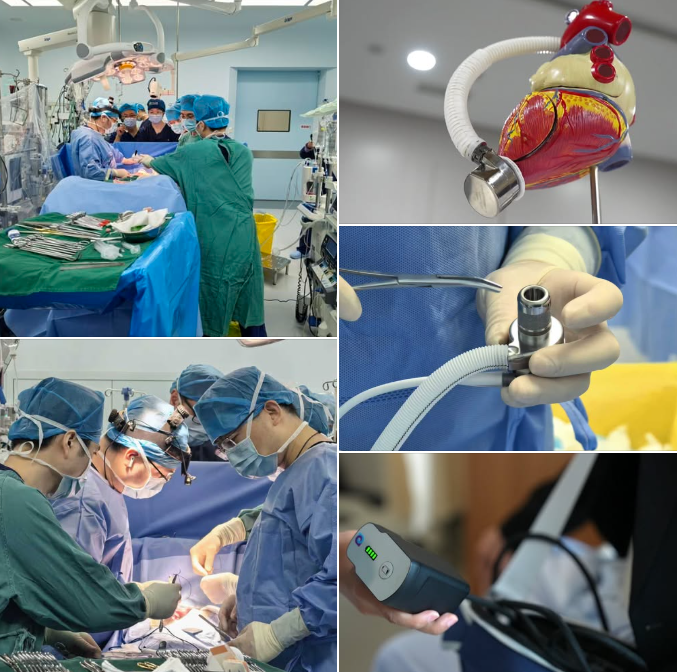
China’s achievement
Only 90 grams!
Lighter than an apple!
The world’s lightest fully magnetic‑levitation artificial heart is now in service to benefit humanity.
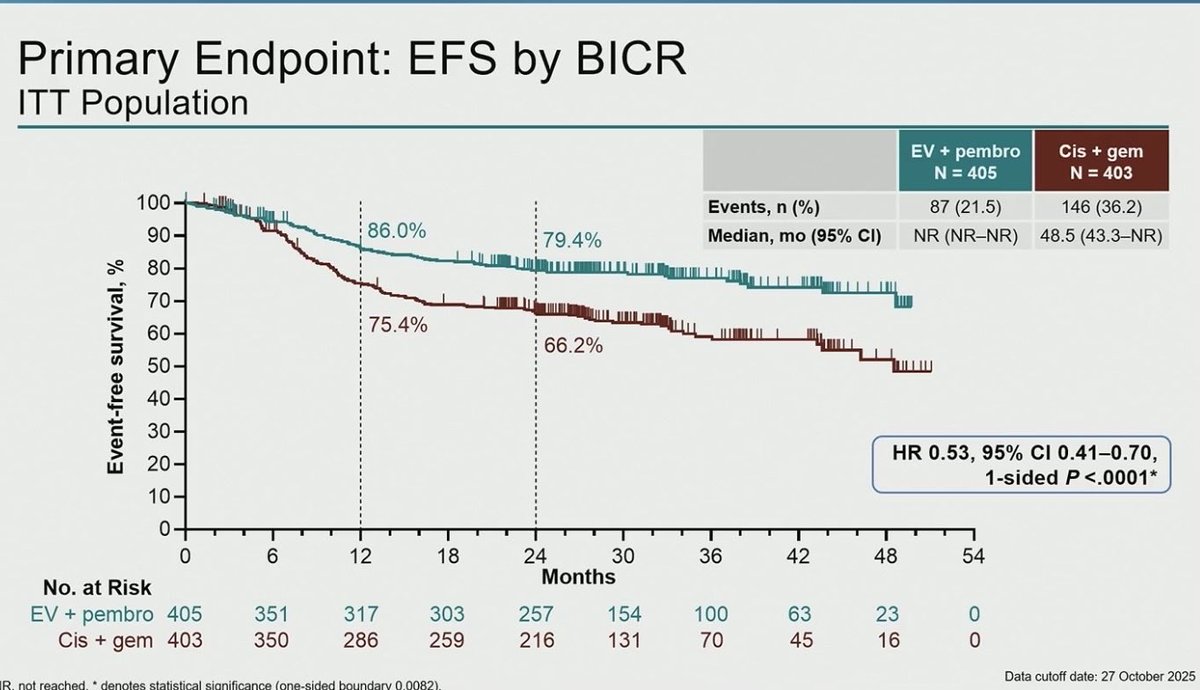
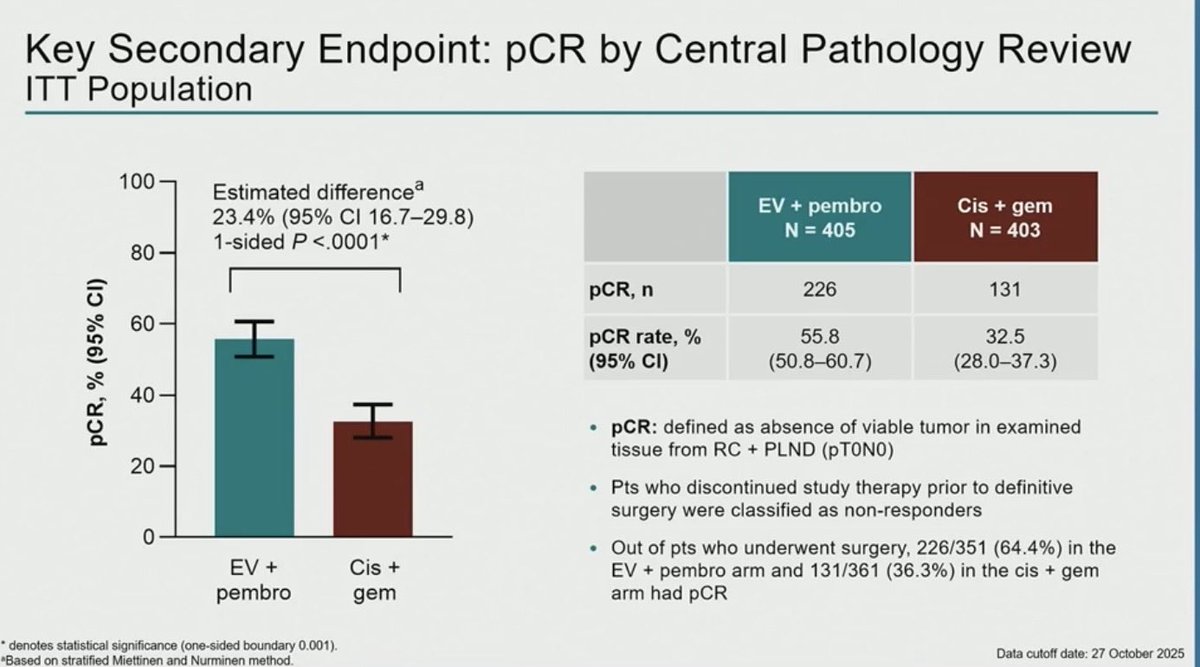
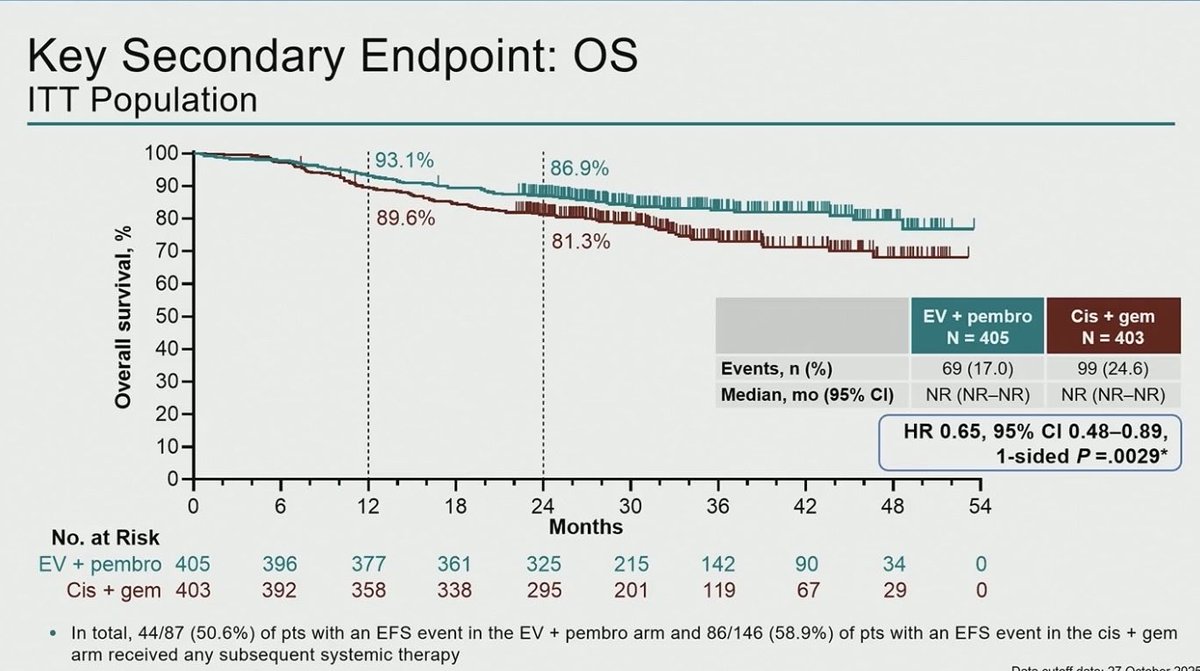
The standard of care for MIBC will now include perioperative EVP for both cisplatin eligible and ineligible #BladderCancer pts. The EV304 study presented today @MattGalsky shows an improvement in EFS (HR 0.53) and OS (HR 0.65) for EVP over GC. @ASCO#GU26
Now published! 📰
Oncological Outcomes of Trimodal Therapy in Primary Versus Secondary Muscle-invasive Bladder Cancer: A Multicenter Retrospective Study by Garvey Mezepo et al.
Read the full article here: https://t.co/2XfRw5V8K3
@uroweb@mroupret@jteoh_hk@Ric_Campi@CaPsurvivorship@UroDocAsh@LauraMarandino@RenuEapen@Ecastromarcos@OncoAlert@Sciencedirect
#Oncology #UroOncology #elsevier #scientificcommunity #europeanurologyoncology #academicpublishing #eau #urology #UrologyResearch #scientificpublication
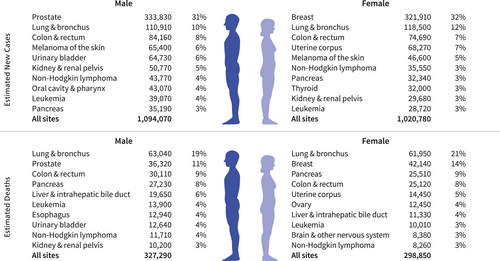
📊 #CancerStats 2026 — #ProstateCancer Highlights
📈 ~2,114,850 new cancer cases & ~626,140 deaths projected in the U.S. this year
🧠 Prostate cancer remains one of the most diagnosed cancers in men, with rising incidence in recent years.
🩺 Prostate 5-yr survival is now among the highest (~98%), thanks to early detection & better treatments.
⚖️ Prostate cancer is the 2nd leading cause of cancer death in U.S. men after lung cancer.
📊 Death rates have declined ~50% since the early 1990s, but disparities persist (higher mortality in Black men)
🔥 Big picture: survival is up, mortality down — but rising advanced-stage diagnoses and inequities show there’s more work ahead.
🔗https://t.co/GlsjBdZTqb
💡 #ProstateCancer #Oncology #CancerStats2026 @PCFnews@UroOnc@AmericanCancer
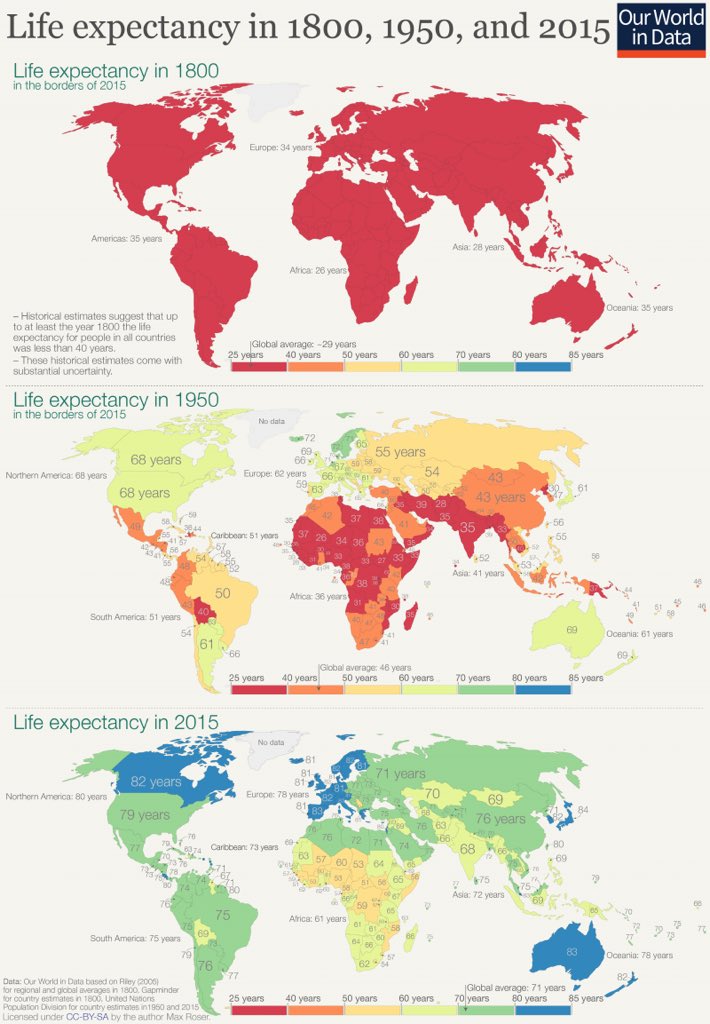
Modern medicine doubled human life expectancy in 200 years, not luck, but science. Thanks to vaccines, screenings, and now mRNA unlocking cancer cures.
As @elonmusk said: longevity is ‘extremely solvable’.
Optimism + evidence = progress. Err on hope, it improves the days that matter.
Grateful for breakthroughs ahead. 🚀🩺
#Longevity #mRNA #Cancer #Science @OurWorldInData@DeryaTR_@DrNeilStone@grok #Davos2026
An #ArtificialIntelligence predictive biomarker for response to BCG vs gemcitabine-docetaxel for high-grade #NMIBC. @VigneshPackiam@RutgersCancer joins @UroDocAsh@MDAndersonNews to discuss an artificial intelligence test that analyzes digitized H&E slides from the index TURBT, examining over 600 microscopic features, including immune signatures, stromal features, and nuclear characteristics to predict patient response to treatment. #WatchNow > https://t.co/Z7sdidixBl
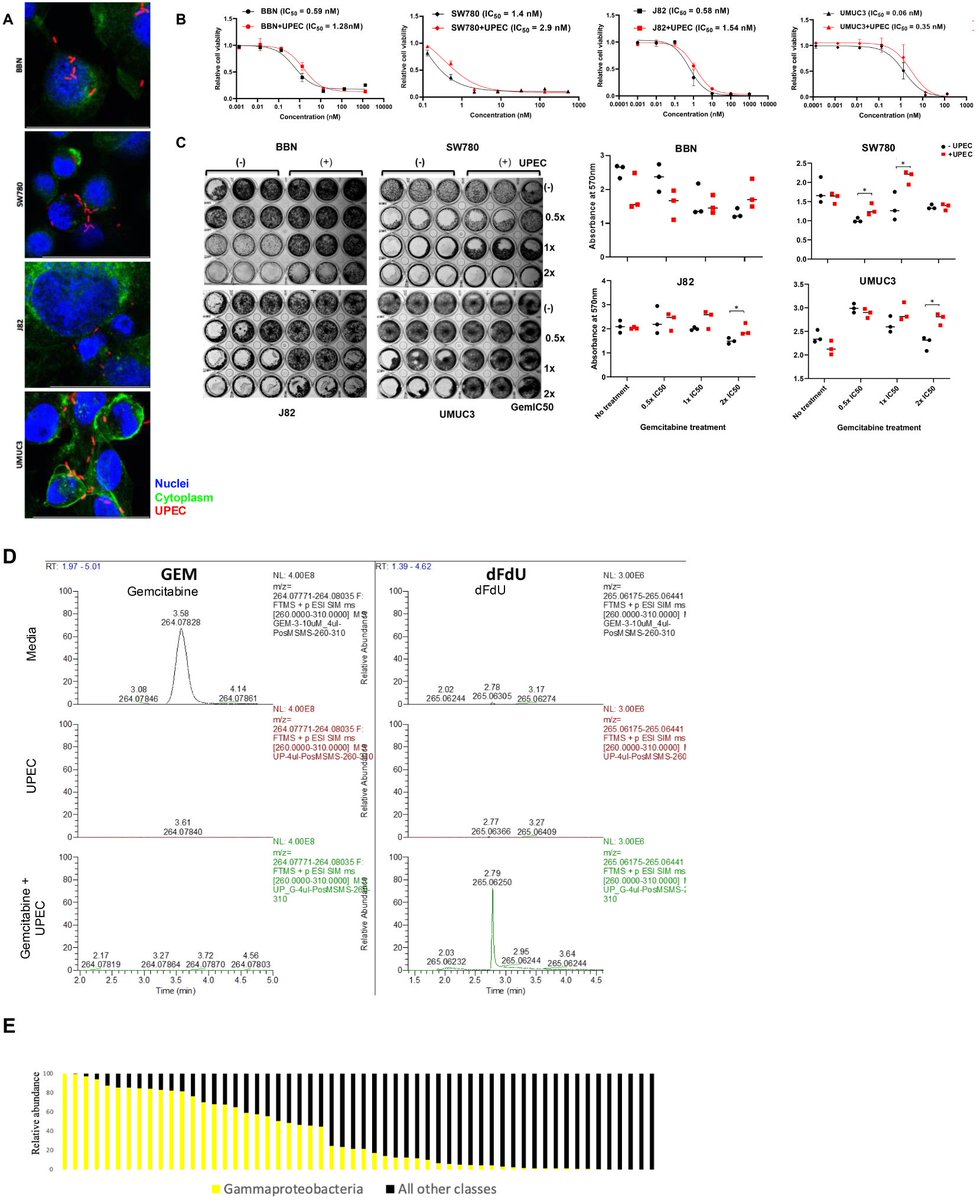
New pub alert 🚨 The bladder microbiome may influence intravesical chemotherapy response in bladder cancer. 🦠💊
🧪 we tested uropathogenic E. coli (UPEC) and gemcitabine
Results>
• Ecoli can enter tumor cells (of course)
• Inactivate gemcitabine → converting it to an inactive metabolite (dFdU)
• Reduce chemo’s ability to kill cancer cells ‼️.. think about 🥨 #TAR200 #microbiome #BladderCancer
https://t.co/nLtp2v4Gds @RGin110@uretericbud @MSindhani Phil Abbosh
















![urotoday's tweet photo. Biochemical recurrence and safety in patients with high-risk localised #ProstateCancer treated with [¹⁷⁷Lu]Lu-PSMA-617 prior to prostatectomy: Follow-up of the #LuTectomy trial. Presented by David Hennes, MD, BSc, DipSurgAnat @PeterMacCC. #EAU26 written coverage by @RKSayyid @UAUrology > https://t.co/MQm9PQNCsp @Uroweb](https://pbs.twimg.com/media/HDYr64oWIAAI7I2.jpg)