My new "awesome list" of SaaS replacements & tools you can host (for free/$5) on your own @CloudflareDev account has over 800⭐️ in just 1 week!
Can we make it to 1000 before birthday week?
https://t.co/NA2GapyE2k
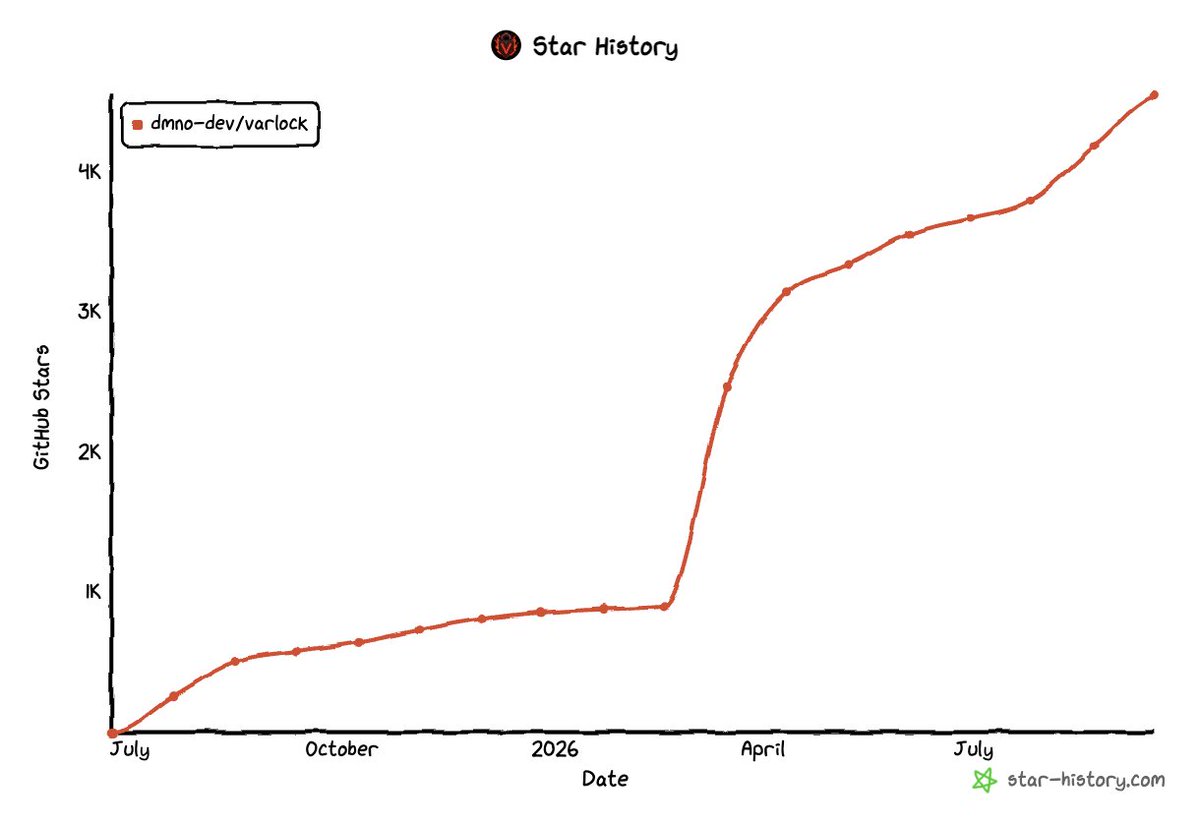
🧙♂️⭐️ Varlock inching towards 5k stars - thank you to all the new ones!
First huge bump came from @syntaxfm (thanks @wesbos + @stolinski!)
The current increase in slope is because I finally figured out how X works 😂
https://t.co/IgEAutm9Dx Anyone from the @laravel space maybe want to weigh in on how to pull off proper @varlockdev integration? @taylorotwell ? They seem open to doing it right.
😍 varlock codegen for @EffectTS_ config!
Stoked to see the codegen stuff I added enable new integrations from the community.
@danmyles_ - should we migrate this into the monorepo?
https://t.co/bowHaziMPh
Nothing solves env loading and validation better than Varlock.
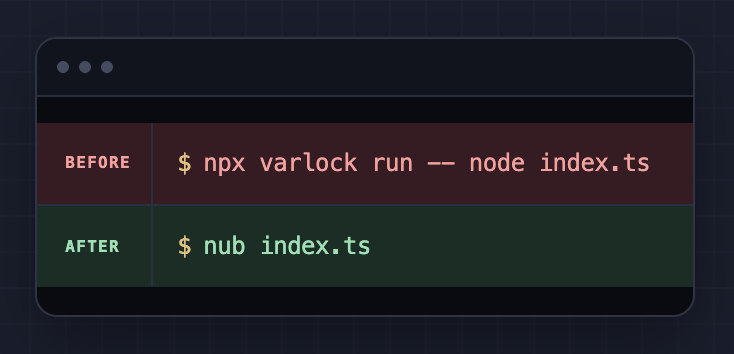
Nub v0.7 adds first-party support. If your repo contains an .env.schema file, Nub uses Varlock to load/validate your environment when running a file or script 👇
Zod for env validation is a great pattern, and it's super nice to avoid env.d.ts generation
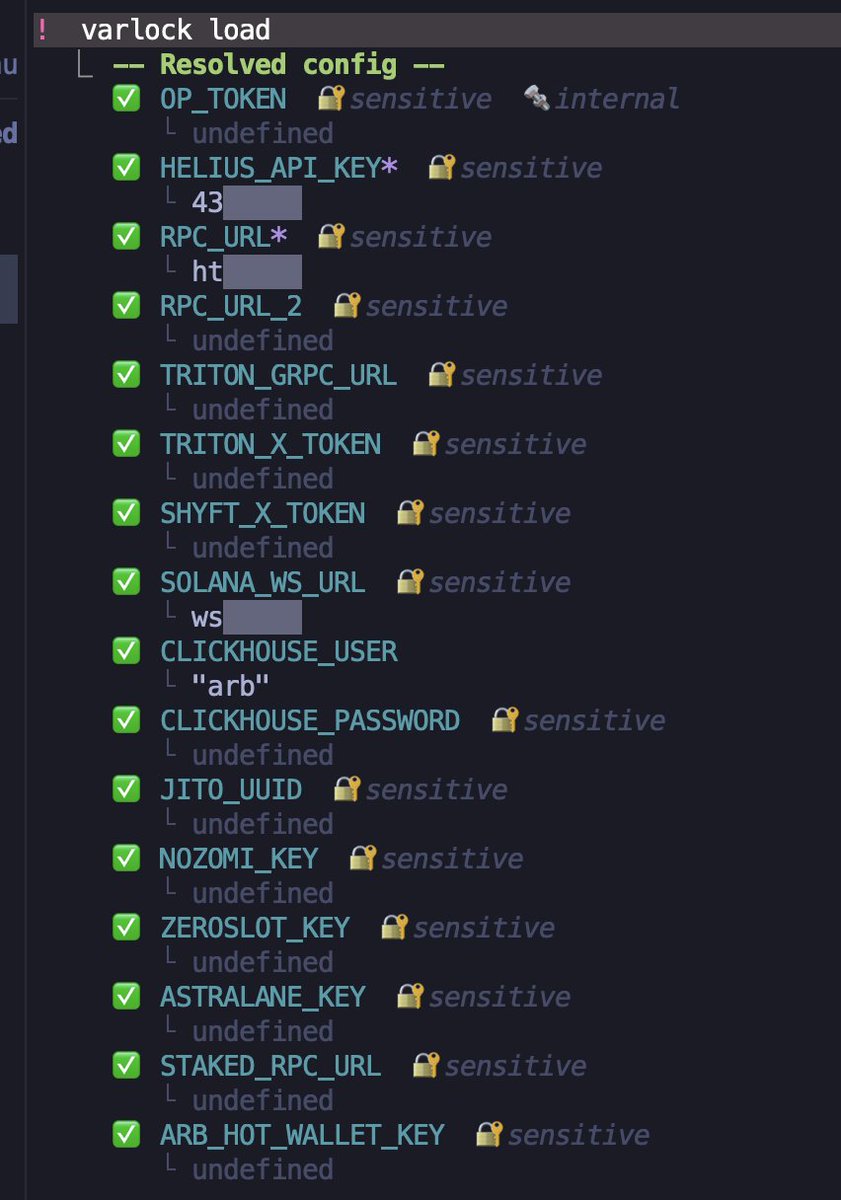
I'm a huge Varlock fan though becuase Varlock solves a bunch of other problems beyond just validation. because it wraps your process, Varlock + .env.schema lets you specify LOADING config in addition to just variable validation. that's why its able to do things like stdio-level redaction, encryption, credential brokering, etc. Zod is just a library so it structurally can't do these things.
I'd also argue from an API design standpoint that Varlock's DSL is strictly better than Zod as a mechanism for validation because it's so finely tuned to the kinds of values & validations you commonly need for env vars