Impressive job of post-publication Twitter peer review on this paper!
With the effect size appearing inexplicably massive, plus the many inconsistencies in study conduct and reporting, it’s safe to assume the “time-of-day IO” question still fully open. https://t.co/ap3lfksROl
What drives immunosenescence—the degradation of function our immune system with aging that increases the risk of age-related diseases?
Today @SciImmunology the B cells are identified as the bad actors because they induce T cell (CD4) dysfunction and inflammaging (work in experimental model). When B cells are eliminated, healthspan improves.
https://t.co/N4CiK7SszD
What's the difference between Trm and exhausted CD8 T cells? Simone Park's new work dissects this important question. These cell types are often confused, but are ontologically and mechanistically distinct with implications for immunotherapy responses. https://t.co/i8qksekdNM
Excited to share our review with @lawfong on CD4+ T cell dysfunction in cancer! We highlight the diverse functional states of CD4+ T cells throughout their differentiation — from priming in tumor-draining lymph nodes to terminal differentiation in tumors.
https://t.co/TrzyJU17qK
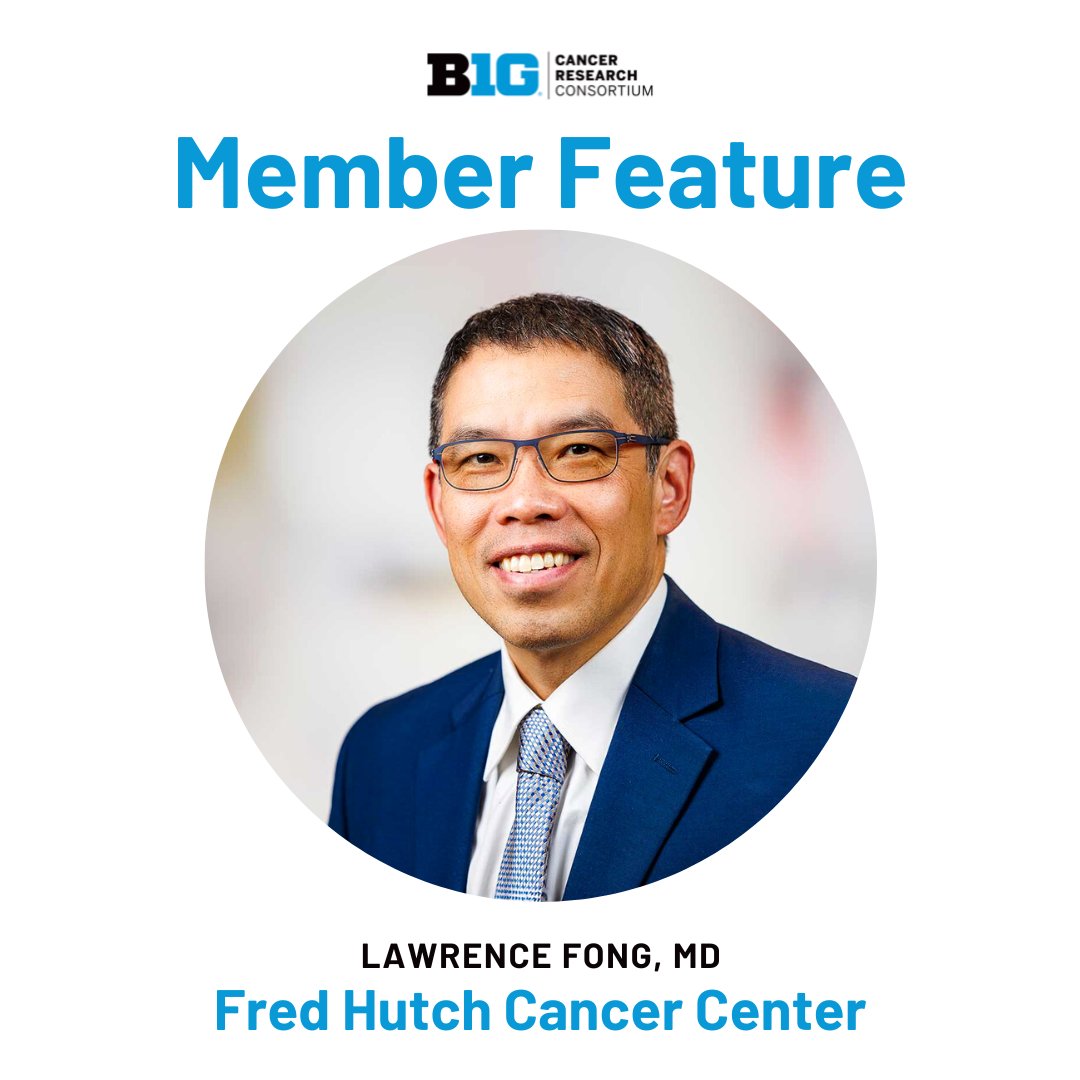
This month, the Big Ten Cancer Research Consortium highlights our member institution @fredhutch Cancer Center and Lawrence Fong, MD, who serves as scientific director of the Immunotherapy Integrated Research Center at Fred Hutch.
Read more: https://t.co/3XPv6Ilsoj
A landmark study published in @Nature by @aaronmring et al. has revealed that autoantibodies — immune proteins traditionally associated with autoimmune disease — may profoundly influence how cancer patients respond to immunotherapy. https://t.co/M8aDY8g4gP
In my view, the question of T helper cell differentiation should be divided into: (A) stochastic phenotype acquisition by naïve T cells via innate signals, and (B) pathological responses from cross-reactive, pre-existing memory T cells.
#immunology
https://t.co/Agzuztoa7e
CINTER-seq enables in situ capture and multimodal profiling of interacting cells in living mice, uncovering specific LAG3-MHC II-mediated CD4+ T cell-cancer cell interactions & tumor-reprogrammed neutrophils
https://t.co/W2k12cclGi @ImmunityCP
A really important work by @MaxKrummel and colleagues highlighting key differences in the immune cell composition/interactions in tumors between mice and humans.
A comparison of mouse vs human tumor microenvironments shows a major difference.
Mouse TMEs have more macrophages, while human TMEs have more T cells.
Chemokine expression patterns are also different.
Learn more: https://t.co/HdTwiSULzj