Nephrologist at the Taipei Veterans General Hospital, Taiwan. Aiming to improve kidney health. Researching renal fibrosis, stem cell therapy, epidemiology.
Instead of watching an hour of Netflix, watch this 2 hour hour Stanford lecture will teach you more about how LLMs like ChatGPT and Claude are built than most people working at top AI companies learn in their entire careers.
🎙️ In the 59th episode of A Pinch of salt, we talk with Luca Quartuccio, a leading rheumatologist, about cryoglobulinemia
🔎 Discover how to diagnose, treat, and manage complex cases, including secondary cryoglobulinemia and challenging patients
🔗 Three new episodes are now live on all major podcast platforms!
Listen now 👉 https://t.co/5jw2g95C1j
1/n
🚨Welcome to #NephMadness tweetorial on Gila Monster 🦎
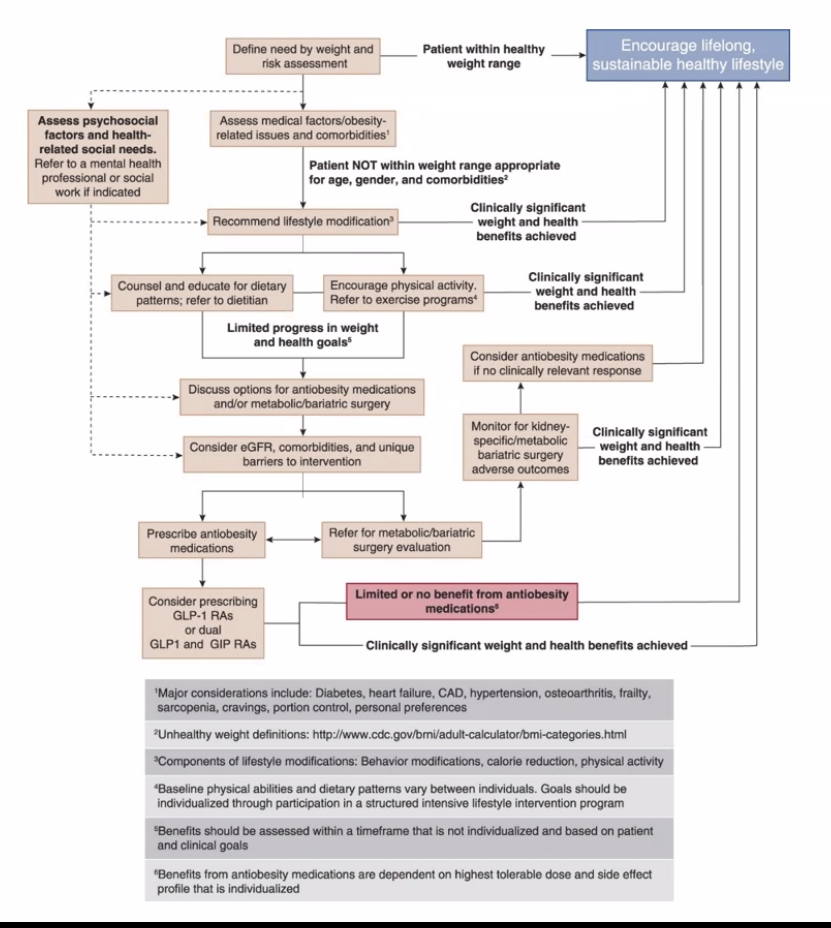
How can @Gila_NephMad, who lives in the deserts help with the obesity epidemic?
According to @WHO, globally 1/8 persons is obese 👇
https://t.co/HWB70YHUwW
Nomenclature alert 📢
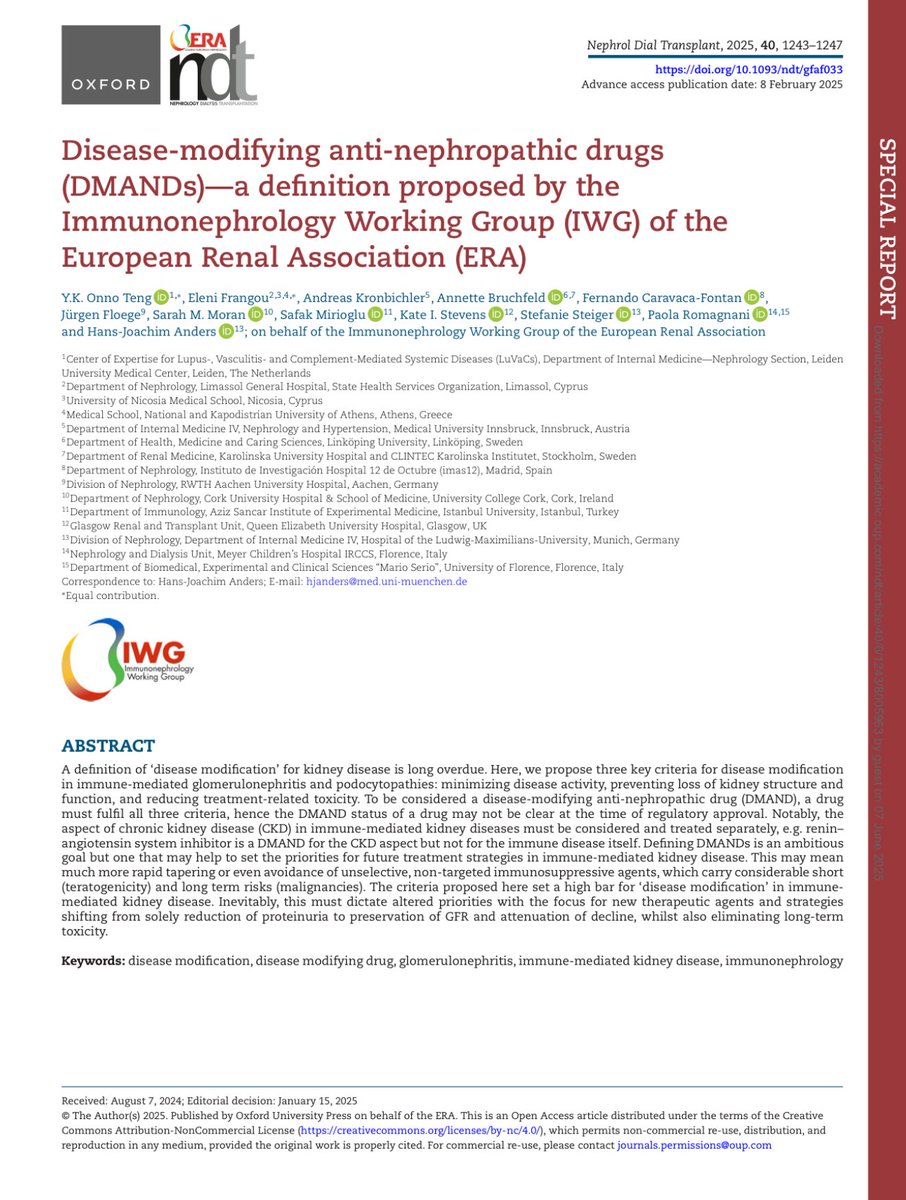
Disease-modifying anti-nephropathic drugs (DMANDs): a definition proposed by the Immunonephrology Working Group (IWG) of @ERAkidney#ERA25 🇦🇹 #Nephpearls#IgAN
📌 This is an important topic of discussion particularly because of the advent of several novel therapeutic agents in the treatment of various kidney diseases
👉🏼 https://t.co/AzjqjZuzLC
Don't miss the #ERA25 KDIGO session, "Navigating IgA Nephropathy Management in the Era of New KDIGO Guidance."
Saturday, 07 June 2025, 8:30 – 9:45, Hall A Plenary Room
Chaired by Christoph Wanner, with speakers:
– Jonathan Barratt
– Jürgen Floege
– Lucia Del Vecchio
Understand how the latest evidence is reshaping practice. We hope to see you there!
Excellent Guidelines for hypertension in dialysis patients…A much needed and absolute need of hour.Few salient take home message:ABPM is gold standard.Beta blockers-1st line followed by CCB followed by Ace inhibitors in Hemodialysis patients.For PD,Ace inhibitors are 1st line.
Glad to share our recent publication in Mayo Clinic Proceedings @MayoProceedings
1. How much of an acute eGFR decline following SGLT2i use is too much?
2. Post-SGLT2i eGFR decline >30% links to higher risks of death, MACE and MARE.
https://t.co/fDDEn0YN21
https://t.co/D37orMuMZ9
Torsemide is proposed to have clinically important pharmacokinetic and pharmacodynamic advantages over furosemide. This study found no meaningful pharmacokinetic/pharmacodynamic advantages for torsemide versus furosemide. https://t.co/JCyaecAKLk
@ClevelandClinic@CleClinicMD@fperrywilson@dhekidney
What is the impact of exercise type and settings on quality of life and mental health in coronary artery disease? Read the results of a network meta-analysis published in #EHJ 👉 https://t.co/ArKC0LhhJh
@RoccoMontone@ehj_ed
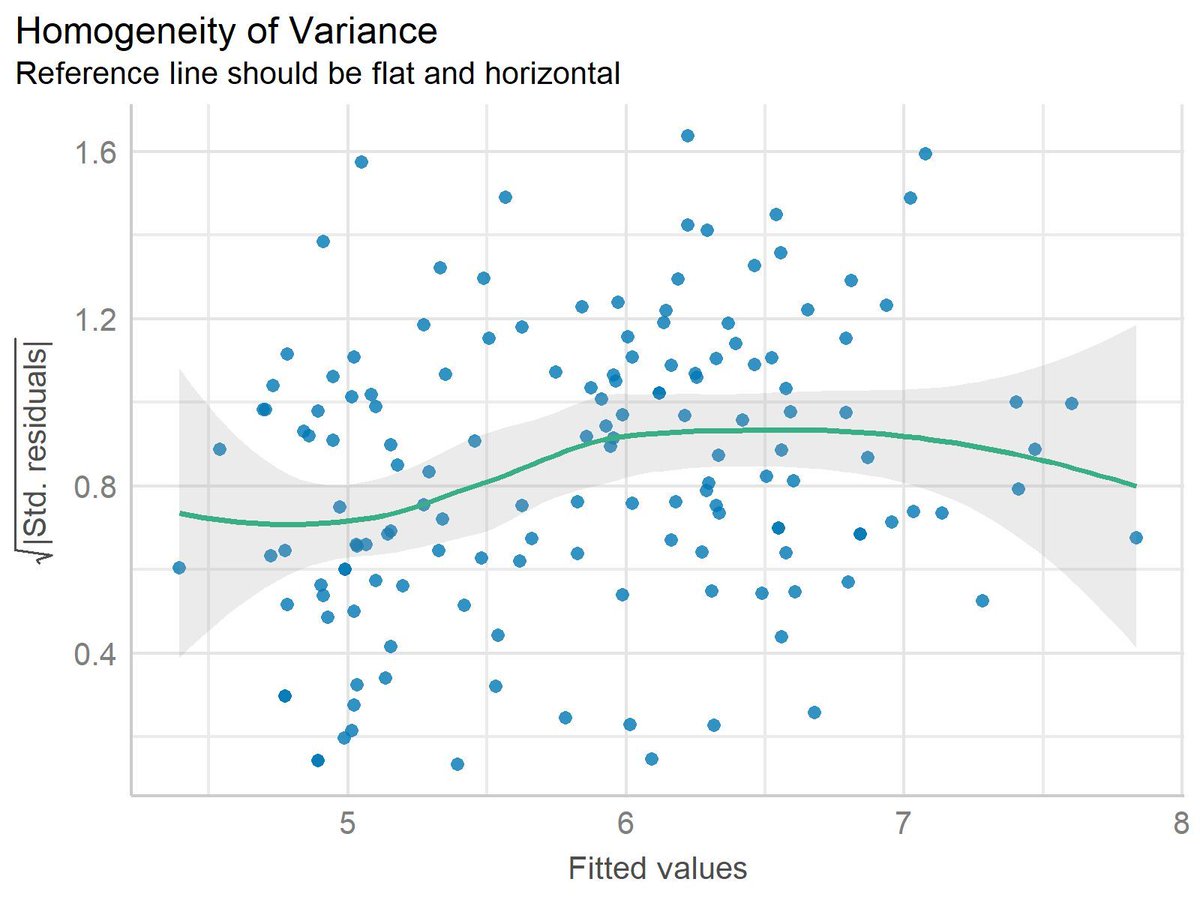
Ensuring homogeneity of variance (homoscedasticity) is often considered a key assumption in linear regression. But is it really that important? 🤔
Consider the points below:
✔️ Robust Standard Errors: Even when heteroscedasticity (unequal variance) is present, robust standard errors can adjust for this issue, providing reliable p-values and confidence intervals. Common methods include the Huber-White sandwich estimator or HC3 standard errors, widely available in statistical libraries.
✔️ Focus on Inference: If your goal is accurate statistical inference, robust standard errors often make the homoscedasticity assumption less critical. However, these corrections are most effective with sufficient sample sizes, as smaller samples might still produce unstable estimates.
✔️ Model Diagnostics: Diagnosing heteroscedasticity remains important before applying corrections. Tools such as residual plots, the Breusch-Pagan test, or the White test can help detect patterns in the error variance and guide the choice of correction or alternative model strategies.
❌ Not a Fix-All: While robust standard errors handle inference issues, they don’t address poor model fit or systematic patterns in residuals. In such cases, approaches like Weighted Least Squares (WLS) or Generalized Least Squares (GLS) might be more appropriate, as they explicitly model and adjust for heteroscedasticity.
The plot below visually demonstrates how heteroscedasticity can manifest in residuals. Ideally, the reference line (in green) should remain flat and horizontal, indicating homogeneity of variance. When patterns or trends appear, it suggests a potential violation of this assumption. In such cases, applying robust standard errors or exploring alternative approaches like Weighted Least Squares (WLS) might be necessary. This plot was created using the performance package in R.
If you enjoy practical insights like these, subscribe to my free email newsletter for regular tips on data science, statistics, Python, and R programming. Take a look here for more details: https://t.co/X93SeCe0rb
#rstudioglobal #programming #Python #RStats #DataVisualization #DataScience #database #VisualAnalytics
👉🏼 This is intresting and confusing too,
🔸They don't recommend assessing anion gap for resolution of DKA anymore ( still remembering telling interns and 100 more people it's wrong to just see the ph for resolution of DKA 😅 )
🔸The arbitrary decision to not tell the choice of fluids despite the fact that 0.9% nacl being associated with hyperchloremic acidosis is confusing
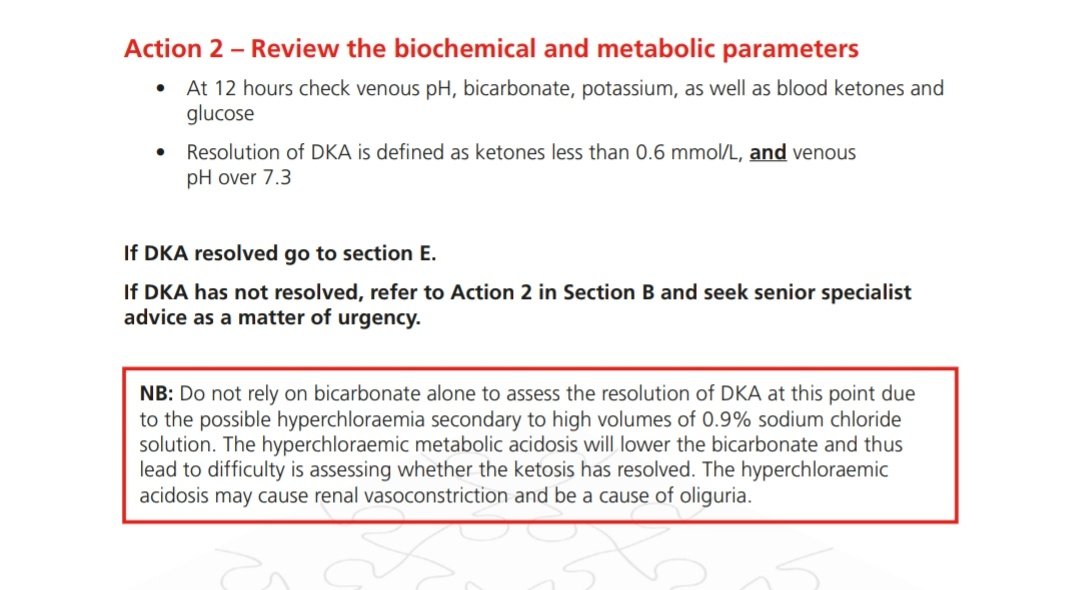
🗒️🗒️🗒️ The resolution of Diabetic Ketoacidosis (DKA) and Hyperosmolar Hyperglycemic State (HHS) as per latest 2024 guidelines
Resolution of DKA is defined as:
🔸Plasma ketone concentration <0.6 mmol/L
🔸Venous pH ≥7.3 or bicarbonate ≥18 mmol/L
🔸Ideally, blood glucose concentration should also be <200 mg/dL (11.1 mmol/L)
👉🏼Points to Note:
The anion gap should not be used as a criterion because it might be misleading due to hyperchloremic metabolic acidosis caused by large volumes of 0.9% sodium chloride solution.
Because β-hydroxybutyrate is converted into acetoacetate as the acidosis improves, urinary ketone measurement should be avoided as a criterion of DKA resolution
@drmohansai
@yajadev
@karthik2k2 your thoughts sir ?
Does measuring ph and bicarb alone is reliable ?
Because we see a lot of CKD, COPD patients and other comorbidities which have over lap with ph alteration.
#medtwitter
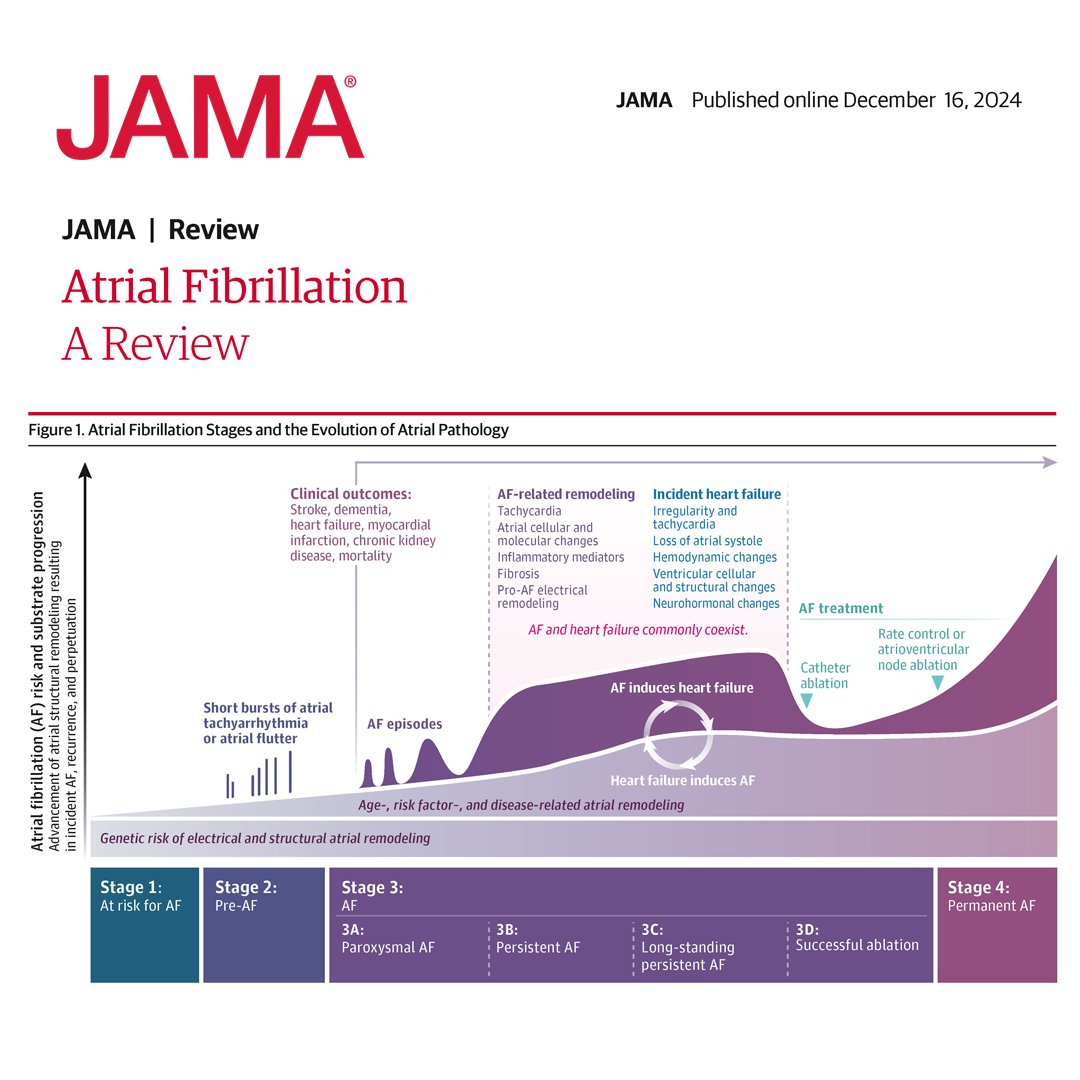
Atrial fibrillation (AF) is associated with increased rates of stroke, heart failure, and mortality. This narrative review examines the epidemiology, pathophysiology, diagnosis, and treatment of AF.
https://t.co/ckXXhdBz6s