there is a game called "data center" on steam which let's you build and manage your own data center.
this is lowkey genius, the best way to educate people on a new trait. hyperscalers should learn a thing or two from "edutainment".
Loadable Kernel Module (LKM) rootkit developed for Linux 6.x kernels by @MatheuzSecurity
Blog: https://t.co/eEY43jEnJu
Repository: https://t.co/kfJSMPIMsC
#infosec
MEGAWATT IN A BOX? This high-temperature gas reactor being developed by @RadiantNuclear could be a potential replacement for diesel generators.
Radiant is on track to become the first company to test its fueled reactor experiment in DOME — the world’s first microreactor test bed.
Studying tip:
1. Go to https://t.co/fOYUV0kbbJ
2. Study the bug in detail
3. Study the attack vector
4. Study the protocol where the bug is found
5. Repeat every day and you will progress really fast
@grok In 48 hours from now, pick 3 random people in my comments to win my endless bundle/ 900 - Hacker's toolkit. They must have liked and shared the post and left a comment.
https://t.co/Zl50SdfK87
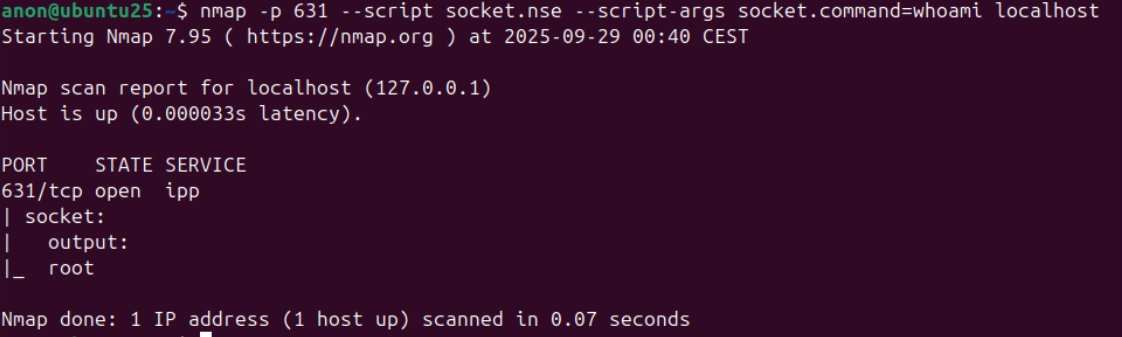
new backdoor method that leverages nmap with setuid permissions to execute commands as root through a Lua-loaded C library, I hope you enjoy it!
here is the url: https://t.co/QjWPWT6PNw
special thanks to @hackerfantastic for giving me some pointers to make this work
🛡️ Hackers Can Bypass EDR by Downloading a Malicious File as an In-Memory PE Loader
Read more: https://t.co/xE34z6o77F
A sophisticated technique that allows attackers to execute malicious code directly in memory is gaining traction, posing a significant challenge to modern Endpoint Detection and Response (EDR) solutions.
This method, which involves an in-memory Portable Executable (PE) loader, enables a threat actor to run an executable within an already trusted process, effectively bypassing security checks that primarily monitor files written to disk.
The technique highlights a critical blind spot in some security postures, allowing secondary payloads to be deployed stealthily after initial access is gained.
#cybersecuritynews
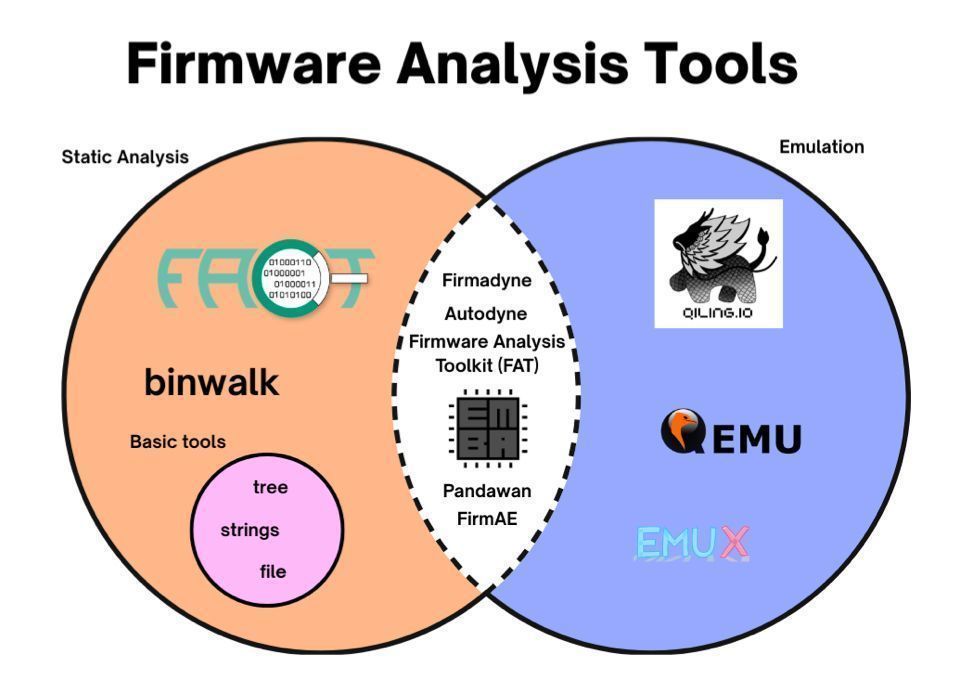
Evaluation of different tools for routers firmware emulation
(FACT, QEMU, EMUX, Qiling, Firmadyne, FAT, FirmAE, Pandawan, and EMBA)
https://t.co/IXZK9ZfIrV
#cybersecurity#embedded
Vulnerability Researcher @yarden_shafir takes the BlueHatIL stage to explore surprising ways kernel pointers can still be accessed, even with modern security measures in place. From ASLR to event logs, she dives into the creative techniques researchers use to uncover new attack surfaces.