A city has slums. Two options: bulldoze and move residents to new housing, or upgrade the slum where it stands. New housing sounds better. Chile tested both for 20 years. It wasn't even close.
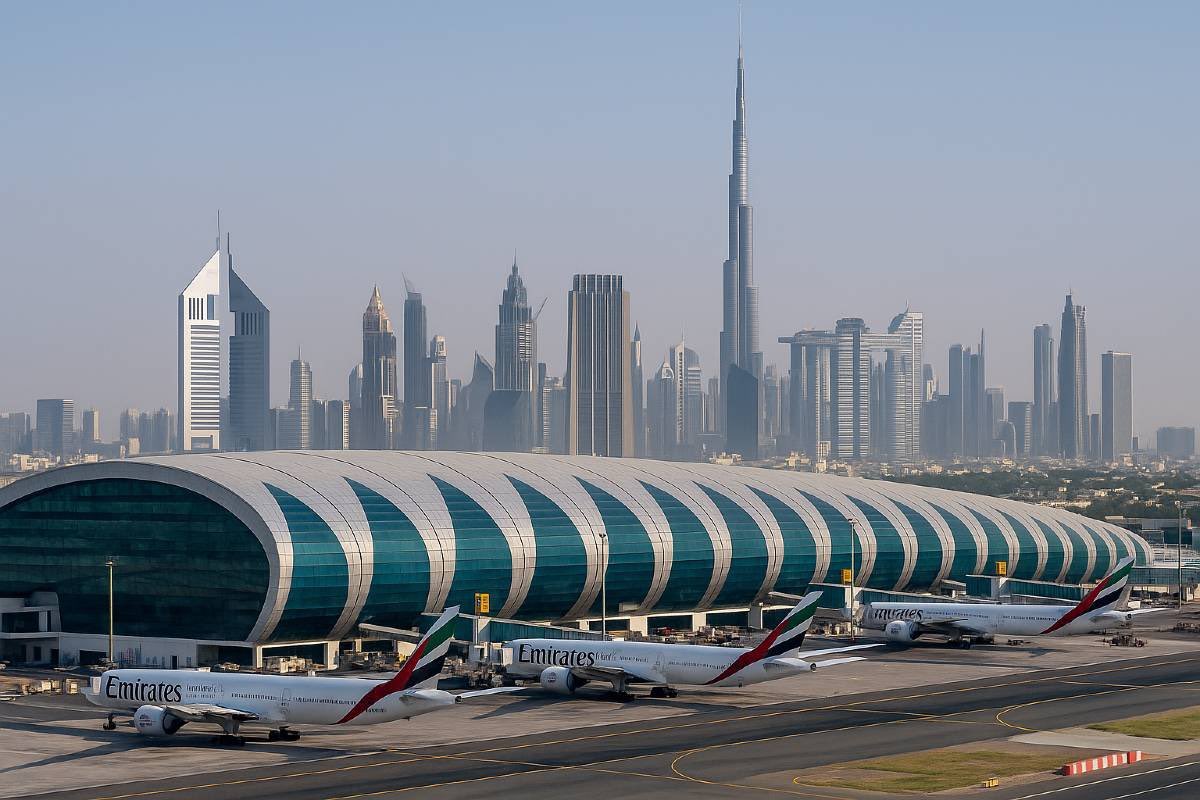
Dubai just shut down. The busiest international airport on earth. Closed. Indefinitely.
Dubai International and Al Maktoum International both suspended all operations on February 28 per official Dubai Airports statement. Over 280 flights canceled. 250 more delayed. The airspace that handles more international passengers than any hub on the planet went dark this morning because Iranian ballistic missiles were flying through it.
Now read the airline list and understand the scale of what just broke.
Emirates. Grounded. Etihad. Grounded. Qatar Airways. Suspended all flights to and from Doha after Qatari airspace closed. Air India. Every single flight to every destination in the entire Middle East. Suspended indefinitely. Turkish Airlines. Suspended flights to Bahrain, Iraq, Iran, Jordan, Kuwait, Lebanon, Oman, Syria, Qatar, and the UAE until at least March 2. Lufthansa. Dubai suspended. Air France. Tel Aviv and Beirut suspended. Wizz Air. Israel, Dubai, Abu Dhabi, and Amman suspended until March 7. British Airways. Affected. Virgin Atlantic. Affected. Japan Airlines. Affected. Norwegian Air, LOT Polish, Scandinavian Airlines, Aegean, Iberia, Air Arabia, PIA, Saudia, Air Algerie. All affected. All grounded or rerouting.
This is not a regional disruption. This is the global aviation network breaking at one of its most critical nodes.
Dubai is not just an airport. It is the single largest connecting hub between Asia, Europe, Africa, and the Middle East. Every flight from Mumbai to London, from Singapore to Frankfurt, from Nairobi to New York that routes through the Gulf is now either canceled, delayed, or burning extra fuel on thousand-mile detours around closed airspace. IndiGo just suspended flights to Almaty, Baku, Tashkent, and Tbilisi until March 28. Not March 2. March 28. A month of Central Asian connectivity erased because Iranian missiles crossed the flight paths.
The cost is compounding by the hour. Rerouted flights burn more fuel when oil is spiking past 100 dollars a barrel because the same conflict that closed the airspace is threatening the strait that moves 21 million barrels a day. Airlines are paying surge prices for fuel to fly longer routes around a war zone that did not exist yesterday morning. Every hour the airspace stays closed, the losses multiply across carriers already operating on thin margins.
And here is what nobody is calculating yet. Dubai’s economy runs on connectivity. Tourism. Trade. Finance. Logistics. All of it depends on DXB being open. The UAE just absorbed an act of war on its sovereign territory with a civilian killed in Abu Dhabi from missile debris. The country that built its entire economic model on being the safe, neutral, connected hub of the Middle East is now closed for business because the country it had no quarrel with fired missiles through its airspace.
Iran did not just attack military bases this morning. Iran shut down the economic engine of the Gulf.
That is a cost Tehran cannot afford to repay and the UAE will not forget.
📢Excited to announce the 1991 Fellowship @mercatus - to find and back the next generation of policy thinkers working on state-level deregulation in India.
Funding, mentorship, and support to turn good ideas into policy.
Apply here: https://t.co/5UhBmJTsXC.
Deadline Feb 28.
Today in the Lok Sabha, I introduced my Private Member’s Bill to establish a permanent States & Union Territories Reorganisation Commission to ensure any future creation or alteration of States/UTs is guided by objective data (including Census), clear definitions, administrative efficiency, economic viability, national unity, and the will of the people. India deserves a structured process, not ad-hoc decisions.
#Opinion | CBAM is not protectionism, it’s a signal for #India to adopt carbon pricing. Instead of seeking exemptions, India should implement a domestic #carbontax to stay competitive and align trade strategy with the #EU, writes @ajay_shah.
https://t.co/OXElqWcVrX
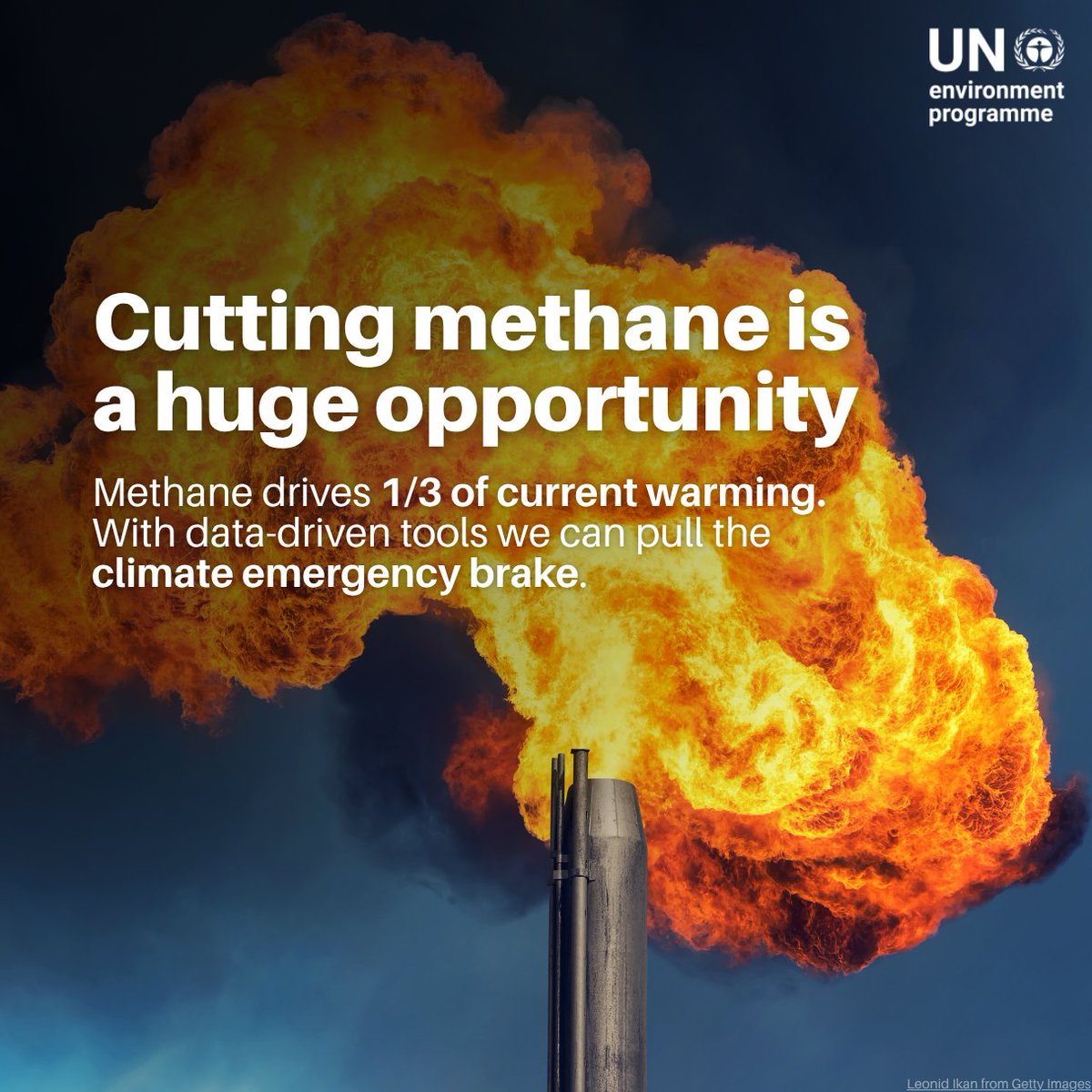
Cutting methane is one of the fastest ways to slow warming.
UNEP’s Eye on Methane shows the data is here, action isn’t.
As methane takes center stage at #COP30, leaders must turn measurement into real cuts: https://t.co/tDKUCXetWe
#CutMethane
Happy birthday to Sir David Attenborough. Nobody has served humanity so well, in helping us reconnect to our Planet, and to show how resilient and forgiving nature can be, if we humans treat life as we expect to be treated ourselves, in life. https://t.co/ERJj0oLK85
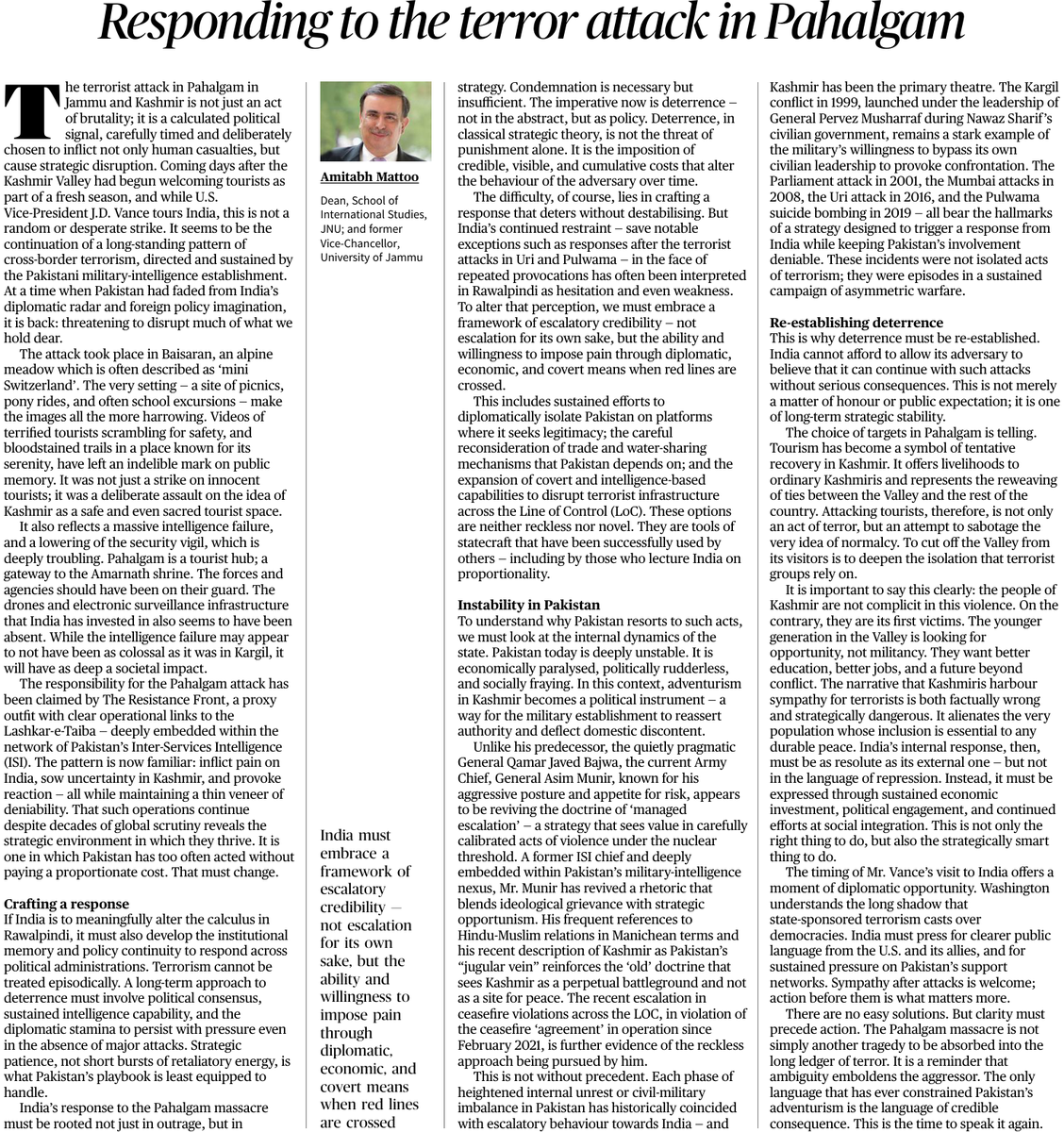
Pragmatic points for action by @amitabhmattoo in today's @the_hindu on an important subject that otherwise gets covered in rhetoric and emotions.
@RRajagopalanJNU too has long been calling for a controlled escalation against Pakistan.
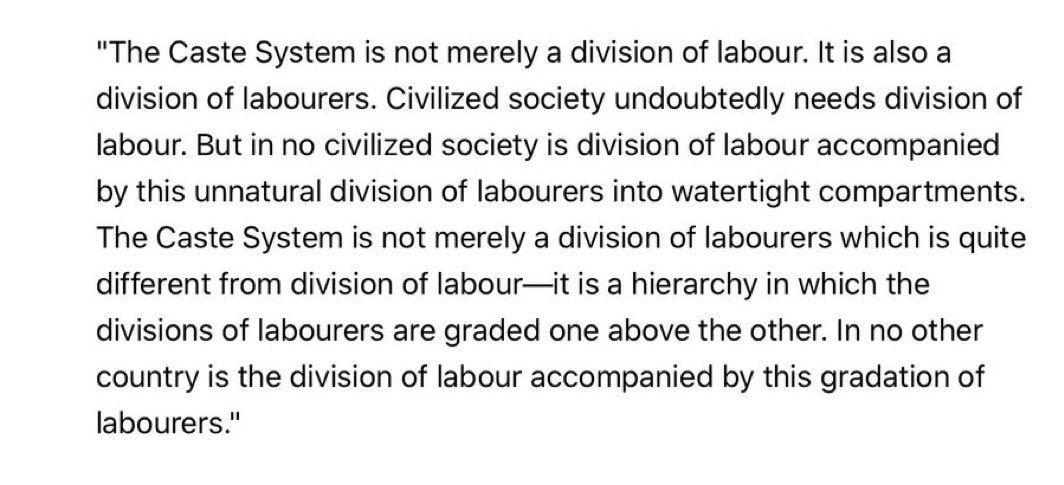
On Ambedkar Jayanti, sharing my favorite Ambedkar quote: “The Caste System is not merely a division of labour. It is also a division of labourers.”
And also a thread of his writings I posted a few years ago.
NEW PUBLICATION: Our report assesses India’s readiness for the extreme #heat of a +1.5 degree world. We examine the implementation of extreme heat policies in 9 major Indian cities - Bengaluru, Delhi, Faridabad, Gwalior, Kota, Ludhiana, Meerut, Mumbai, and Surat - which are among the most at risk from future heat (as per our climate models), collectively covering over 11% of India’s urban population.
Our major finding: While all cities report implementing short-term response measures to prevent heat wave-related deaths, there was a significant gap in their long-term preparedness for future heat. Inconsistent and weakly targeted long-term actions suggest that India will likely face heat waves with higher mortality in the coming years.
This is the first systematic multi-city analysis of heat action implementation in India. Report co-authored by @aditya_vpillai (SFC),@tamannadalal99 (SFC),@ikukreti (SFC), Alexandra Kassinis, Lucas Vargas Zeppetello (@ESPM_Berkeley), @EscanditaTewari (SFC), @NavrozDubash (SFC & @PrincetonSPIA, @PrincetonEnviro).
Detailed findings and recommendations in thread:
Read fully:
A straight line has the shortest length between two points whereas a curved one would be longer. The more the curves are in the line, the longer it gets.
Similarly, when the coastline is digitized at different scales (different zoom levels), coast length changes. When fully zoomed out ,the smaller curves in the coastline caused by lagoons, bays, headlands, islands etc. get missed out but as we zoom in, the curves can be drawn with much more precision.
This phenomenon is called coast-line paradox. It is also important to note that the coastline is a human construct. In natural condition, there is no exact line between sea and land as it changes with time based on tide and waves.
Because of these, there is no single answer for what exactly is the coast length.
I have hand-drawn the coastline of India below to understand this. As we zoom in to Mandapam, you can notice that I am adding more curves thus changing coastal lengths.
So for India, now it depends on what is the scale used for coastline and what are the features that are recognized as internal waters and external boundaries thus resulting in different numbers
Former Prime Minister #ManmohanSingh, 92, passed away late on Thursday at the All India Institute of Medical Sciences. The original Mr. Clean in Indian politics, Dr. Singh would be best remembered as the person who opened up India’s economy in 1991 as Prime Minister P.V. Narasimha Rao’s trusted Finance Minister, @fewcan writes.
https://t.co/BJARSgxBlA
Resilience is non-negotiable. With climate risks rising, India must target net-zero by 2070, cut pollution, and invest in resilient infrastructure. A sustainable economy = a stronger, healthier future.
«The public has a distorted view of science because children are taught in school that science is a collection of firmly established truths. In fact, science is not a collection of truths. It is a continuing exploration of mysteries»
— Freeman Dyson (born 101 years ago #Today)
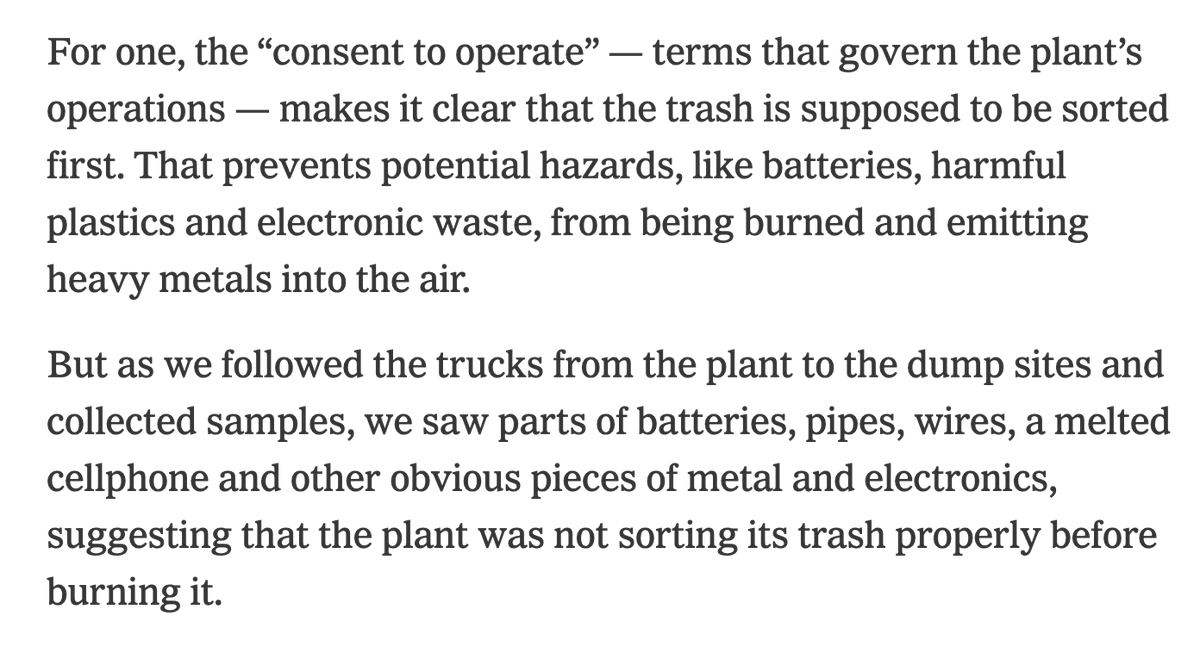
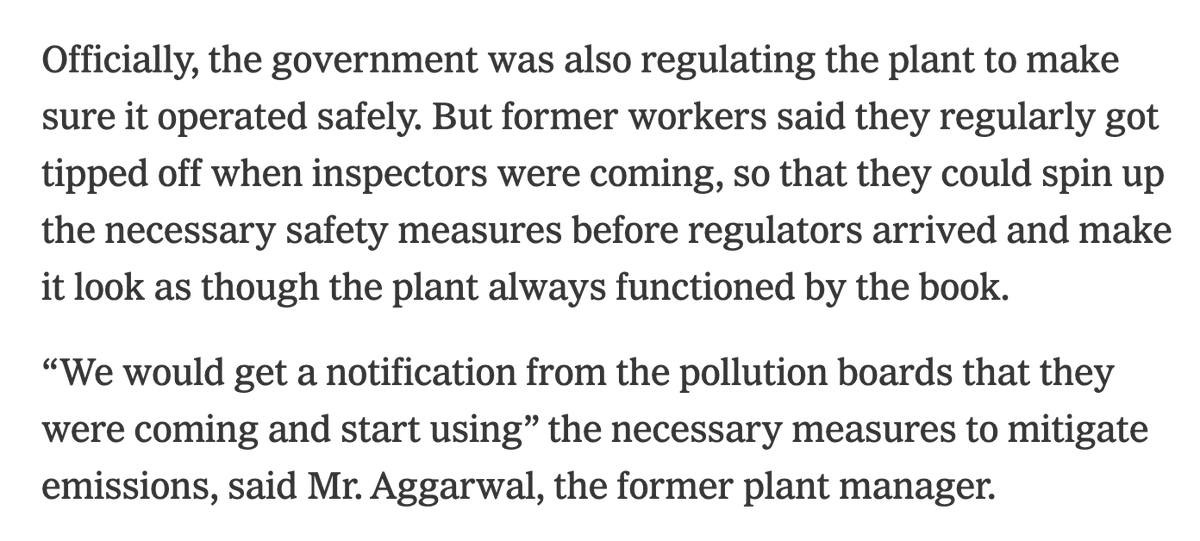
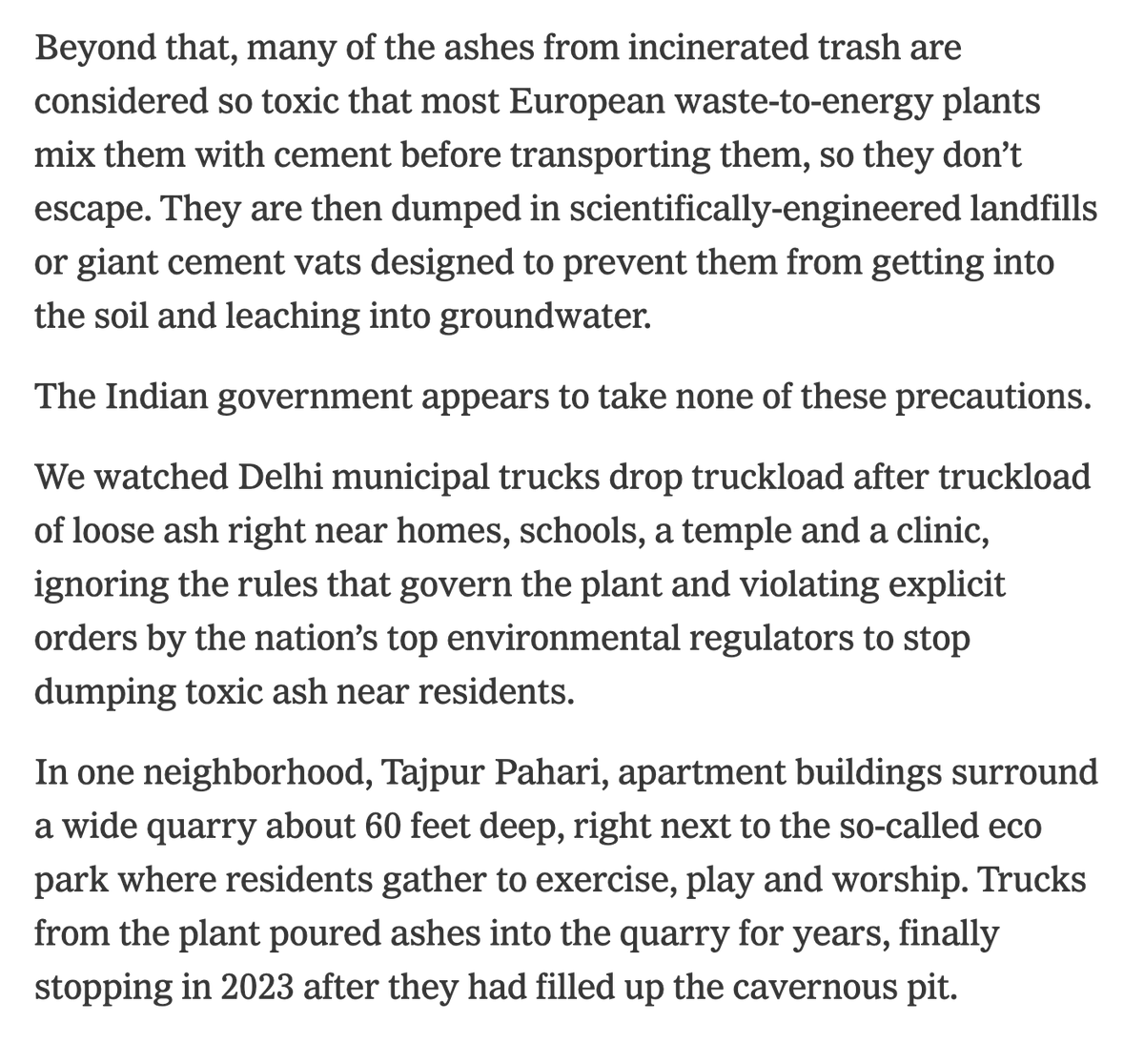
What gets me about this brutal article on the poison air and ash near Delhi's garbage incinerators, is that *none* of the contributing factors (costly monitoring, bribed inspectors, weak governance, piles of unsorted trash) are special.
This must be happening EVERYWHERE
Deeply grieved at the passing away of Dr. Bibek Debroy.
His contributions to governance and policy making were enormous. Equally, his exceptional talents were harnessed to make our culture, history and traditions accessible to many generations.
Remembering a dedicated reformer, great nationalist, an erudite scholar and a wonderful friend. Om Shanti.
A year after Hamas's October 7 attack in Israel, where does #WestAsia stand today? -- I write in The Hindu.
A three-tier war with no endgame - https://t.co/TynP4ne1Lu
Opinion | The long tradition of American #Presidentialdebates has meant make or break for Presidents and presidential aspirants, @ShashiTharoor writes
https://t.co/TKhorQmeXs
Countries are about to set a new climate finance goal, and one of the central questions is which countries will pay. 🌐
@WRIFinance has just released the Climate Finance Calculator to inform these important discussions. Explore the tool➡️ https://t.co/pd0kkCUHQm