We're losing our ability to understand the code we wrote.
We're starting to trust AI more and more with the outputs. But how do you trust that AI is always right if you don't do the proper due diligence or research yourself?
After interviewing many engineers who use AI on a daily basis - one pattern I've observed is that their mental model of the codebase has diminished. The most perplexing part: they are completely self-aware of this shift, and understand that it's a bad thing.
Why is this important? 6 months down the line, when the CTO asks you "how does this work" and "why did you make this technical decision", what will you answer? What happens when you or someone on your team is on-call - how long will it take to resolve an incident? Will your decision stand the test of time or will your team be left with the refactor?
Engineers should be understanding the impact of the changes they make. One-shotting a PR is unsustainable - even if you are reviewing the final PR. You haven't spent enough time understanding the system and the change to be confident about the end result.
They say it takes 2-3 years to understand the consequences of your software design decisions. Was saving a few minutes worth it?
Our Claude Code integration just got an upgrade.
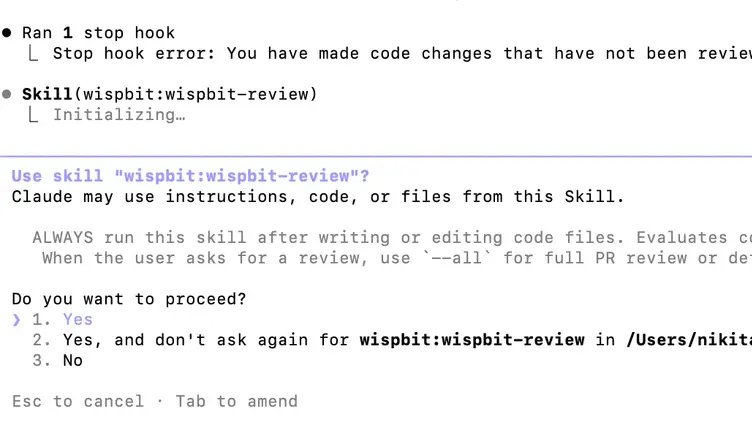
Claude will now always run wispbit to review code changes and ask you to fix or ignore any suggestions. Now you can keep wispbit in a loop as you code!
Files are still reviewed for the current session of changes in Claude, and you can instruct Claude to review all changes, including committed as well.
We're using skills now - `wispbit-review` and `wispbit-research`. You can use the new research skill to look up code conventions for your codebase before writing code, which should make reviews faster. Claude also is instructed to use the skill when in plan mode.
Enjoy!
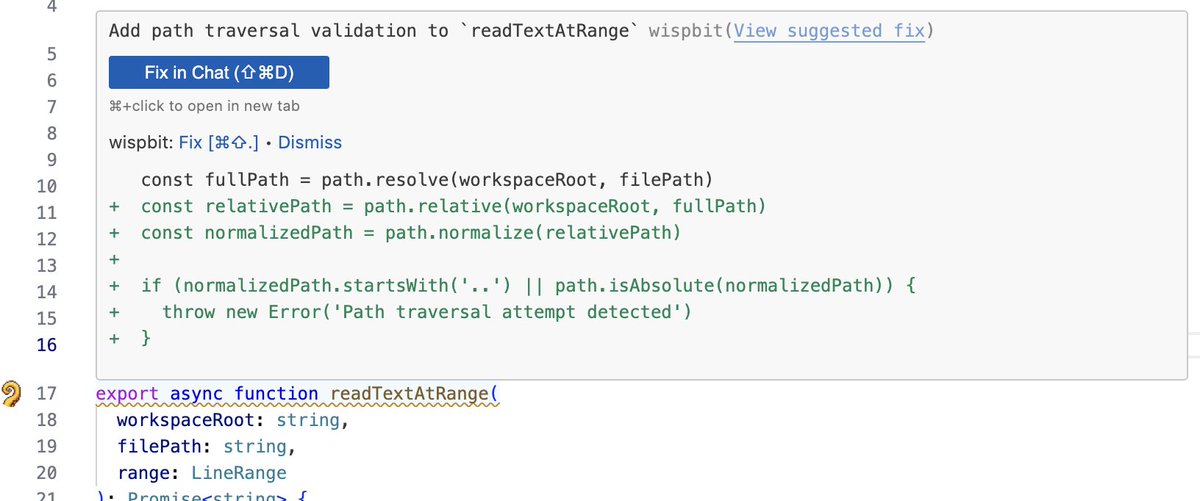
The technology behind our always-on reviews in the IDE is nothing short of incredible.
Imagine having thousands of sub-agents automatically dispatched, each one tasked with reviewing a particular piece of logic. In your IDE. While you write code.
This effectively lets us support an unlimited number of reviews, without hitting context limits that traditional "one shot" reviews are prone to.
When an engineer gets access to this system - the ideas start flowing:
- "Can we check for proper usage of get() in python?"
- "Can we have it verify we're using the AI SDK correctly?"
Basically - they have us start building a sidekick that cares about code quality and correctness as much as they do.
In a world where updates are always coming out and libraries are always changing - it's hard to keep your skills sharp. Engineers are always asked to do more: ship more, integrate more, use X new library more. But building the tooling to help developers make quality decisions every day is always at the bottom of the TODO list, and leadership won't prioritize it.
It might seem like overkill for now. But as models get faster and cheaper - the cost barrier is effectively removed, and what might you get is something that helps you tame the complexity demon.
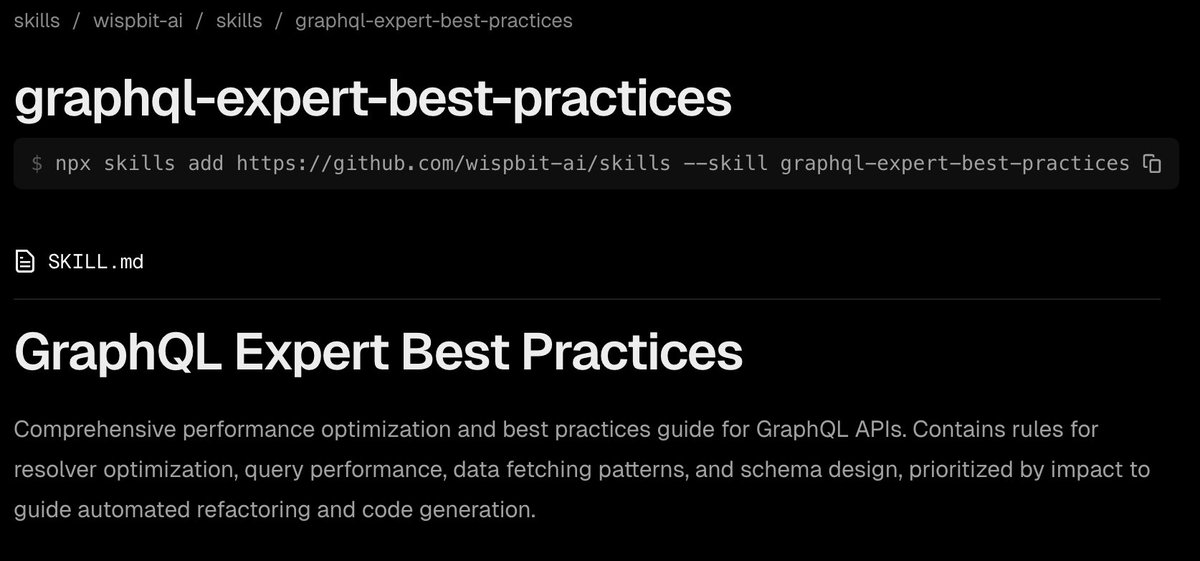
After months of iteration, we're revealing our secret weapon for GraphQL code quality.
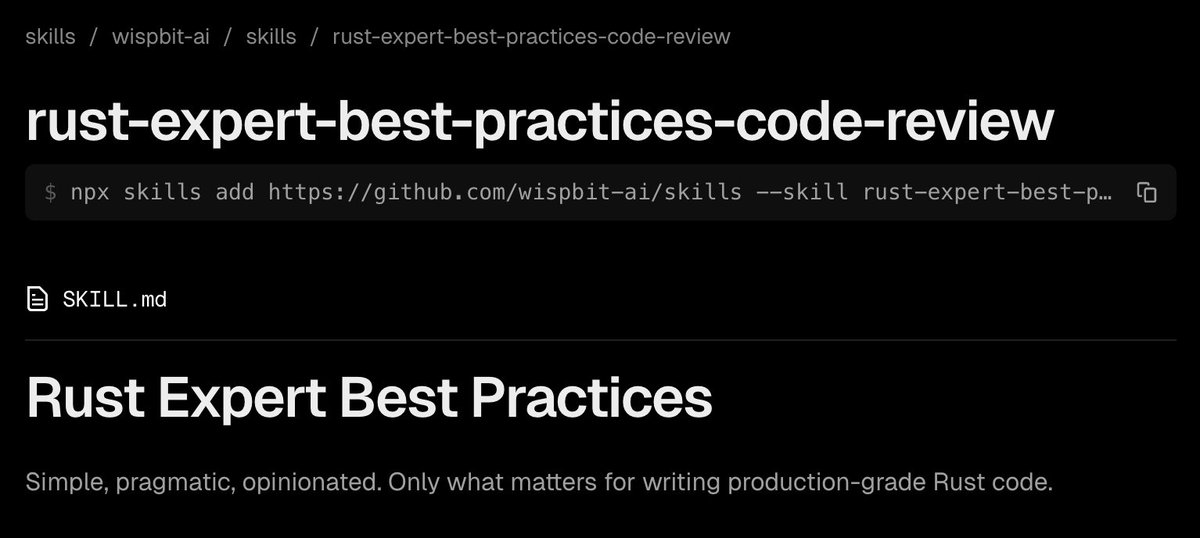
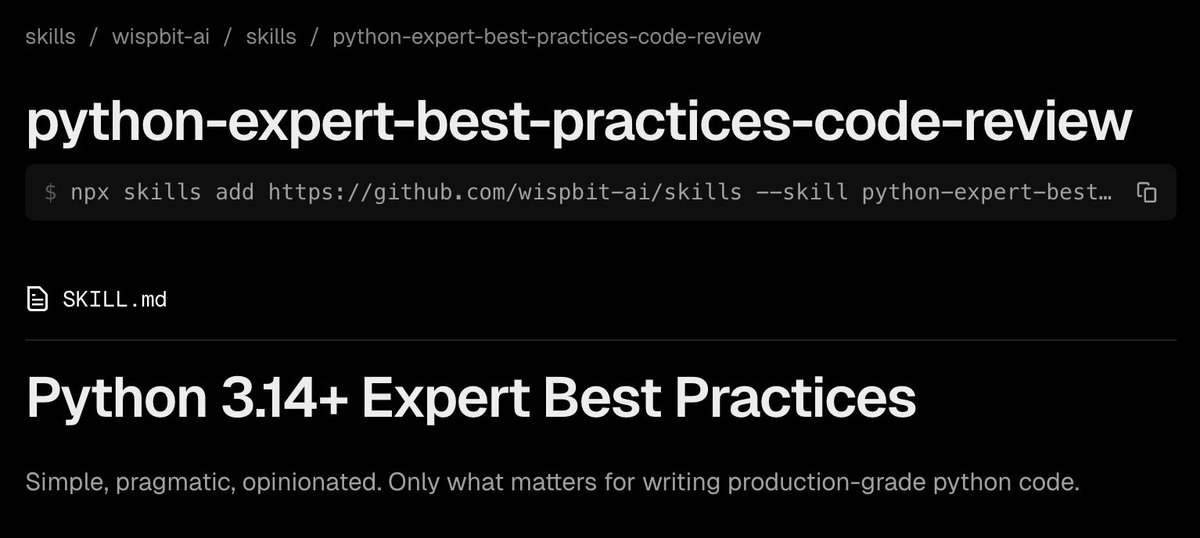
We just dumped the expert, only available on the paid plan, for free as an agent skill.
npx skills add wispbit-ai/skills
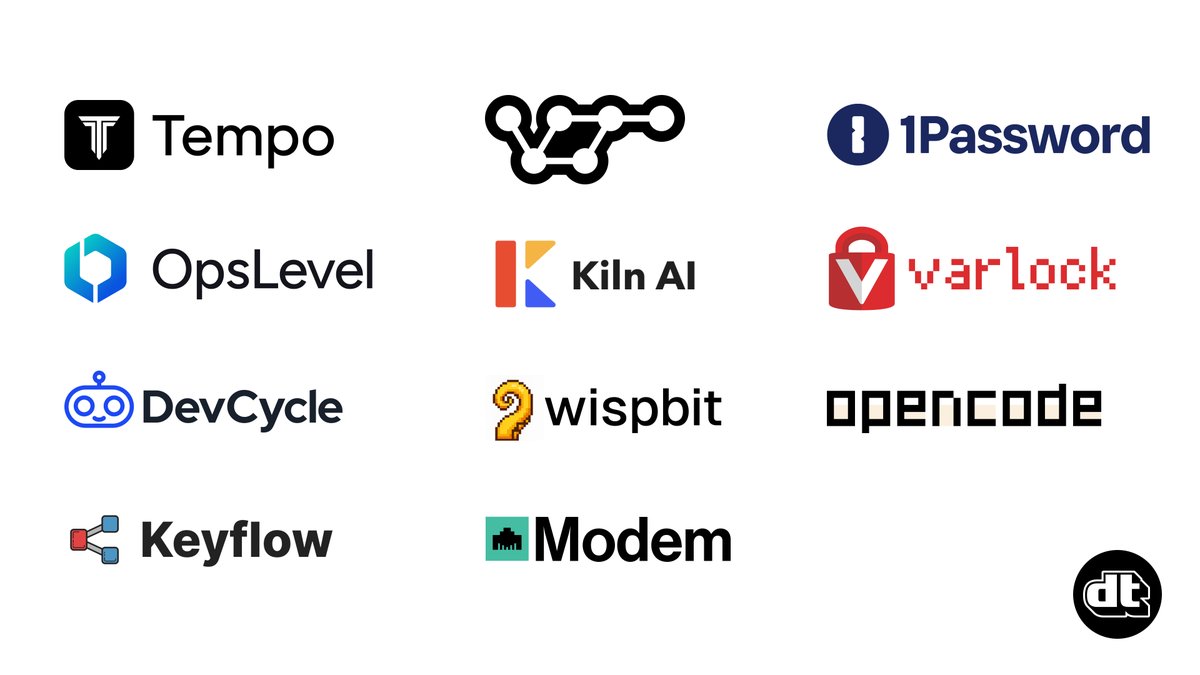
🇨🇦 Startups & OSS projects that have live demoed at @devtoolsTO:
- @opencode - coding agent built for the terminal
- @getkiln - easily build AI systems
- @Tempo_Labs - design react apps 10x faster
- @varlockdev - magic .env files built for sharing
- @vltpkg - the future of JS packages
- @DevCycleHQ - speed up feature releases
- @wispbitai - automate code review
- @OpsLevelHQ - unite your eng tools & teams w/ AI
- @keyflowapp - automate knowledge work
- @modemdev - agentic PM for dev teams
- @1password - secure all sign-ins
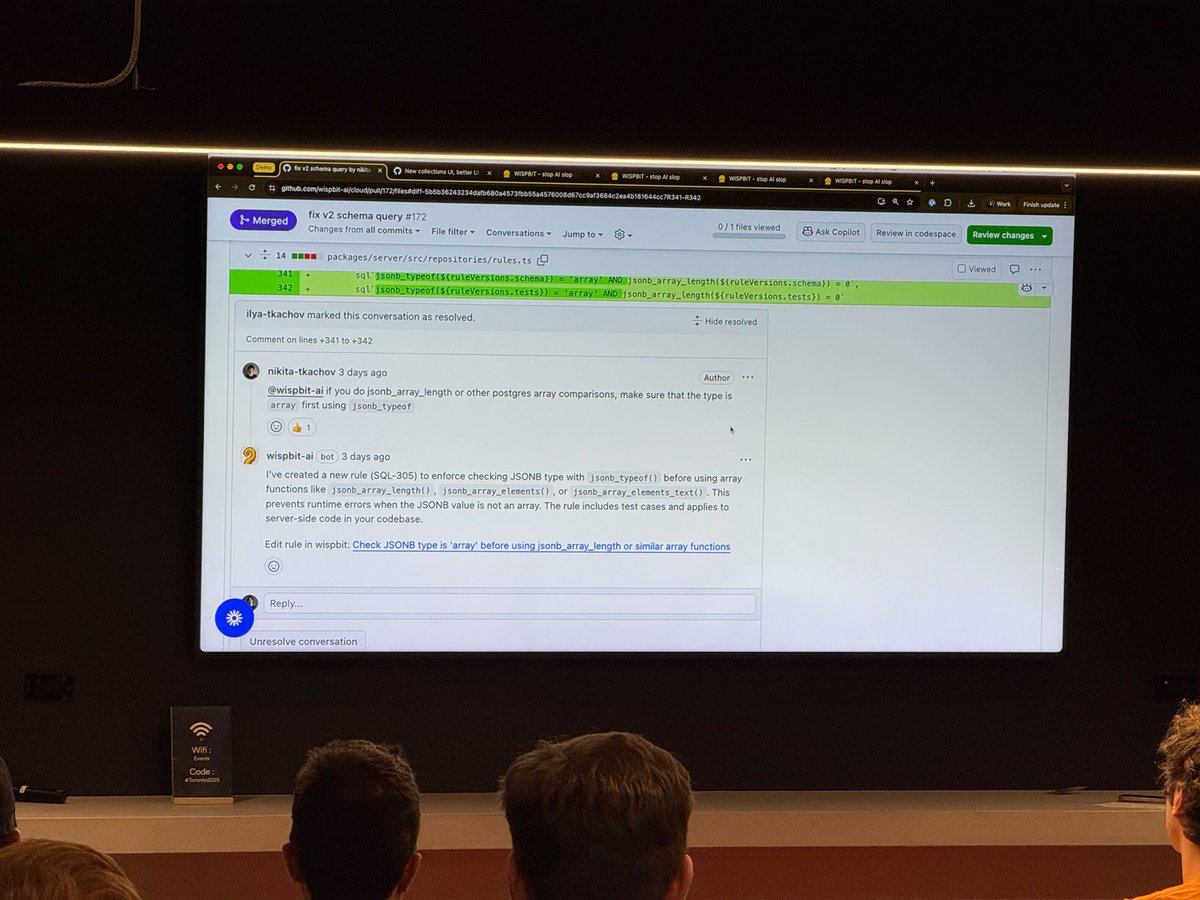
Had a blast demo'ing @wispbitai at the @devtoolsTO meetup!
Getting your team to write quality code is hard, especially in the age of AI. We fix this by making it easy for tech leads to write and maintain rules for their codebase.
Many thanks to @bentlegen for the opportunity!
Had a great time pitching @wispbitai with my co-founder (and twin) @n11v0 at the AI Friends meetup in Toronto!
"software engineering will change, but it won’t be replaced"
Did I mention that wispbit is used to accelerate agentic coding?
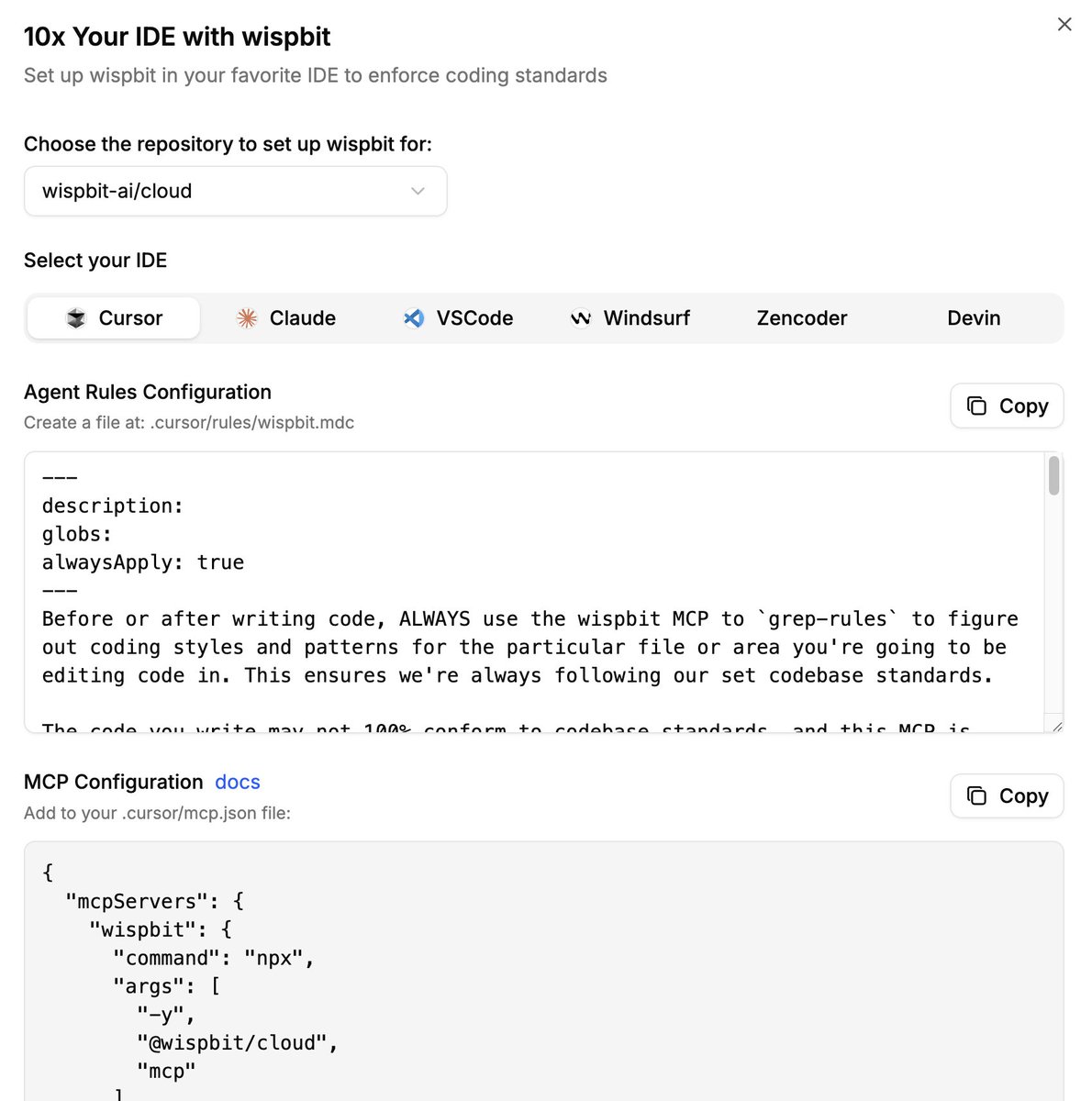
We offer an MCP server, where if you add the correct rules file prompt, your IDE (and background agents like Devin) will grep before coding, helping you make less follow-up prompts!
Just met these twins @ilyatkcv and @n11v0 at an event recently.
They're building a tool to keep codebase standards alive. If anyone's interested in that idea and wants to give them feedback, hit me up.
We’re going to San Francisco for @Techweek_ October 6-11!
We love meeting engineering leaders and talking about the problems they’re running into today.
If you’re in SF - let’s catch up?
vibe coding was actually a secret psyop to train more engineers. we purposely made it so bad that you’d have to eventually learn how to write real software