Chromosome loss is detrimental to cellular fitness, yet can be an early event in cancer. How can a deleterious genomic alteration initiate tumorigenesis? 🤔
Our latest preprint tackles this paradox using clear cell renal cell carcinoma (ccRCC) as a model.
https://t.co/jdoiAyYMmo
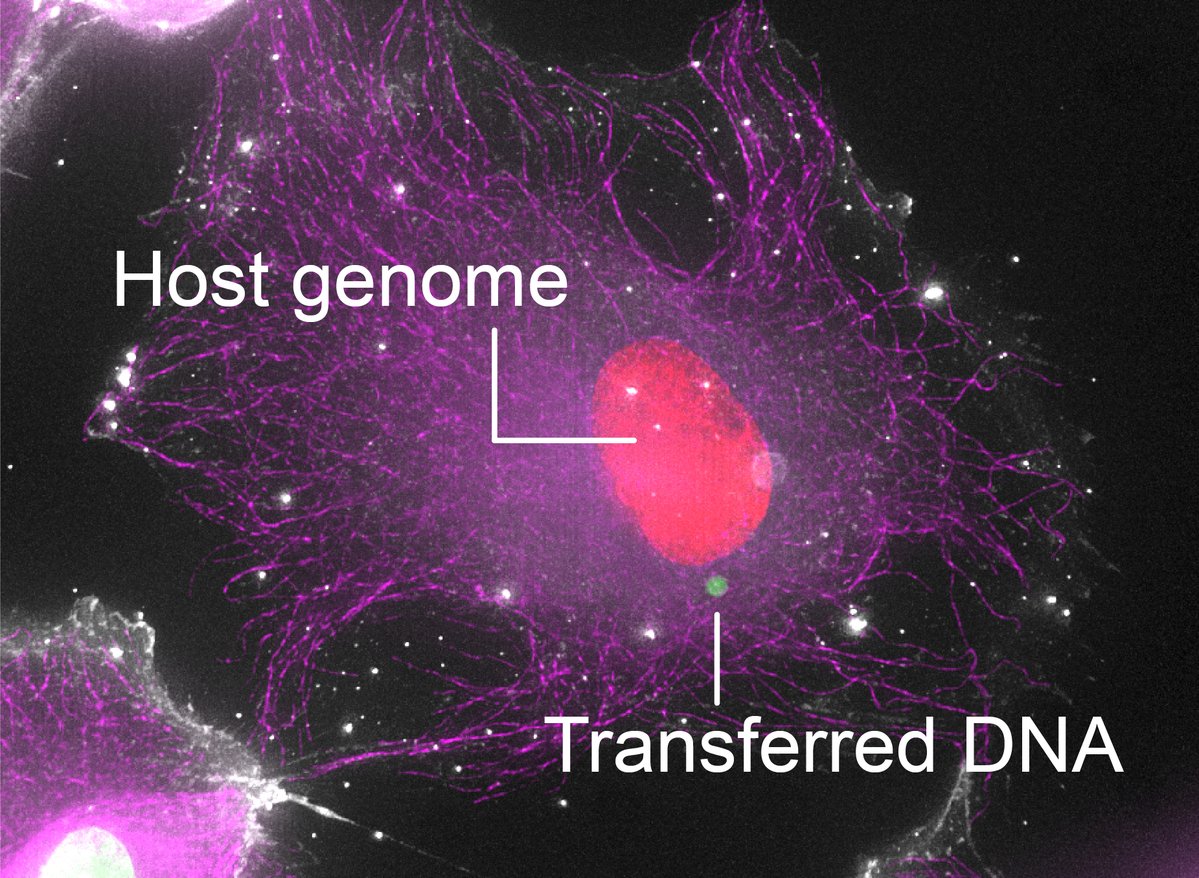
Excited to share our latest paper, out today @CellCellPress. We found that large pieces of the human genome can transfer between cells upon direct contact, endowing recipient cells with heritable phenotypic changes. (1/7)
https://t.co/SbshGhofN0
Thrilled that our manuscript ‘Evolutionary characterization of Lung Cancer metastasis’ in #TRACERx & #PEACE was published in @Nature today. Here is a summary:
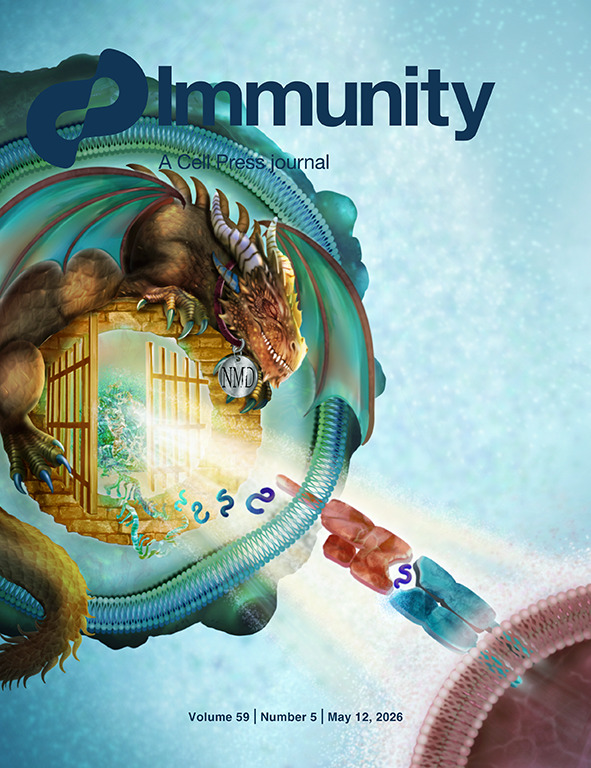
This paper supports a major conceptual shift: tumour antigens are not restricted to DNA mutations; 𝗥𝗡𝗔 𝘀𝘂𝗿𝘃𝗲𝗶𝗹𝗹𝗮𝗻𝗰𝗲 𝗽𝗮𝘁𝗵𝘄𝗮𝘆𝘀 𝗮𝗰𝘁𝗶𝘃𝗲𝗹𝘆 𝘀𝗵𝗮𝗽𝗲 𝘄𝗵𝗮𝘁 𝘁𝗵𝗲 𝗶𝗺𝗺𝘂𝗻𝗲 𝘀𝘆𝘀𝘁𝗲𝗺 𝗰𝗮𝗻 𝘀𝗲𝗲. (12/16)
Chromosomes stuck behind the spindle are ticking time bombs for aneuploidy. We uncovered a mechanical rescue mechanism where microtubule pivoting repositions these high-risk chromosomes! Out last week in @NatureComms, here's a thread 🧵
https://t.co/BBLyswTXK9
Join the Hallegger Lab in Oxford! A RA position is available to develop neuronal cell models to characterise TDP-43 feedback loops.
Highly collaborative project funded by the MND Association.
Please repost and share widely!
https://t.co/rbq3eQfcGn
Could it be this easy? I am not sure to be honest - although it would be nice!
Anyone running this trial?
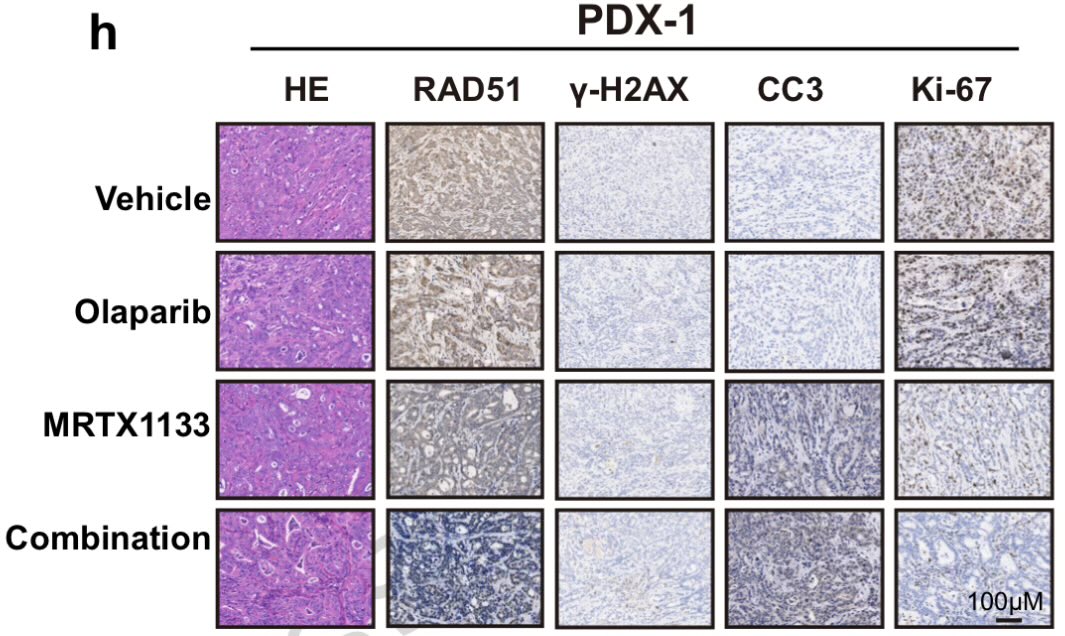
Combination of PARP and KRASG12D inhibitors enhances therapeutic efficacy by exploiting vulnerabilities in #PancreaticCancer
https://t.co/Gt75BwW18c
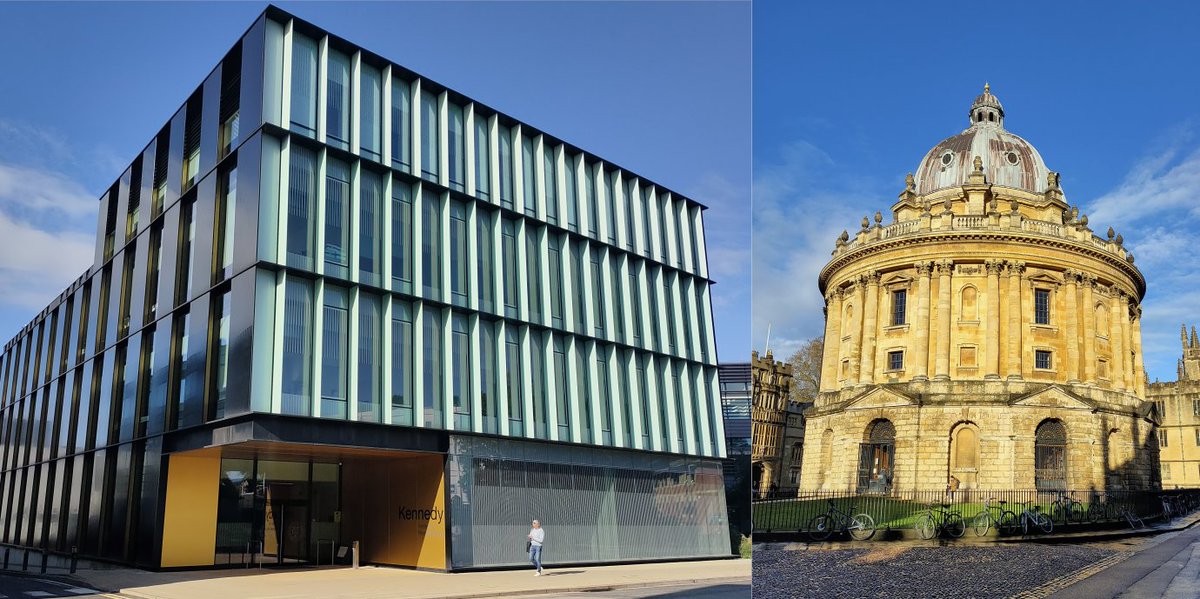
🚨 3-year Postdoc Position @HallouLab (Kennedy Institute, Oxford) - on Spatial Biology & Bioinformatics of Fibrosis🚨
Exciting project combining #SpatialTranscriptomics & #Mechanobiology:
https://t.co/z801pbKEwh
Deadline: 16 March - Please RT 📢!
@KirOxford@UniofOxford
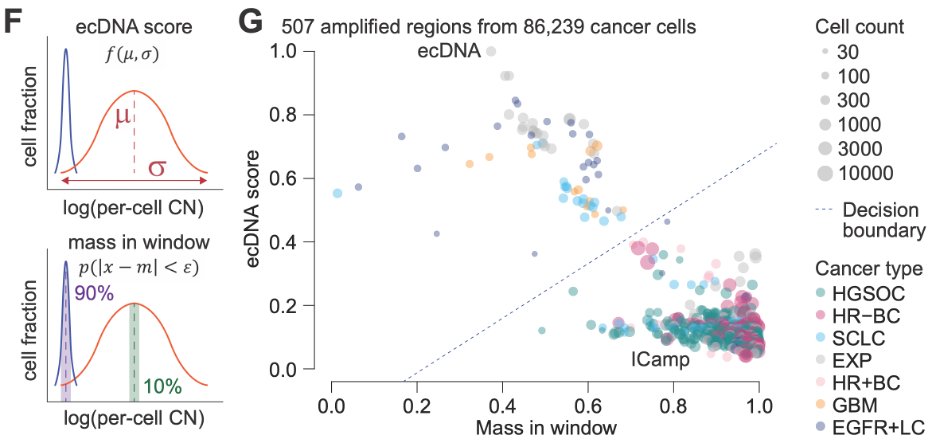
6/n Here are all HLAMP regions in our cohort, classified by two key ecDNA metrics (ecDNA score and mass-in-window). One thing struck me: tissue-type specificity. ecDNA is prevalent in GBM, SCLC, EGFR+ lung cancer, while ovarian and TNBC cases are dominated by ICamps.
Congratulations to Alec Kimmelman & team @nyulangone for @CellCellPress paper today:
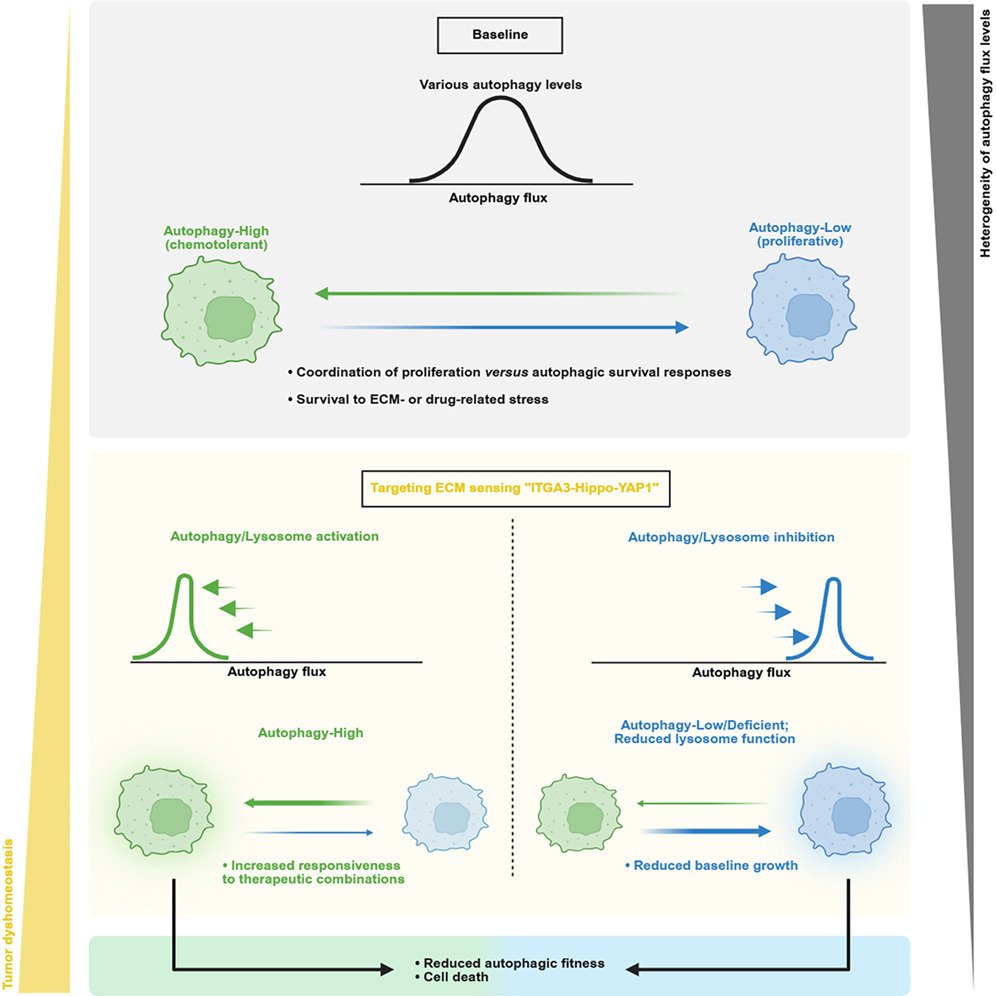
Extracellular matrix sensing regulates intratumoral heterogeneity of autophagic flux
https://t.co/mvXs3PfNbW
In #PancreaticCancer, ECM regulates autophagy flux via the integrinα3-Hippo-YAP1 axis
SCI member @michelle_monje & others reveal that neuronal activity fuels #SCLC growth in both lung and brain via nerve signaling and synaptic connections. Cutting nerve input slows tumors, spotlighting the nervous system's key role in cancer progression. https://t.co/7ubEWLzary
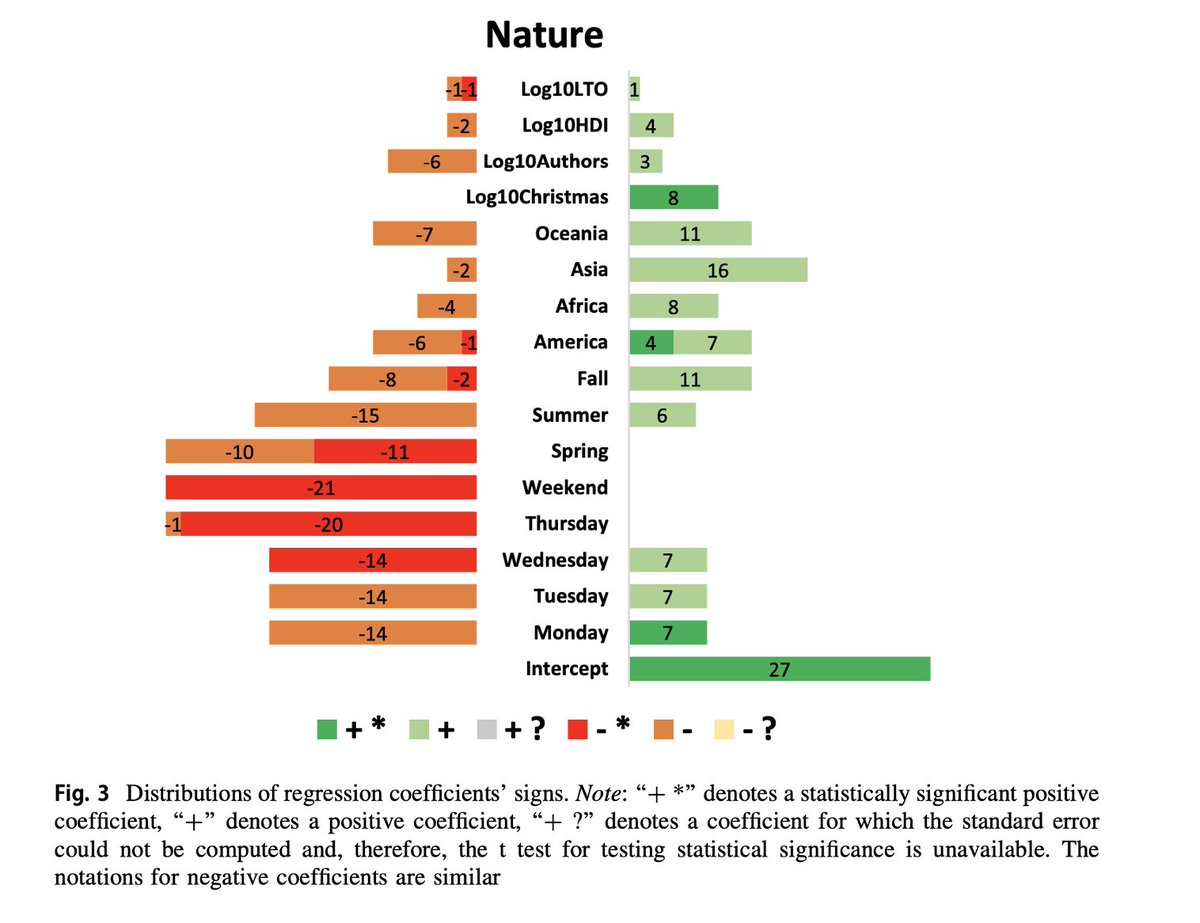
Papers submitted on Tuesdays are more likely to be accepted by Nature whereas Wednesdays seem the most likely day to submit and secure acceptance to PLOS ONE. For Cell, Mondays and Tuesdays seem the best submission days in case of accepted papers.
https://t.co/6w5AraWMzG
A paper from our lab!
https://t.co/vGgoXclP3S
In this paper, we show that Treg determines efficiency of bile duct regeneration, unpicking PSC pathogenesis. Thanks to the support from @The_MRC and the PSC Partners Seeking A Cure , and @PSCPartnersCa
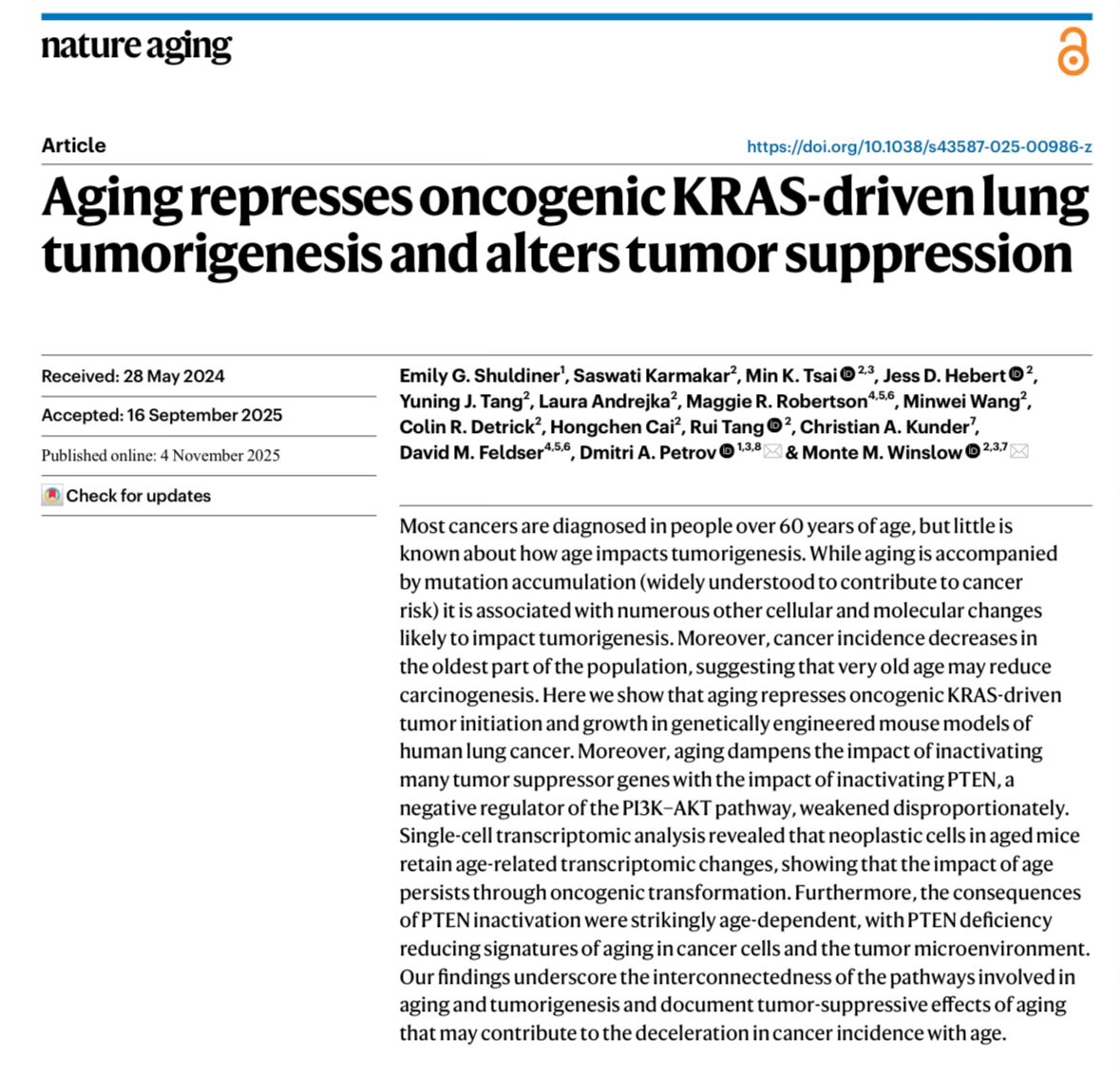
Two fantastic stories published ~a year apart with striking confluence in findings - while age is the single most important risk factor for cancer, aging can also limit the ability of cells to undergo neoplastic transformation.
https://t.co/k3A4nvttVn
https://t.co/fNiXBr14tp
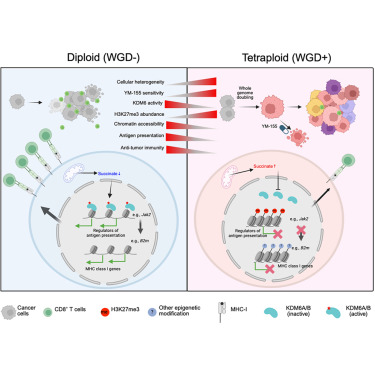
We are hiring a postdoc! Are you:
🔥Passionate about genomic and chromosomal instability?
❓Curious about the relationship between whole genome doubling, cancer evolution and drug resistance?
🩺Want to have close collaboration with clinical facing groups?
https://t.co/mYwOOJhFaM