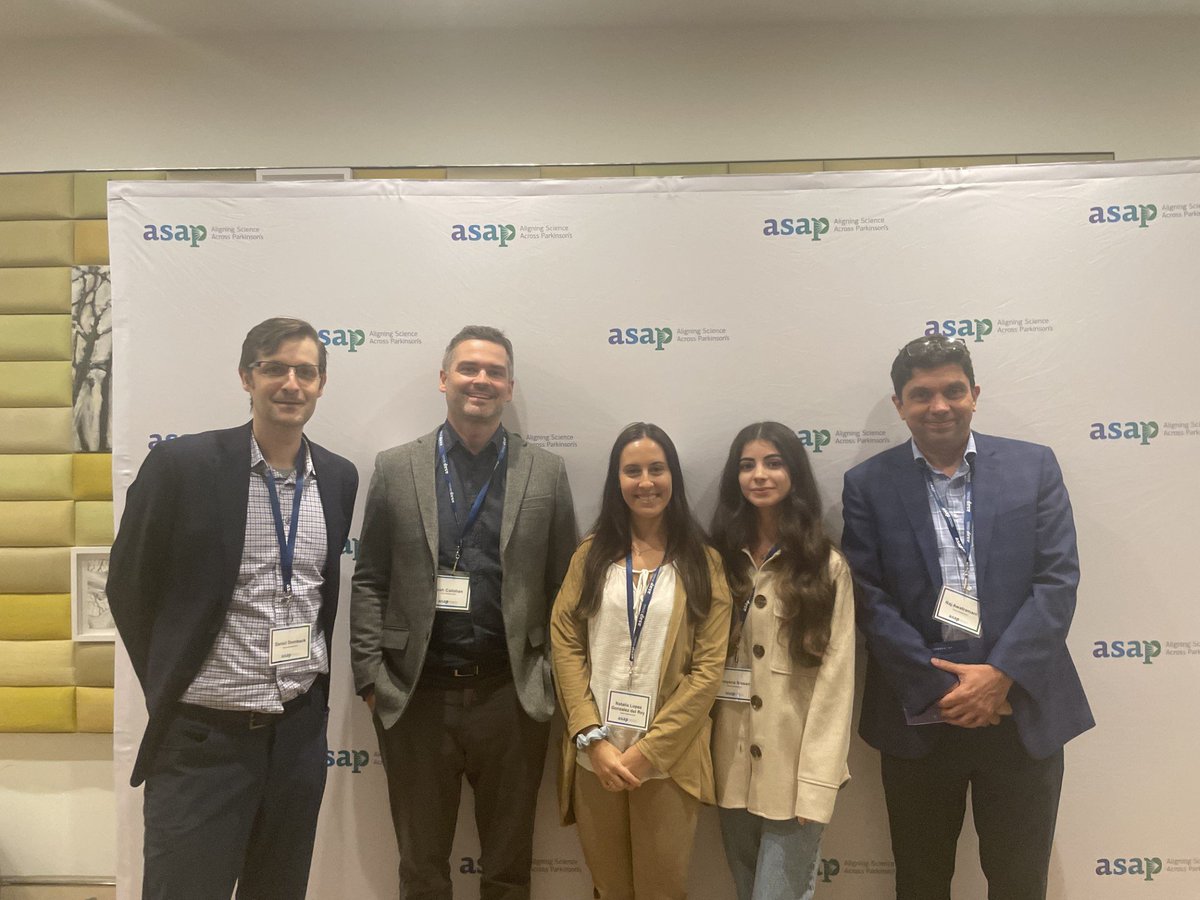
Five teams from NW Uni, Chicago and University of California, San Diego come together with the common goal of tackling some fundamental questions in PD research
Increases in subthalamic activity facilitate locomotion and are selectively impaired in Huntington's disease mice with locomotor deficits, led by Dr. Josh Callahan.
https://t.co/5aO3ckDmqR
Proudly sharing our study on the subthalamic and para-subthalamic nuclei (STN vs. pSTN), and their different roles in behavioral avoidance and aversion. Great work by GP Serra et al: A role for the subthalamic nucleus in aversive learning: Cell Reports https://t.co/nZ3xA6ePOo
A person with Parkinson's disease can't walk because of severe freezing but put him on a bike and he is fine. Great case by Snijders and @basbloem Love the explanation: 'This striking kinesia paradoxica may be explained by the bicycle's rotating pedals, which may act as an external pacing cue. Alternatively, the motor-control mechanisms involved in gait as compared with other activities engaging the legs, such as cycling, could be affected differentially in Parkinson's disease. Cycling may offer a useful approach for exercise training in patients with Parkinson's who are “grounded” by severe freezing of gait.' https://t.co/fq5oe2oodu https://t.co/fq3jiDgUBC
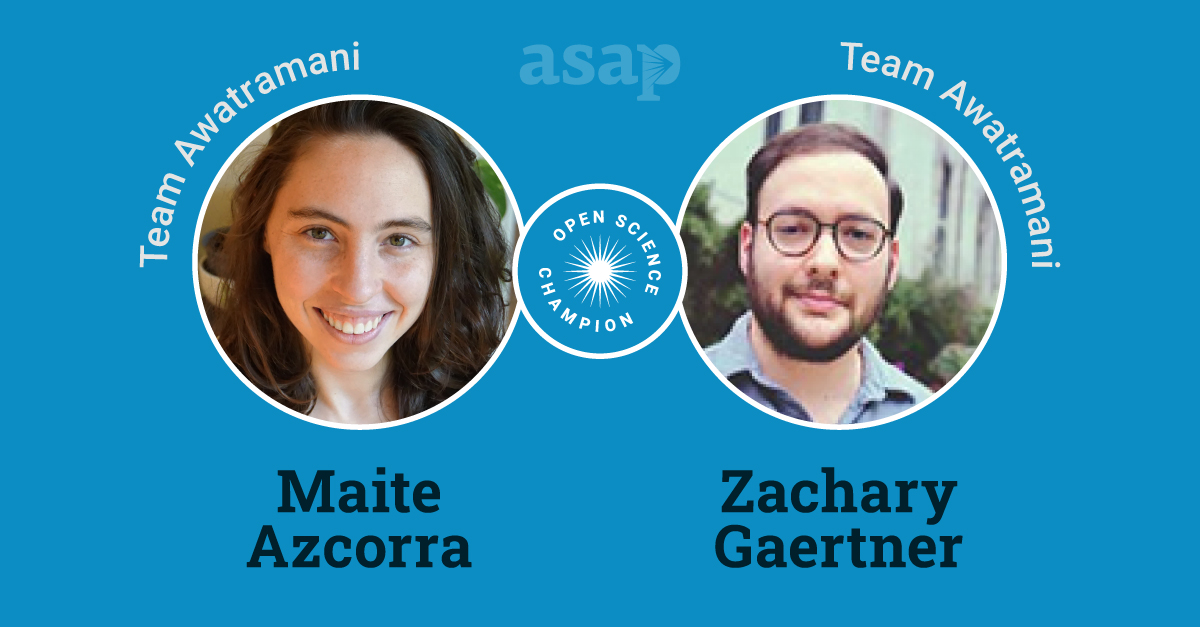
Congrats to September's #OpenScience champions Maite Azorra and @Z_Gaertner! We're recognizing them for sharing underlying fiber photometry and RNA sequencing data, along with the analysis code, protocols, and RRIDs. See more: https://t.co/lt6XuE6j30
Congratulations to Ellen, Andy @SingletonNeuro, and Thomas @ThomasGasser23, for your outstanding contributions to the field 🥳. We're thrilled to have them as members of the ASAP network!
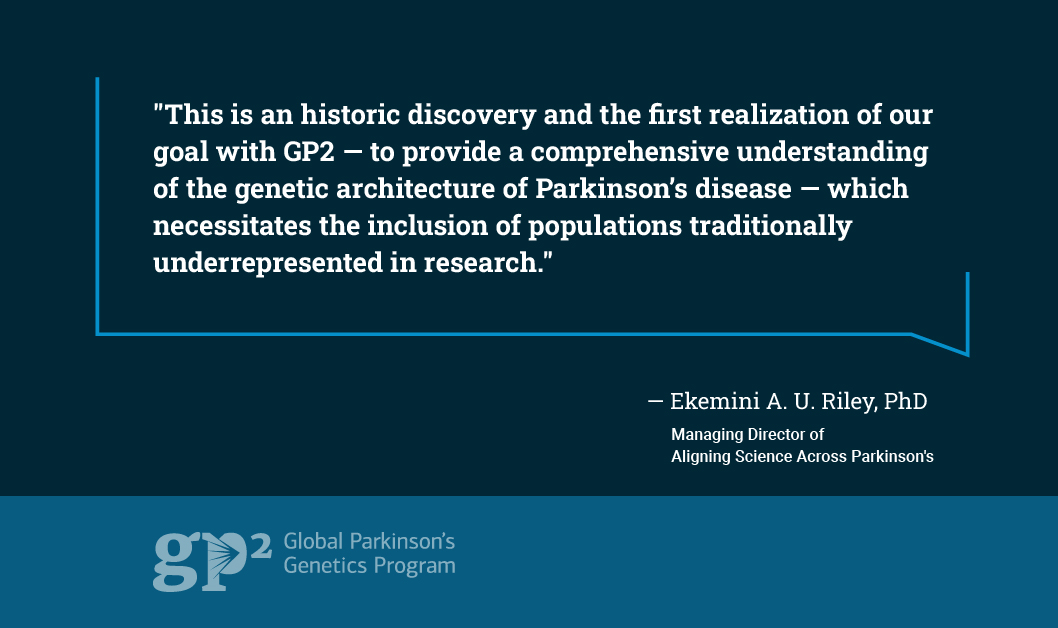
Until recently, our understanding of Parkinson’s biology has been limited to mainly volunteers of European descent. In a groundbreaking research discovery, today new findings published in @TheLancetNeuro reveal a novel genetic variant that increases the risk of Parkinson's among people of African descent. This finding — enabled by support from the @ASAP_Research initiative and The Michael J. Fox Foundation — importantly provides a step toward therapeutic development and research that is reflective of the diverse biology and experiences of all individuals living with Parkinson's.
Learn more: https://t.co/WcYPln41LD
Big news from GP2! Through cross-cohort analysis, GP2 investigators discovered a novel variant in GBA1 gene associated with higher risk of #Parkinsons in people of African & African Admixed populations. https://t.co/v4bZ4eNxPt
That feeling when the director of the #NIH retweets your thesis project 😎
P.S. to those in the comments asking "didn't we already know that?" -- feel free to read the study in @NatureNeuro to see for yourself what's so novel about our findings!
Wow ! what an honor! I hope we can continue to describe the distinctive properties of DA subtypes, with consequence for understanding PD and other DA related diseases.
Great effort by Maite Azcorra and Zack Gaertner at unraveling molecular and functional distinctions within substantia nigra populations.
https://t.co/gEK1MEV4L3
We are excited for members from all 35 CRN teams to meet in San Diego to share emerging #PD research findings and trends. Stay tuned for post-meeting highlights!
Yesterday Dr. Thomas Wichmann talked about "Non-Dopaminergic Neuroplasticity in Parkinsonism" in NW uni, Chicago and interacted with graduate students, post-docs thereafter. We @AsapAwatramani, Team Surmeier, lab @TaliaLerner (team Edwards) learnt a lot @ASAP_Research
The inspirational documentary “Still” about Michael J. Fox opened the Doc10 Film Festival in Chicago. Highlight the Q&A session with director Davis Guggenheim. Strong representation of @AsapAwatramani team members.