The King Has Been Dethroned.
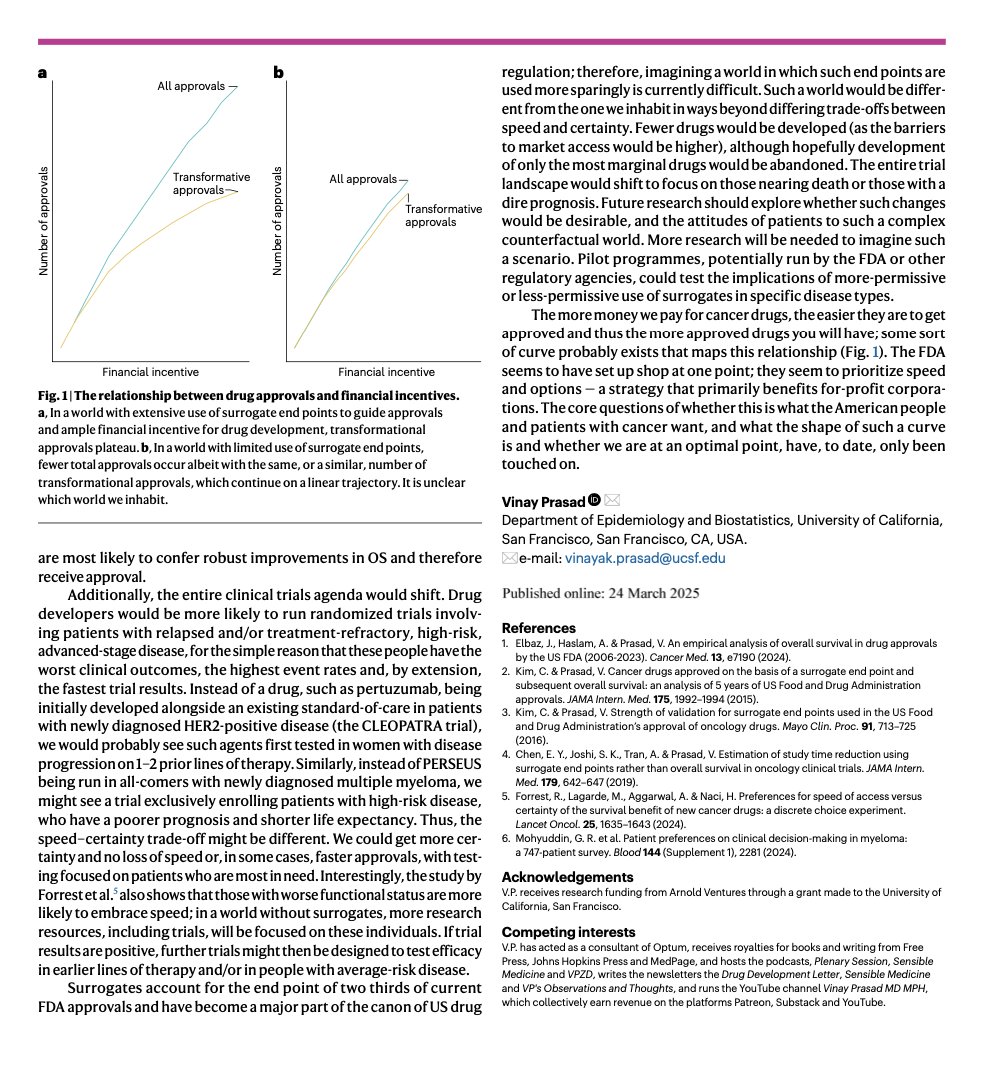
This is probably the most important takeaway from our recent JAMA paper. PFS has been debated, criticized, studied extensively because it was the commonest surrogate endpoint leading to cancer drug approval. PFS was the King of pivotal oncology trials.
Our study shows that this King is now dethroned and replaced. Unfortunately not by a better surrogate but an even weaker and less trustworthy surrogate.
Response Rate.
The commonest surrogate endpoint in pivotal cancer drug trials is now ORR.
The New King but An Even Worse King.
https://t.co/5oKnkgqkIK
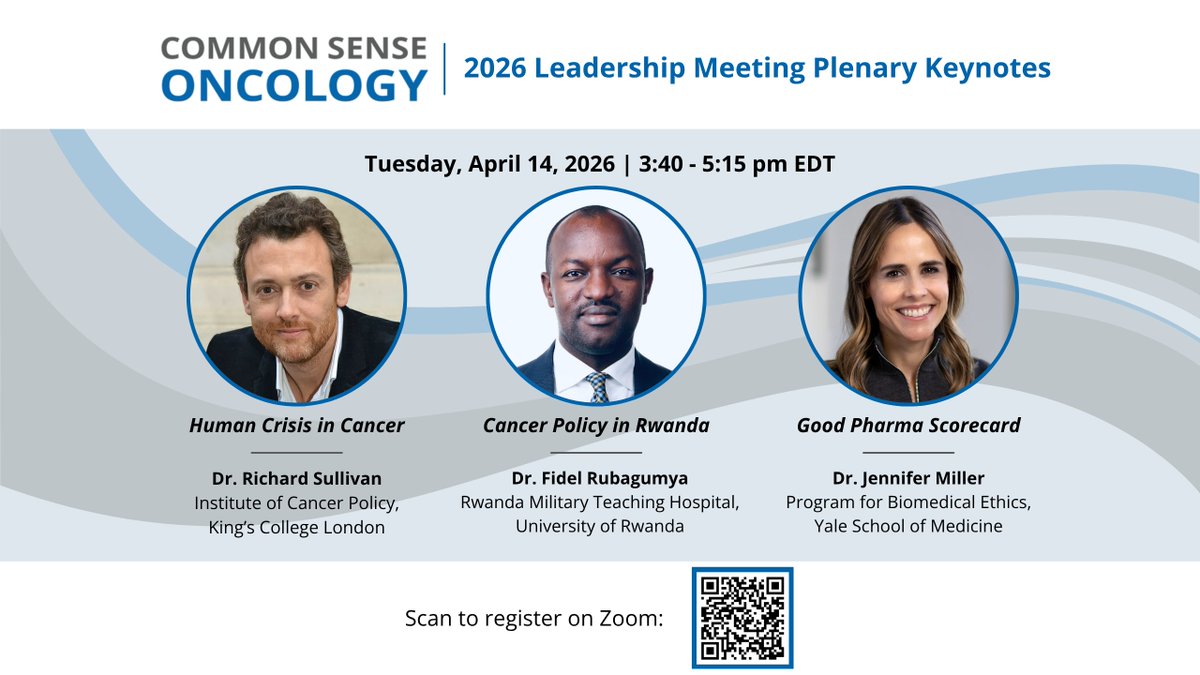
Join us LIVE online on April 14 at 3:40 pm (EDT) for the Open Plenary Session of the Common Sense Oncology Leadership Meeting with Keynote Speakers Drs. Richard Sullivan, Fidel Rubagumya, and Jennifer Miller!
Register here: https://t.co/C5cGPXfCB7
#CommonSenseOncology #CancerCare
@SullivanProf@Rubagumyaf
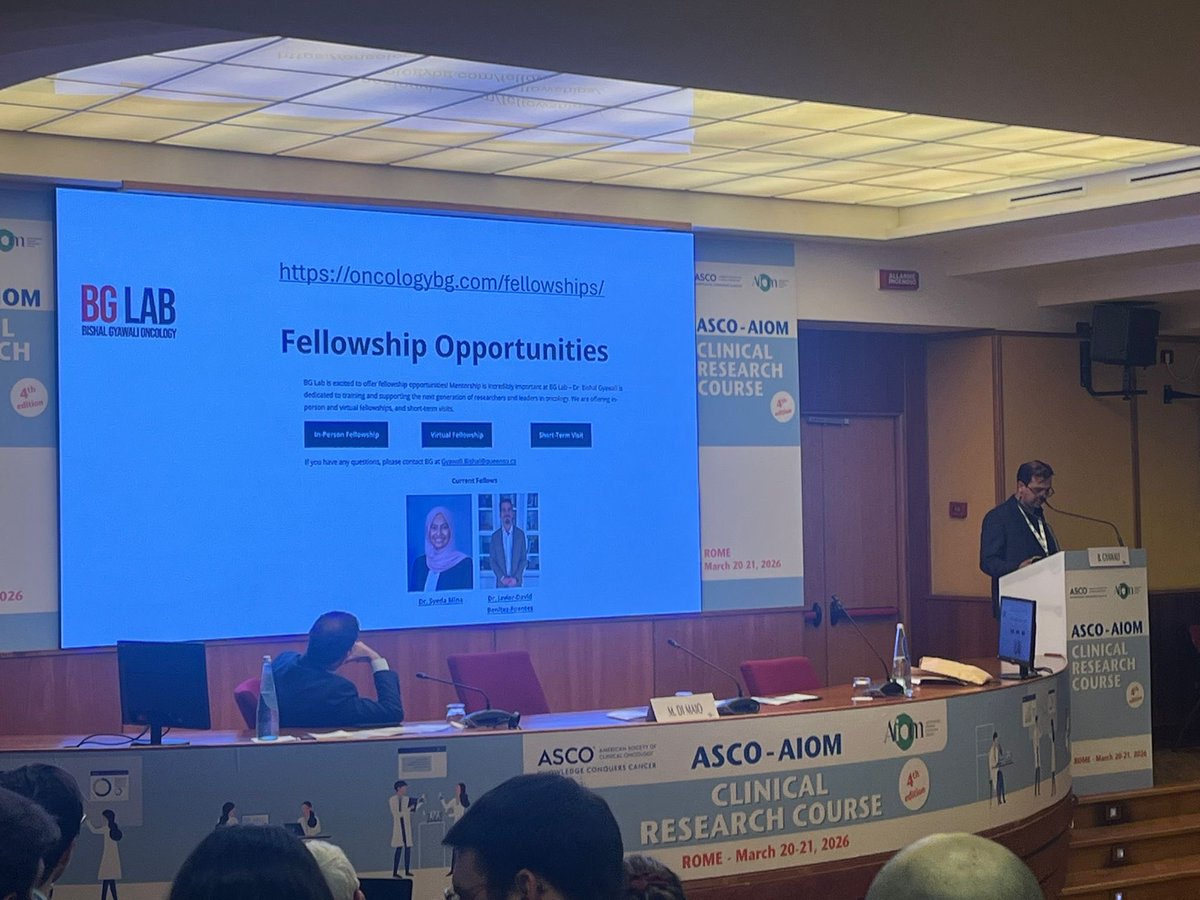
Had a great time in Rome teaching at the @asco@AIOMtweet Clinical Research Course where I discussed deescalation of clinical trials, statistical v clinical significance, and common sense oncology principles. Thank you @AIOMtweet@fperrone62@MassimoDiMaio75 for the kind invitation and great hospitality!
Join Common Sense Oncology's global hematology panel for a look back at the highlights from the American Society of Hematology's 2025 annual meeting.
Register today to save your spot over Zoom on March 24th, 2026 at 4 pm ET. See you there!
https://t.co/5fV837B7wT
#CommonSenseOncology #CancerCare
Calling all oncologists, patients, families, and caregivers. Common Sense Oncology needs 10 minutes of your time to help ensure future patients with cancer receive the information they need to make the treatment decisions that are right for them.
CSO and global partners are working to create a short list of questions that patients may find useful when meeting with their oncologist. This anonymous web-based survey takes less than 10 minutes to complete and is approved by the @queensu Queen's University Health Sciences and Affiliated Teaching Hospitals Research Ethics Board (HSREB).
Data from this study will be used to generate a tool that can be used by doctors and patients to help people with cancer get the information they need to make the treatment decisions that are best for them.
Take the survey: https://t.co/vEQ0TzJ01z
#CommonSenseOncology #CancerCare
New commentary just out in @Medscape from @oncology_bg on the controversial topic of Whole-Body Screening.
Watch it or read it here- https://t.co/ArE7TjjX3h
A tailored histology-driven molecular profiling algorithm proposal for salivary gland cancers in @ESMO_Open. Beyond “one-size-fits-all” approach to improve precision medicine in SGC in a potentially cost-effective way. https://t.co/2kXwBX8aJ6
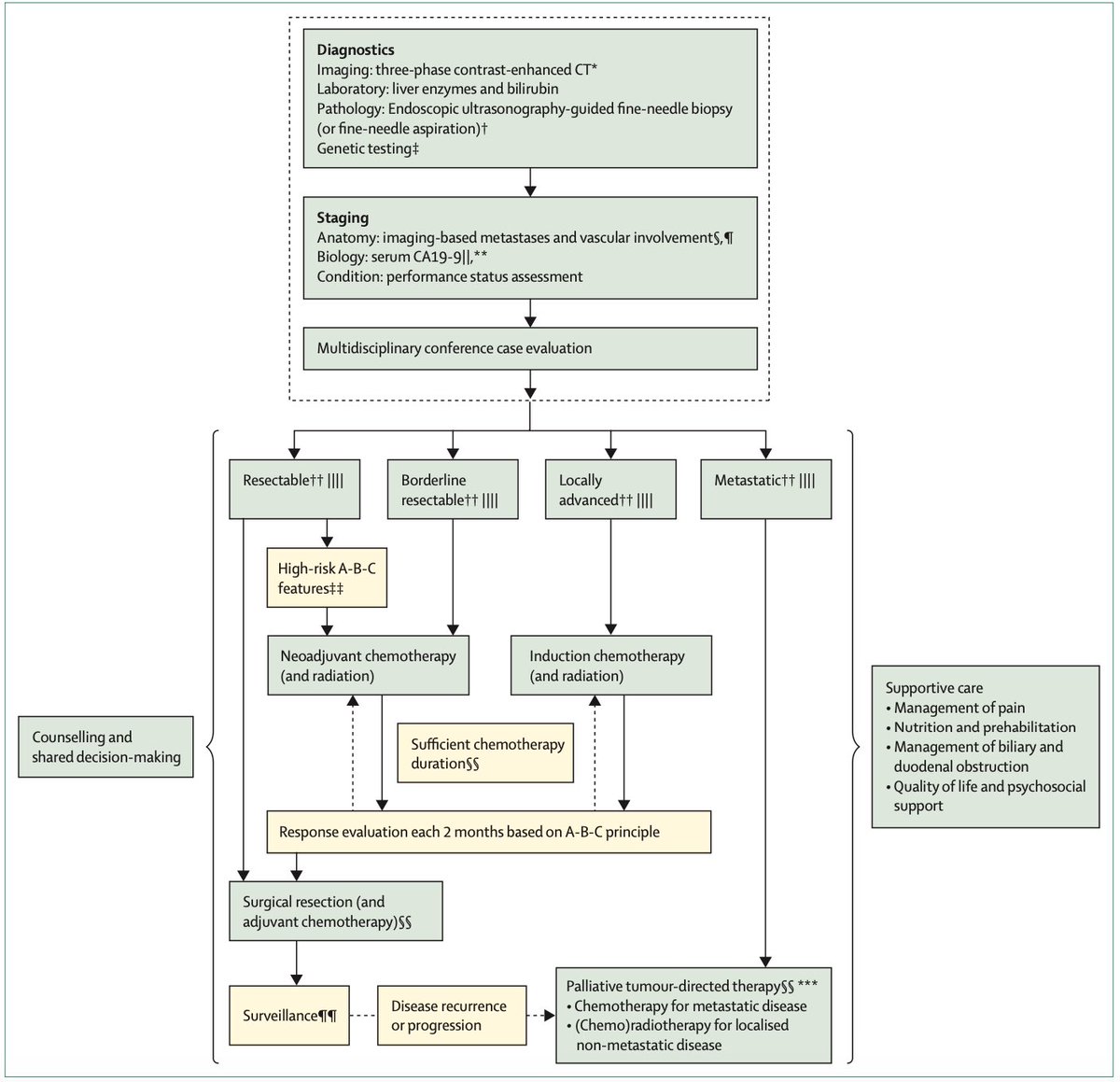
🚨 Pancreatic cancer: Urgent need for novel therapies.
Pancreatic cancer has a median survival of 4 months and a 5-year survival of 13%.
Surgery + chemotherapy remain key, but new therapies are urgently needed as incidence rises.
📖 @TheLancetOncol@TFStoop@MarcBesselink
👉🏻 https://t.co/ZSClLJCaWK
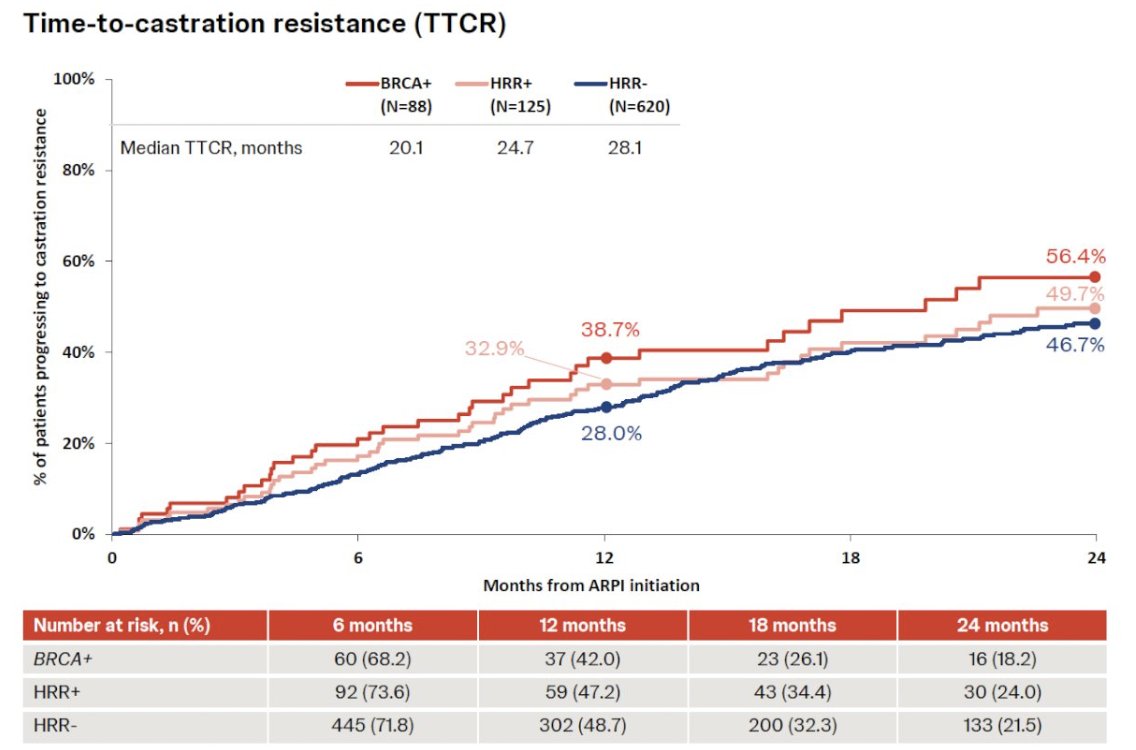
Real-world time-to-next-treatment and time-to-castration-resistance among patients with #mCSPC using AR pathway inhibitors with and without HRR alterations. Presented by Neal Shore, MD, FACS @CURCMB. #AUA25 written coverage by @RKSayyid@USC > https://t.co/nXsEW77jGo @AmerUrological
Prognostic implications of risk definitions from the monarchE and NATALEE trials
https://t.co/TF4uvLUmlY
Study compared the prognostic impact of differing high-risk inclusion criteria used in the monarchE 🦋and NATALEE trials among patients with hormone receptor-positive/🧬HER2-negative early #BreastCancer , using data from the MIG1, GIM2, and GIM3 trials. Patients were stratified into high- and low-risk cohorts per each trial’s criteria, and further grouped into concordant low-risk, discordant risk, and concordant high-risk categories.
Results showed that patients classified as high-risk by both trials (concordant HRC) had significantly worse 7-year disease-free and overall survival outcomes compared to those in the discordant or concordant low-risk cohorts, highlighting meaningful prognostic differences based on risk classification criteria.
@Lucarecco@BlondeauxEva@GraziaArpino@CarmineDeA1@Roberta27585687@ValeriaSanna16@puglisi_fabio@nardin_simone@IGiannubilo@MartaPerachino@RobertoBoreaMD@ElisaAgostinett@E_de_Azambuja@matteolambe@delmastro_lucia
Ever been invited as a discussant to a plenary trial and wished you had a checklist to correctly and objectively appraise the clinical trial to enable the audience put things into correct perspective?
Well, @csoncol has just published a checklist to help you do just that! We strongly encourage the conference organizers to ask the Discussants of major clinical trials to use this checklist for critical appraisal. https://t.co/3T8SU0a3xm
Now Online!
CSO RCT Checklist.
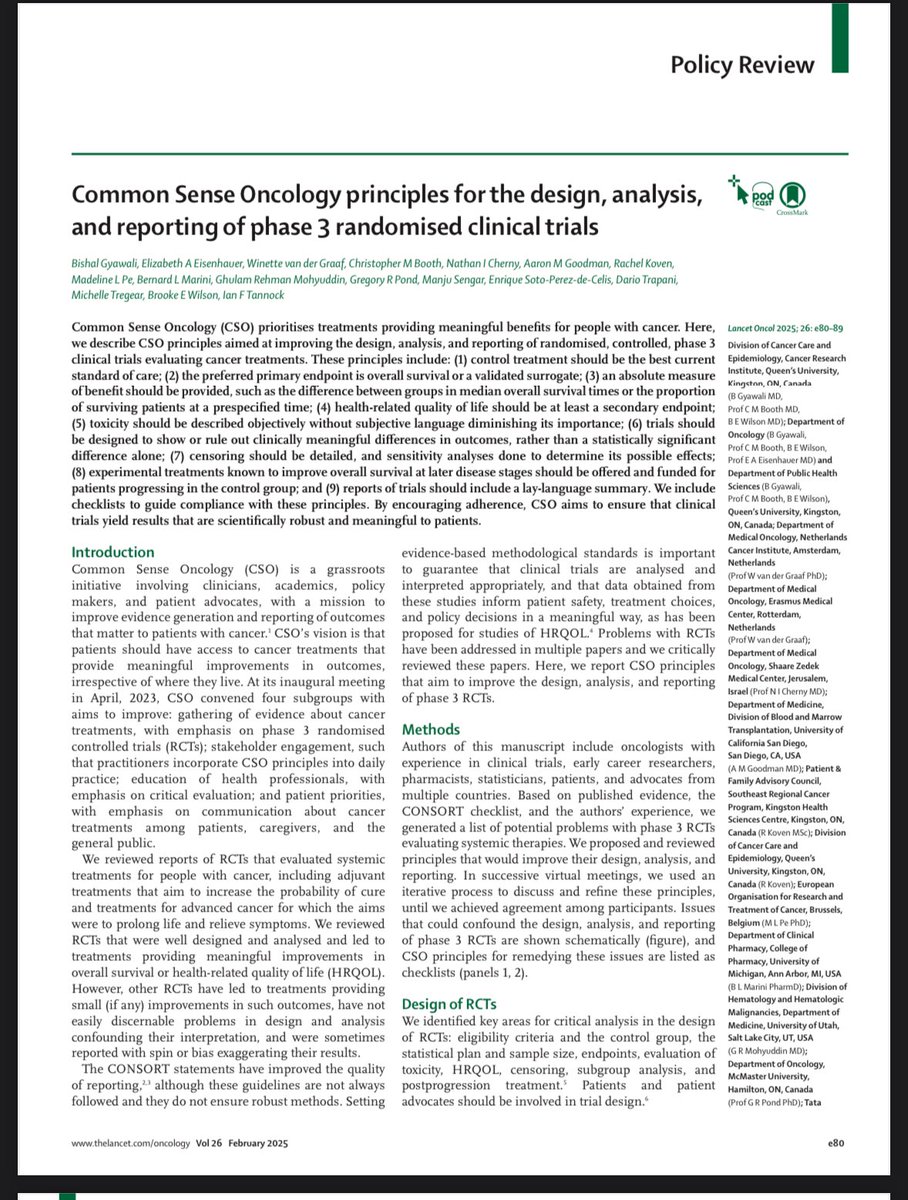
@csoncol RCT team has just published in @TheLancetOncol a CHECKLIST to design and report cancer drug RCTs.
You know about CONSORT checklist for RCTs but this CSO checklist is specifically for cancer drug RCTs and incorporates items such as crossover, censoring etc that affect interpretation of cancer drug RCTs.
We have checklist at the design phase of RCTs, and hope trialists/trial funders/sponsors/reviewers/IRBs etc use this checklist to ensure the trials are designed to accurately answer questions that matter to patients.
We also have a checklist at the reporting phase of RCTs and hope authors/reviewers/editors/journals/readers and other users of the publication (regulators, payors, physicians, patients, media, public) use this checklist to ensure that the interpretations are made correctly and accurately.
Super thankful to and proud of our @csoncol Project RCT team for getting this published. Real work now begins to get this implemented.
https://t.co/aF2OW5XQVP
En el marco del XI Congreso Internacional de Bioética, la @lamilitar otorgó la Medalla Magistral por su excelencia académica y dedicación al Dr. Iván Pisciotti, Jefe del Servicio de Hemato Oncología del HOMIL, a la Dra. Carolina Polo y la Fellow la Dra. Patricia Medina.