Excited to share that our new article is now published online in Epilepsia!
Using population-scale genomic data from more than 748,000 individuals, we re-analyzed rare variant gene-burden data to better understand the genetic architecture of epilepsia https://t.co/q2N6pHd37l
Huge thanks to @yliu_UofU and his stellar team for involving me and the @RutterLab in this work — what a cool story to be part of. Paper here: https://t.co/9ePJcKnjae
1/ Thrilled to share our new paper, out today in @Nature: "Non-invasive profiling of the tumour microenvironment with spatial ecotypes".
Paper (open access): https://t.co/EujZFqU7wi
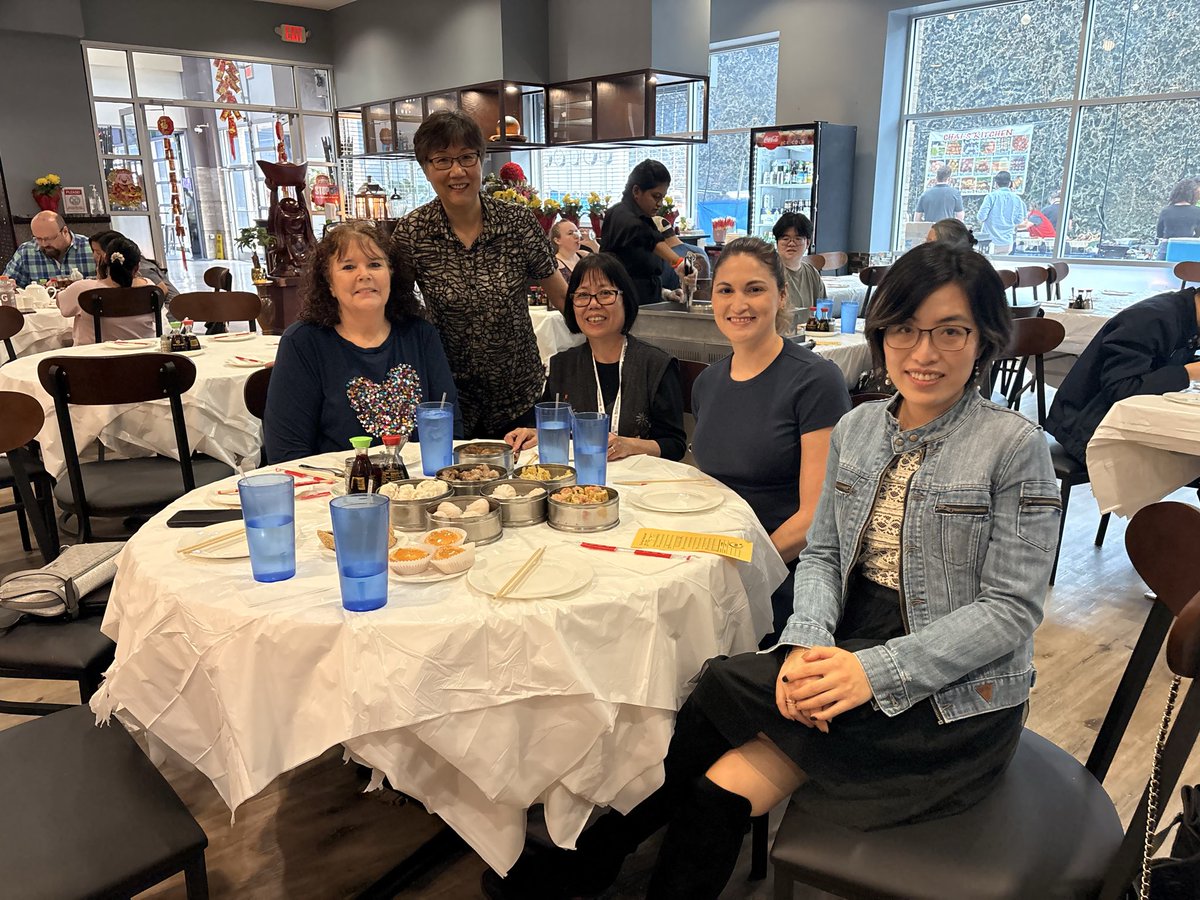
There’s something powerful about women mentoring women
Honest advice. Shared lessons.
And today — great conversation over a great lunch. #WomenInSTEM#UTA
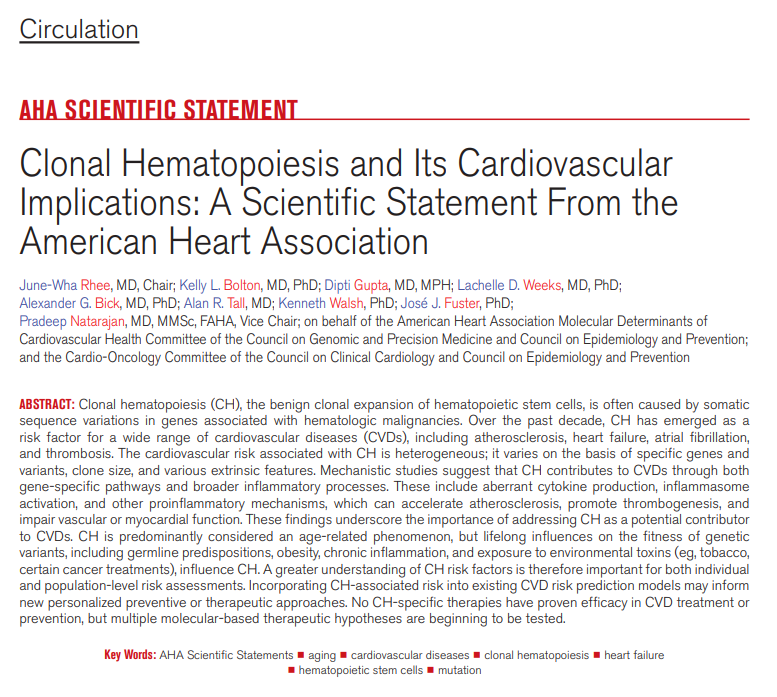
Clonal hematopoiesis (CH) is an age-related condition marked by somatic mutations in blood stem cells, increasing cardiovascular (CV) risk through gene-specific inflammation and other pathways.
CH carriers have higher rates and worse outcomes across multiple conditions including coronary artery disease, myocardial infarction, heart failure, stroke, and peripheral artery disease.
Emerging approaches such as multidisciplinary "CHIP Clinics" and experimental anti-inflammatory therapies show promise, and integrating CH status into risk models may improve personalized CV prevention and treatment.
✍🏼 @JuneWRhee@DrGuptaD@AlexBickMDPhD@josejfuster@pnatarajanmd
Once again, the immune system grabs the Nobel spotlight.
Brunkow, Ramsdell & Sakaguchi’s groundbreaking research on peripheral immune tolerance reshaped our understanding of autoimmunity & immune therapies. https://t.co/nFjkFsj8da
Students, trainees, and researchers — don’t miss the chance to showcase your work at @broadinstitute#MachineLearning in #DrugDiscovery Symposium, and network with leaders across academia and industry! Deadline Oct 3rd! Register: https://t.co/vqQFzcEHIN and submit an abstract!
Excited for the future of cancer research! Congratulations to my former PI, @DrTonyLetai on being sworn in as NCI Director — a leader whose strength, vision, and commitment to asking the right questions have left a lasting mark.
https://t.co/0w4zwCCt1G
✨ Applying for fellowships?
Check out 40+ successful sample applications from:
NSF-GRFP, PD Soros, HHMI Gilliam, Ford, NIH F31 …and more!
Get inspired and strengthen your own application by learning from winners in your field.
🔗 https://t.co/QCc1AkZoDc
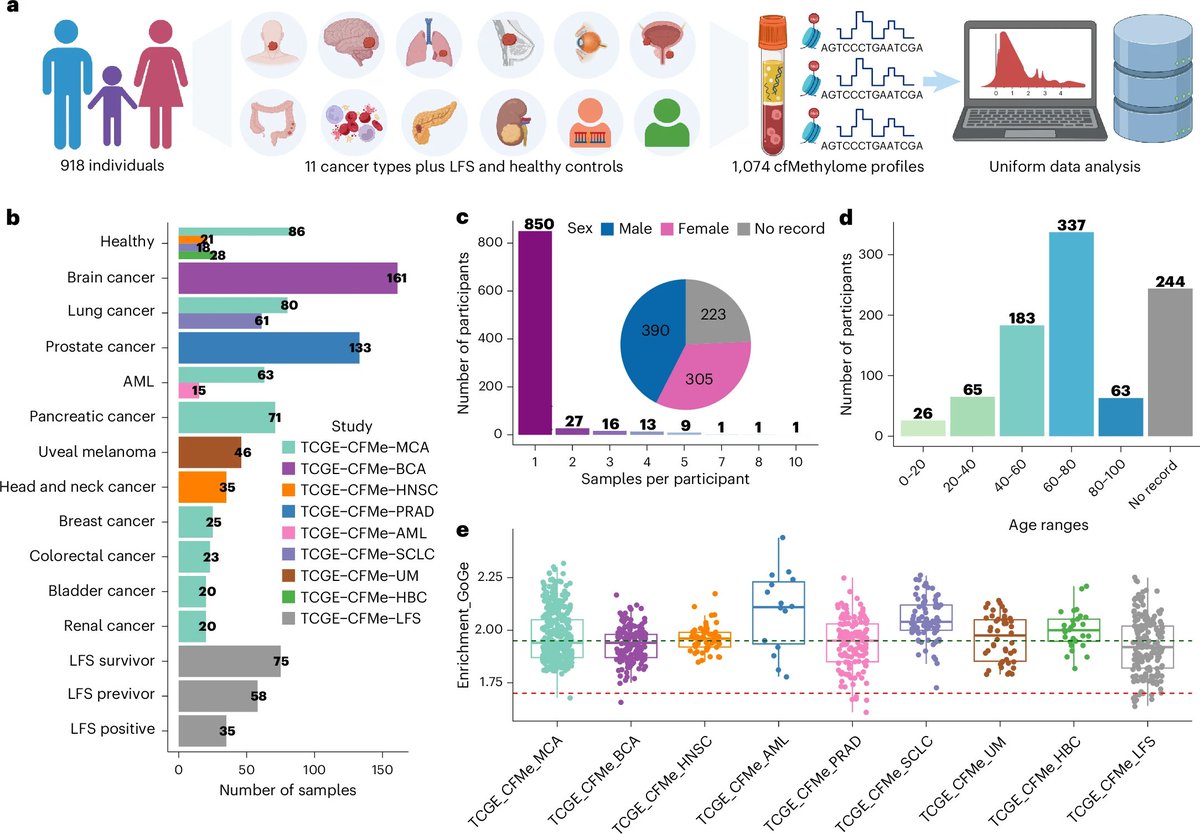
New preprint alert: https://t.co/RugxCYzlSH. Excited to share our analysis on the impact of genetic variants on single-cell chromatin accessibility in blood, using scATAC-seq and WGS from over 1,000 donors and 3.5M nuclei as part of TenK10K phase 1 🧬
🧵👇 (1/n)
Despite its rising incidence 📈 and poor outcomes, we still have a limited understanding of the biology driving early-onset colorectal cancer (<50y). Most prior studies were small, inconsistent, or confounded by MSI and treatment exposure.
In JCO OA, Futreal, @skopetz , and colleagues take a major step forward with an integrated proteotranscriptomic analysis 🧬 — combining RNA sequencing and proteomic profiling — across two independent MSS cohorts (MD Anderson + TCGA). This design allows for a clearer view of pathway activity and protein-level validation.
Key findings:
• Wnt/β-catenin signaling ⬆️
• EMT programs ⬇️
• MAPK pathway hyperactive — even w/ RAS WT🔥
• Proteomics confirm ↑ RAF, HER2, mTOR
Takeaway: EOCRC is biologically distinct, with MAPK activation independent of KRAS mutations. That creates an opening for MAPK-directed strategies in a population where conventional therapy often falls short.
👏 Congrats to Drs. Futreal, Kopetz, and team on this important advance in EOCRC biology.
@TheGutOncLab@OncoAlert
https://t.co/zqimkRtpsg
‘Congress has your back’: US senators tell scientists they want to protect @NIH budget. I am confident that the House will agree. https://t.co/p1O6EeDqrt
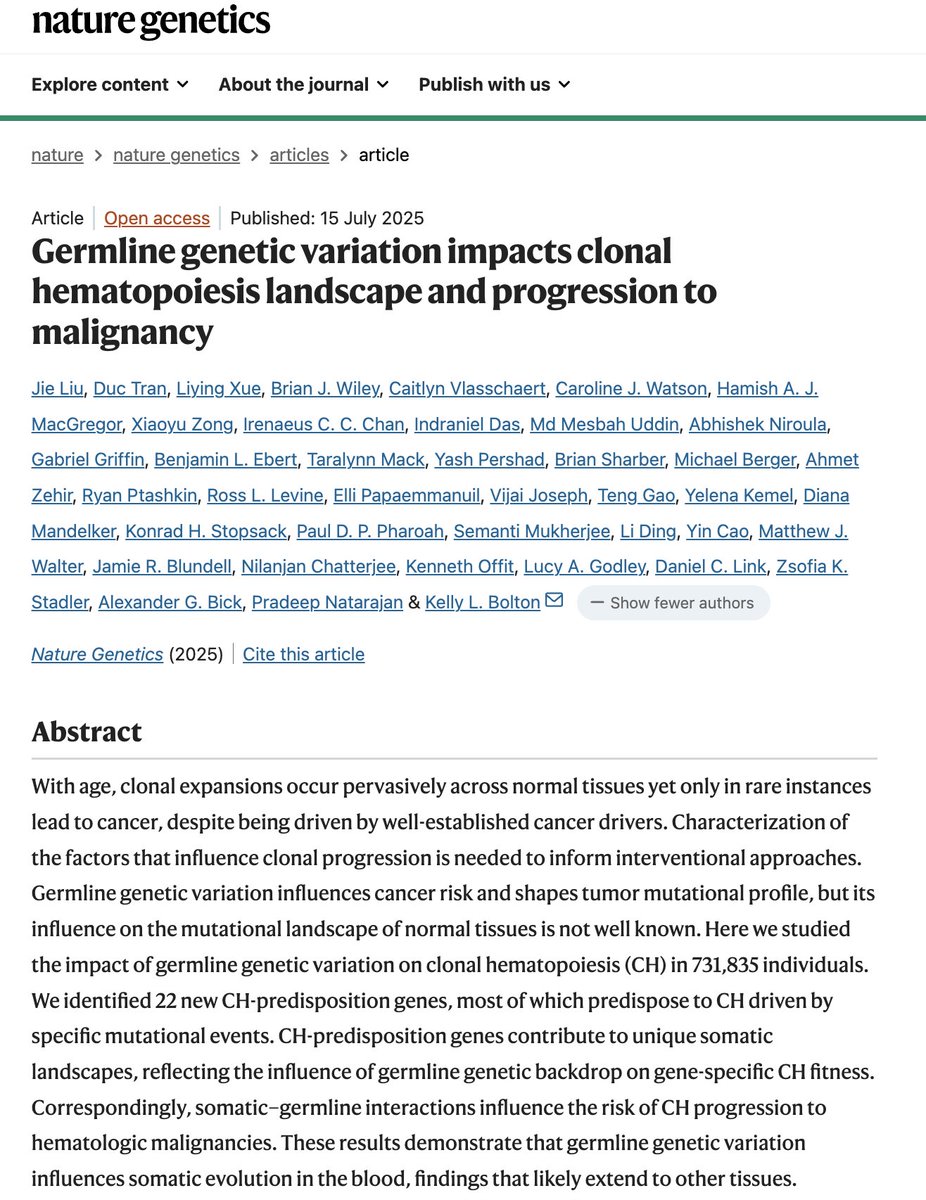
Clonal hematopoiesis (CH) is when blood cells carry mutations. It’s common with age—and sometimes a warning sign for cancer.
But not all CH is equal. Why do some people progress, and others don’t?
Check out @KellyLBolton’s excellent thread and our paper here @NatureGenet 👇
Excited to share a milestone published in @NatureMedicine from our decade-long effort to build The Human Phenotype Project, a unique longitudinal cohort with unmatched depth of clinical and multi-omic profiling, enabling truly predictive, personalized medicine.
Led together with @ericxing, it is a global collaboration between @WeizmannScience, @MBZUAI, and Japanese partners, spanning 30,000+ participants and continuing to grow internationally
By devising AI models trained on individuals deeply profiled with genetics, microbiome, glucose, sleep, bone density, and more, we can now forecast diseases before symptoms appear and simulate treatment or lifestyle outcomes.
Key findings:
• Re-defined metabolic risk thresholds
• Predicted menopause impact via biological aging
• Mapped organ-specific aging trajectories
• Developed models for early detection of diabetes & heart disease
This dataset is a blueprint for digital health twins, AI-driven tools grounded in real-world, longitudinal data
Data access: https://t.co/qRrFPaY4as
Full paper: https://t.co/dayU9YYIlC
Thanks to all the people who led this work: Lee Reicher, Smadar Shilo, Anastasia Godneva, Guy Lutsker, Liron Zahavi, Saar Shoer, David Krongauz, Michal Rein, Sarah Kohn, Tomer Segev, Yishay Schlesinger, Daniel Barak, Zachary Levine, Ayya Keshet, Rotem Shaulitch, Maya Lotan-Pompan, Matan Elkan, Yeela Talmor-Barkan, Yaron Aviv, Maya Dadiani, Yonatan Tsodyks, Einav Nili Gal-Yam, Haim Leibovitzh, Lael Werner, Roie Tzadok, Nitsan Maharshak, Shin Koga, Yulia Glick-Gorman, Chani Stossel, Maria Raitses-Gurevich, Talia Golan, Raja Dhir, Yotam Reisner, Adina Weinberger, Hagai Rossman, and Le Song
And special thanks to all participants of the Human Phenotype Project
I'm thrilled to share our new study out in @NatureMedicine! We show that a blood test can estimate how aged or youthful one’s organs are and that these organ ages predict future disease and lifespan. Final paper from my PhD in the @wysscoray lab. 🧵1/12
🔗 https://t.co/2bxtfEJ0TS
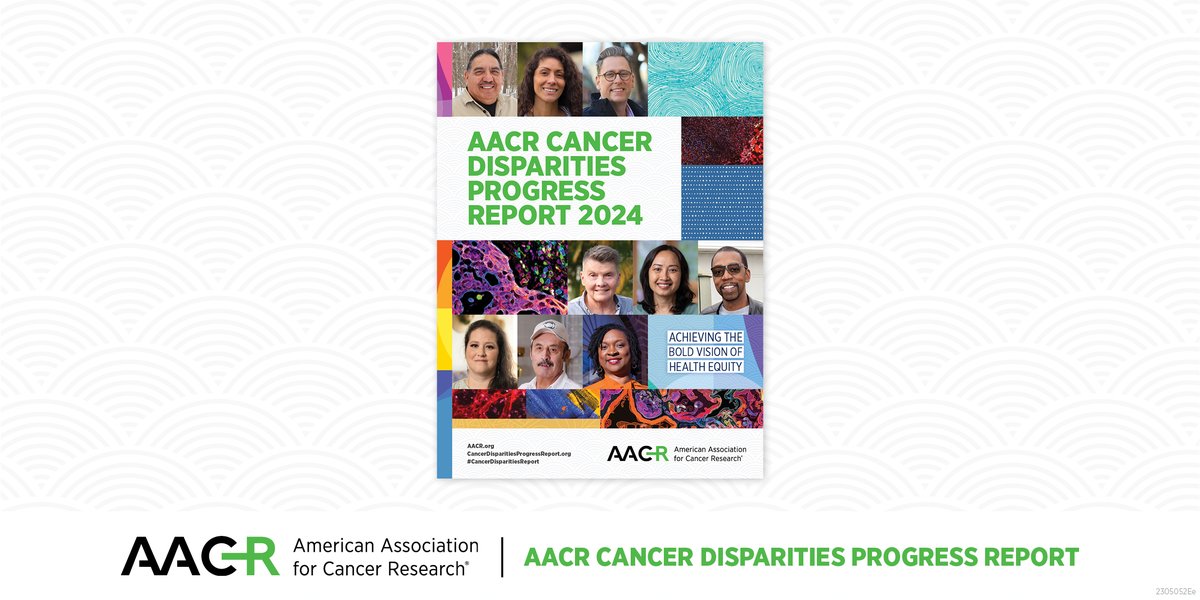
Today, as we recognize and celebrate Juneteenth, the AACR highlights the importance of research to understand and address the many factors that contribute to cancer health disparities, from biological to socioeconomic drivers of inequitable outcomes. https://t.co/05K17ZwKtg