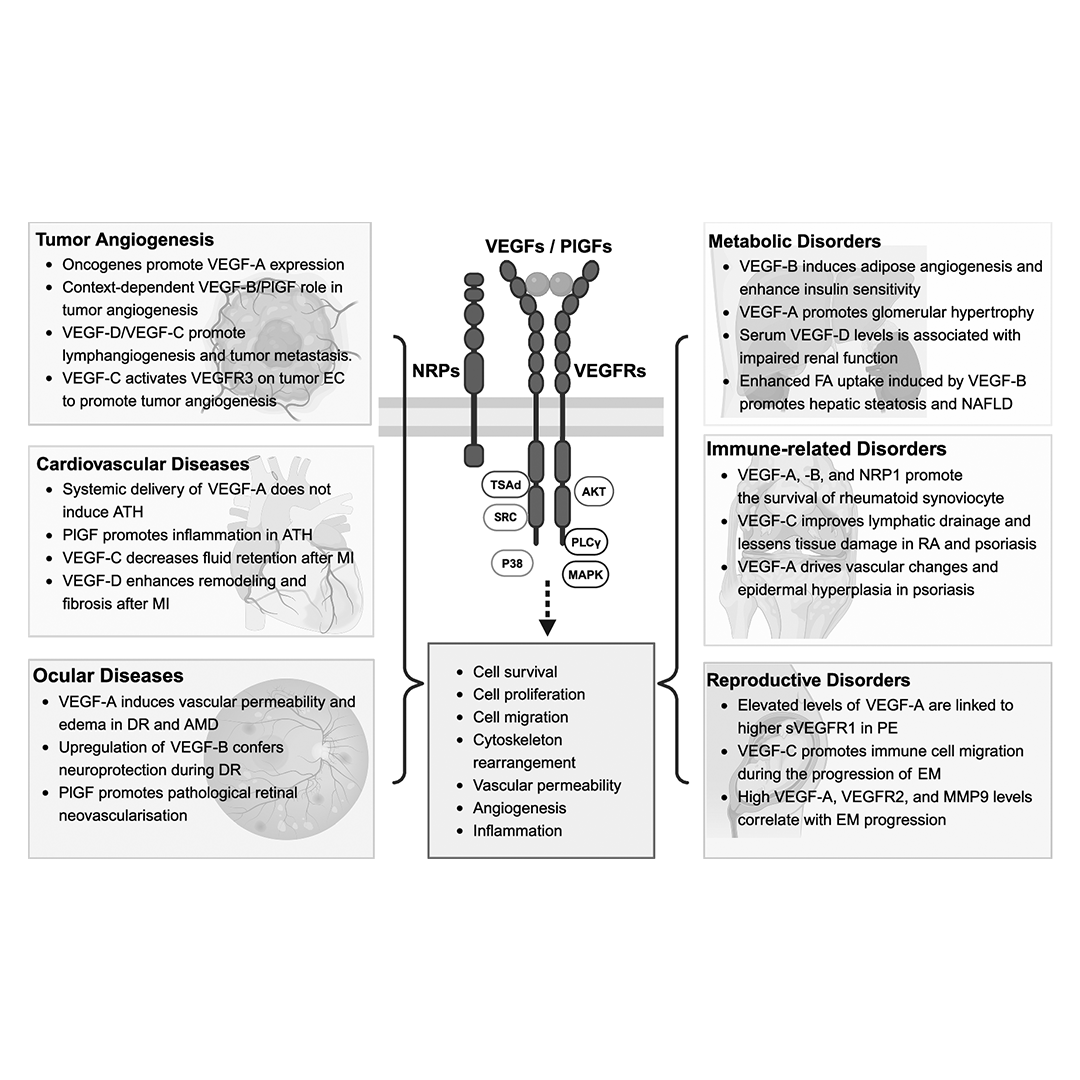
Know how #VEGF signaling regulates vascular remodeling in health and disease.
This review examines molecular mechanisms, therapeutic resistance, and emerging combination and drug delivery strategies for #Angiogenesis-related diseases.
#STTT#OpenAccess: https://t.co/28cbVqFX8L
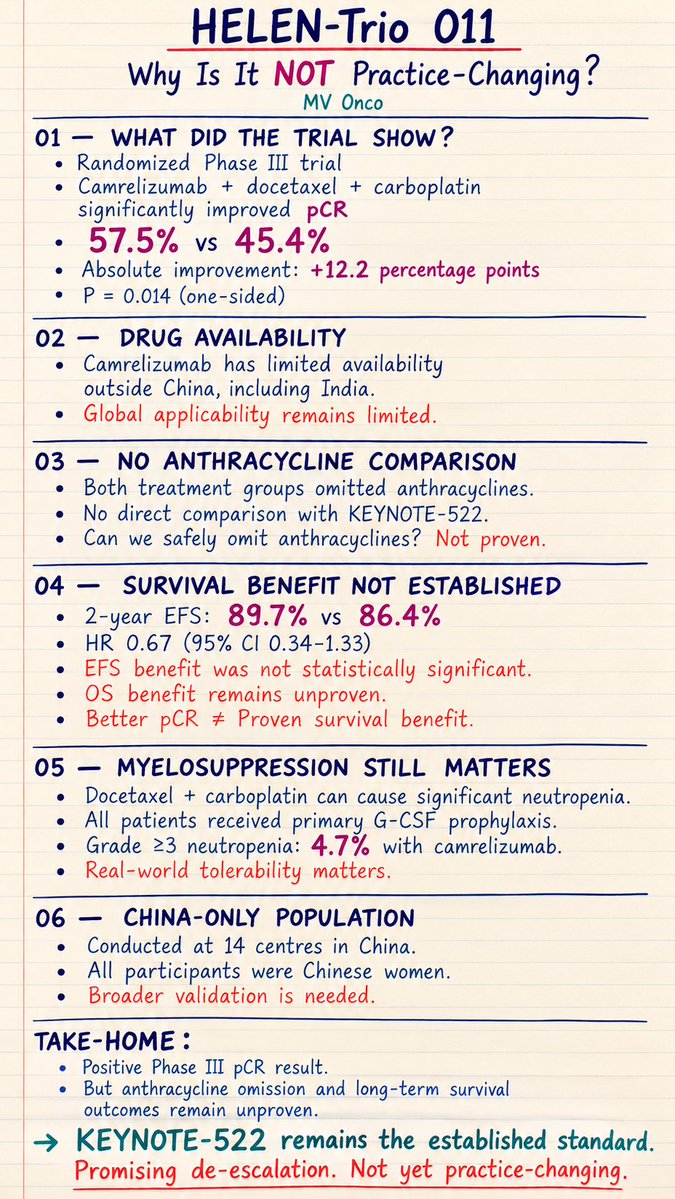
HELEN-Trio 011 | Positive Phase III Trial — But Is It Practice-Changing?
A promising result in early triple-negative breast cancer (TNBC).
✅ The good news:
Adding camrelizumab to docetaxel + carboplatin significantly improved pCR.
57.5% vs 45.4% (P = 0.014, one-sided)
But 5 important questions remain:
1. Availability: Camrelizumab has limited access outside China, including India.
2. Anthracyclines: Can we safely omit them? Not yet established.
3. Survival: No statistically significant EFS benefit demonstrated; OS benefit remains unproven.
4. Toxicity: Myelosuppression remains relevant despite G-CSF prophylaxis.
5. Generalisability: All patients were recruited in China.
🎯 Take-home:
Better pCR is encouraging, but it does not automatically establish better survival.
KEYNOTE-522 remains the established standard.
HELEN-Trio 011 is an important step towards anthracycline-free treatment, but not yet a proven replacement.
📖 Reference: HELEN-Trio 011, Annals of Oncology, 2026.
#MVOnco #BreastCancer #TNBC #HELENTrio011 #Immunotherapy #Oncology
🎧 Check out this episode of the @ASCO Daily News Podcast featuring Dr. Sara Tolaney! (@stolaney1) discussing the ASCENT and DESTINY-Breast09 trials and how these new data are shaping care for patients with #MetastaticBreastCancer.
👉Listen here:
https://t.co/yQ6y9mfl5R
Really glad that @KatieRColl's PSSD experience has been reported in the Daily Mail: “PSSD has impacted my entire life with identity loss and loss of developmental experiences, loss of ability to form relationships and damage and misunderstandings in existing relationships.”
I disagree with the reporter’s assertion that millions of people benefit from antidepressants though. Systematic reviews and meta-analysis do not support this claim! We must have a reality based conversation. If these were highly effective drugs, we might debate whether debilitating but rare side effects are a price worth paying. As it is, we are exposing people to all the risks for no measurable benefit.
What comes after PD-1, CTLA-4 and LAG-3 in #melanoma? In our new review, out in Cancer Treat Res Commun, we map four emerging strategies against the resistance mechanisms they try to overcome 🧵
@UniGenova@SanMartino_Ge@OncoAlert
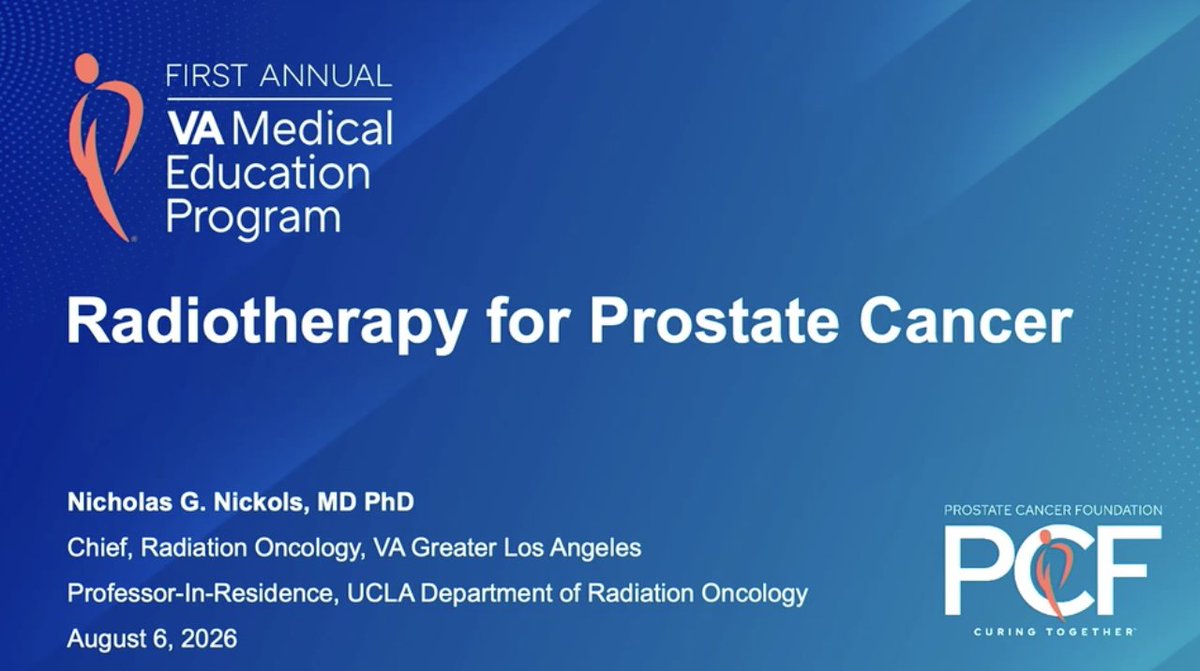
Radiotherapy for #ProstateCancer.
Radiotherapy across the #ProstateCancer spectrum. Nicholas Nickols, MD, PhD @UCLAHealth reviews definitive RT for localized and locally advanced disease and management of local recurrence after RT or surgery at the @PCFnews VA Medical Education Program. #WatchNow > https://t.co/WtNsuJ5gzc
The Animals That Can Regrow Limbs May Hold a Secret to Human Regeneration
Imagine losing an arm and growing a new one. It sounds like science fiction, but some animals can already do something remarkably close to this.
Salamanders, especially axolotls, can regenerate entire limbs, rebuilding bones, muscles, nerves, and blood vessels. Even more fascinating, their cells can coordinate the complex process of rebuilding damaged body parts.
Scientists are investigating how they do it. By studying the genes and molecular signals behind regeneration, researchers hope to discover ways to help the human body repair severe injuries more effectively.
But there is a huge challenge. Rebuilding a human limb would require the precise formation of bones, muscles, joints, nerves, and blood vessels—all working together perfectly.
Humans cannot currently regrow an entire lost limb. However, regenerative medicine and stem-cell research are helping scientists understand how damaged tissues might one day be repaired more effectively.
Nature has already mastered something medicine is still struggling to achieve. Could the secret to regrowing human body parts be hidden inside the cells of a tiny salamander? The answer may reshape the future of medicine.
Source: McCusker, C., & Gardiner, D. M. The axolotl model for regeneration and aging research: A mini-review. Gerontology, 57(6), 565–571.
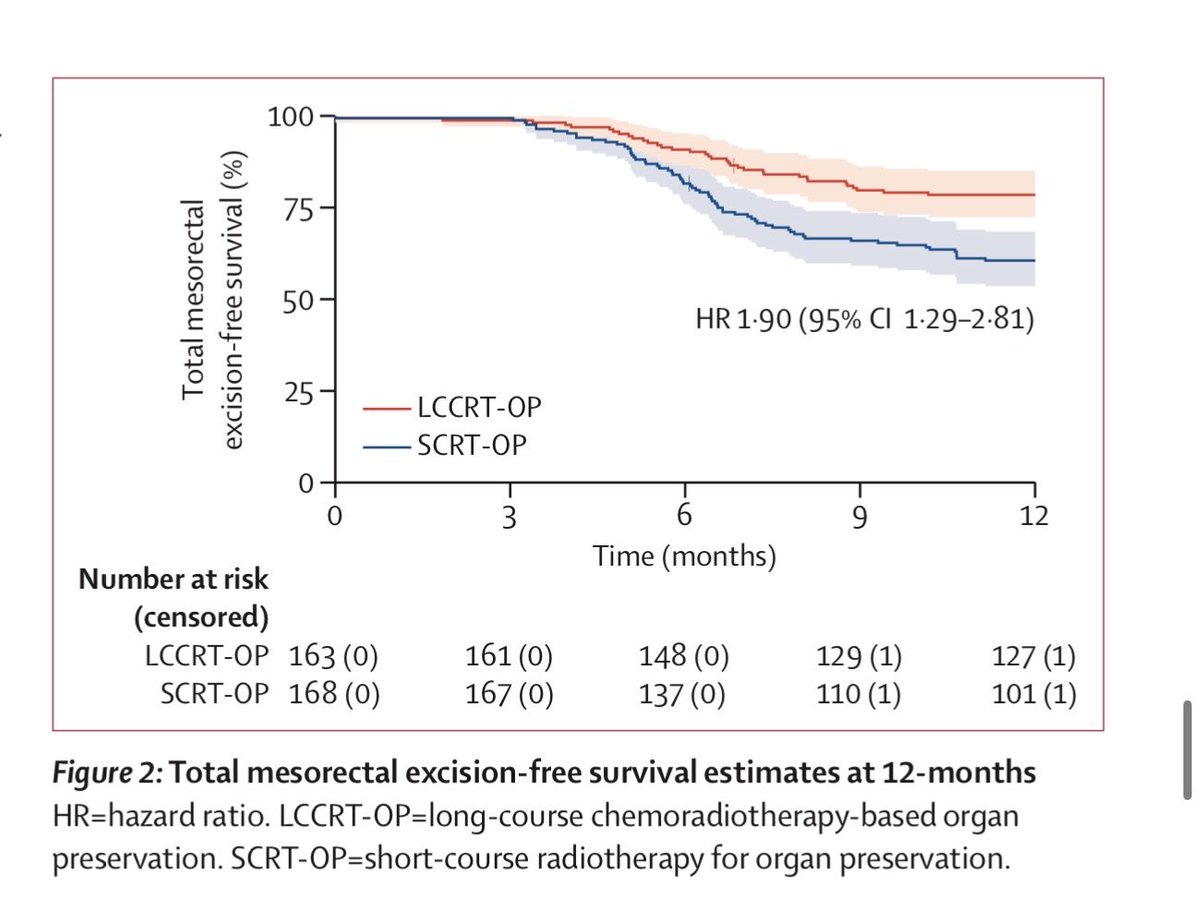
Can we preserve the rectum in selected early-stage rectal cancers?
The randomized phase II/III STAR-TREC trial, published in @TheLancetOncol , evaluated radiation-based organ preservation in selected T1–T3bN0 rectal cancers.
12-month TME-free survival:
-Long-course chemoradiotherapy: 78.5%
-Short-course radiotherapy: 60.6%
Both approaches demonstrated the potential to avoid major rectal surgery, with better early organ preservation following long-course chemoradiotherapy.
It will be interesting to see whether these encouraging organ-preservation results are sustained with longer follow-up, without compromising cancer control or quality of life.
#RectalCancer #ColorectalSurgery #OrganPreservation #RadiationOncology #SurgicalOncology
@TheLancet@ACPGBI@AmColSurgCancer@ASCRS_1@ASCO@NVCancer@AmericanCancer@Bach_Surgeon
Predicting non-cancer mortality risk in #mHSPC following doublet therapy using STAMPEDE data. Noel Clarke, MBBS, FRCS, ChM @TheChristieNHS joins @neerajaiims@huntsmancancer to discuss STAMPEDE data examining non-cancer mortality in metastatic hormone-sensitive prostate cancer patients treated with ADT-based doublets. #WatchNow > https://t.co/Wzb1h7ADZ8
Katie Snape (Principal Clinician, Genomics England) discusses design, learnings and next steps for the Adult Population Programme at FOG London this January. Register here: https://t.co/Ym19Z2gVDZ
#FOG2027#PopulationGenomics#GenomicMedicine
Please join us in welcoming Bioptimus to The Festival of Genomics and Biodata in London, where they’ll be exhibiting in January! Get your ticket to join them here: https://t.co/UF8xmyGd2d
#FOG2027#genomics
Johns Hopkins engineers have built two pencil-tip-sized magnetic robots that deliver antibiotics straight to the heart, a step that could cut the need for open-heart surgery in infective endocarditis patients.
#Forbes
For more details: 🔗 https://t.co/CeqhJI2kiH
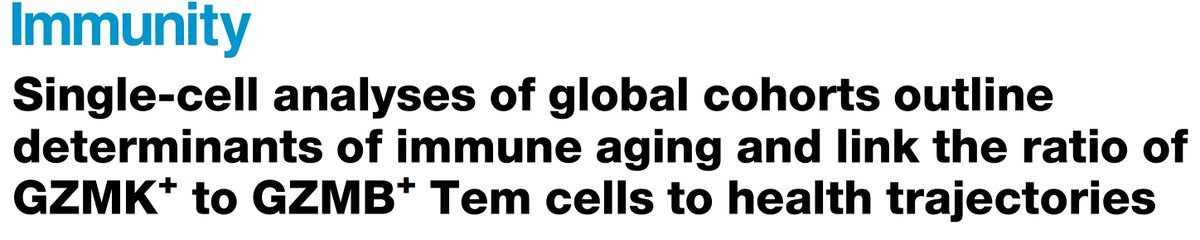
The arcane title in the journal @ImmunityCP (which I took on) belies its contribution as one of the most impressive studies yet published on aging of our immune system
📈 RYZ101 led to a statistically significant and clinically meaningful PFS improvement vs SOC in SSTR+ GEP-NETs after progression on Lu-177, meeting the primary end point of the phase 3 ACTION-1 trial. @UofT@Sunnybrook#oncology
Read more ➡️: https://t.co/YaM9SSt7cJ
⭐ New Special Issue!
📚 Innovative Pharmaceutics in Breast and Prostate Cancer Therapy 🧪
👩🔬 Dr. Ximena Maria Mureșan & Dr. Arianna Romani
🔔 Submission deadline: 31 May 2027
👉 https://t.co/xQV9tdVMeV
#Pharmaceutics#Cancer#DrugDelivery#SpecialIssue#OpenAccess