🚀Excited to co-chair a session with @Novartis and @Certara at #ACoP2025 in Aurora, CO!
🎯Advances in Mathematical & Computational Modeling for Radiopharmaceutical Therapies
🗓 Oct 21 | ⏰ 9–10 AM MDT | 📍 Red Rock 8/9
Hear from top experts in academia & industry—don’t miss it!
These drugs could make it possible to unleash the body's immune system on hard-to-treat cancers—including pancreatic and ovarian. #ScienceMagArchives https://t.co/wF0KPMclyY
On Nov. 5, the U.S. Food and Drug Administration (#FDA) approved the use of a new drug to treat head and neck cancer, the first in seven years. Called #amivantamab, the drug is the first to target two growth receptors for head and neck cancer simultaneously, reducing the cancer’s ability to adapt to the treatment. The FDA granted amivantamab accelerated approval because of the promising results it showed during clinical trials, which were led by Yale School of Medicine researchers.
Barbara Burtness, MD, Anthony N. Brady Professor of Medicine at Yale School of Medicine, was the lead clinical investigator for the trials. She also guided the Yale portion of the multinational study.
We spoke with Burtness, who serves as co-leader of Yale Cancer Center's Developmental Therapeutics Research Program, about the amivantamab approval and the future of dual-targeted cancer drugs.
Read here: https://t.co/U8IOn33hoV
#headandneckcancer @SmilowCancer@YaleCancer
Ahead of Saturday’s 129th Big Game, take a look back at the early years of one of the nation’s oldest college football rivalries through photos of its players, fans, fields, and more.
https://t.co/2vnsvvK0hB
What were the 50 most successful life sciences startups of the past 15 years? 🧬🚀
For our @pearvc Biotech: Bench to Business series, we conducted an in-depth review of these companies that we dubbed the “biotech behemoths.” 🦍
Link here: https://t.co/gJUA8VMUlm
Brachytherapy Returns to the Brain: The ROADS Trial and a Second Look at Cavity Radiosurgery. Co-authored by @PDBrownOnc.
Read the full article. https://t.co/zPmPg4Losl
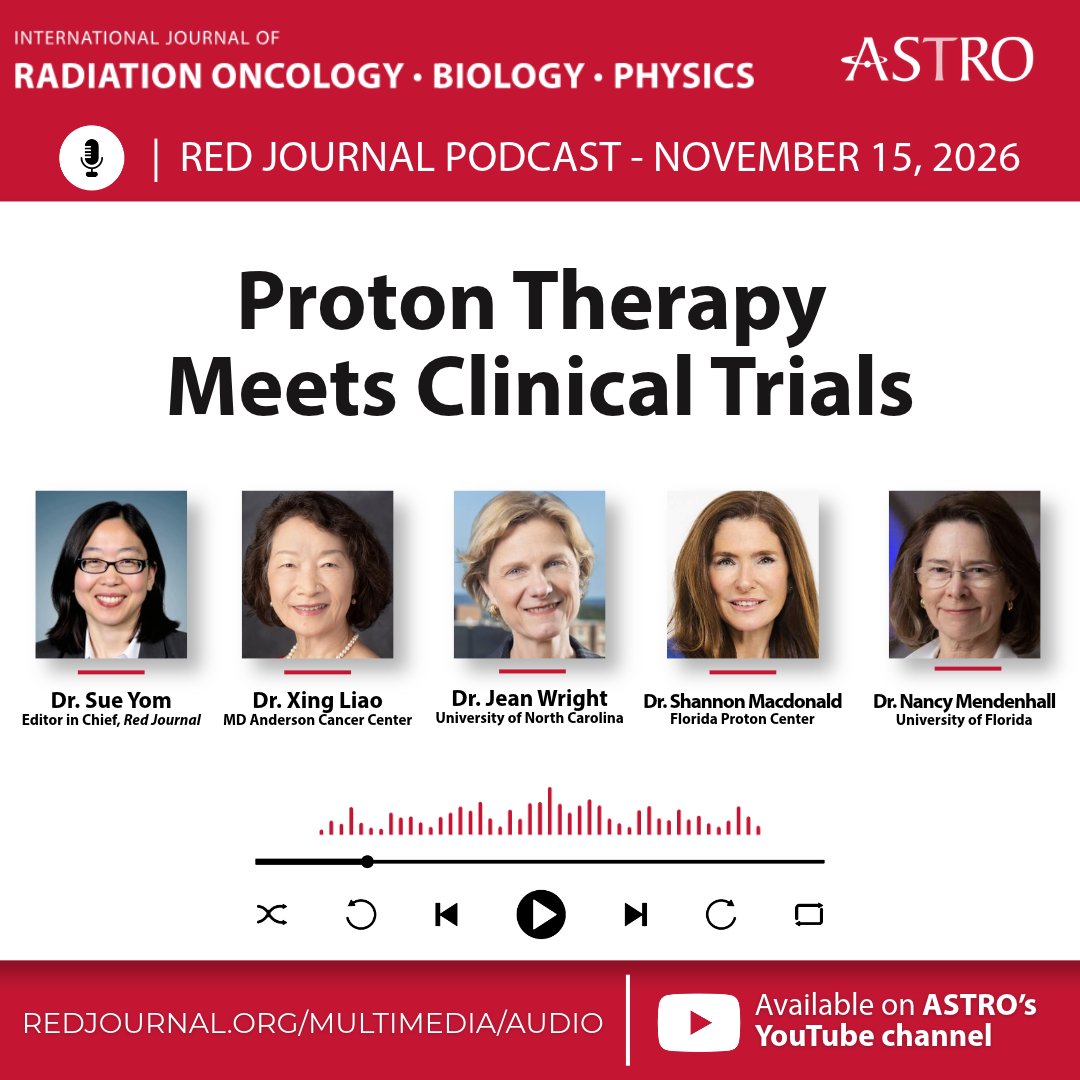
🎙️ New #RedJournal Podcast:
Proton Therapy Meets Clinical Trials - 11/15/2026
Editor-in-Chief Sue Yom talks with four investigators of proton therapy clinical trials. Guests include: Dr. Xing Liao, Dr. Jean Wright, Dr. Shannon Macdonald, and Dr. Nancy Mendenhall.
Listen on YouTube: https://t.co/shiGj1CLSQ
Listen on Spotify: https://t.co/E5hFnYYrEV
Listen online: https://t.co/OfshwNk4k6
@IJROBP
👀Read the #CTSjournal Paper of the Month! Optimizing Oligonucleotide Therapeutics: A Model‐Informed Drug Development Perspective — by Ye Yuan et al.
👉 https://t.co/UA7UEwEcBd
#ASCPTjournals
The tumor microenvironment (TME) is pivotal to cancer growth, metastasis, and successful intervention. Our TME knowledge advanced here by 42 cancer types, 15 million cells, in humans and mice @nature open-access
https://t.co/cqrxVmo5K8
When his insurer denied a newly approved lung cancer therapy, @StanfordCAREs' Bryant Lin, MD, posted about it on LinkedIn. It was approved within hours. “What happens to everyone else?” Watch his Medicine Grand Rounds talk: https://t.co/mDWdL6Sa83
Happy to share our new study in @IJROBP and presented today at @NeuroOnc, led by Dr. Lauren Linkowski, @MessingIan, Melanie Berger.
Glioblastoma remains a disease with few effective therapies and often recurs within a year despite multi-modality treatment.
We evaluated hypofractionated proton re-irradiation for patients with recurrent glioblastoma.
🔗 https://t.co/DP2EEvSvHm
Proud to present ... Impact of Particle Therapy, Vols 1 and 2
Vol 1: https://t.co/Tpzt1gvpc1
Vol 2: https://t.co/t4MI8XwnIl
More than just protons, more than just retrospective reviews ... prospective data, candid opinions, science, innovations, future space
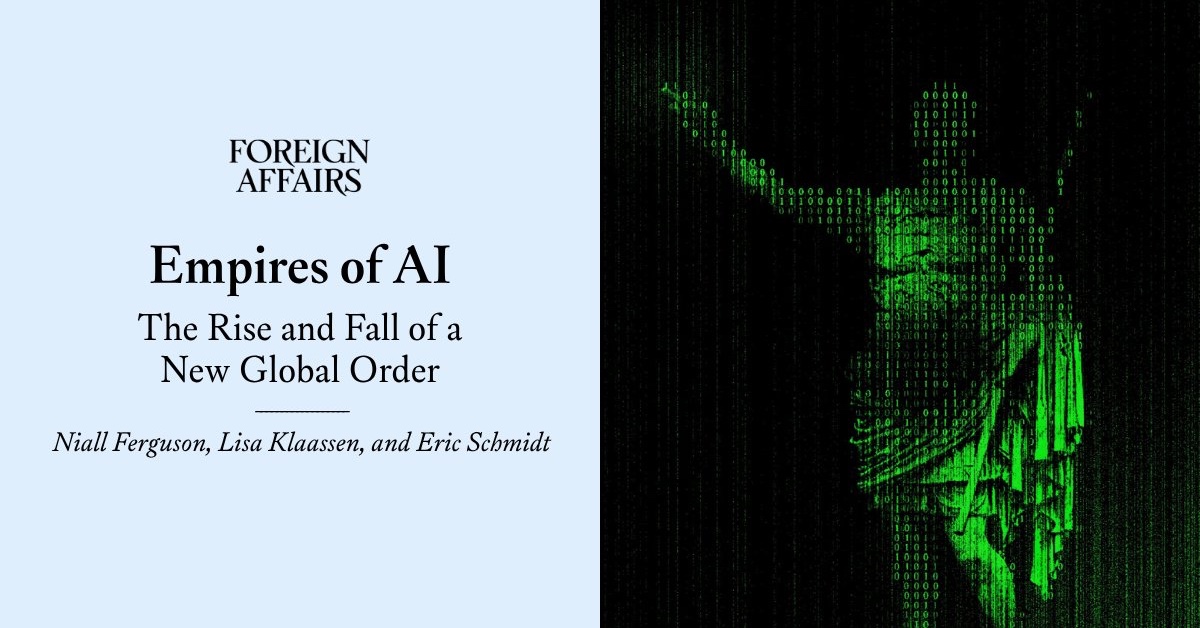
“Whoever produces and controls frontier models acquires global leverage over innovation, production, science, culture, and, ultimately, advanced thought.”
Read @nfergus, Lisa Klaassen, and @ericschmidt on the imperial nature of AI:
How do radiation and chemotherapy affect immune recovery after bone marrow transplantation?
A @USCStemCell study from the lab of Rong Lu, PhD, used genetic barcoding to track blood-forming cells and reveal how pre-transplant treatments shape recovery.
https://t.co/Mqf1NrTkL1
Top companies using agentic AI have all failed, pivoted, and learned the same lessons about making it work.
🔗 Read more from FortuneAIQ75 with @ServiceNow:
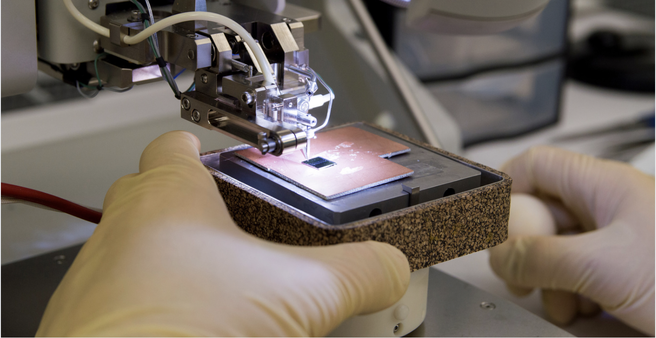
New in @natBME: @StanfordMed researchers explore how scientists can connect miniature models of human organs on tiny chips to better predict how drugs move through the body, work & cause side effects: https://t.co/2Dy0rjmfDJ