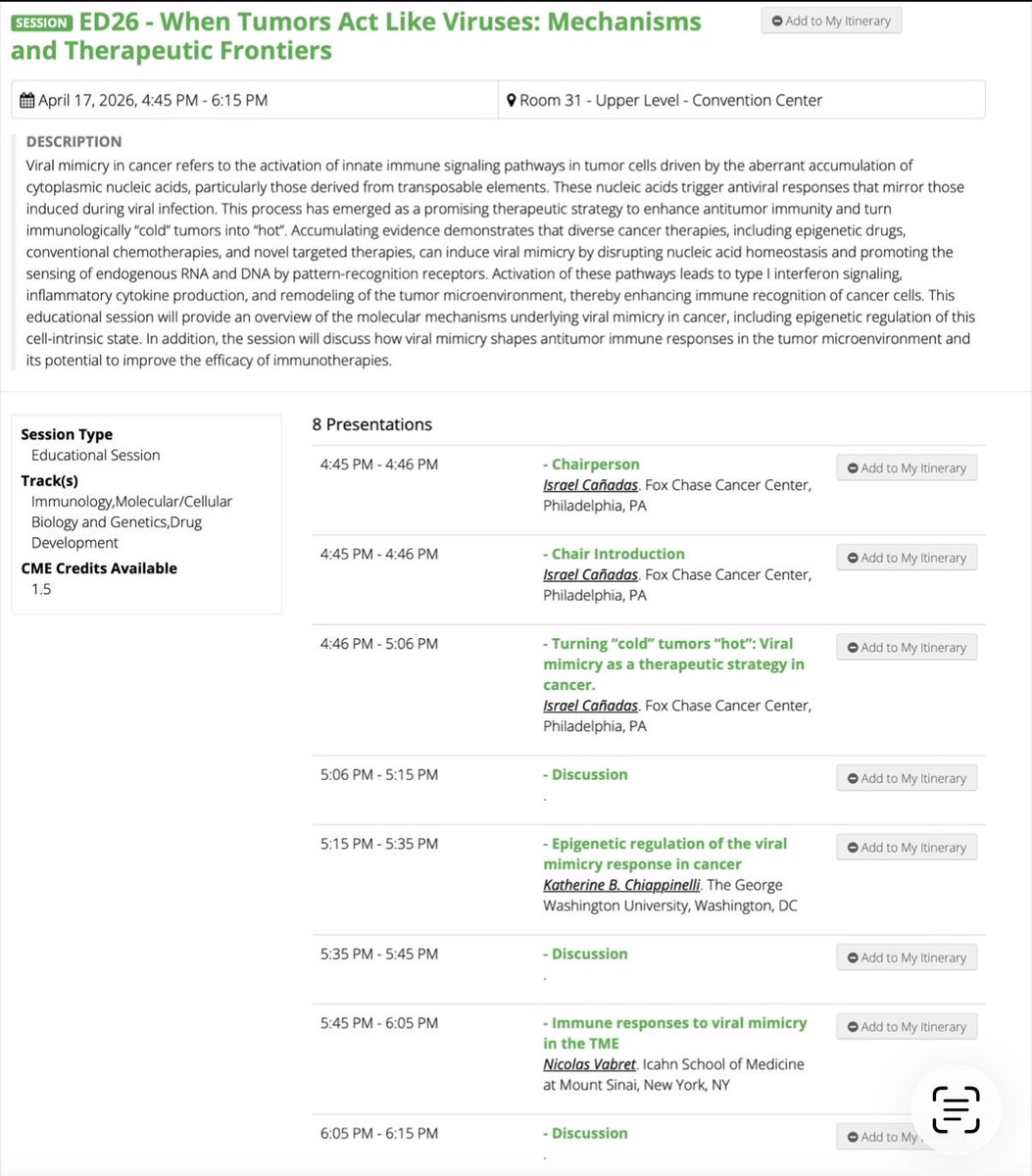
Ten years ago, we discovered that reactivating transposable elements triggers an antiviral state in cancer cells, a process we named viral mimicry, unmasking tumors to the immune system (Roulois, Cell 2015). Now this idea finally reached patients with some impressive results:
Now online in @CD_AACR: Priming with DNMT Inhibitors Potentiates PD-1 Immunotherapy by Triggering Viral Mimicry in Relapsed/Refractory NK/T-cell Lymphoma - by Cheng Huang, Yan Gao, Jianfeng Chen, Choon Kiat Ong, Huiqiang Huang, and Jing Tan https://t.co/xAcwfU03hW
New paper from our lab! Activation of transposable elements is linked to a region- and cell type–specific interferon response in Parkinson’s disease | Science Advances https://t.co/02undBJJUq
Happy to contribute to this Q&A on transposable elements (TEs) in the dark genome, alongside Jef Boeke, Kathleen Burns, Maria Tokuyama, and Ting Wang
Our senior scientist Dr. Daniel De Carvalho (@decarvalho_lab), who discovered viral mimicry in cancer, is featured in a @NatureBiotech Q&A.
He shares how transposable elements drive cancer and other diseases, emerging as powerful new therapeutic targets:
https://t.co/OpqlF4UQmS
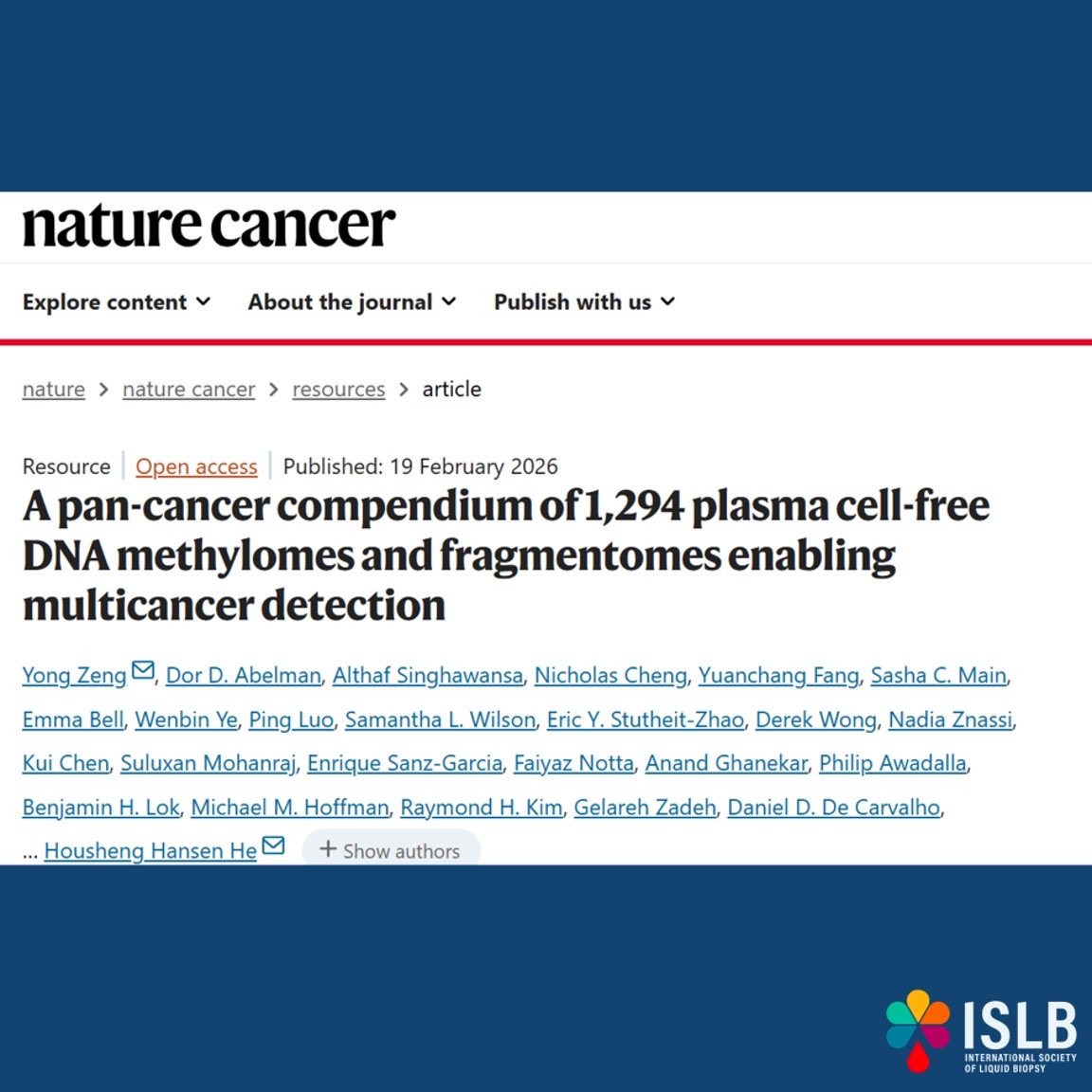
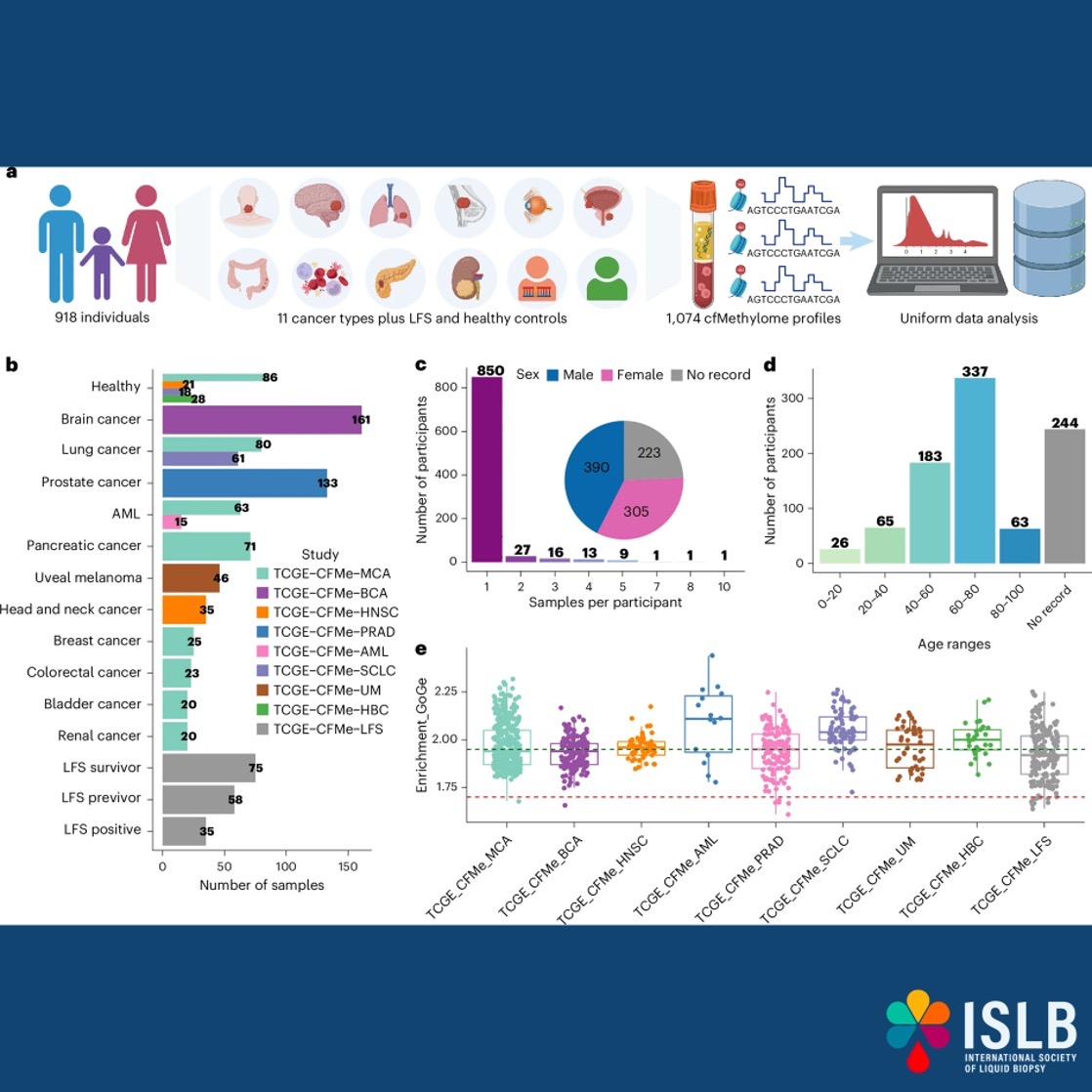
The most used multicancer early detection (MCED) blood test (liquid biopsy) uses methylation (GRAIL). But combining that with DNA fragmentomics, as reported today @NatureCancer, improves early detection
https://t.co/VkNDR4XuW3
We are thrilled to have Daniel De Carvalho (@decarvalho_lab) from Princess Margaret Cancer Centre / University of Toronto as our Keynote speaker at #EREHD25. What a way to close 3 days of wonderful science. Thank you for being with us in Mexico Daniel!
Dr. Daniel De Carvalho joins #ISLB25 as a speaker to showcase his research on cancer epigenetics and early detection. His lab at Princess Margaret develops methylation-based liquid biopsy tools and studies viral mimicry.
Learn more: https://t.co/mcm8oNkCW5
@ChristianRolfo@ElJanLe@DrYukselUrun@UmbertoMalapel1@drgandara@MJOSESERRANO19
#MeetTheSpeakers #CancerResearch #Epigenetics
Open for submissions!
We are excited to announce the launch of our new collection: Viral Mimicry 🦠✨
Submit your latest research exploring how viruses imitate host processes to evade immunity and regulate infection.
🔗 https://t.co/jM58zG8br1
#CallForPapers#ViralMimicry
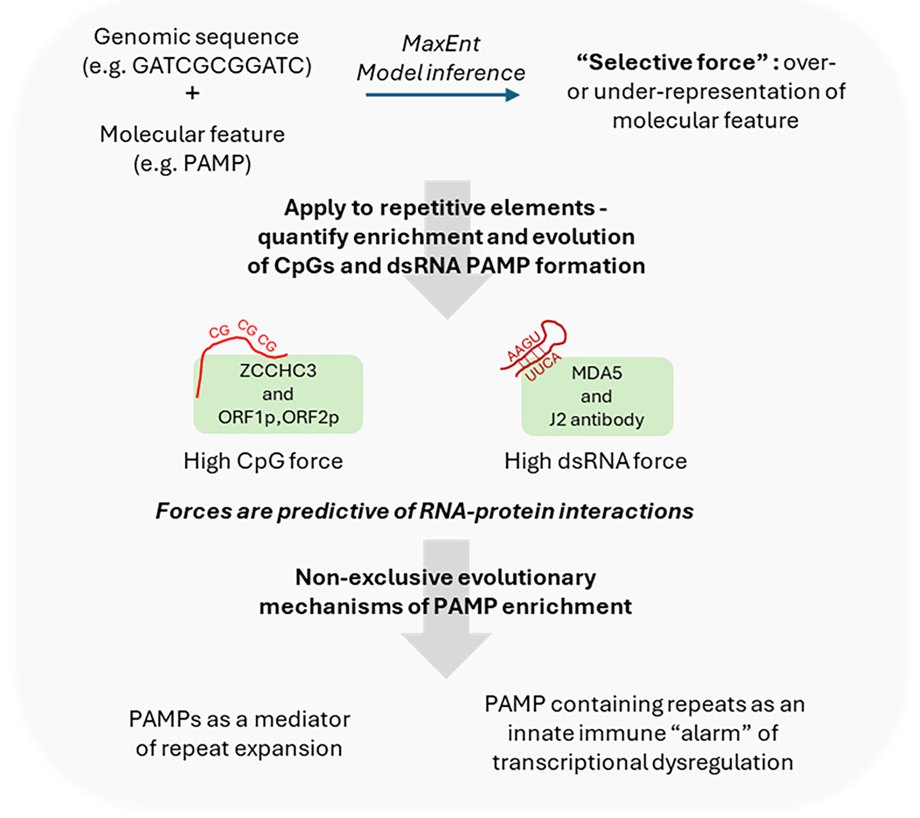
Sharing a paper below in @CellGenomics that took us literally 10 years+ (!) to write on the topics of 👇👇👇
* How, exactly, do we quantify viral mimicry - the expression of molecular features usually associated with nonself viruses by our own "self" cells?
* Why do we see mimicry in so many disease settings such as cancer?
* How broad a phenomena is this?
* How do we think about selection in this evolutionary context?
Trying to answer these questions required a theoretical framework at the intersection of physics, machine learning and evolutionary dynamics that our lab most enjoys - led by @petr_sulc, long-time collaborators at Ecole normale supérieure, and our lab at @MSKCancerCenter (Alexander Solovyov/ @stephen_martis / @sunsiyu1). It also required an amazing set of deep collaborations: @decarvalho_lab (whose work motivated a lot of our thinking) and John Lacava, who went all in for this work with their great labs and colleagues.
I would usually write a summary but I will defer to the text this time and just express thanks for the interactions and experiences this work generated. Its been a gateway into a lot of great science that we are still unpacking 👇 👇👇
https://t.co/Kq7ug8IlZr
Check out our latest in @trendscancer where rockstar PhD student Laura Rosenberg reviews cancer therapies known to induce innate immune responses via the sensing of Transposable Elements.
https://t.co/eEvPtWcv4D
Excited to have this paper out today!
Repeats mimic pathogen-associated patterns across a vast evolutionary landscape."
It was a fun and productive collaboration with Benjamin Greenbaum, John LaCava, Simona Cocco, Petr Šulc and many others! https://t.co/GPTxfoW6mh
Hear from 2025 Gairdner Momentum Award winner Dr. Daniel De Carvalho (@decarvalho_lab) @PMResearch_UHN on October 23 at @MaRSDD!
Learn more about his impactful work in cancer epigenetics and his research journey here ➡️ https://t.co/ZcfLBK0jCk #GairdnerAwards
Share in the thrill of discovery!
Gairdner Science Week is back October 20-23. Join us for a week of groundbreaking science with the world's top experts and #GairdnerAwards winners.
Full event lineup and registration → https://t.co/jjmsovS5NJ
#GSW2025