Here's another clip from our #Keralanaadu song I had the opportunity to write and compose for iPopstar Tamil. Had an awesome time making this. The full song is available on streaming platforms. 😁
I hope the Gen Z can take the time to sit down and read through this long piece. Deep, patient reading is how societies pass down wisdom, question power, and understand the world beyond a 30-second reel. That is how civilizations have come this far, by reading.
_____________________________________________________
Why is it that in Tamil Nadu politics, a single misstep by an established party becomes a civilizational catastrophe, while the exact same flaw in a new political force is excused as a learning curve?
To understand the @arivalayam in Tamil Nadu politics, you first have to look past the usual noise and notice a fascinating contradiction. On one hand, the DMK is easily the most criticized and intensely disliked parties in the country and among certain caste groups, particularly traditional elites, it borders on being hated.
Critics have written its political obituary countless times, predicting it is gone for good. Yet, time and again, the party manages to claw its way back. But, WHY?
Because, the DMK isn’t just an electoral machine that wakes up once every five years to hand out pamphlets; it is a deep-rooted social movement built over decades. It has a massive grassroots cadre, a loyal social base, and a foundational identity anchored in language pride, State autonomy, and social justice. When you combine that core vote bank with a smart alliance, the DMK is right back in the game, no matter how strong the anti-incumbency wave feels.
Think of it like a massive, deeply rooted silver oak tree in a forest. Storms come and go, stripping away branches and leaves, and people standing nearby might think the tree is finally dead. But because its roots run deep into the soil of Tamil social history, it bounces back the moment the weather clears.
That said, the political landscape today is changing rapidly. The State has clearly moved far beyond the old, predictable two-party ping-pong match between the DMK and the ADMK, where unhappy voters simply flipped a coin between the two every election cycle. That traditional bipolar system is fading, and a growing sense of fatigue with both Dravidian giants has settled in, especially among younger voters.
Into this vacuum step newer formations like TVK, fueled by cinematic stardom and the universal human itch for "something new." Every day the traditional opposition stays weak, the red carpet gets rolled out wider for these fresh faces. The DMK isn't just fighting rival politicians anymore; it’s grappling with an entirely different political atmosphere where the rules of engagement are being rewritten.
Then there is the phenomenon of political migration. It’s funny how the political windsock works: when the weather changes, commentators, social media influencers, and political hangers-on who once praised the DMK’s progressive policies suddenly find it convenient to label them "outdated." If power shifts elsewhere tomorrow, they’ll invent equally smooth justifications to pack their bags again. This isn't an ideological awakening; it’s simply the age-old survival instinct of positioning oneself as close to the next possible center of power as humanly possible.
This brings us to the elephant in the room: Do we actually apply the same moral and political standards to every party in Tamil Nadu?
If a single minister in the DMK gets tangled in a corruption allegation, it rarely stays an individual misstep. Within hours, it snowballs into a grand narrative about the "failure of the Dravidian model," the "inevitable rot of family rule," or the "inherent evil of the party." A minor administrative slip becomes an indictment of the Chief Minister's entire moral compass. One loose-mouthed speech by a local DMK functionary is projected as the gospel truth of the entire organization's ideology.
The honest answer to whether we use the same yardstick for everyone is a resounding no.
Is corruption only a crime when the DMK is involved? Is abuse of power a threat to democracy only under a DMK government? Does dynastic politics suddenly become a mortal sin only when a DMK family member enters public life? If a leader from another party surrounds themselves with loyalists and friends in key positions, we call it a "trusted inner circle." But when the DMK does it, it’s labeled cronyism. That isn't balanced criticism; it's a glaring double standard.
To be clear, let me also add that this doesn’t give the DMK a free pass. If there is corruption, call it corruption. If there is arrogance of power, condemn it. If dynastic dominance gets out of hand, question it. In fact, because the DMK lays claim to the lofty ideals of social justice, rationalism, and equality, it should be held to a higher standard when its behavior contradicts those values. But the problem arises when identical wrongdoings are brushed off as "just politics" when committed by someone else, while being treated like a civilizational apocalypse when attached to the DMK. Selective outrage isn't accountability; it's theater.
This deep-seated hostility isn't new; it has historical roots. The DMK grew out of a movement that directly challenged age-old social hierarchies, caste privileges, and the monopoly on opportunity. When you pull the rug out from under centuries of entrenched privilege by championing reservations, anti-caste politics, and language rights, the people who felt displaced or threatened are naturally going to push back. Over generations, that resistance baked itself into certain media circles, intellectual hubs, and online spaces.
At the same time, we have to be fair: no community is a monolith. Not every Brahmin opposes the DMK, just as not every backward community blindly supports it. Yet, it’s hard to ignore how certain ideological networks have sustained a long-running narrative painting DMK secularism as anti-Hindu. Here, the DMK is partly to blame for its own poor communication. Governments can quietly do phenomenal work renovating ancient temples, recovering temple lands, and upgrading facilities through the Hindu Religious and Charitable Endowments Department, but if they fail to talk about it, it vanishes from public memory. Meanwhile, one clumsy, controversial statement on religion by a single party leader spreads across social media like wildfire, defining the party's image overnight. In politics, what you actually do matters, but what people believe you did often matters twice as much.
A similar tightrope walk exists with the DMK's minority and Dalit politics. While the party has consistently stood up for the constitutional rights of Muslims and Christians especially in the face of rising majoritarianism, genuine secularism requires consistency. It means condemning religious extremism, hate speech, or radicalism no matter which faith it comes from. Political convenience should never lead to selective silence. Protecting minority rights and opposing extremism are not contradictory; they are two sides of the same coin.
Similarly, the DMK’s alliance with Dalit movements like the VCK has been a cornerstone of its social justice agenda. But caste dynamics in Tamil Nadu are delicate and complex; supporting the rights of one community is often viewed by segments of another community as a threat to them, breeding localized resentment among caste groups like Thevars, Gounders, and Vanniars.
So, why hasn't the DMK disappeared?
Because of its institutional memory. A party built purely for a quick electoral victory crumbles the moment it faces a crisis. But a movement tied to foundational ideas such as social justice, federalism, Tamil identity, and equality has a bounce-back mechanism. The DMK has compromised, made messy alliances, and strayed from its ideals while in power. Yet, when the chips are down, it always manages to lean back on those core principles that resonate deeply with the State's historical identity.
However, the threat the DMK faces today is fundamentally different from anything it has seen before. Its opponent isn't just another traditional political party; it’s a brand-new generation of voters who have little to no organic connection to political history. For the first time, political groups are dealing with an electorate shaped least by grassroots campus movements and more by global career competition, entrance exams, IT jobs, and a digital diet of Instagram reels, YouTube influencers, and cinema.
A vast majority of Gen Z and even some millenials enter the real world without knowing the sweat and sacrifice behind the language movement, the logic of reservations, the public health revolutions, or the mid-day meal programs that pulled millions out of poverty.
This is where cinematic hero-worship waltzes in to fill the vacuum. In Tamil culture, a silver-screen hero isn't just an actor entertaining you for two hours; he is a mythical figure who single-handedly beats up the corrupt, protects the poor, and fixes society before the credits roll. When that cinematic illusion spills over into real-world politics, the line between an action hero and an effective administrator blurs completely for a chunk of impressionable fans. An actor can earn millions, face tax controversies, or charge astronomical fees, and their fans will brush it aside. But, the moment that same actor steps into public life, they are instantly crowned the embodiment of pure, uncorrupted virtue, without a shred of administrative proof.
Playing an honest crusader on a 70mm screen is not a Certificate of Governance skills. At the same time, wearing the badge of an old political party doesn't automatically make you corrupt. Both must be judged by the exact same yardstick.
That is the intellectual honesty Tamil Nadu politics is crying out for today. If a mistake made by the DMK is magnified tenfold just because it's the DMK, while identical behavior by a brand-new political outfit is excused with a wink because "they are still learning," that isn't alternative politics. It’s just a new flavor of blind devotion. If you attack the DMK for family politics, you must hold a new party to the exact same fire if its leadership packs its inner circle with loyalists. If you detest corruption in one party, you must oppose it everywhere, whether today, tomorrow, or under any future government. Fair is fair.
TRUE FACTS ABOUT NEET:
NEET was introduced on 21.12.2010 in
(a) MBBS courses by way of "Regulations on Graduate Medical Education (Amendment) 2010
(b) PG courses by way of "Regulations on Post Graduate Medical Education (Amendment) 2010”.
At that time Dr Kalaignar was the then chief Minister and I was serving as Addl Advocate General of TN.
He asked me to challenge the NEET UG and PG Amendment regulations in Madras HC and accordingly these 2010 regulations were challenged by State Govt before Madras High Court.
I appeared before Madras HC and got stay on 6.1.2011 of both the UG and PG regulations in Writ petition Nos. 341 and 342 of 2011 . Therefore in Tamilnadu no NEET exams were held since 2010.
The Madras HC stay order was in force till these NEET regulations were quashed by Hon’ble Supreme Court in 2013 by bench headed by then CJI Hon’ble Justice Altamas Kabir .
https://t.co/qSbNerZikJ
The 2013 judgement of Supreme Court quashing NEET regulations were recalled in 2016 when BJP government was in power.
https://t.co/rrFYsXmXQh
BJP govt then introduced Section 10(D) in 2016 by way of amendment to Indian Medical council Act there by making NEET compulsory.
For one year viz., 2016-2017 , NEET was exempted by Section 10(D) proviso.
However from 2017 onwards NEET was made compulsory in all states.
In 2017 NEET was enforced in Tamilnadu for the first time when Mr Edapadi was the Hon’ble CM.
On 31.1.2017, Edapadi Govt in TN passed LA Bill No 7/2017 and 8/2017 exempting NEET in UG and PG courses and sent the Bills for the assent of Hon’ble President.
Hon’ble President of India Mr Ram Nath Kovind withheld the two Bills on 18.9.2017. However the said information of withholding of two Bills came to light only in July 2019 when Madras HC was hearing Writ Petitions regarding these Bills.
@Udhaystalin@DMKITwing@arivalayam
தமிழ்நாட்டில் முதல் முறையாக தூய்மை பணியாளர்களுக்கு ஓய்வு அறை, கழிப்பறை வசதிகள் ஏற்படுத்தி கொடுத்துள்ள முதலமைச்சர் விஜய் என்று பரவி வரும் செய்தி தவறானவை.
சென்னையில் தூய்மைப் பணியாளர்களுக்கு 300 சதுர அடியில் கழிப்பறை வசதியுடன் ஓய்வு அறைகள் அமைக்கப்படும் என்று முன்னாள் முதல்வர் மு.க. ஸ்டாலின் நவம்பர் 15, 2025 அன்று அறிவித்தார்.அதன்படி டிசம்பர் 19, 2025 அன்று 200 வார்டுகளில் தூய்மை பணியாளர்களுக்கு கழிப்பறையுடன் கூடிய ஓய்வறைகள் அமைக்க சென்னை மாநகராட்சி மன்ற கூட்டத்தில் தீர்மானம் நிறைவேற்றப்பட்டது.
இதையடுத்து OMR சாலை மேட்டுக்குப்பம் பகுதியில் உள்ள ரூ.73.50 லட்சம் மதிப்பீட்டில் மூன்று இடங்களில் தூய்மைப் பணியாளர்களுக்கான உணவு அருந்தும் அறை, ஓய்வு அறை அமைக்க கட்டுமான பணி துவங்கும் நிகழ்ச்சி நடைபெற்றது.
இந்நிலையில் திமுக ஆட்சியில் தொடங்கப்பட்ட தூய்மை பணியாளர்களுக்கான ஓய்வு அறை பணியை, தவெக ஆட்சியில் ஏற்படுத்தி தரப்பட்டதாக தவறாக பரப்புகின்றனர்.
Proof : https://t.co/ez2jTwHNDm
https://t.co/JXEuCkb6Uk
https://t.co/um1Apikico
திமுகவை கண்மூடித்தனமாக எதிர்த்து அரசியல் செய்தால் ஆட்சியில் உள்ள குறைபாடுகள் குறித்து மக்கள் கவலைப்பட மாட்டார்கள் என்ற ஜெயலலிதா strategyஐ தவெக எடுத்துள்ளது தமிழ்நாட்டிற்கு நல்லதல்ல.
கற்றனைத்து ஊறும் அறிவு
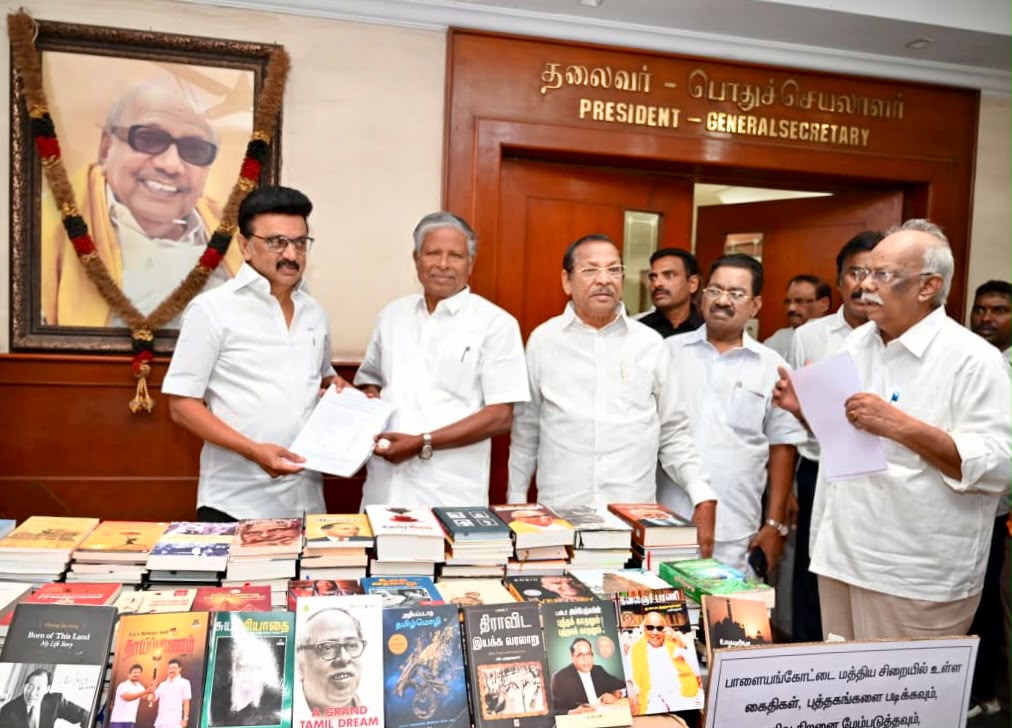
2018-இல் தி.மு.க. தலைவராகப் பொறுப்பேற்றதில் இருந்து, என்னைச் சந்திக்க வருபவர்கள் பூங்கொத்து, சால்வைகளுக்குப் பதிலாகப் புத்தகங்களையே அன்பளிப்பாக வழங்குமாறு வேண்டுகோள் விடுத்திருந்தேன்.
இதுவரை இப்படி பெறப்பட்ட 6 இலட்சம் நூல்களைத் தமிழ்நாட்டிலும் வெளிநாடுகளிலும் உள்ள நூலகங்களுக்கு அனுப்பி வைத்திருக்கிறோம்.
இதன் தொடர்ச்சியாக, பாளையங்கோட்டை சிறைச்சாலையில் உள்ள கைதிகளுக்காகவும், தாம்பரத்தில் புதிதாகத் திறக்கப்பட்டுள்ள நூலகத்துக்காகவும் மேலும் 5 ஆயிரம் புத்தகங்களை இன்று வழங்கினேன்.
புத்தகங்கள் தேவைப்படும் கல்வி நிறுவனங்கள், நூலகத்தினர், படிப்பகத்தினர் கடிதம் எழுதினால் அவர்களுக்கும் புத்தகங்களை வழங்கத் தயாராக இருக்கிறோம்.
வாசிப்பு பெருகினால்தான் தமிழ்நாடு தன் அடையாளத்தை இழக்காமல் பாதுகாக்கப்படும்!
#DonateBooks #DonateKnowledge #ReadShareRepeat
சென்னையின் நவீன அடையாளமாக #Kathipara மேம்பாலத்தை அமைத்தார் தலைவர் கலைஞர்!
அந்த மேம்பாலத்தின் மேல் இந்தியாவிலேயே முதன்முறையாக மெட்ரோ வழித்தடங்கள் அமைக்கப்படும் பணிகளைப் பார்வையிட்டேன்.
#EngineeringMarvel என அனைவரும் வியக்க உருவாகி வரும் இது உரிய காலத்தில் முடிக்கப்பட்டு, விரைவில் சென்னை மக்களின் நகரப் பயணம் இனிமையாக அமைந்திட வழிசெய்ய அறிவுறுத்தினேன்.
#ChennaiMetro
அனிதா வீட்டுக்கு விஜய் சென்றதால் தான் நீட் போராட்டம் வலுப்பெற்றது - வன்னி அரசு
ஒன்ஸ்மோர் படத்துல விஜய் கூட நடிச்ச பிறகு தான் சிவாஜிக்கு நடிப்பு வந்தது !
TamilLM has finished pre-training. 🎉
30 billion tokens. 57,221 steps. 1.5B parameters. ~48 hours of H100 time across two clusters (one of which our own safety guard assassinated 90 seconds after the first finish — the resumed re-run reproduced the lost model to four decimal places).
Final report card, measured across ten registers of Tamil:
📜 Classical Sangam: 6.08 → 3.50
🕉️ Bhakti devotional: 6.66 → 3.67
📖 Literary prose: 4.69 → 2.87
🗞️ Modern formal: 4.52 → 2.69
Overall held-out loss: 4.61 → 2.84
The hard old registers — the reason this model exists — improved the most, all the way to the final step.
Every checkpoint integrity-verified. Three copies on three storage domains before the GPUs go quiet. ~$2.2K all-in, failures and forensics included.
It already completes the first Thirukkural from three words. Next: post-training, so it doesn't just continue Tamil — it converses in it. வளர்க தமிழ்🌱
P.S. Now looking for name suggestions for the model - as TamilLM is already taken on HF. Drop a comment with a model name - and the name with the most likes wins! 😃
Am trying to locate that video, but was asked this question around Jun 25 -
“Why is mainstream media not covering you?”
And I had replied -
“By the time we are done, mainstream media would no longer be relevant.”
Just heard Nirmala Sitharaman explain one of the benefits of the NEET leak and retest.
I would like to apologize for my shallow complaints as I now understand the deep ways in which government makes citizens become better.
Though the ruling party’s ecosystem praises Nirmala Sitharaman as the best finance minister, I have explained many times, with details, why she is the worst finance minister in post liberalised India.
I was not surprised when she said that the NEET re-exam gave students an opportunity to prepare further.
She has always been insensitive, arrogant, and completely detached from the reality of day to day India.