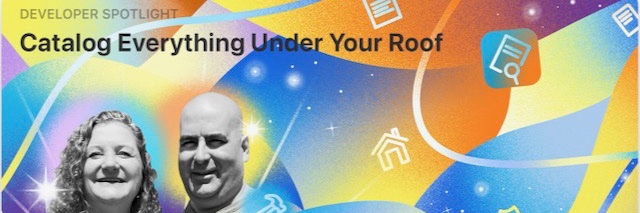
When you open the Mac @AppStore the day before #wwdc23 and see your mug shots near the top! What the what?? I'm so excited & grateful to be here in person this year. We love what we do and that our apps have helped so many through the years.
Thanks .@connorfields11 for inspiring my son. Any chance you’re at @RockHillBMX this weekend? This was you with Adam on the left and his teammate in 2017. He’s racing for team Rocket this weekend. Let’s redo this photo! You in?!? #usabmx#carolinanationals
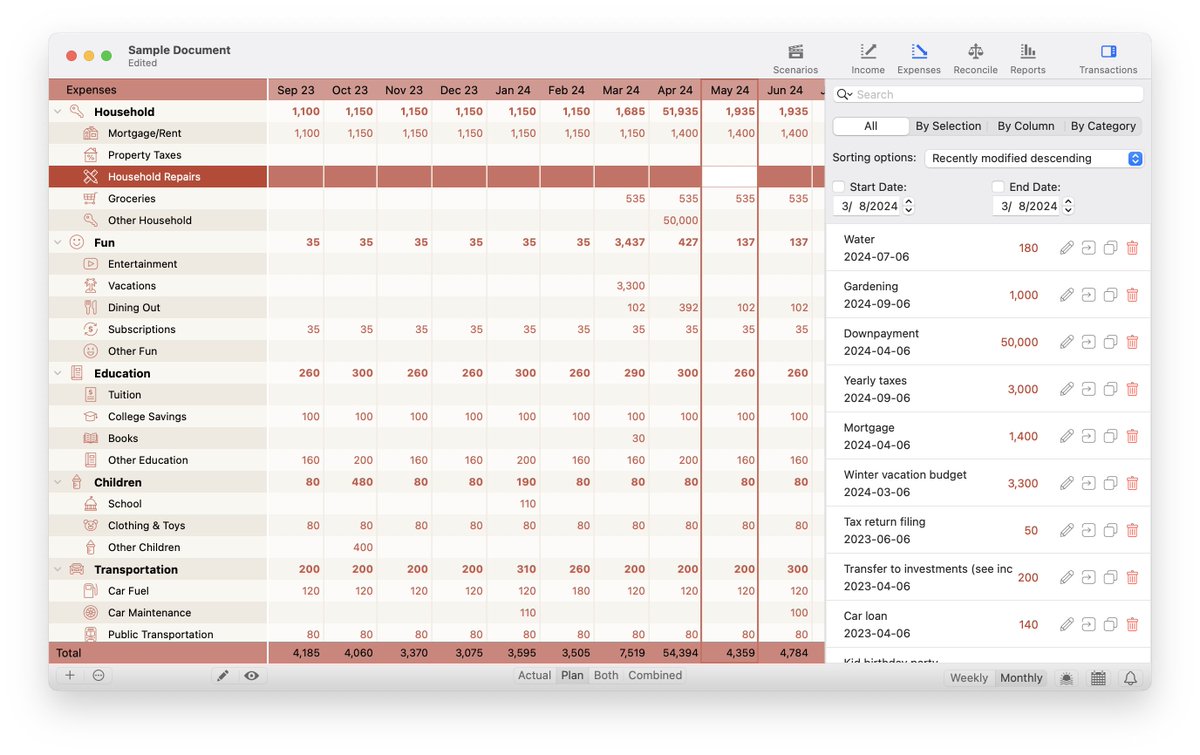
We've started a TestFlight beta for Cashculator version 2.3, which will bring a couple of new features, most notably a powerful sidebar to find and edit your transactions.
Details on how to join and what's new are on the forum at https://t.co/588FWEmOhl
I got into this a bit with @eric_seufert on the @MobileDevMemo podcast.
The App Store debate seems to hinge, at least in part, on whether or not you think developers have some fundamental human right to develop for any computing platform they want without the creator of that platform being able to monetize beyond hardware sales.
This argument gets conflated with consumers having the right to install whatever software they want on hardware they purchased. But that argument should be independent since developers could still be required to pay Apple something even if consumers are allowed to install software indiscriminately.
Both Eric and I take the opposite view (as did the judge in the Epic v Apple case) — Apple does have a right to directly monetize developers on the platforms they create.
But that doesn’t mean the current 15/30% commission charged on digital goods and services is optimal for society broadly or Apple, developers, or consumers more specifically.
I’ve argued for years that the most pernicious aspect to the commission is how it limits innovation in apps and in business models. @Spotify is the poster child for this. Even though they sell what appears to be (essentially) zero marginal cost access to streamed music, they have astronomical marginal costs in the form of royalty payments.
Not only that, they now have to compete with both Apple Music and YouTube Music, provided by the platforms themselves with no direct pressure to turn a profit nor the requirement to pay a 30% commission.
This is where I think Apple has gone wrong in trying to maintain the 30% commission. There should be more concessions to business models like Spotify’s that just don’t work under the current regime.
Ultimately, it doesn’t really matter what I think, the most interesting thing that’s going to happen in the coming months is where the European Commission lands. Apple’s proposed compliance does do a solid job of addressing the consumer question. With alternate app marketplaces, consumers will have considerably more freedom in what software they choose to install on the hardware they purchased from Apple.
But where exactly is the European Commission going to land on Apple’s right to charge developers? And then if Apple does have a right to charge developers, what will the EC view as a fair “platform fee” (as Apple has been careful to define the commission)?
With Spotify (one of the most successful European tech companies and poster child for the unfairness of 30%) whispering in their ears, I can’t help but think there will be pushback on Apple’s proposed compliance. Especially on the €0.50 Core Technology Fee.
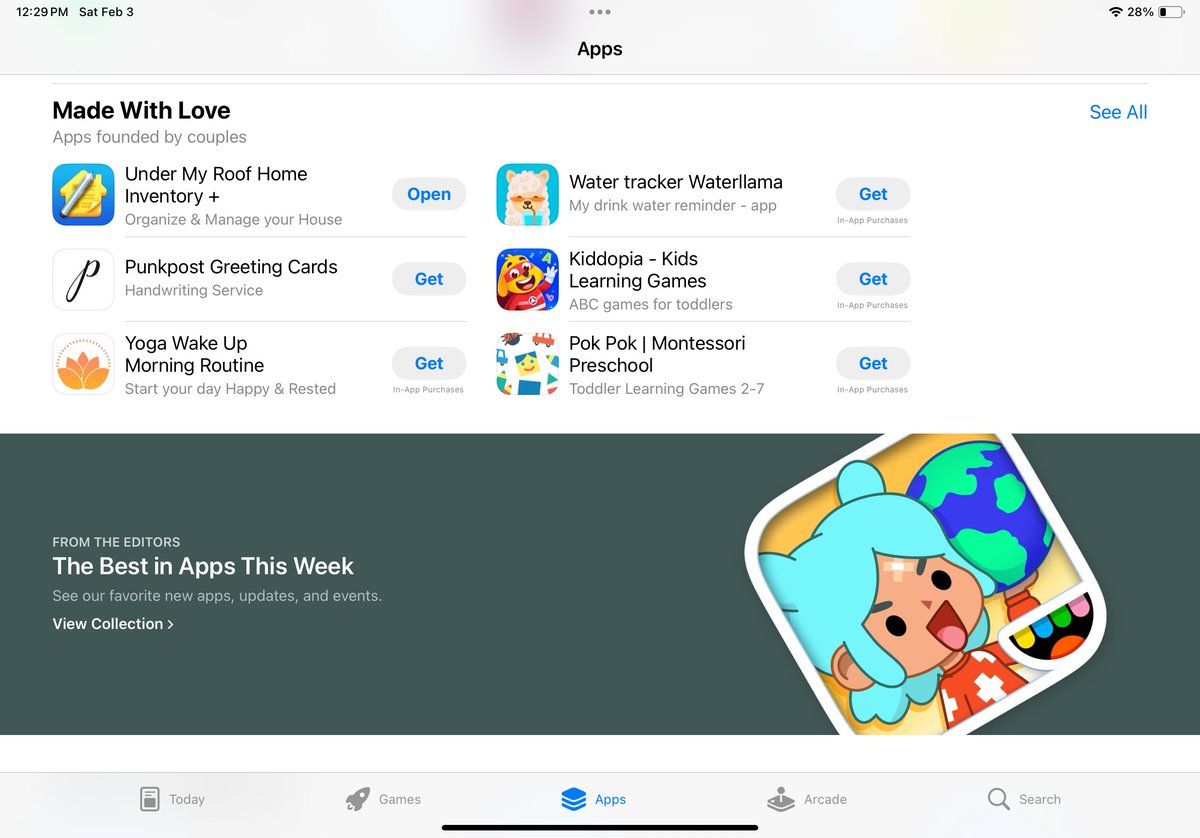
So fun to see Under My Roof included in the "Made With Love - Apps founded by couples" feature on the @AppStore! It's definitely a labor of 💞. Happy almost #ValentinesDay. 😊
#IndieDevs
@FrancescoD_Ales The one app to keep track of all those details and vital records you will need to maintain and manage your home and belongings: https://t.co/DqjjFVGepQ