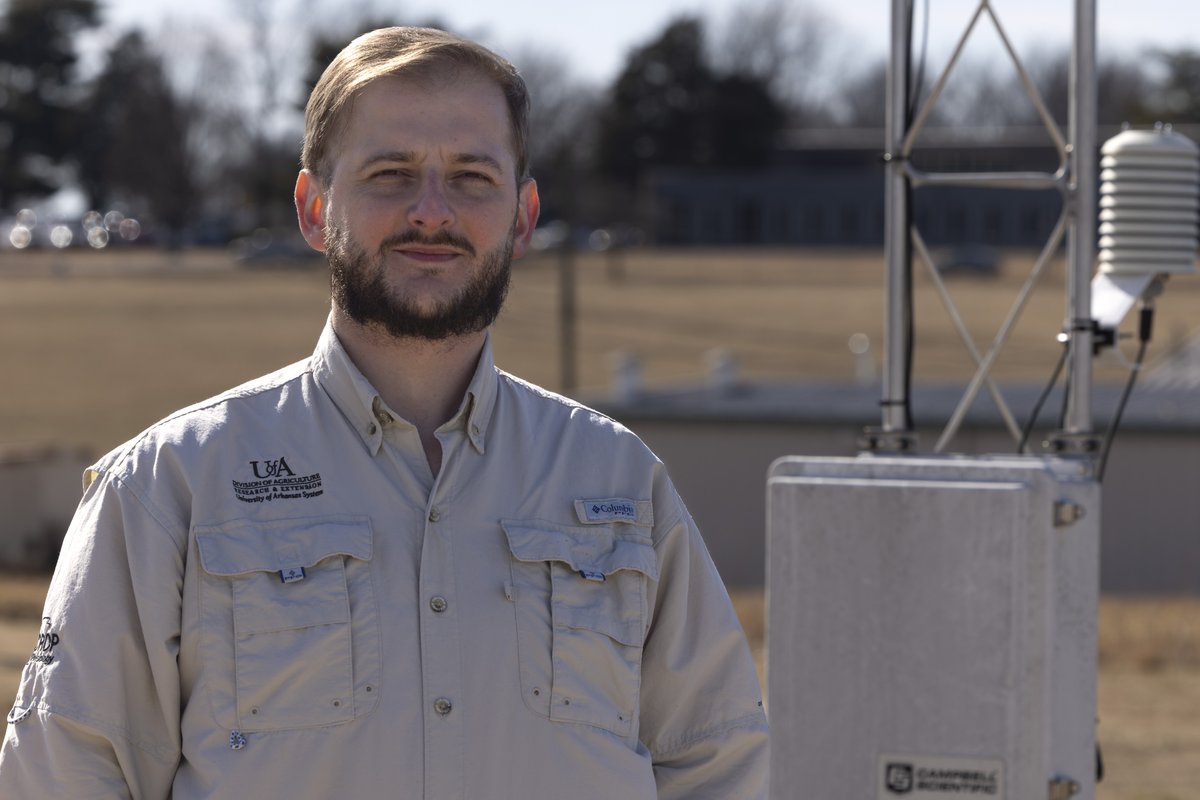
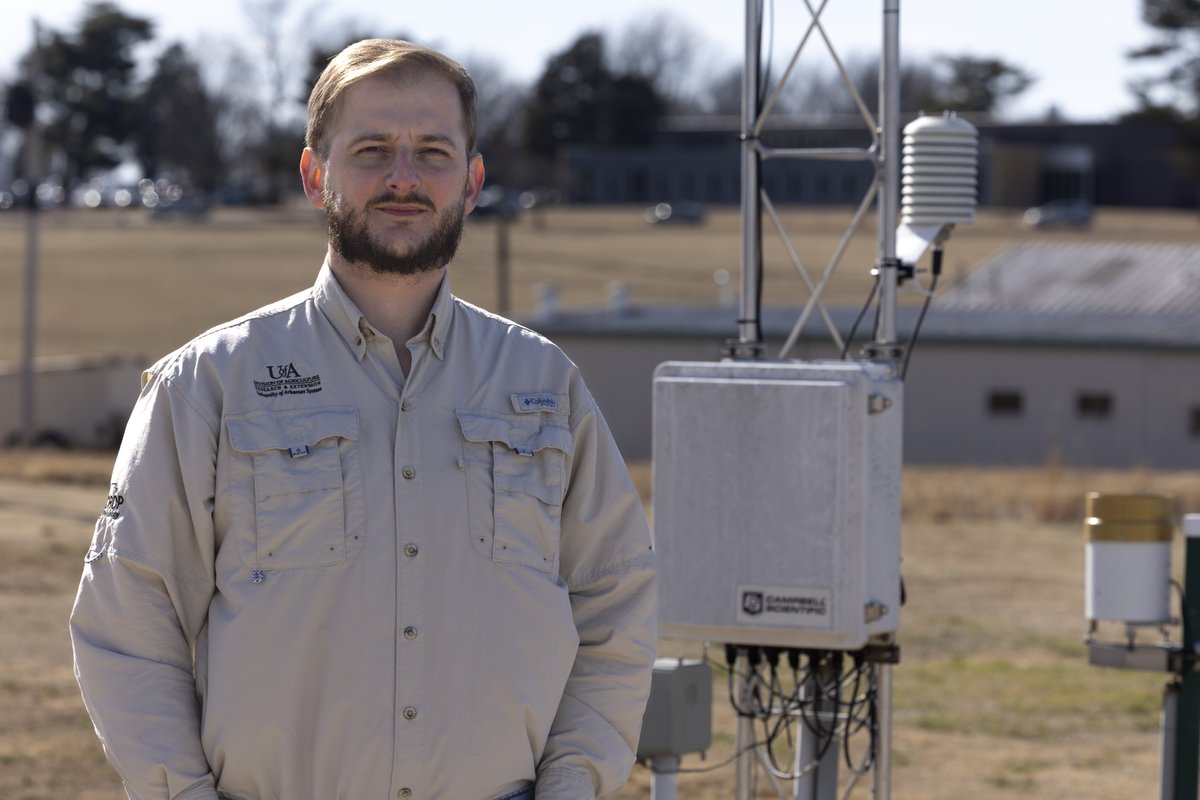
Elvis Elli, assistant professor of crop physiology in the Crop, Soil & Environmental Sciences Department, is leading an effort to install 20 new weather stations at @AginArk locations and Arkansas Discovery Farms across Arkansas. Read more: https://t.co/McHMMrHr8I @bumperscollege@AR_Extension #arwx
Comprehensive weather data, including soil moisture, at 20 locations throughout Arkansas will be collected by new weather stations thanks to a $425K grant. A website will make the data publicly available. Read more: https://t.co/McHMMrHr8I @AginArk@AR_Extension@bumperscollege #arwx
Thanks to a $425K grant, @AginArk scientists are putting up 20 weather stations across Arkansas to improve data collection for ag experiments, with public online access to the data. Read more: https://t.co/kk4EYEt3nG @AR_Extension@uarkhort@bumperscollege
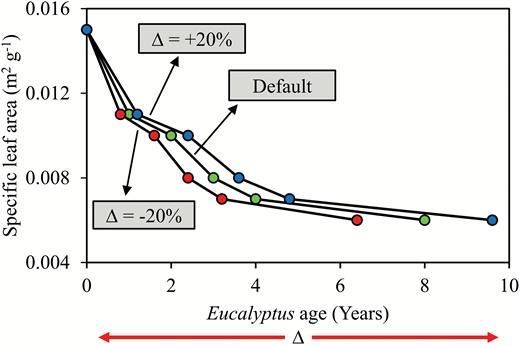
🌿 Global sensitivity-based #modelling approach to identify suitable Eucalyptus traits for adaptation to climate variability and change
https://t.co/U8CC9LUR57 #PlantScience
By combining field studies with crop modeling, Dr. Elvis Elli helps farmers in Arkansas and beyond improve productivity and resilience in a changing environment.
@AginArk@Elli_EF#Crops#BehindTheDiscovery#Climate
It’s a beautiful day for planting corn in Fayetteville! Elvis Elli, @ArkAgResearch asst. prof. (crop physiology and adaptation to climate change) has 5 hybrids he’s testing in a planting-date study. It will be fun to watch these grow at SAREC. @AginArk
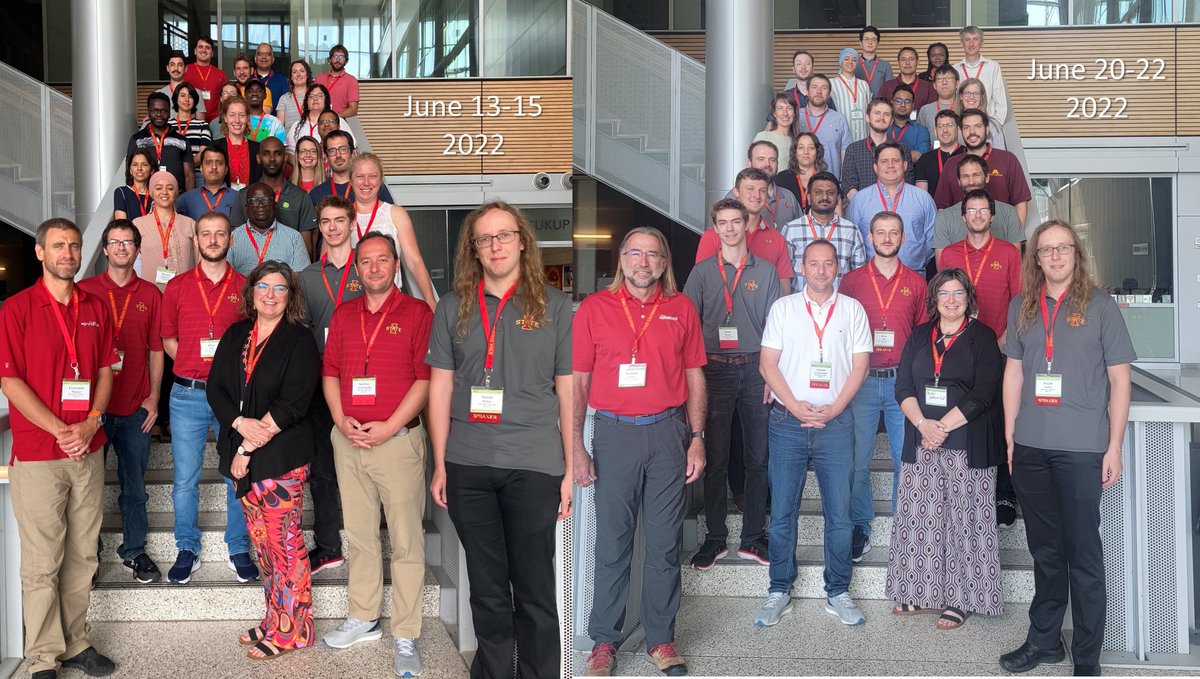
Pleased to share that registration is open for the 2024 #APSIM Next Gen training workshop (June 17-19, Ames, IA). The course is limited to 25 participants. Link:
https://t.co/TmGKIplbGd
@isuagronomy
I am looking for a motivated Program Associate to join our Crop Physiology Lab at the Department of Crop, Soil, and Environmental Science, University of Arkansas. Further information can be found on the link below. Come join the Lab!
https://t.co/TmOrPKqHSV
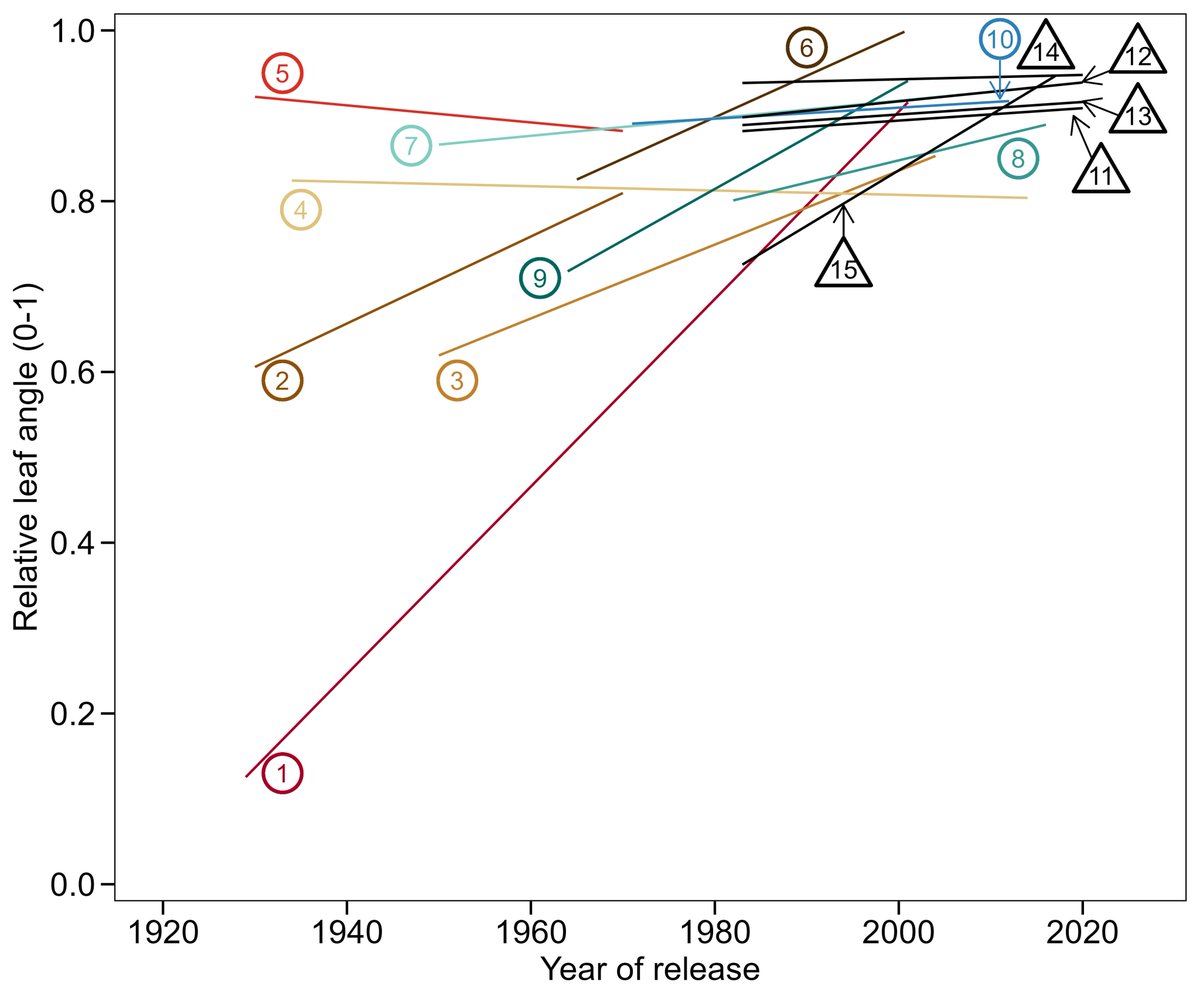
Maize leaf angle genetic gain is slowing down in the last decades. We also found that breeding and plant density have similarly contributed to historical leaf angle changes in the middle canopy.
Check out the full-text here: https://t.co/nhFHXT8Q92
@SArchontoulis
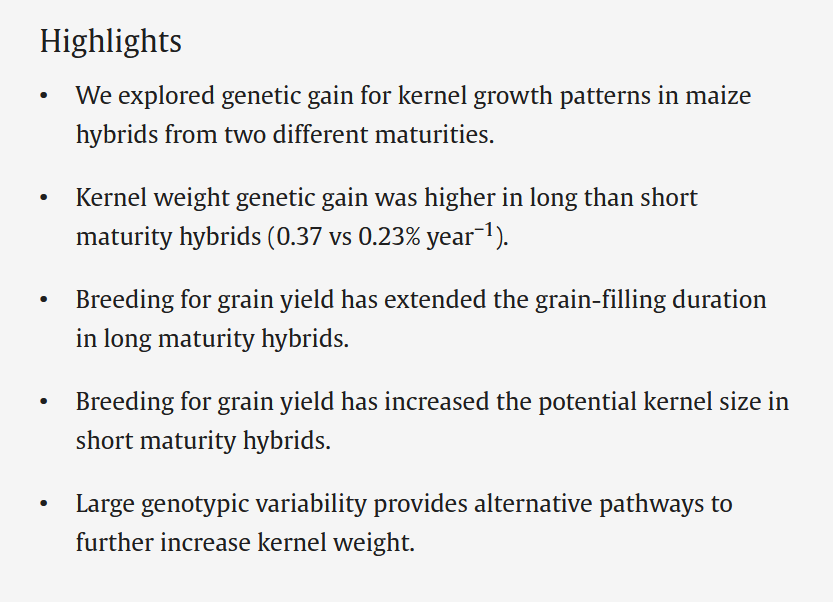
Maize breeding increased final kernel weight (and yield) via different mechanisms depending on the hybrid maturity.
Check our new article at FCR: https://t.co/e0jUEkzhJC
@isuagronomy@SArchontoulis@krlamkey@FoundationFAR
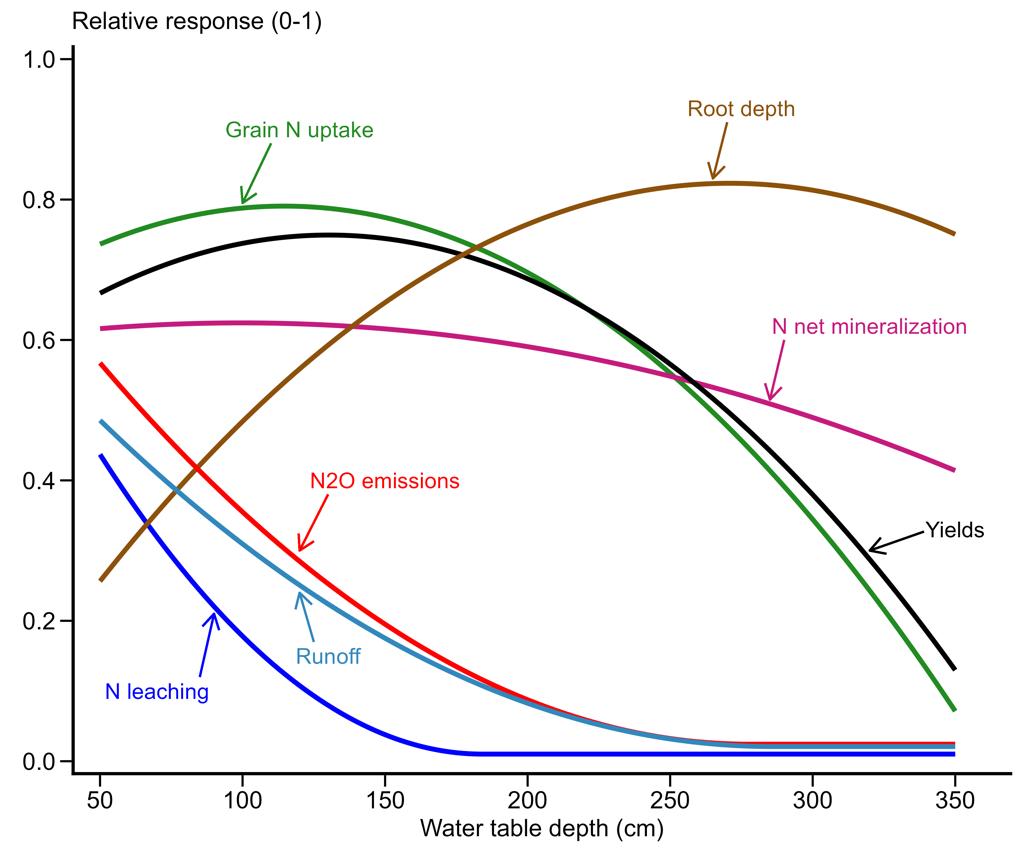
Tradeoffs exist between water table depth, corn grain
yields, and systems sustainability under #climatechange scenarios in the US Corn Belt.
Check out the full text: https://t.co/xHpZvuwdqv
Pleased to announce that registration is open for the 2023 #APSIM training course in Ames, Iowa from June 12 to 14, 2023.
Registration link and course info here:
https://t.co/TmGKIplbGd
@peterthorburn2@isuagronomy
📢The Forecast and Assessment of Cropping sysTemS (FACTS) website is already tracking soil moisture across 3 different depths, and soil N mineralization.
The website will keep you posted every Wednesday, sharing maps and graphs across the Midwest.📢
@ArchontoulisLab, @Elli_EF
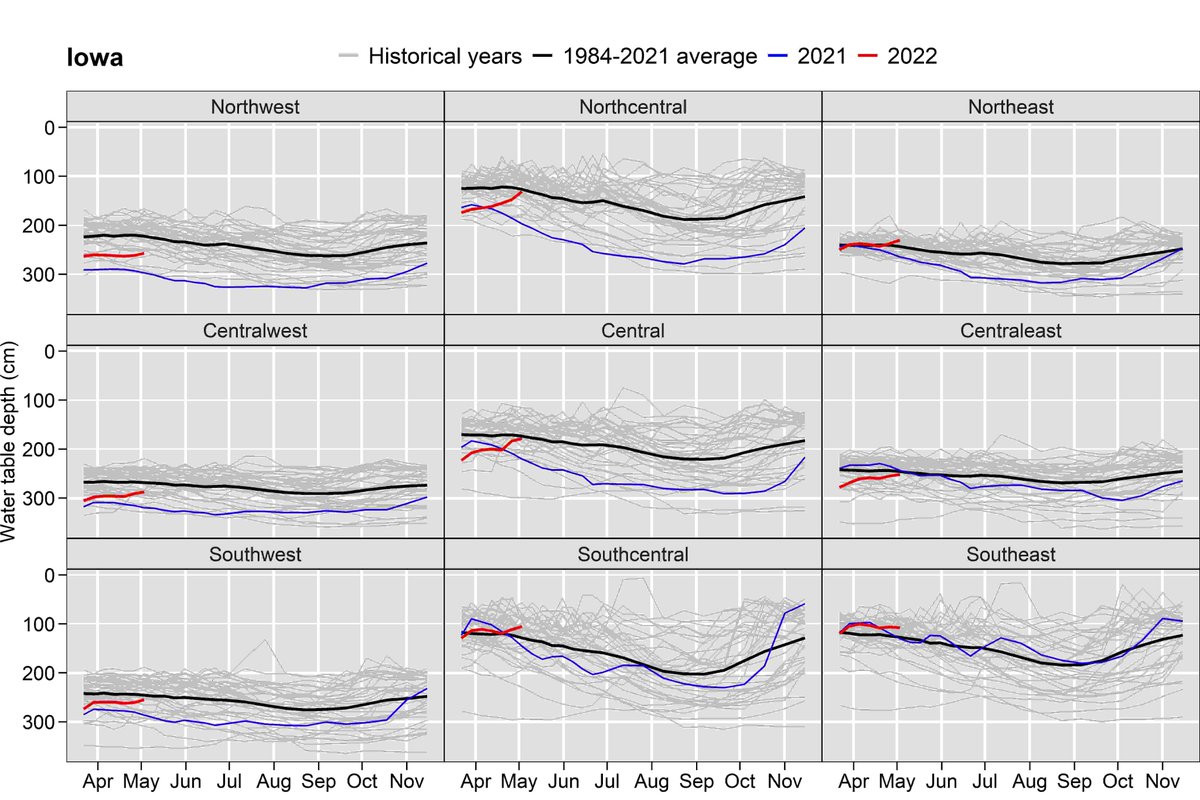
The water table depth is trending upwards since March 2022 in most Iowa districts (except northwest), and after a long period is at near-normal levels, read more here: https://t.co/K50vtMqkEp @marklicht@castellmj
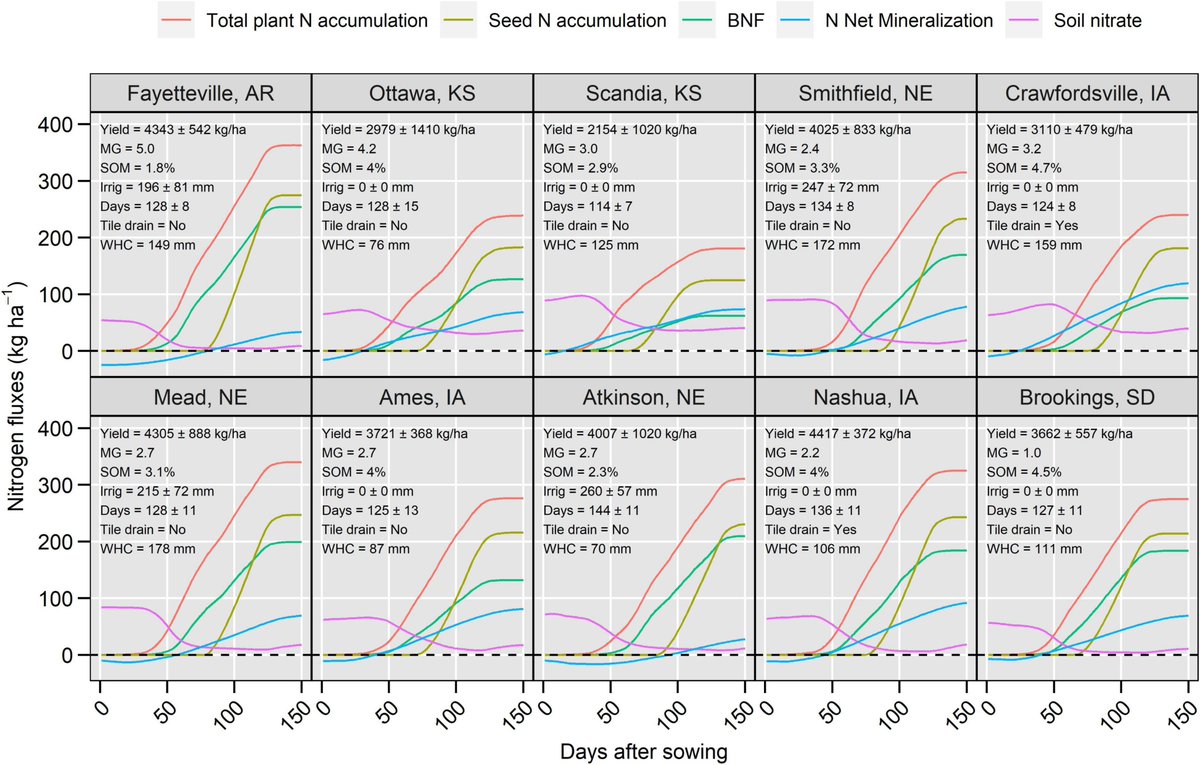
New paper: Climate change increased soil N mineralization (24%) & N2O (19%) but decreased soy N fixation (32%) & seed N (20%). Improved residue mgt (short term) and water mgt (long term) can substantially alter the direction of the N fluxes. Read more: https://t.co/rx1rWJP6Nx
Soil #Nitrogen benchmark Apr 19, 2021. Key findings for Iowa: 1) soil N mineralization at or above normal and higher compared to 2020; 2) soil N losses normal to below normal. @castellmj@marklicht
https://t.co/rtPcaOiebq