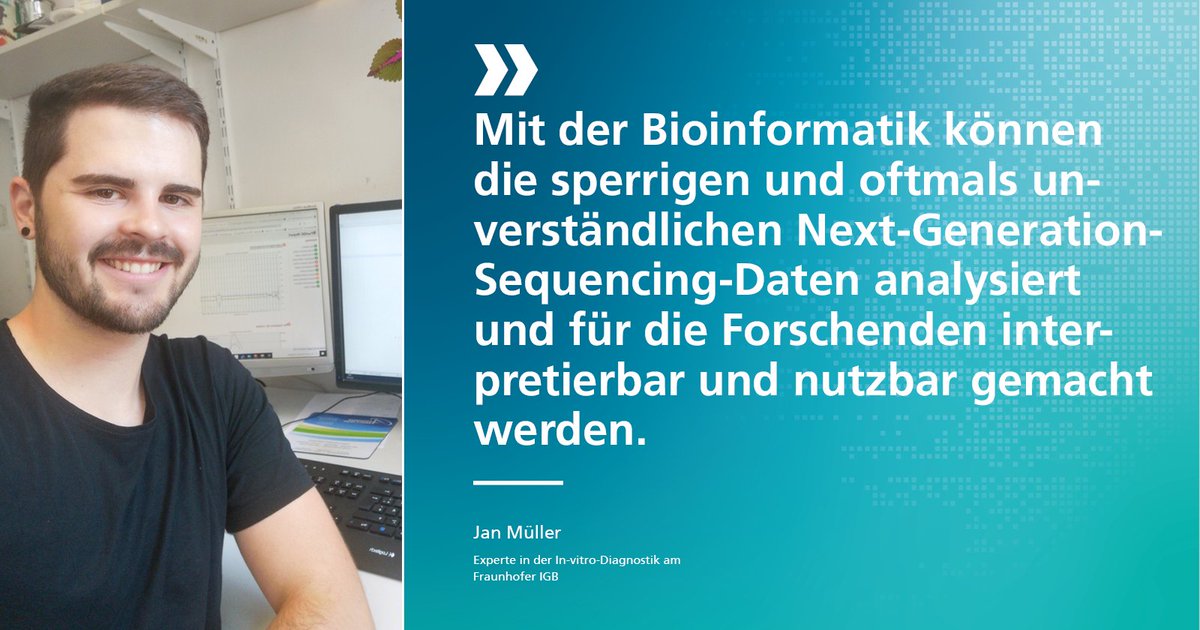
Die Bioinformatik ist für die Automatisierung im Rahmen von Next-Generation Sequencing von essentieller Bedeutung. Denn die sequenzierten Milliarden von DNA-Fragmenten manuell zu analysieren ist unmöglich. Unser Experte Jan Müller meint:
@FunGenS#weknowhow#bioinformatik
Was ist eigentlich Next-Generation Sequencing (NGS)? Christina Hartwig, Doktorandin im Innovationsfeld In-vitro-Diagnostik am IGB, beantwortet uns heute in einem kurzweiligen Labor-Rundgang 22 Fragen zu ihrem Forschungsalltag am Institut. https://t.co/q0TC023R0m
@FunGenS
We are pleased to announce the third and final sub-study of the Circulating Cell-free Genome Atlas (CCGA) study is now published in @Annals_Oncology. These data further support the ability of @GalleriTest to detect 50+ types of cancer. #DetectCancerEarly
Safe blood 🩸 is essential to care for patients with
- pregnancy & childbirth associated bleeding
- severe anaemia from malaria & malnutrition
- blood & bone marrow disorders
- inherited disorders of haemoglobin
- immune deficiency conditions
And more 👉https://t.co/tYTUnMX3xU
Delighted to share my lab’s @jdavieslab first big paper in @Nature!
We’ve developed a new 3C technique called Micro Capture-C that can generate base pair resolution 3C data https://t.co/Mgr26d2bTE
We are proud to announce that @GalleriTest, our multi-cancer early detection blood test, is now available by prescription only. Learn more about the science behind Galleri here: https://t.co/ZKIyLbboZS #DetectCancerEarly
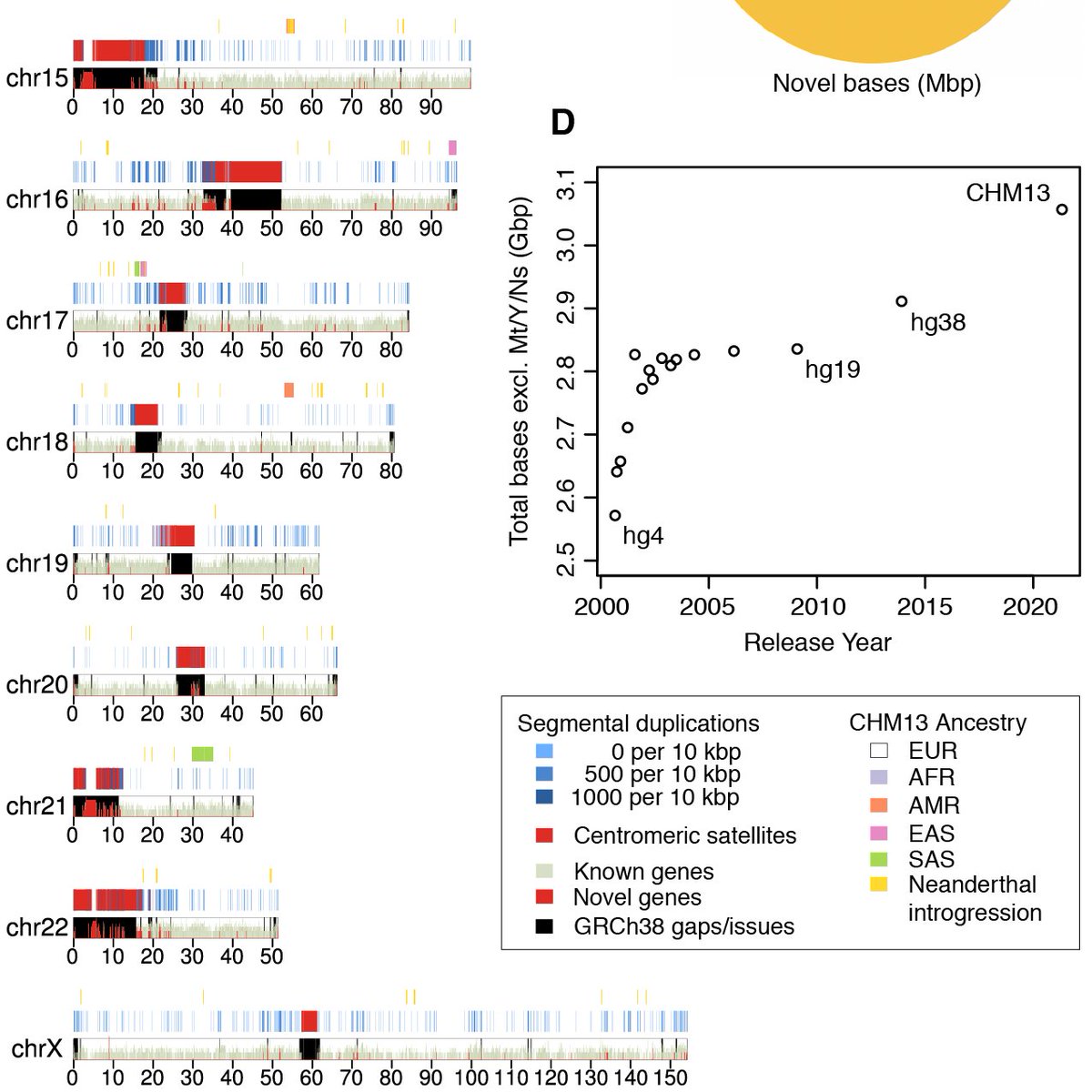
The #T2T Consortium is excited to release a series of preprints in the coming weeks that describe the assembly and analysis of the first truly complete human genome! 🎉 I will append the papers as they appear to this 🧵, and you can find all our data here: https://t.co/YIlCAHUAxl
Corona times require clever and interactive solutions - nice conference you have organized there @NanoporeConf@nanopore looking forward to some more talks, posters and finding the last missing Mk1C in the Spot the MinION game! #nanoporeconf#Science#scienceisourpassion
Happy to share another publication of DISQVER and how we can change the way infections are diagnosed.
DISQVER - Decoding Pathogens. Recoding Detection.
https://t.co/5N4Rrpz3q4
#disqver#noscendo#ukessen
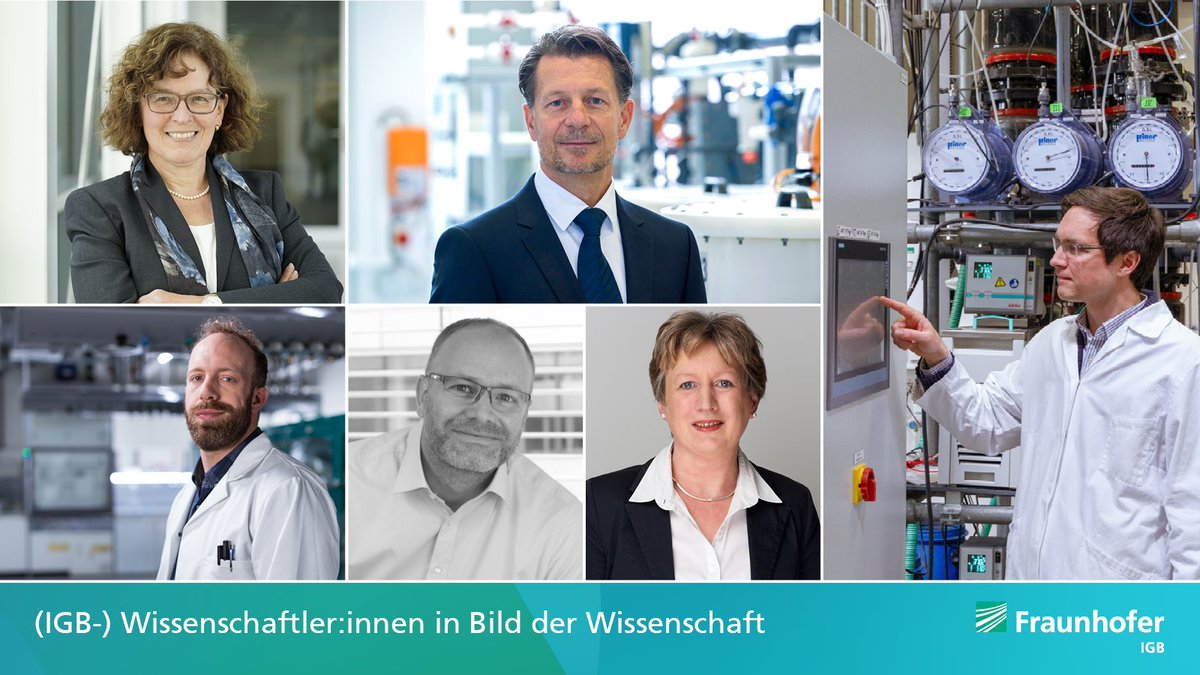
Heute erscheint die Sonderausgabe der "Bild der Wissenschaft" zum Thema Biointelligenz. Im Heft: lesenswerte Beiträge von IGB-Wissenschaftler:innen. Was wir am IGB zu einer biointelligenten und nachhaltigen Wirtschaftsweise beitragen: https://t.co/ulj5q84Tyz #weknowhow
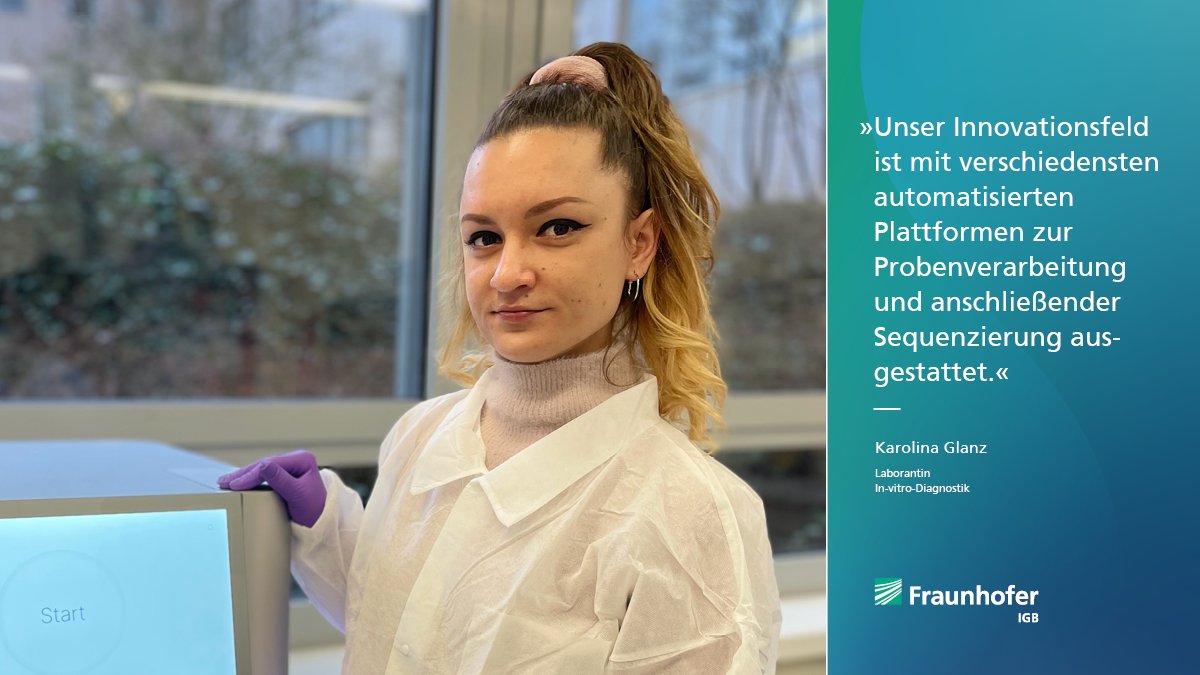
Hinter den Kulissen beim IGB: Passend zum Welttag des #Labors stellen wir heute unsere #Laborantin Karolina Glanz vor. Sie ist seit 10 Jahren im Innovationsfeld #In-vitro-Diagnostik tätig und bearbeitet sowohl interne als auch externe Projekte. #womeninscience@FunGenS
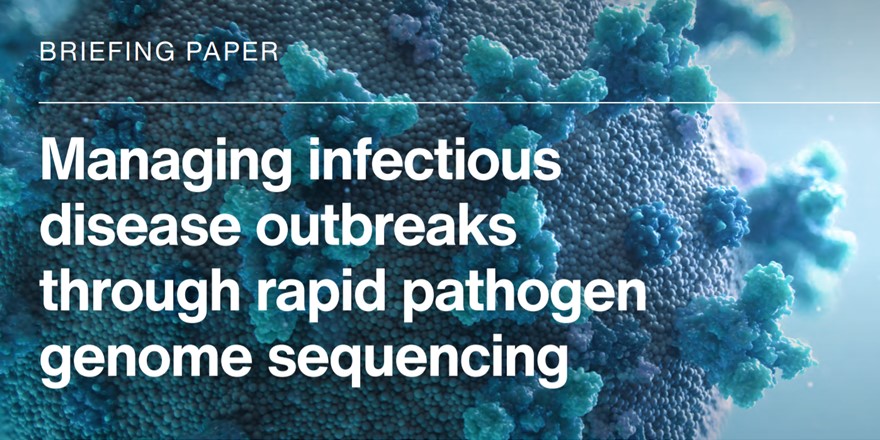
The genomic epidemiology briefing paper describes when, where, & how genomic epidemiology can offer critical insights for managing infectious diseases, from rapid recognition & containment to detection of novel variants. Find out more: https://t.co/m5j0pvTTXq
Im institutsübergreifenden #Biointelligenz-Blog des Fraunhofer IPA schreibt IGB-Wissenschaftlerin Vanessa Wegat über die Herstellung von optimierten Enzymen mithilfe von Robotern. https://t.co/xcQUHmyEg1
A message from Dr Osuchowski to invite you to read a review just published in EBioMedicine: "Bridging animal and clinical research during SARS-CoV-2 pandemic: A new-old challenge"
@LBG_research@lbitrauma @egis_sepsis @The_EARA
Read this review here: https://t.co/B7iceR766f
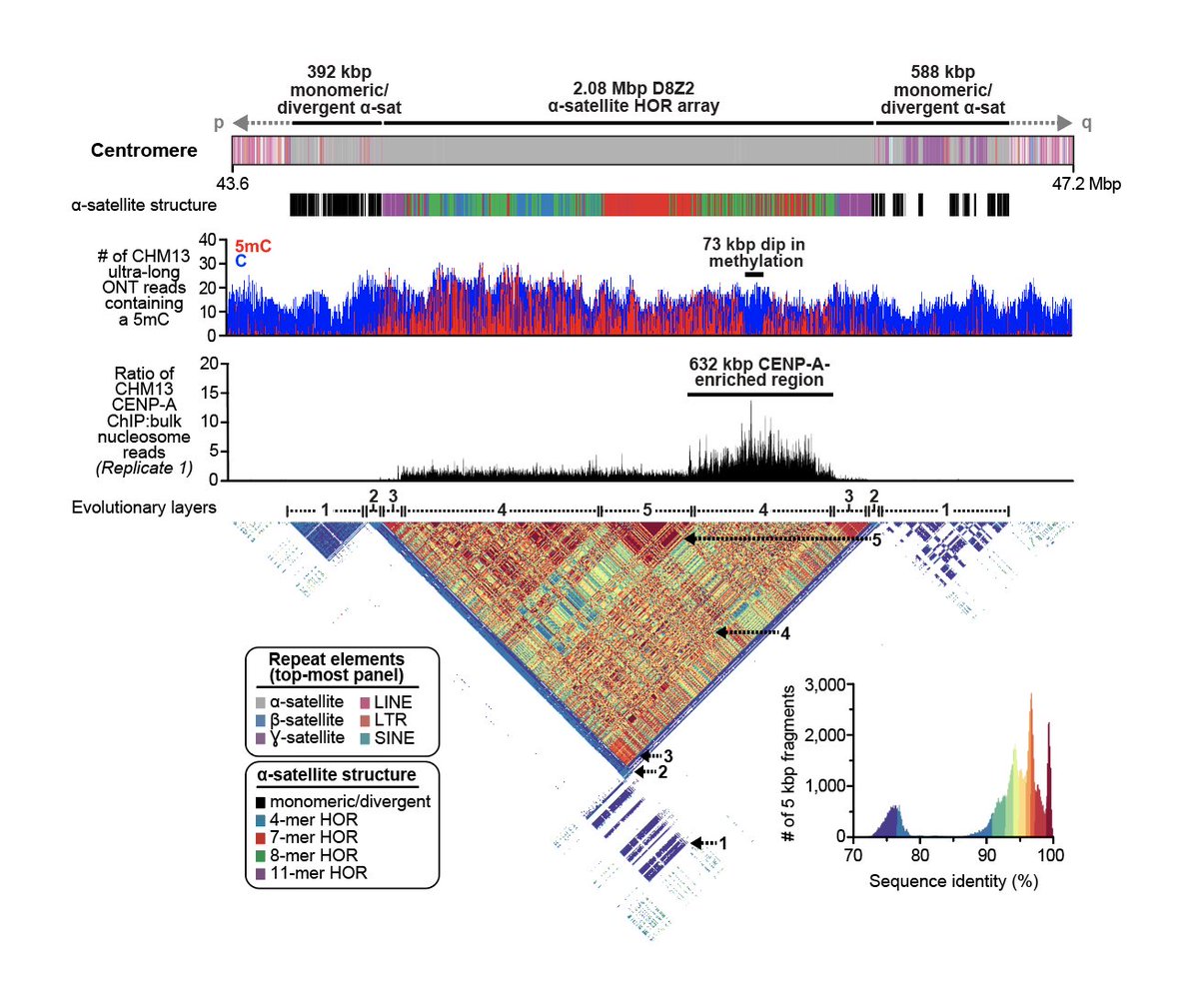
Excited to announce the *first* complete, telomere-to-telomere sequence of a human autosome, chromosome 8, now out in @nature! We resolved 5 major gaps in the chromosome and charted the evolution of its centromere over the last 25 million years. https://t.co/anaT7IOpbM