@grahamscheper@ArmandDAngour To drench someone to the skin.When skin is submerged in water for too long, it can lead to maceration—a state of hyperhydration where the skin softens, wrinkles, and breaks down(wrenched skin)
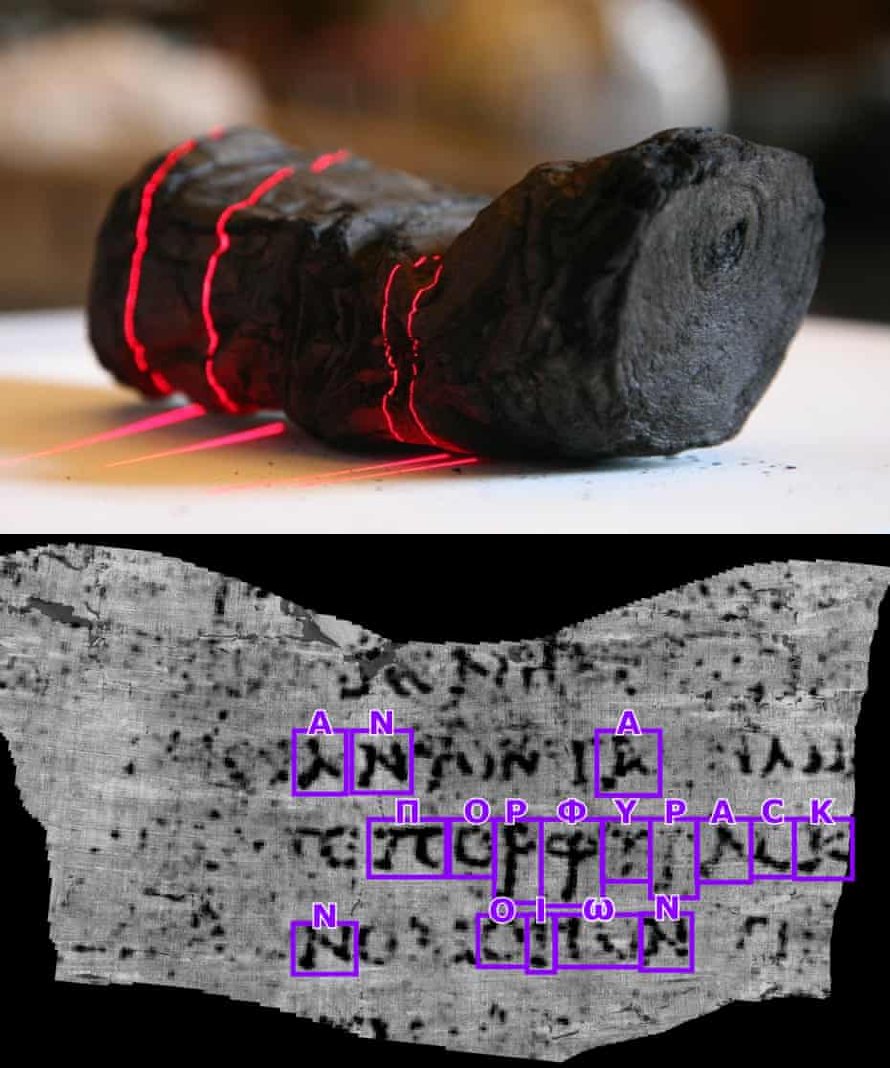
Archaeologists working at the ancient city of Oxyrhynchus in Egypt have unearthed a mummy with a passage from Homer’s “Iliad” stuck to its abdomen, in a first-of-its-kind discovery. https://t.co/2ARrFvC9ug
Απαγχόνισαν τον Ευαγόρα Παλληκαρίδη και η φυλακή σείστηκε διότι οι κρατούμενοι όλοι μαζί έψελναν το Χριστός Ανέστη! ΑΝΑΤΡΙΧΙΑΣΤΙΚΗ ζωντανή μαρτυρία. Αθάνατος!!!
@turarchaeonews@PIELexicon Pot burials, known as enchytrismos, were extremely common in the Greek world and the primary practice for the burial of fetuses, babies and small children.
https://t.co/DAm6Tdjo99
🇨🇾 68 χρόνια πριν...
...θα πάρω μιαν ανηφοριά, θα πάρω μονοπάτια
να βρω τα σκαλοπάτια που παν στη λευτεριά....
Ζήτω η Κύπρος μας κι όσοι έδωσαν τη ζωή τους για τη Λευτεριά!
@andrewidy@FreshSummerWind Ώρα καλή ” is the expression
Ώρα καλή τζι ώρα χρυσή τζι ώρα ευλο(γ)ημένη …however “ώρες καλές”is also a greeting beyond the wedding invitation , possibly related to ὤρα, ἡ, akin to care, concern, heed, regard for a person or thing.
@yakabikaj Crushed carob is made into a drink in Alexandria since Faraoh times.They actually use the same word for drink and carob Syrup actually uses fruit juice (anc. greek ὀπός) after having been dehydrated and sieved (anc.greek σειρόω)
Hence the etymology of σιρόπι σειρόω+ὀπός(syrup)
Carob does make a great drink at least in Egypt.Carob kibbled is strained and filtered and traditionally consumed in Alexandria during Ramadan .Etymologically from σειρόω(strain and filter)and οπός(fruit juice) hence sherbet
σειροω+όπος
Anc.Greek ψαλτύρι,ψαλτούριν
from ψάλλω (πσάλλω) to pluck, pull, or to twitch similarly also σαντούρι, Santur, Santoor, or Pers.سنتور.
🇬🇷πανδούρι , πανδουρας (δουράς, τζουρας) also 🇬🇧banjo
All are chord instruments that are to be «twitched»to be played.