La magnitud de la tragedia del sistema sanitario es que se colapsa simplemente cuando los médicos dejan de hacer horas extras.
Nos han estado pidiendo “un esfuerzo más” desde 2008.
#ASCO26 GU Oncology Spotlight 🚨
🔬 Abstract 5015 | YL201 / tam-peli
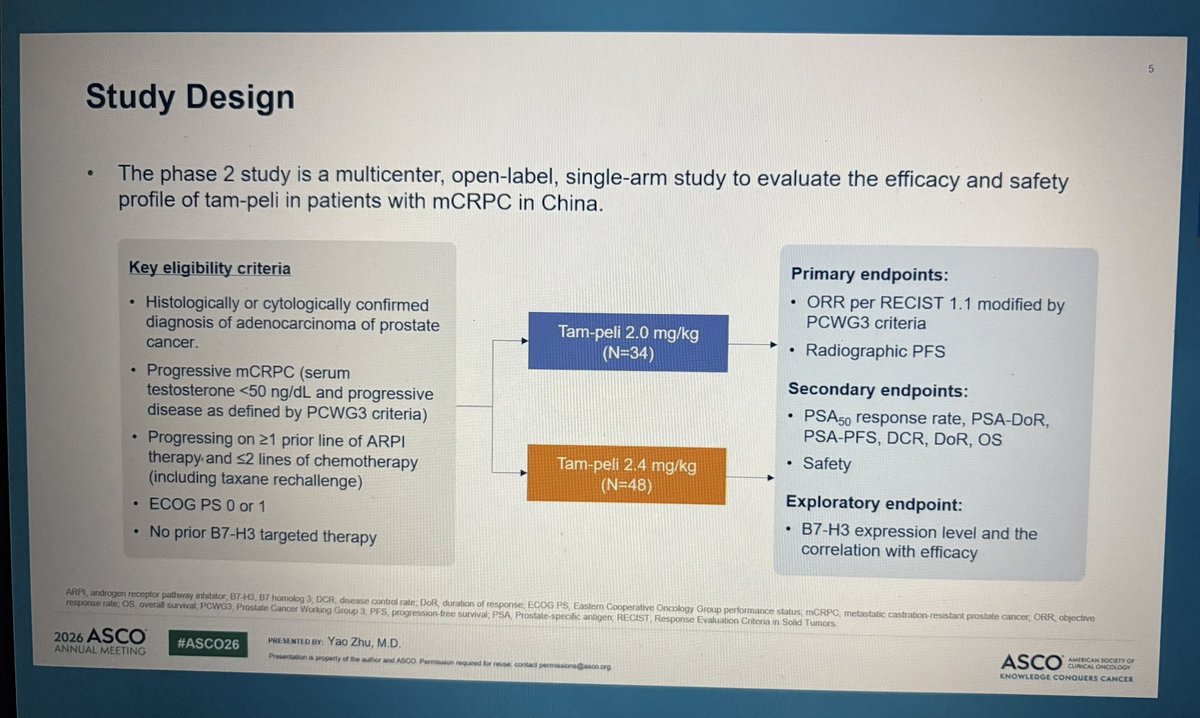
Phase 2 study of a B7-H3–targeting antibody–drug conjugate in heavily pretreated mCRPC
Presented by Dingwei Ye, MD / Yao Zhu, MD
@ASCO@OncoAlert
Another important ADC signal in prostate cancer.
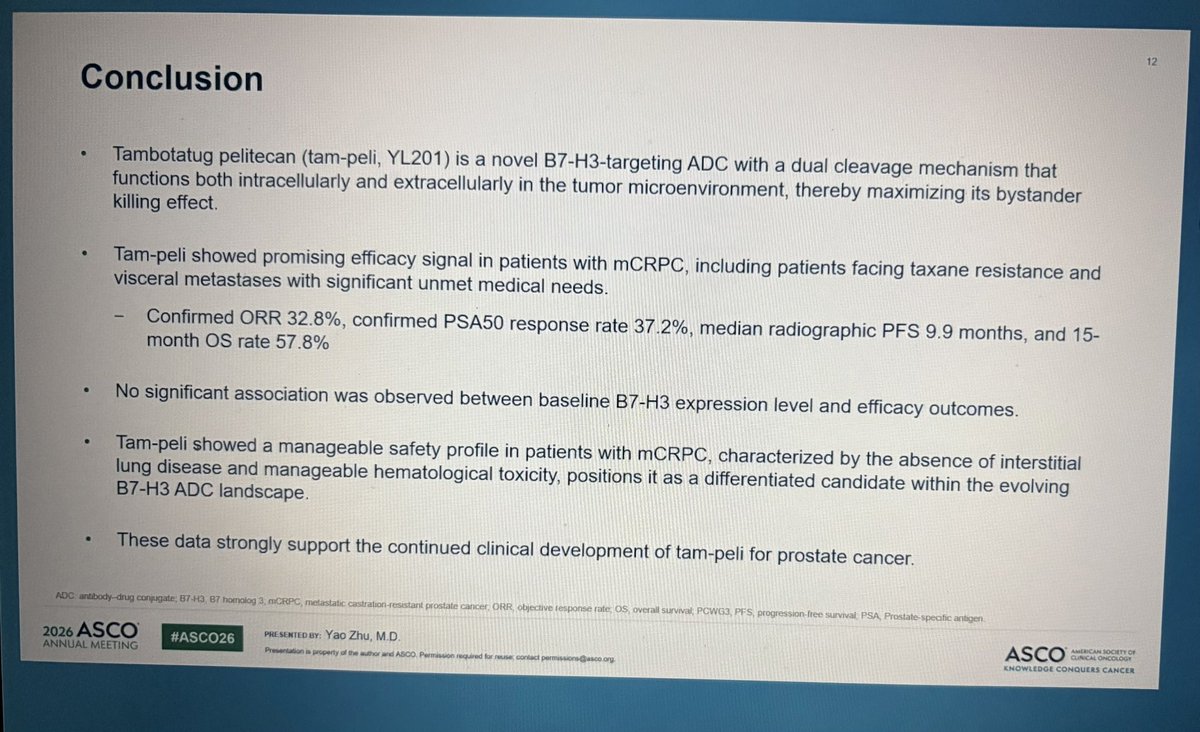
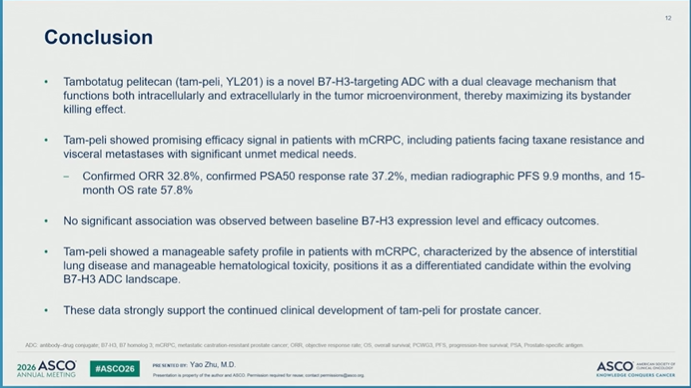
YL201, also known as tambotaug pelitecan / tam-peli, is a novel B7-H3–targeting ADC designed with a dual-cleavage mechanism that may function both intracellularly and extracellularly in the tumor microenvironment.
Why this matters:
➡️ mCRPC remains highly heterogeneous
➡️ many patients progress after ARPI + chemotherapy
➡️ ADCs may offer a new way to exploit tumor-associated targets and bystander killing
🔵 Study population
This was a heavily pretreated mCRPC cohort:
• N = 82
• median prior lines: 4
• ARPI: 100%
• taxane-based chemotherapy: ~71%
• visceral metastases: ~44%
• liver metastases: ~22%
• lung metastases: ~23%
So this was not an easy-to-treat population.
🔵 Efficacy signal
YL201 showed promising activity:
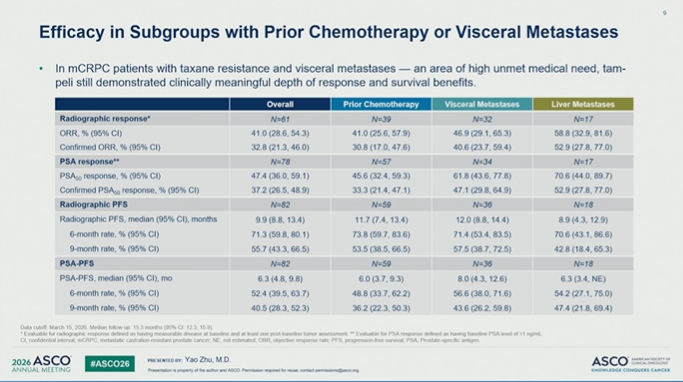
➡️ confirmed ORR: 32.8%
➡️ confirmed PSA50 response: 37.2%
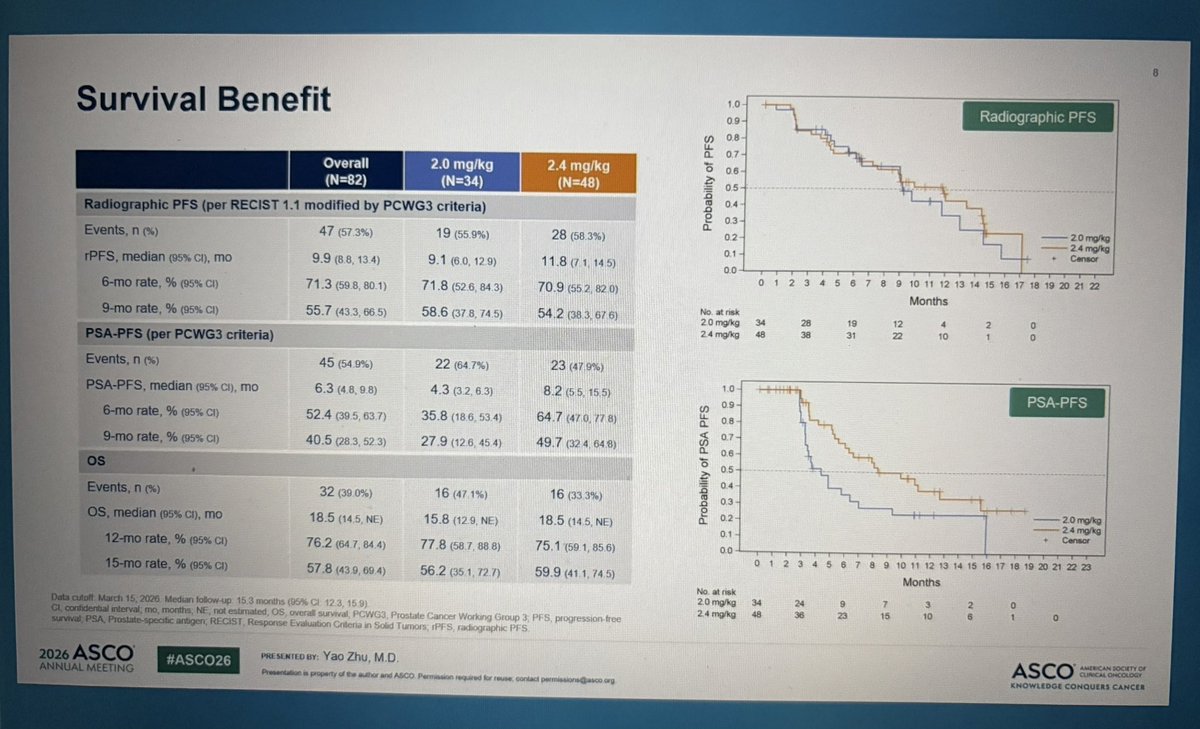
➡️ median rPFS: 9.9 months
➡️ median OS: 18.5 months
➡️ 15-month OS rate: 57.8%
Notably, activity was observed in patients with taxane resistance and visceral metastases — a clinically important unmet-need group.
🧬 Biology signal
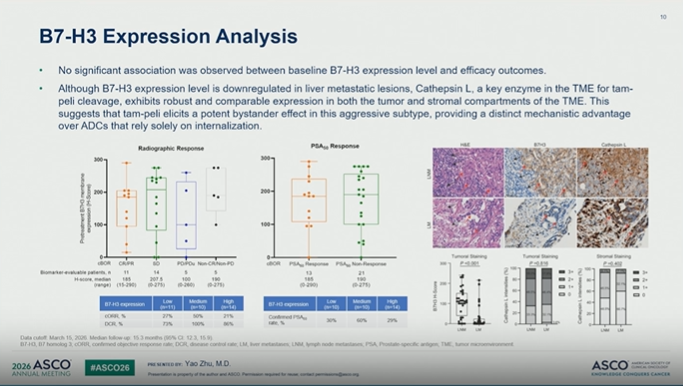
No significant association was observed between baseline B7-H3 expression level and efficacy outcomes.
That is interesting.
The presentation suggested that B7-H3 expression may be lower in liver metastases, while cathepsin L expression in the tumor microenvironment may support the dual-cleavage / bystander mechanism.
This raises a key ADC question:
Is target expression alone enough to predict benefit?
Probably not.
🔵 Safety
Tam-peli had a manageable safety profile in this phase 2 dataset.
Important differentiating point:
➡️ no interstitial lung disease signal reported
➡️ hematologic toxicity was described as manageable
That matters in an evolving ADC landscape where payload, linker, target, tissue distribution, and toxicity profile all shape clinical utility.
🔵 My take
YL201 / tam-peli is an important early ADC signal in mCRPC.
The key message is not just “another target.”
It is a broader shift:
Prostate cancer treatment is moving from ARPI/taxane/radioligand sequencing toward targeted payload delivery strategies.
But major questions remain:
➡️ Where does B7-H3 ADC fit after ARPI, taxanes, PARPi, and Lu-PSMA?
➡️ Can we identify who benefits most?
➡️ Is B7-H3 expression sufficient, or do we need better ADC biomarkers?
➡️ How durable are responses?
➡️ What is the optimal dose and toxicity-management strategy?
Promising signal.
Important biology.
Clinical role still being defined.
#ASCO26 #GUOnc #ProstateCancer #mCRPC #ADC #B7H3 #PrecisionOncology #ClinicalTrials #AntibodyDrugConjugates #Oncology
@OncLive@TargetedOnc@CancerNetwork@ASCOPost@ecancer@VJOncology@curetoday
ABBV-706 (turmetabart adizutecan) a SEZ6-ADC TOP1 inh as monotherapy and in combination with budigalimab in pts R/R-SCLC #ASCO26@LaurenByersMD. Safety mostly haematologic and GI. Another ADC with promising ORR and preliminary PFS. Now available at https://t.co/thoL8Ycmw8
Dr. Zhu PhII single-arm #YL201 (anti-B7H3 ADC) in refractory #mCRPC (median 4 prior lines) ➡️ PSA50 response 38.5%, ORR 29.5%, median DoR 9.9 mos & rPFS 9.1 mos, no correlate to B7H3 expression, G>3 TRAEs 43.9% (mostly myelosuppression), no TRAE ILD or deaths
#ASCO26@OncoAlert
Renal medullary carcinoma doesn't respond to anti-VEGF or IO. Cytotoxic chemo gets ~29% ORR. Panitumumab-based therapy in a prospective registry of 26 heavily pretreated patients: 54%. @PavlosMsaouel
📈 ORR 53.9% median PFS 5.8 months, median OS 9.5 months
👥 Median age 33.5 years; 96.2% progressed on prior platinum
Why this matters for your practice: 💡 Rare disease, young patients, typically referred after platinum failure. These data establish panitumumab-based therapy as a new systemic option in RMC.
#ASCO26 #RCC #GUonc
Superb presentation by @RWinayak mentee of the amazing @montypal
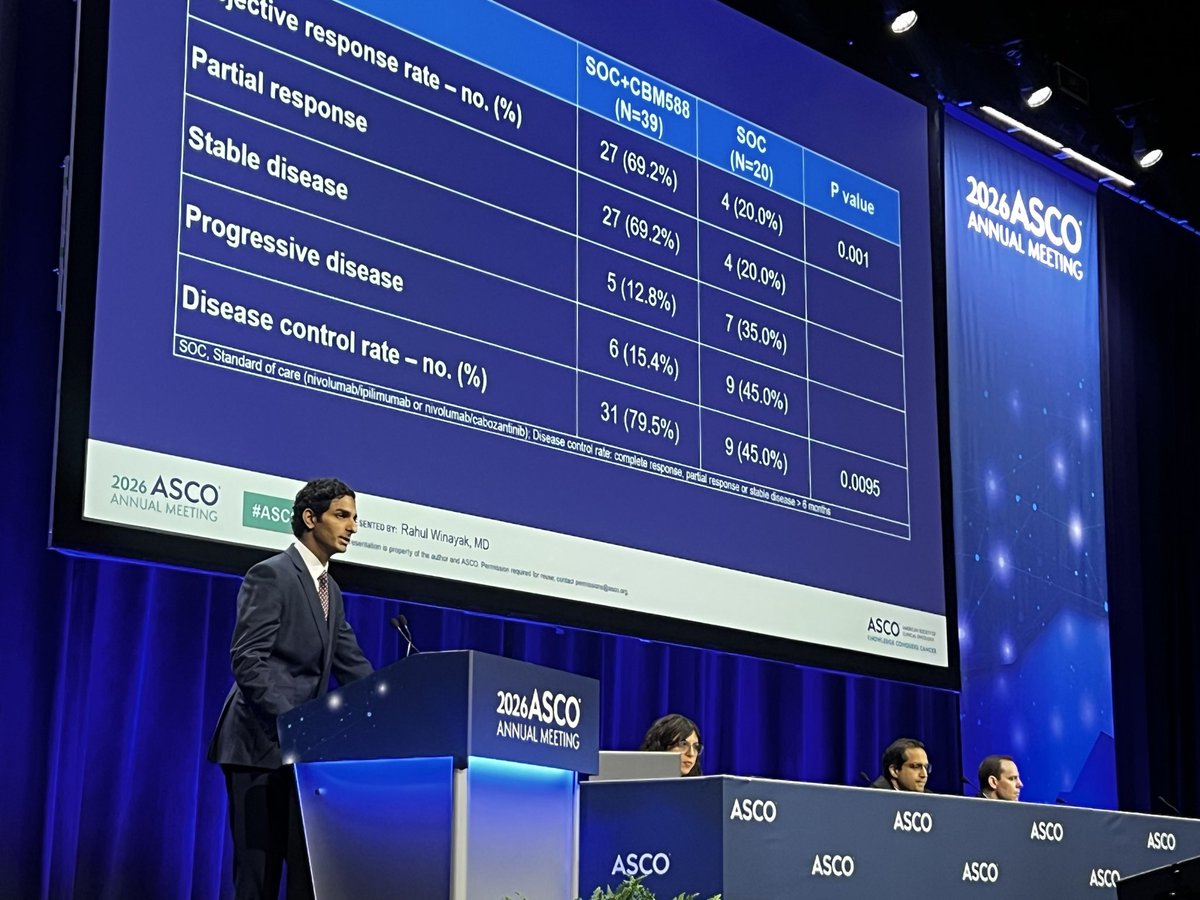
on microbial dysbiosis as predictor of benefit of microbiome CBM588 when added to ICI in RCC. #ASCO26@ASCO
Very promising clinical outcomes laying the foundation of the ph 3 BIOFRONT trial led by @PBarataMD@SWOG
Kudos to @montypal for opening the frontier of Microbiome's to enhance ICI efficacy in RCC.
💥Poster session #ASCO26
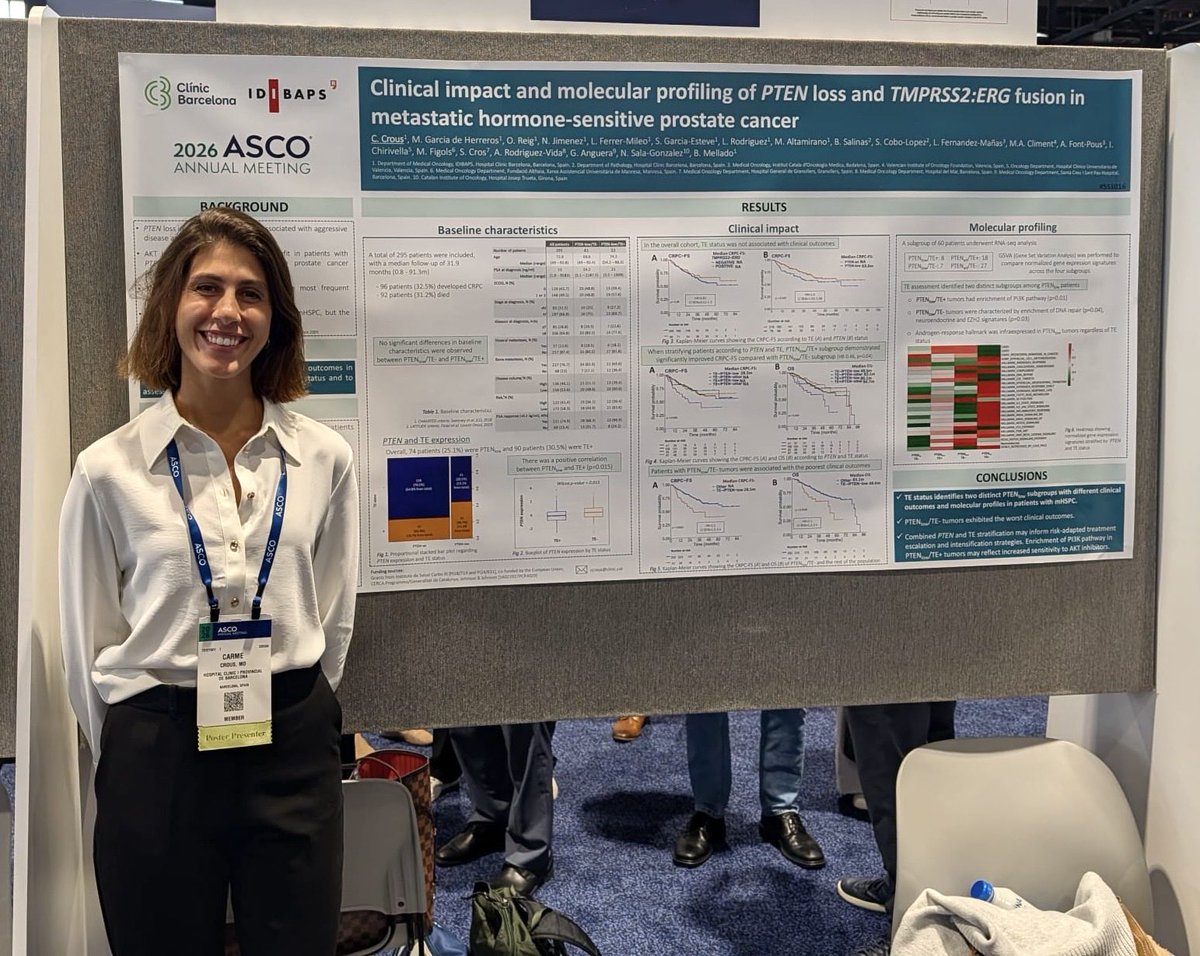
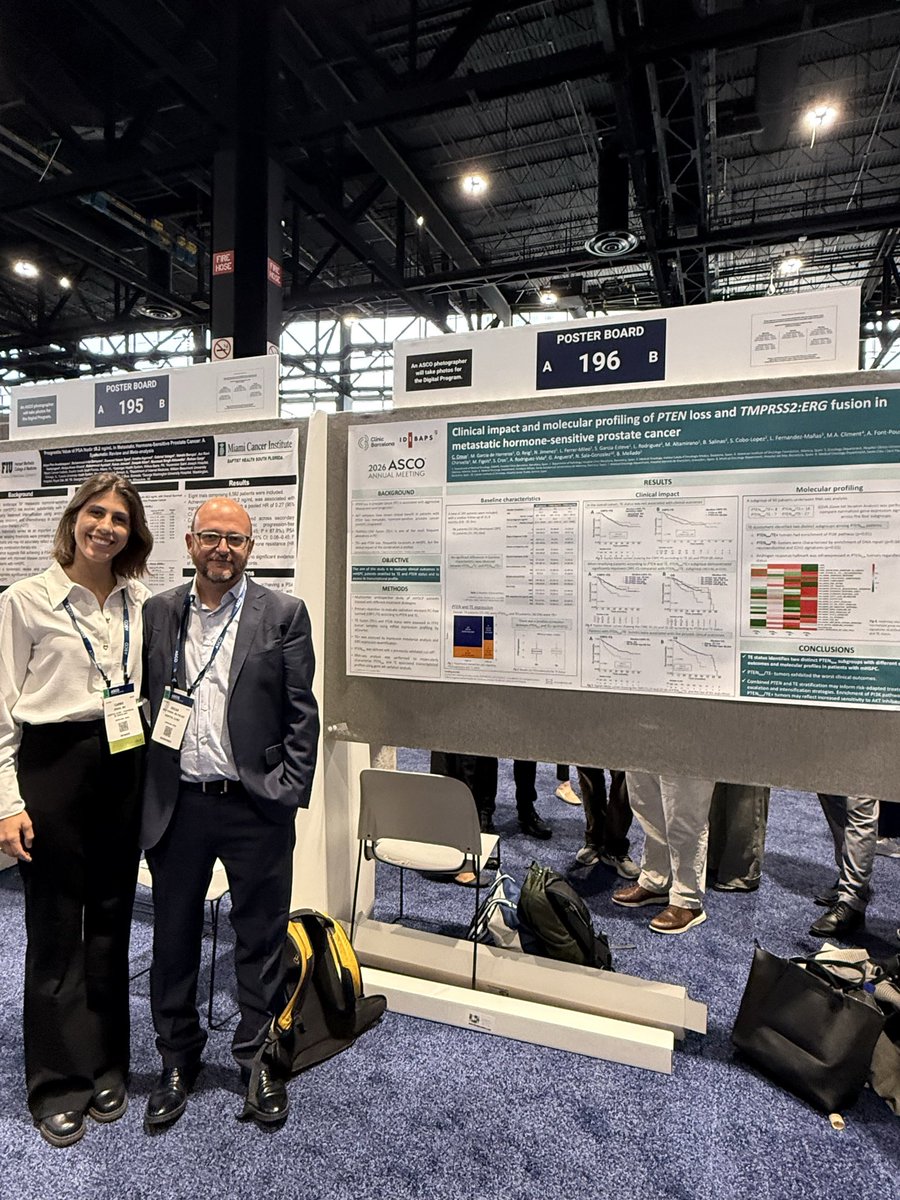
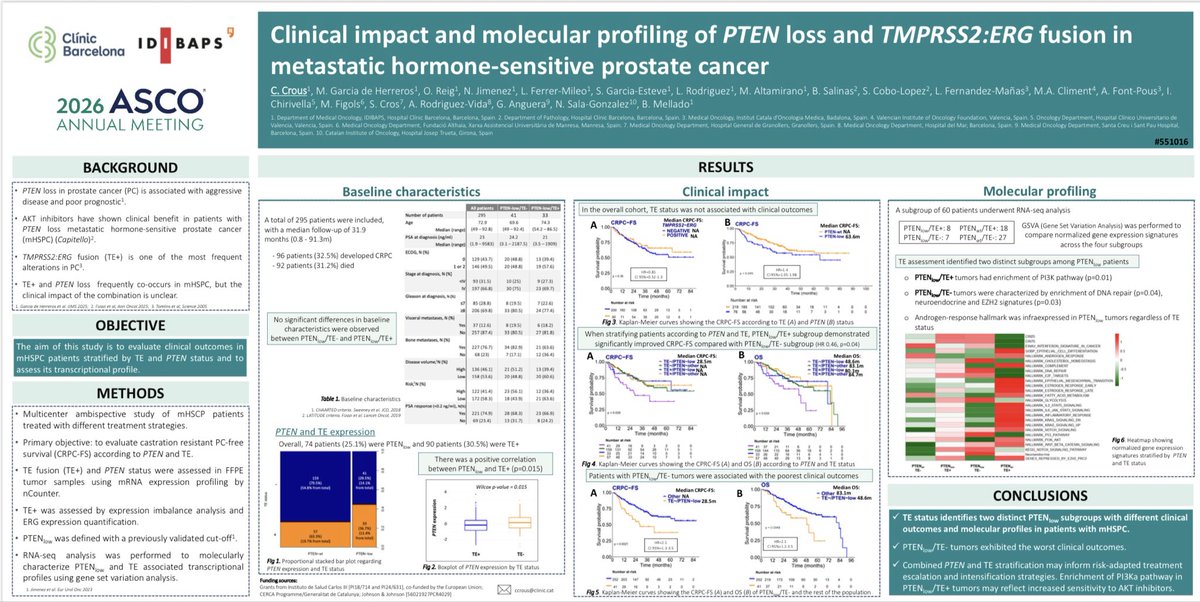
📍Clinical impact & molecular profiling of PTENloss & TMPRSS2:ERG in mHSPC
➕correlation between PTENloss & TE+
❌ PTENloss/TE- had the worst clinical outcomes
✅ Among PTENloss, TE+ presented better outcomes>TE-
🧬 PTENloss/TE+ had enrichment of PI3K
Long-term results reinforce cabozantinib + nivolumab as a reference regimen for non-clear cell RCC. Responses across most histologies, particularly FH-deficient disease (ORR 88%),mPFS 11 months,mOS 28 months after ~50m FU. Chromophobe RCC remains an unmet need @OncoAlert
Duravelo-2 reports encouraging activity of the Bicycle Drug Conjugate zelenectide pevedotin (BT8009)+pembrolizumab in 1L mUC: ORR 55–58%,CR ~27%, low discontinuation rate (3%),no severe skin reactions and no hyperglycemia. A Future alternative?? @OncoAlert
#ASCO26 In one of the largest prospective studies in advanced urinary tract adenocarcinoma, frontline GemFLP achieved an ORR of 43.5% and a median OS of 21.4 m in a population with 78% visceral metastases. Outcomes were similar between urachal and non-urachal disease
#ASCO26 GU Oncology Spotlight 🚨
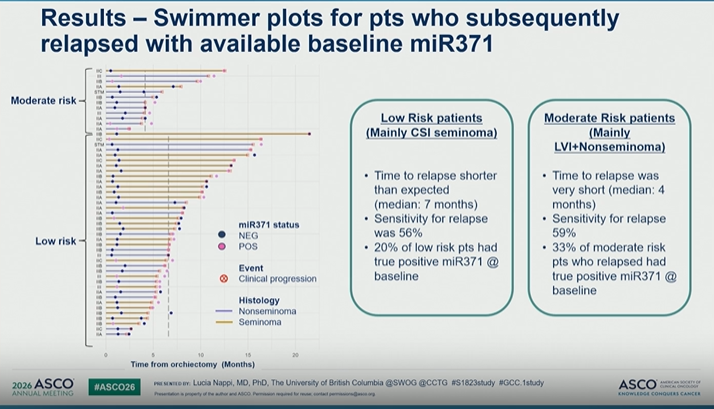
🔬 SWOG S1823 / GCC.1
miR371 in early-stage testicular germ cell tumors
Presented by Lucia Nappi, MD, PhD
@OncoAlert@ASCO@SWOG@CDNCancerTrials
In early-stage testicular cancer, active surveillance is one of the most common strategies after orchiectomy.
But surveillance still has a major clinical gap:
➡️ we rely heavily on CT scans and serum tumor markers
➡️ small-volume relapse can be hard to detect
➡️ imaging adds radiation exposure
➡️ classic serum markers have limited sensitivity
That is why miR371a-3p is such an important biomarker to study.
🟦 Clinical need
For patients with clinical stage I germ cell tumors, we need better tools to detect active germ cell malignancy earlier and more accurately.
Current standard tools have limitations:
• CT accuracy is limited for small retroperitoneal nodes
• serum tumor markers have modest sensitivity
• repeated CT imaging adds cumulative radiation exposure
🟩 Why miR371 matters
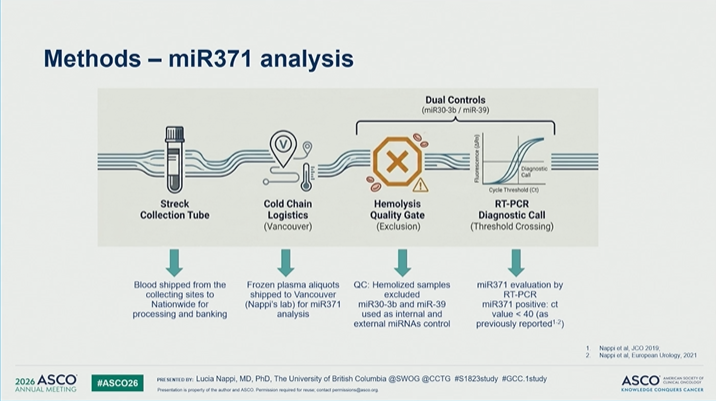
miR371 is highly specific for non-teratoma germ cell tumors and can be detected in very small plasma or serum volumes.
Retrospective studies suggested strong diagnostic performance.
But prospective validation in early-stage disease was needed.
🟨 Study design
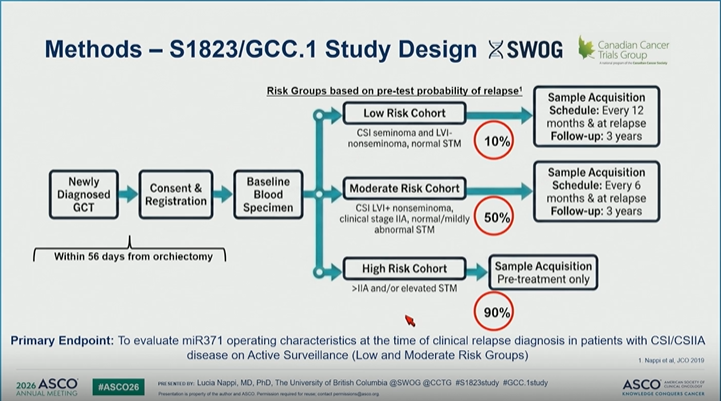
SWOG S1823 / GCC.1 enrolled newly diagnosed germ cell tumor patients after orchiectomy.
Patients were assigned by relapse risk:
• low-risk cohort
• moderate-risk cohort
• high-risk cohort
Blood samples were collected at baseline and during follow-up.
Primary endpoint:
➡️ evaluate miR371 operating characteristics at the time of clinical relapse diagnosis in patients on active surveillance.
🟥 First key result
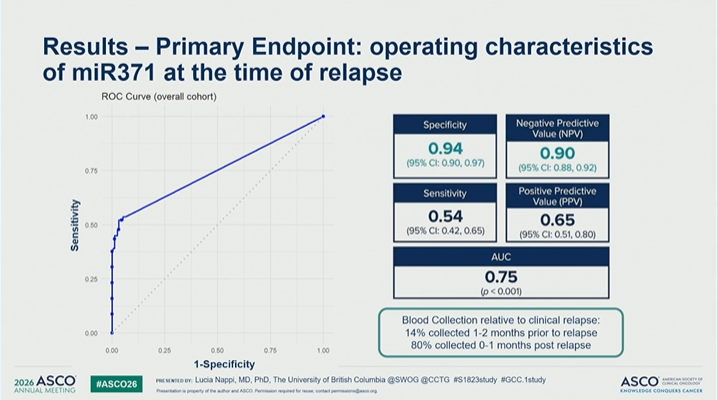
In the interim analyzable cohort:
• specificity: 94%
• negative predictive value: 90%
• sensitivity: 54%
• positive predictive value: 65%
• AUC: 0.75
So the signal is nuanced:
✅ high specificity
✅ reassuring NPV
⚠️ sensitivity was modest overall
🧬 Important early interpretation
miR371 appears better at “ruling in” active disease than detecting every relapse.
And sensitivity increased with higher-stage relapse.
That distinction matters clinically.
#ASCO26 #GUOnc #TesticularCancer #GermCellTumor #miR371 #Biomarkers #PrecisionOncology
#ASCO26 GU Oncology Spotlight 🚨
🔬 Abstract 5005 | ARACOG / AFT-47
Cognitive effects of darolutamide vs enzalutamide
Presented by Alicia K. Morgans, MD, MPH, FASCO
@CaPsurvivorship@OncoAlert@ASCO
In prostate cancer, we often discuss AR pathway inhibitors through the lens of:
• efficacy
• survival
• disease control
• sequencing
But for many patients, another question is just as important:
➡️ How will this treatment affect how I think, function, and live day to day?
That is why ARACOG is clinically relevant.
🟦 Study design
ARACOG / AFT-47 was a randomized phase II study evaluating cognitive function in patients treated with:
• darolutamide
vs
• enzalutamide
Population included patients with prostate cancer across disease states:
• mHSPC
• mCRPC
• nmCRPC
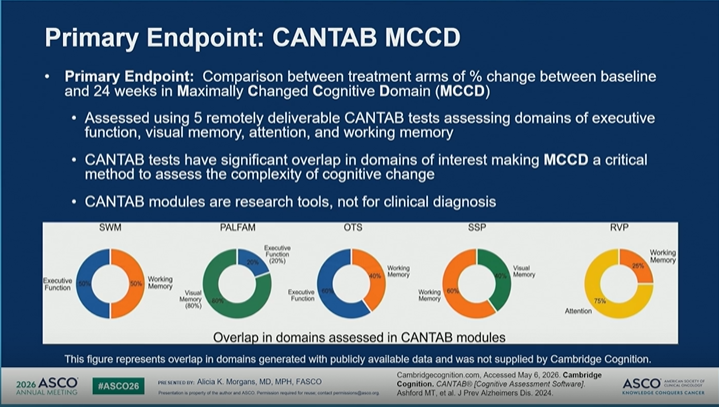
Cognitive outcomes were assessed using remotely deliverable CANTAB modules, evaluating domains such as:
🔹 executive function
🔹 visual memory
🔹 attention
🔹 working memory
🟩 Why this endpoint matters
The primary endpoint was change from baseline to 24 weeks in the maximally changed cognitive domain.
This is important because cognitive change can be subtle.
And in repeated cognitive testing, patients with stable cognition may show a “learning effect” — meaning scores can improve simply because they become familiar with the test.
So stable or declining scores over time may signal a real issue.
🟨 Key cognitive signal
At 24 weeks, darolutamide-treated patients showed increased median test scores across several domains, consistent with a learning effect and stable function.
Enzalutamide-treated patients had stable to decreased median scores, suggesting potential cognitive decline.
Several CANTAB module differences favored darolutamide at 24 weeks.
🟧 Crossover tells a story
Crossover criteria included:
• ≥30% decline in any CANTAB module
• ≥10-point decline in FACT-Cog
• fall or increased fall risk
• ≥ grade 2 neurologic toxicity
Observed crossovers:
➡️ Enzalutamide → darolutamide: 30 patients
➡️ Darolutamide → enzalutamide: 0 patients
That asymmetry is clinically meaningful.
🟥 My take
This study reminds us that ARPI selection is not only about tumor control.
It is also about:
✓ cognition
✓ falls
✓ neurologic toxicity
✓ daily function
✓ treatment adherence
✓ quality of life
✓ patient preference
For a patient who is older, frail, cognitively vulnerable, working, caregiving, or worried about concentration and memory, these data matter.
The key message:
In prostate cancer, living longer is essential — but preserving cognition and function should be part of the treatment conversation.
#ASCO26 #GUOnc #ProstateCancer #ARPI #Darolutamide #Enzalutamide #Cognition #QualityOfLife #PatientCenteredCare
JUST In: TALAPRO-3 published in @NEJM
Adding #talazoparib to enzalutamide/ADT
=>3-year rPFS: 77% vs 56% in HRR-deficient metastatic prostate cancer !
Looking forward to full presentation by @neerajaiims who keeps changing SOC, one trial at a time.
@ASCO#ASCO26@OncoAlert
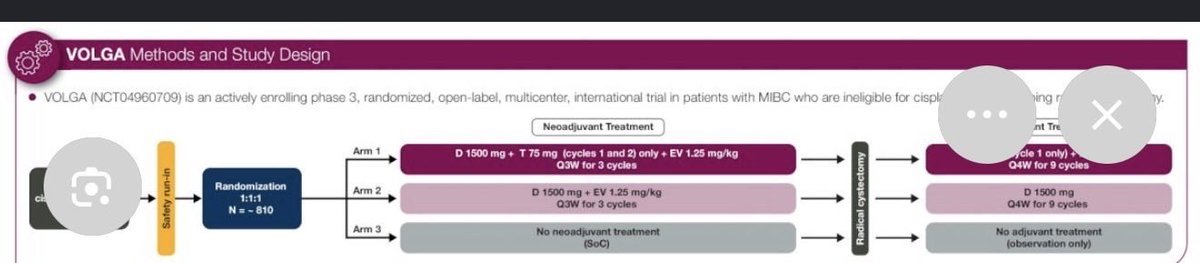
Perioperative durvalumab (12 months) with neoadjuvant EV (3 cycles) shows ‘statistically significant and clinically meaningful’ improved EFS and OS vs cystectomy alone in MIBC (like KN905 (EVP cs cystectomy)). The shorter period of EV is the major difference in trial designs. Details of efficacy and toxicity will be important. The 3rd arm, where tremelimumab was added as a triplet, did not hit OS at this stage. https://t.co/p0iGvSDxs6 @OncoAlert