The same meal can raise blood sugar very differently depending on the order you eat it. In a crossover trial of 33 young women wearing continuous glucose monitors, eating vegetables, then protein, then carbohydrate lowered the early rise, the peak, and the overall swing compared with carbohydrate first. An earlier crossover trial in 18 healthy adults found about 41% less glucose exposure and about 32% less insulin exposure over two hours when vegetables and protein came first, with the same foods and calories. These were small, short-term studies in healthy adults, not proof of weight loss or diabetes prevention.
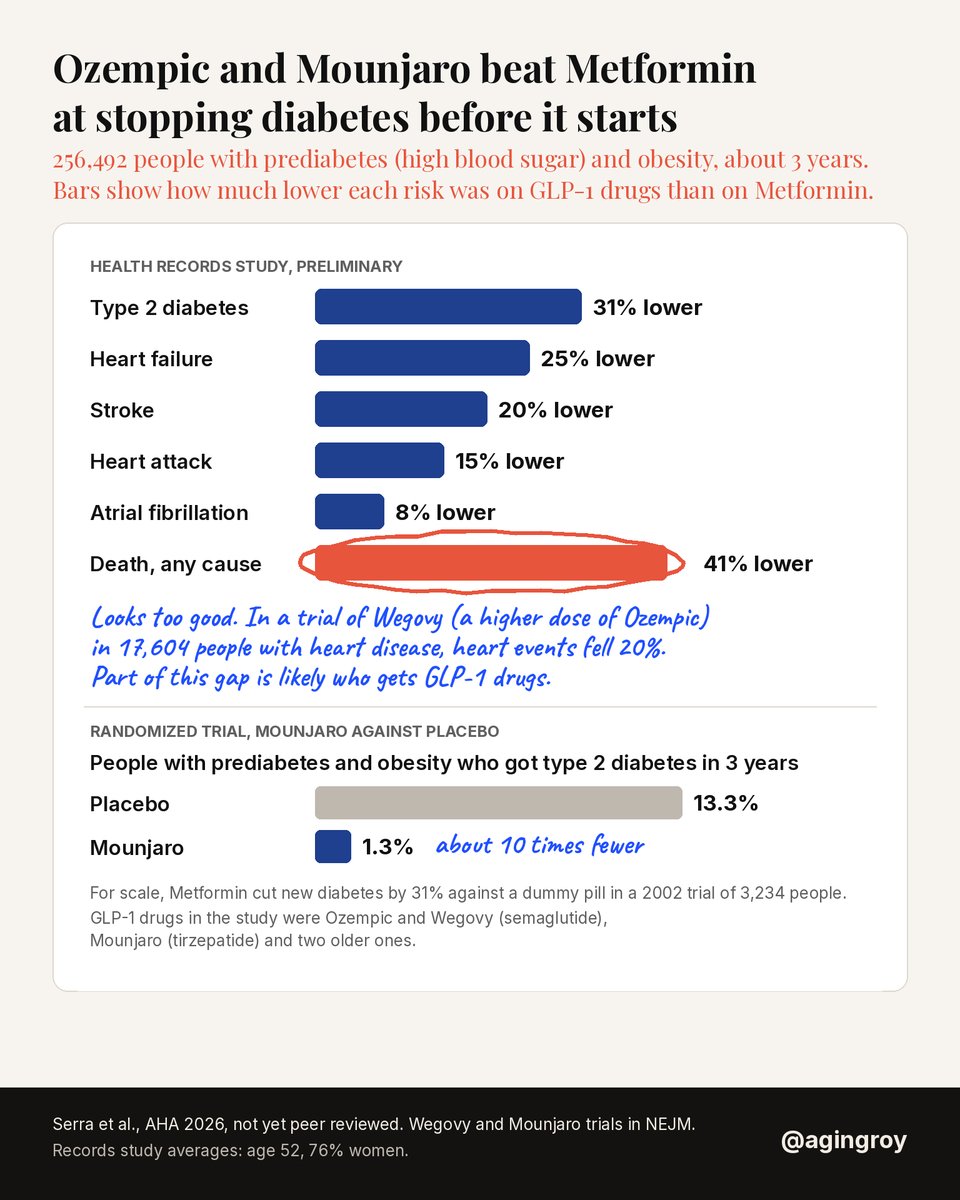
Ozempic and Mounjaro beat Metformin at preventing prediabetes from progressing to diabetes, and they also seem to protect the heart.
In health records from 256,492 people with prediabetes and obesity, people prescribed a GLP-1 drug had 31% less type 2 diabetes over about 3 years than those prescribed Metformin, along with 15% fewer heart attacks and 20% fewer strokes.
Metformin still has solid evidence behind it. In 2002, it cut new diabetes by 31% compared with a placebo.
The death number is the one to treat carefully. Deaths were 41% lower here, but Wegovy, a higher dose of Ozempic, cut heart events by 20% in a trial of 17,604 people. That gap probably reflects who gets these drugs, not a clean head-to-head result.
The diabetes finding is backed by trial data. Over 3 years on Mounjaro, 1.3% of people with prediabetes developed diabetes, versus 13.3% on placebo.
Bottom line: if your blood sugar is creeping up, ask your doctor whether a GLP-1 drug or Metformin makes sense for you.
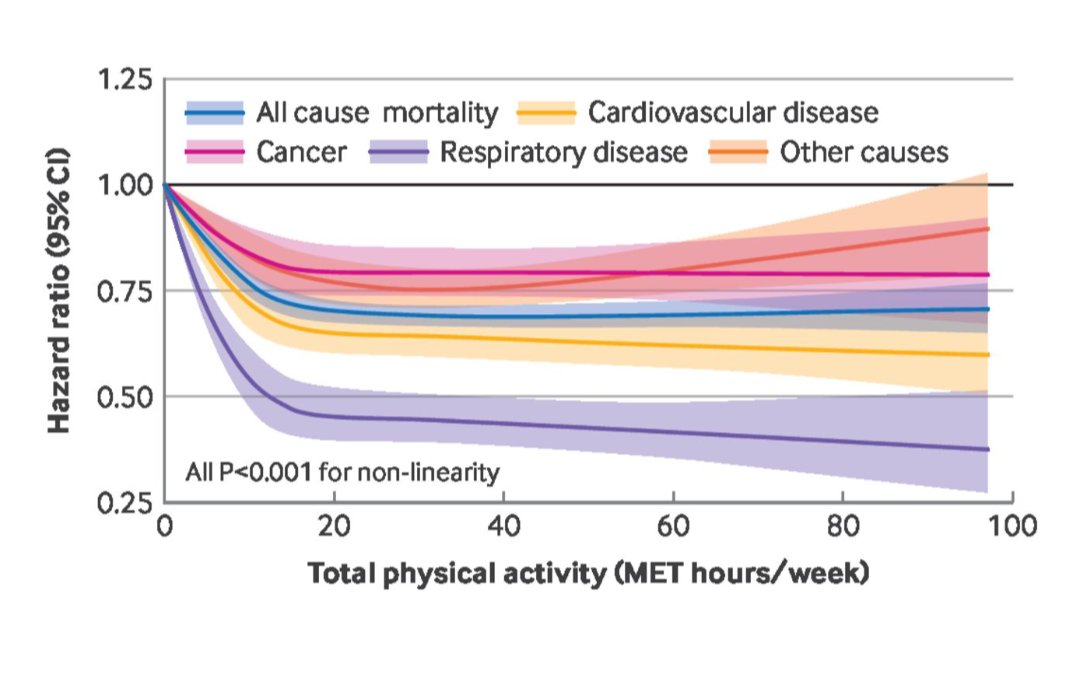
Want to live a long time?
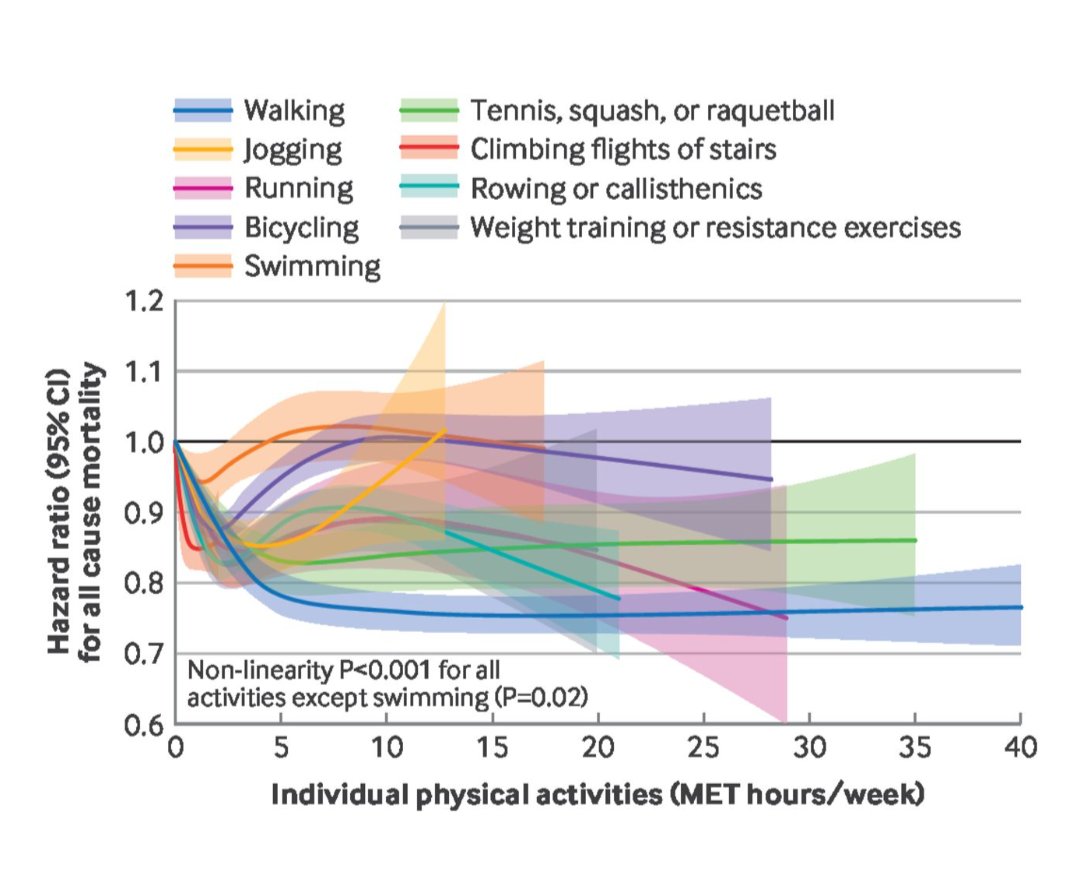
Be a multi sport athlete! 🏊🚴🏃🚶🏋️
Those with the highest amount of exercise variety had 19% lower all-cause mortality.
And make sure a good chunk of that volume is plain ol' walking! 🚶
https://t.co/cpvkI8zJQu
As an exercise scientist, you’ll probably be surprised to hear I think we focus too much on the long-term benefits of exercise.
Not because improving your fitness, strength, muscle mass, or reducing your risk of chronic disease isn’t important - but because these benefits alone might not provide enough incentive for people to act on what they already know is good for them.
When you think about it, many of the benefits usually associated with exercise can take months, years, or decades to achieve, and some can be hard to appreciate personally (what does a 20% reduction in the risk of X chronic disease actually mean?).
And when the short-term costs of exercise (time, effort, fatigue) are so immediate and obvious, it’s easy to see why the distant and often abstract benefits struggle to compete.
Which is why I think we should pay more attention to what exercise can do for us today - and this great new review by James Fisher PhD helps us do exactly that.
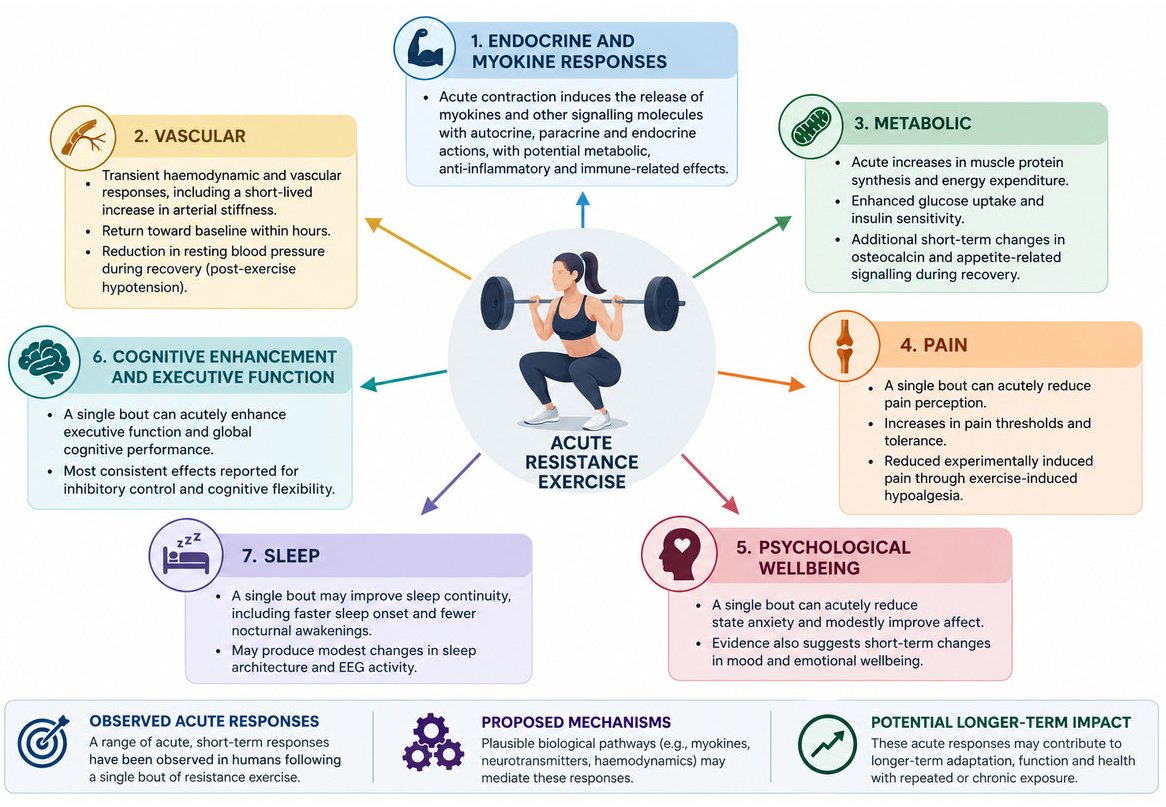
It summarised the many benefits of just a single resistance training session, including:
🙂 Mood and anxiety: Reduced feelings of anxiety, sometimes within minutes of finishing.
🧠 Brain function: Improvements in certain aspects of cognitive performance.
🩸 Blood glucose: Increased glucose uptake by muscles and changes in glucose regulation that can persist into the following day.
🩺 Blood pressure: Temporary reductions in resting blood pressure during recovery.
What’s striking is the sheer range of responses triggered by just a single workout - which is of course well before any large changes in strength or muscle mass may be evident.
Some of these may be more noticeable (like changes in mood) but others occur behind the scences (such as blood pressure or glucose impacts).
But the important thing is they might just provide you with another reason to take action today. And the more reasons you have to value exercise might just keep you coming back for the longer-term benefits anyway.
-----
📸 Insights and image from:
Fisher JP. Beyond the pump: a narrative review of the acute molecular, metabolic, and neuropsychological responses to a bout of resistance exercise. PeerJ. 2026 Oct 16;14:e21827. doi: 10.7717/peerj.21827.
MASH cirrhosis is NOT an irreversible disease.
Paired liver biopsies showed cirrhosis regression in 40% of patients after bariatric surgery.
Published today in @AnnalsofSurgery
https://t.co/hndoRSzIDq #TLM26
Nice article and history @MatveyTsivian Cutaneous U is a nice option in some and underutilized. Have used in patients w crohns, extensive prior small bowel surgery, or very frail. Single stoma is nice, can Wallace at skin or do a wide TUU. Works especially well if patient skinny +\- hydro @RyanWerntzMD@patelsg1@SBoorjian
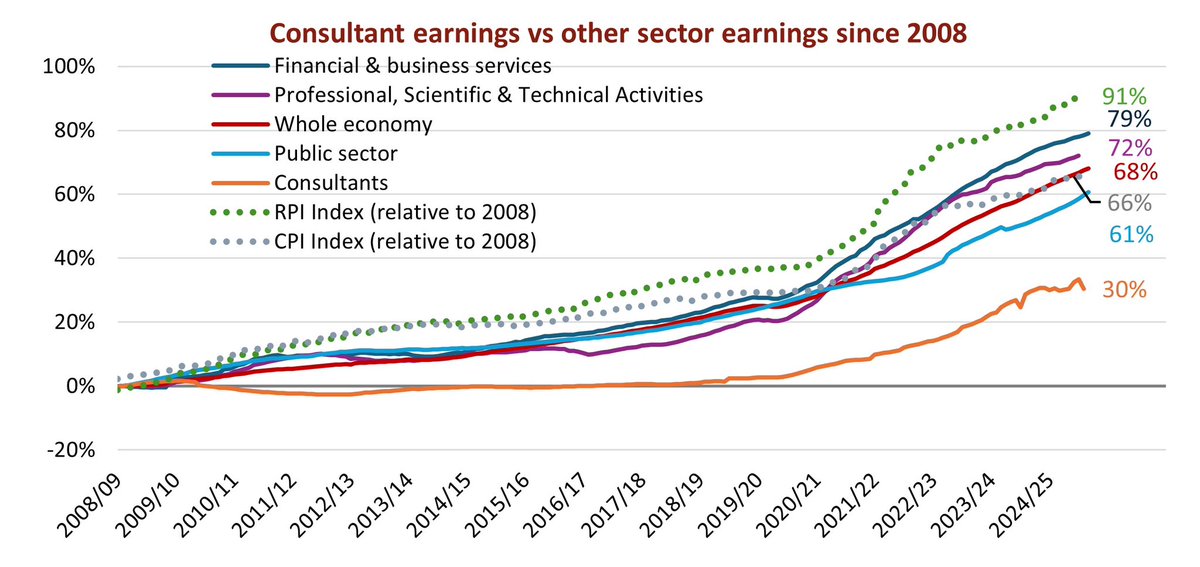
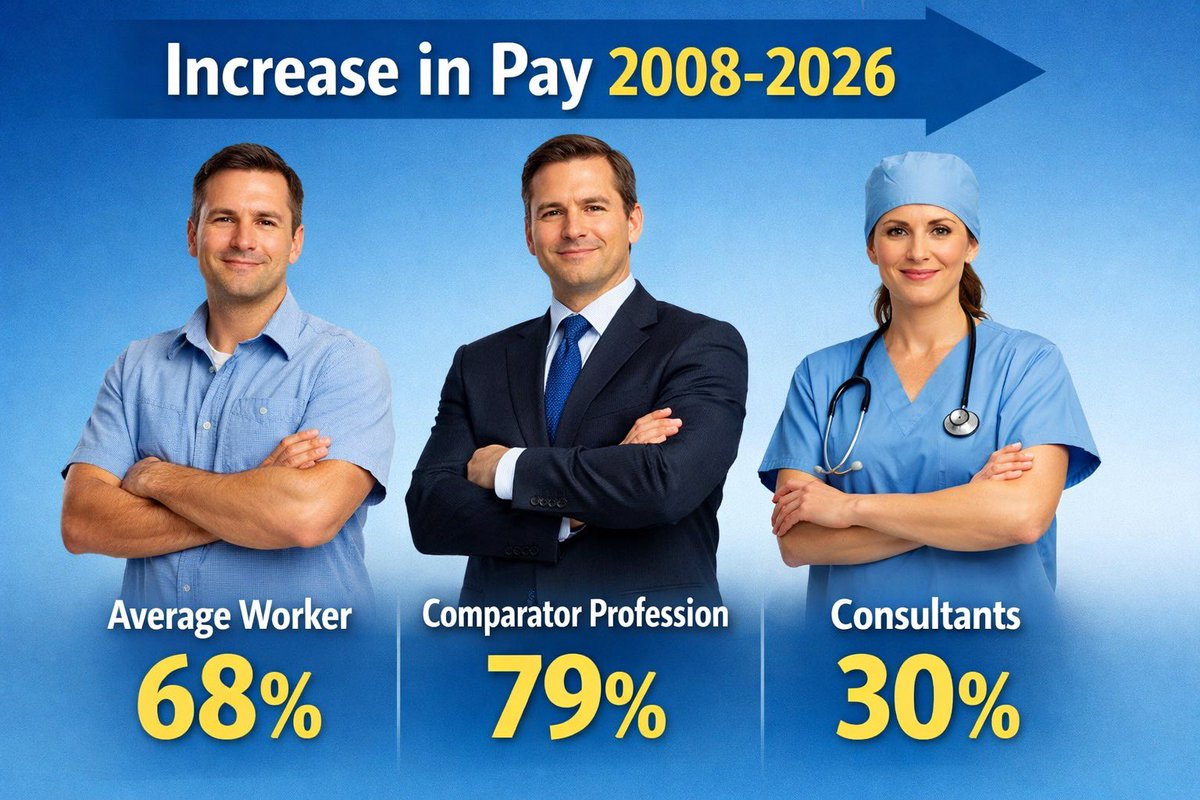
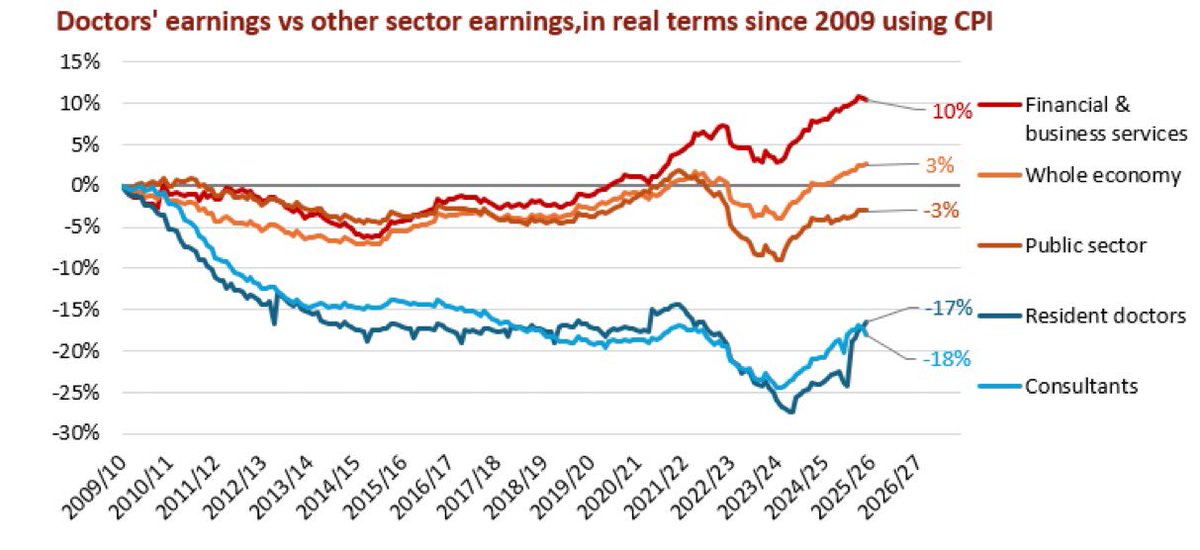
It’s simple, treat hospital doctors fairly, we work for a monopoly employer. Since 2008 average workers pay up 68%, consultants only 30%. Our comparator professions up 79%. We’re effectively working for more than a quarter of the year for free compared to 2008.
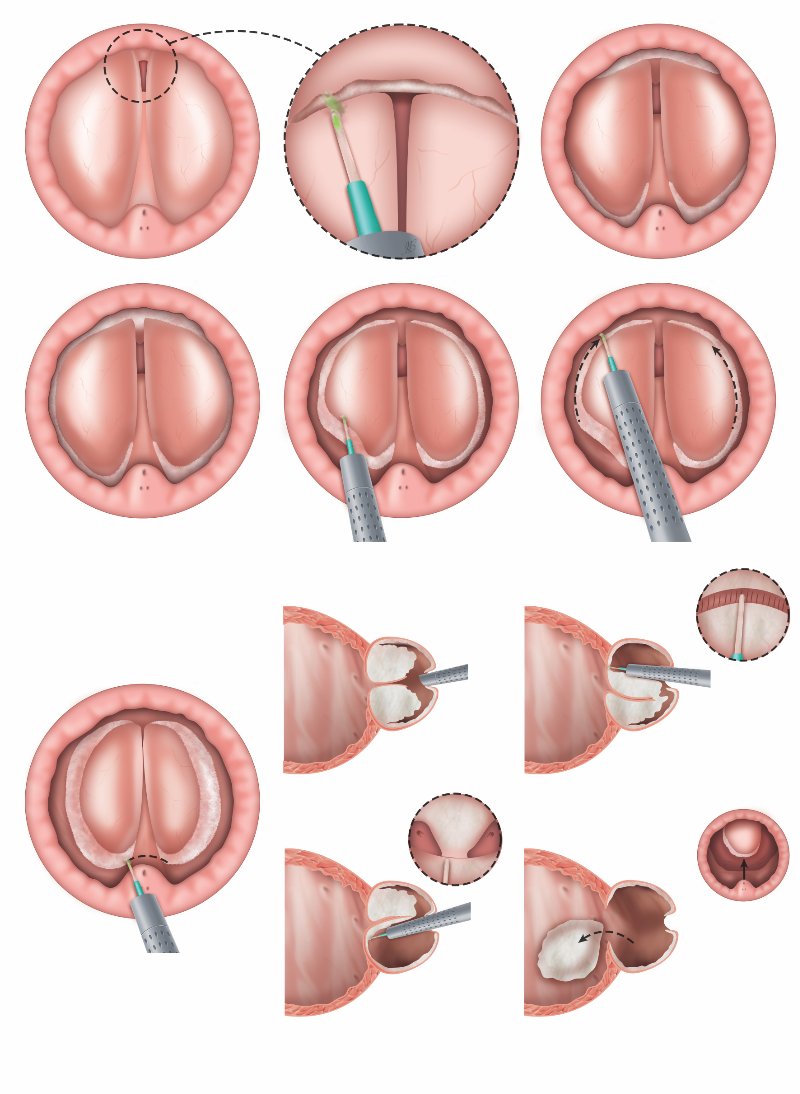
This meta-analysis confirms what the technique promised: early apical release halves the risk of early SUI after HoLEP (RR 0.47 at 4–6 weeks, 0.44 at 3–4 months) across 2821 patients.
https://t.co/Ju84D4a4l4
Among the big news from #ESMO2026: PROTEUS companion RCT (not a substudy ¯\_(ツ)_/¯ ) comparing neoadj apa/ADT to RP alone. Impressive early results, should put to rest at least some of the objections to PROTEUS main paper.
A commonly found gut microbe manufactures a molecule that is capable of slashing cholesterol levels and shrinking plaque in arteries
https://t.co/w1ma5Cxiob
Thank you for your YouTube presentation @NicholasZaorsky .
However, your talk provides incomplete information about the PACE-A study, both regarding efficacy and toxicity of SBRT vs RP.
To help readers get more clarify information.
PACE-A was originally designed as a non-inferiority trial to demonstrate oncological efficacy, the BCF, of SBRT vs RP.
But, in fact, PACE-A changed its primary endpoint from BCF to patient report functional outcome and not follow the non-inferiority design anymore.
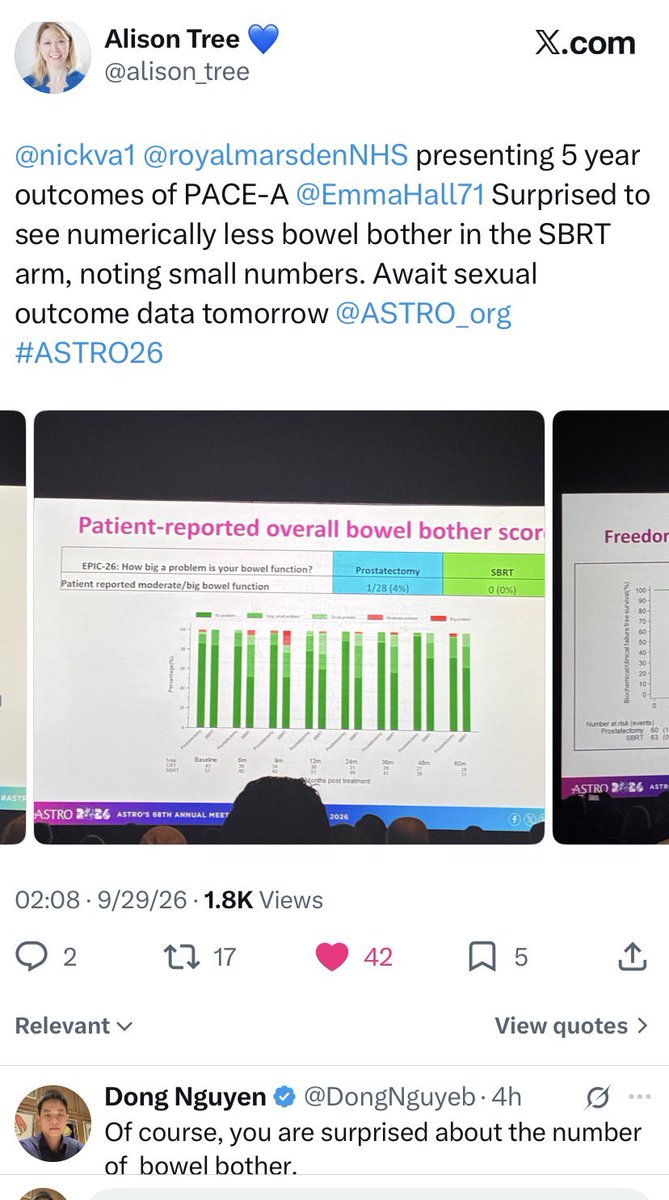
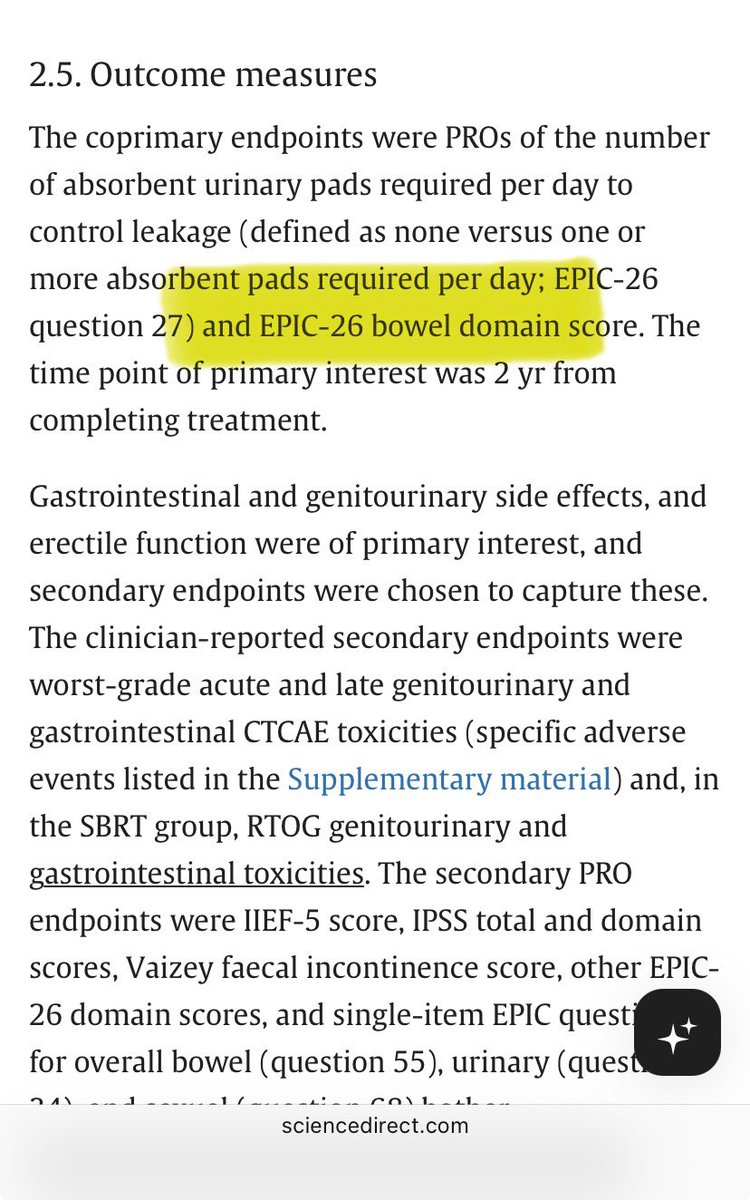
So, the new primary endpoint is a co-primary PRO: number of pads >= 1 per day (one of these questions about urinary function in EPIC-26) and bowel EPIC score.
The reason stated in the protocol was that accrual was too slow, making it no longer feasible to demonstrate non-inferiority in disease control.
However, even after changing the primary outcome and reducing the sample size for the PRO, the new sample size target was still not met. (Enroll: 123 , target: 234)
The oncology efficacy, BCF endpoint is now a secondary outcome; although median follow-up was 8 years, it must be emphasized that the sample size is rather small and the number of events is low (13 events).
Therefore, the fact that BCF did not reach statistical significance in this study cannot be used to conclude that SBRT and RP are "basically, it's the same," as you claimed in your video.
@nickva1 , @alison_tree
If you want to use your PACE-A study to counsel patients, then you must state clearly and honestly that this is a study with a small sample size that failed to meet its accrual target, even after you were changing the primary endpoint at mid-study from an oncological assessment (biochemical recurrence) to a patient-reported functional outcome, which is prone to bias from self-reporting.
In addition to failing to meet the sample size target, the questionnaire response rate was low and the amount of missing information reached ~ 50% in each arm.
Therefore, any estimates drawn from it are entirely uncertain.
Furthermore, we object to your use of the conference #ASTRO to disseminate misleading information: replacing the co- primary endpoint of bowel function assessment by EPIC-26 bowel domain score which was unfavorable to SBRT to patient-reported moderate/big bowel function, thereby making the results appear nearly balanced between RP vs SBRT.