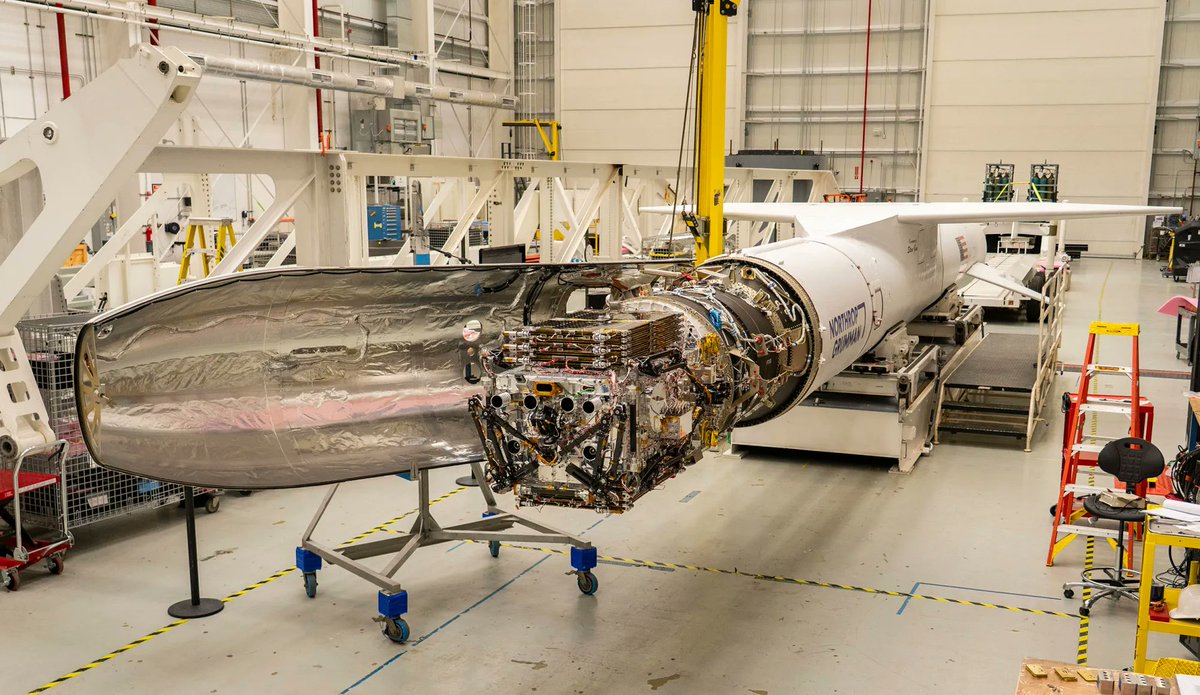
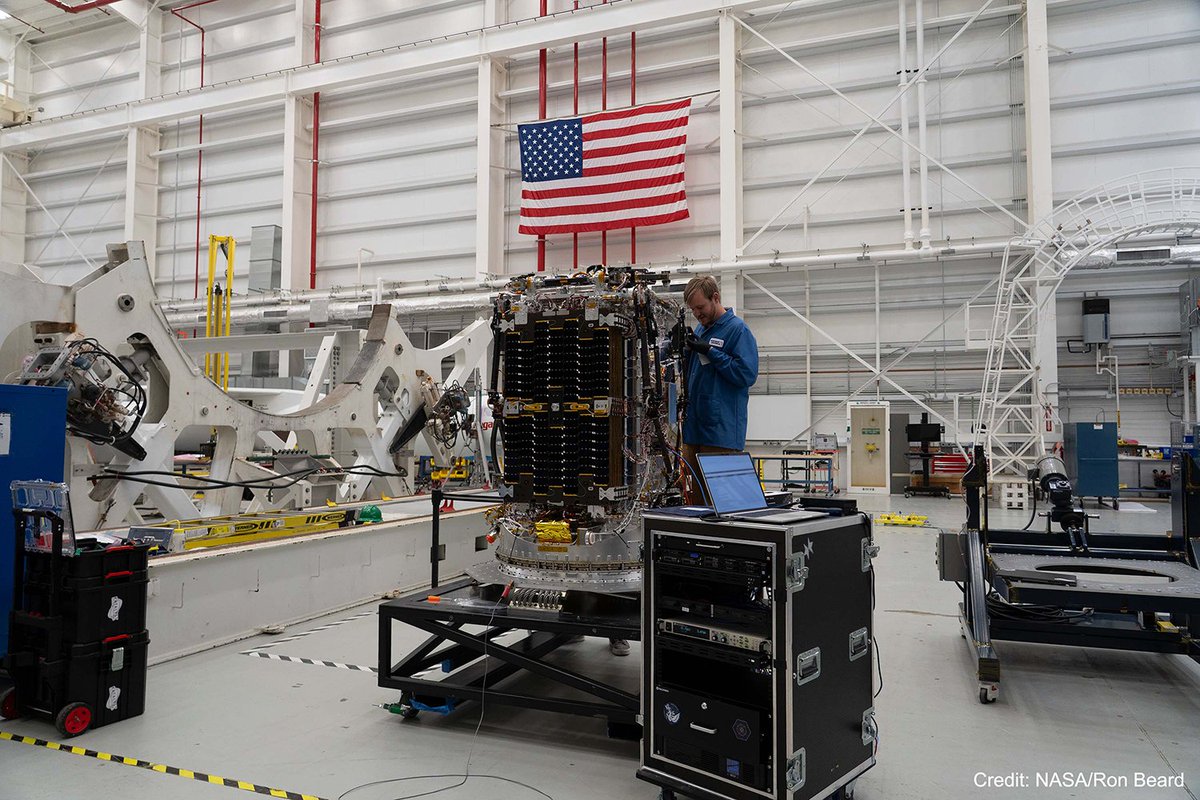
Commissioning continues for Katalyst Space’s LINK as they turn on and test the robotic spacecraft’s systems to prepare for its boost of our Swift observatory. LINK captured these images of its solar panels and one of its thrusters firing last week. More: https://t.co/QcoVyYERNo
A front-row seat to one of the most unique launches in spaceflight. 🚀✈️. From Pegasus to our L-1011 Stargazer cockpit, every angle captures the precision and excitement of a successful air launch supporting the Swift Observatory boost mission.
Despite being 1000x further away, the moon absolutely dwarfs the ISS in this photo I captured off the highway in Arizona.
These transits have to be planned down to the second- but anyone can capture them. This one was captured without a telescope- just a 500mm telephoto lens.
A private rocket mission aims to boost NASA’s Swift telescope before its orbit decays, extending its hunt for gamma-ray bursts.
https://t.co/lFXCt3WSKD
Congratulations, Katalyst Space and Northrop Grumman, on a successful launch! Now Katalyst's LINK will undergo several weeks of commissioning before rendezvousing with our Swift observatory to attempt an orbital boost. More here: https://t.co/daQGHGsfoI
Tonight, U.S. Air Force aircraft soared over the nation’s capital in celebration of #Freedom250, honoring America’s 250th anniversary. 🇺🇸
Some moments are worth watching more than once... especially with your sound on!
At @NASA, we undertake the near impossible. This month, a first-of-its-kind mission will launch to boost our Swift observatory before it re-enters Earth’s atmosphere. Follow along with this daring, rapid-response effort to advance American spacecraft servicing technology.
LIVE: Experts from NASA, Katalyst Space, and Northrop Grumman preview the mission to boost the orbit of our Swift Observatory. Raising Swift's altitude will extend its mission lifespan. https://t.co/lQMtDY2NID
NASA Wallops Island update — June 18, 2026. Pegasus media event recap.
Yesterday we attended NASA's media event for the Pegasus XL launch carrying Katalyst Space's LINK servicing spacecraft, which will attempt to rendezvous with the Neil Gehrels Swift Observatory and boost it back to a stable orbit using LINK's three robotic arms.
We recorded about 33 minutes of the briefing on GoPro, covering the first 15 minutes of speaker intros and mission overview plus part of the Q&A. Rookie mistake: I left it recording in 5K60, and it overheated, cutting things short. Lesson learned.
NASA's event was not video livestreamed, but they ran a live audio stream, available here: https://t.co/yGGczmTvU2
After the briefing, media were bused out to see Pegasus mounted under Stargazer, Northrop Grumman's L-1011 carrier aircraft. As we got off the bus, the Air Force Thunderbirds happened to be taking off from an adjacent runway. Great bonus moment.
Swift's orbit has been decaying faster than expected due to increased solar activity. If LINK succeeds, it will be the first time a commercial robotic mission has captured an uncrewed NASA spacecraft never designed to be serviced in space.
Great day at Wallops.
Video Link: https://t.co/qjT4kOiRyM
@NASASpaceflight@northropgrumman@katalystspace@NASAWallops
LINK, Katalyst Space’s robotic servicing spacecraft, has been integrated into a Northrop Grumman Pegasus XL rocket at @NASAWallops. Later this month, it'll launch from Kwajalein Atoll and rendezvous with our Swift telescope to attempt an orbital boost. https://t.co/7W7jfJgmee
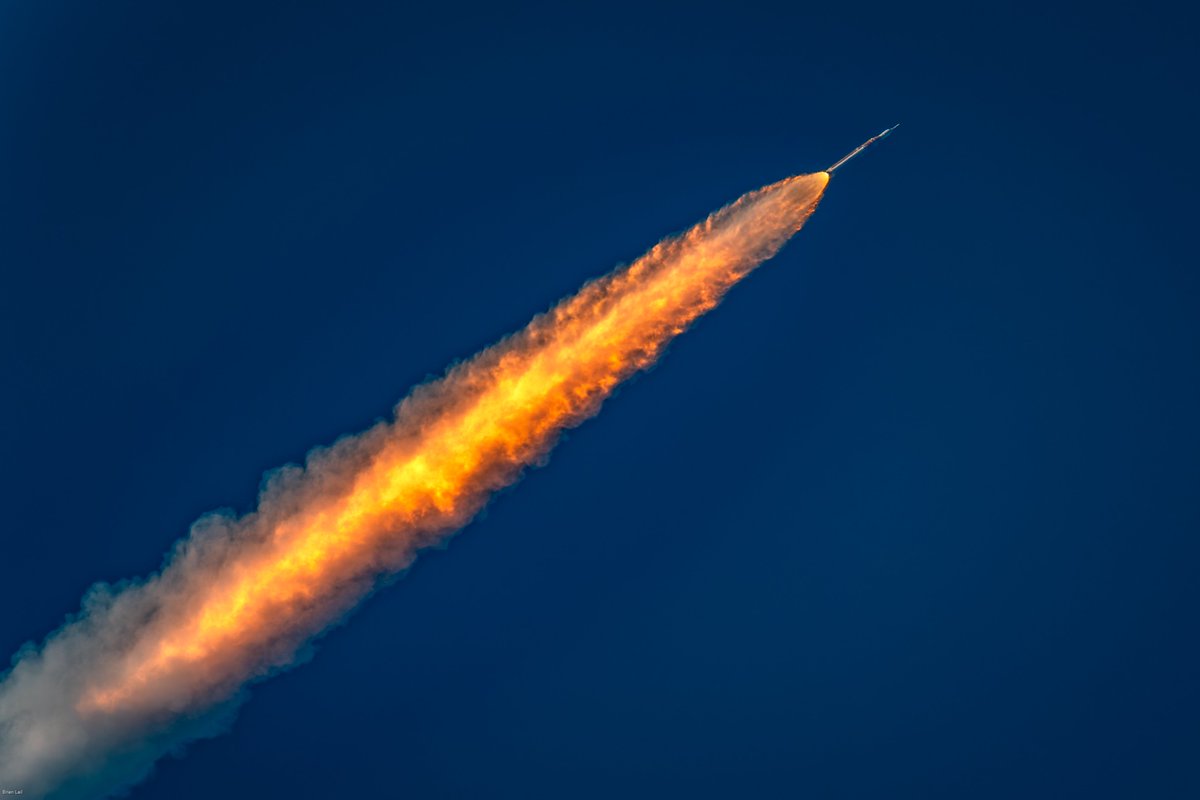
This is probably the best look at the shockwaves I’ve seen from the latest Starship flight.
Captured from a GoPro I clamped onto a proper camera to record simultaneous video. (I’ll show you the photo the better camera took in the reply)
Preparing for future missions to the Red Planet's surface.
The LAVA team at NASA Ames is developing a simulation tool that accurately models how a parachute inflates when deployed behind a payload moving at supersonic speed.
Researchers tested and improved their approach by simulating an actual supersonic parachute flight test, the one you see here, and compared results with real-world data.
This effort is helping engineers better study how these parachutes will perform on future missions to Mars and beyond. https://t.co/CfUBrrGErj
UPS permanently retires its fleet of 27 MD-11 aircraft and take a $137 million after-tax write off instead of returning the widebody freighters to service even if they are cleared to fly again by aviation authorities following the crash of one of its planes in early November.
The announcement was made by the airline during its quarterly earnings call on Jan. 27.
The accelerated retirement of all its MD-11 planes follows the deadly crash of UPS Flight 2976 in Louisville on Nov. 4. The crash, which led to the deaths of 15 people, including the three person UPS crew, is the deadliest crash in the history of UPS Airlines.
"Our thoughts and prayers remain with their families, and everyone affected," UPS CEO Carol Tomé said in the company's first earnings call since the crash. "I am incredibly proud of our team at Worldport and how they responded to this accident, and I would like to thank the Louisville community, as well as our business and industry partners, for their outpouring of support."