BREAKING: The most controversial article of the year, claiming that early morning immunotherapy works better than in the afternoon, is now retracted.
After reading the responses provided by the authors to the inconsistencies raised in the web, the @NatureMedicine editors no longer have confidence in the integrity of the results. The only prospective evidence that time-of-day matters for immunotherapy is now gone.
https://t.co/aXUY6aekhl
To me, this means (at least) two things.
First, it confirms that prudence on this topic was and remains critical. For as inexpensive it may be to give a drug earlier or later in the day, it carries a much more relevant cost: the one of scientific integrity. We owe our patients to make decisions based on solid data. We should not give up this practice too easily, particularly in the presence of several concerning red flags.
Second, this retraction should also prompt a broader reflection on the current state of peer review, in which unpaid reviewers struggle to keep up with a steady rise in submitted papers. Journals need to improve the process by implementing a formal, consistent, in-depth review of each paper by paid professionals. A practice that, in this case, may have avoided a retraction arriving after 22 citations and after inclusion of this study in at least one meta-analysis. And possibly, after some physicians had already changed their practice in IO administration.
For a thoughtful recap of this story, I recommend this well-written new piece in @ScienceMagazine by Laura Agudelo. I’m grateful to Laura for including my perspective in the article.
https://t.co/qHM5fMjwQ3
Can we predict response to #cancer treatment from #tumor transcriptomes instead of the standard-of-care DNA panels in #PrecisionOncology? Check out our large-scale evaluation across several commonly used cancer therapies! 👇
https://t.co/OJUYvADDLz @rlipika@nishanth_UN
🧵1/8
Can we understand biology from "infinite" amounts of perturbation data ?
- Only if we measure the relevant molecules.
Perturbations and data scale 𝐜𝐚𝐧𝐧𝐨𝐭 compensate for missing the relevant molecules.
🧵
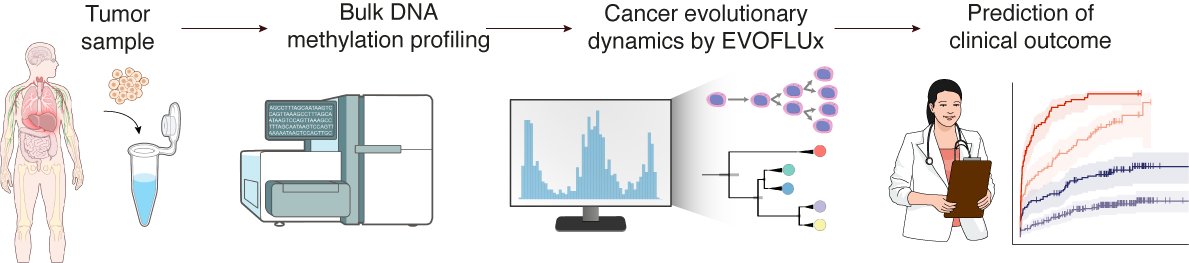
Proud to share our first TRACERx cancer study integrating epigenomics + genomics in NSCLC as co-drivers of tumor evolution.
Led by not me but by the wonderful @NnennayaKanu, @F_gimenoval, @ccastignani6, @VanLooLab
1/ We are thrilled to share our latest research in Cancer Discovery! Grateful to all collaborators in this work, work led by Paul Mischel and Ben Werner, and to @drimrannoorani and @magnushaughey for driving this work! Special thanks: team eDyNAmic, UCL, @TheCrick , and CGC/CRUK
Cancer is an evolutionary disease, but does knowing a cancer’s evolutionary past help predict its future? Out today in @Nature, we learnt the evolution of 2000 lymphoid cancers and found it was highly correlated with clinical outcomes! (1/7, link below)
Cancer cells are notoriously plastic, but what triggers the changes in cell state? In our new @nature paper, Miranda Hunter found that mechanical pressure is a key to this switch. Check it out here: https://t.co/jTlmZ70kaH
A large-scale analysis of U.S. water quality data reveals that most toxic chemicals remain poorly characterized or undetected in routine monitoring.
The findings in Science suggest that the true scale of chemical risk to biodiversity and ecosystems may be significantly underestimated. https://t.co/iTn61O0iUI
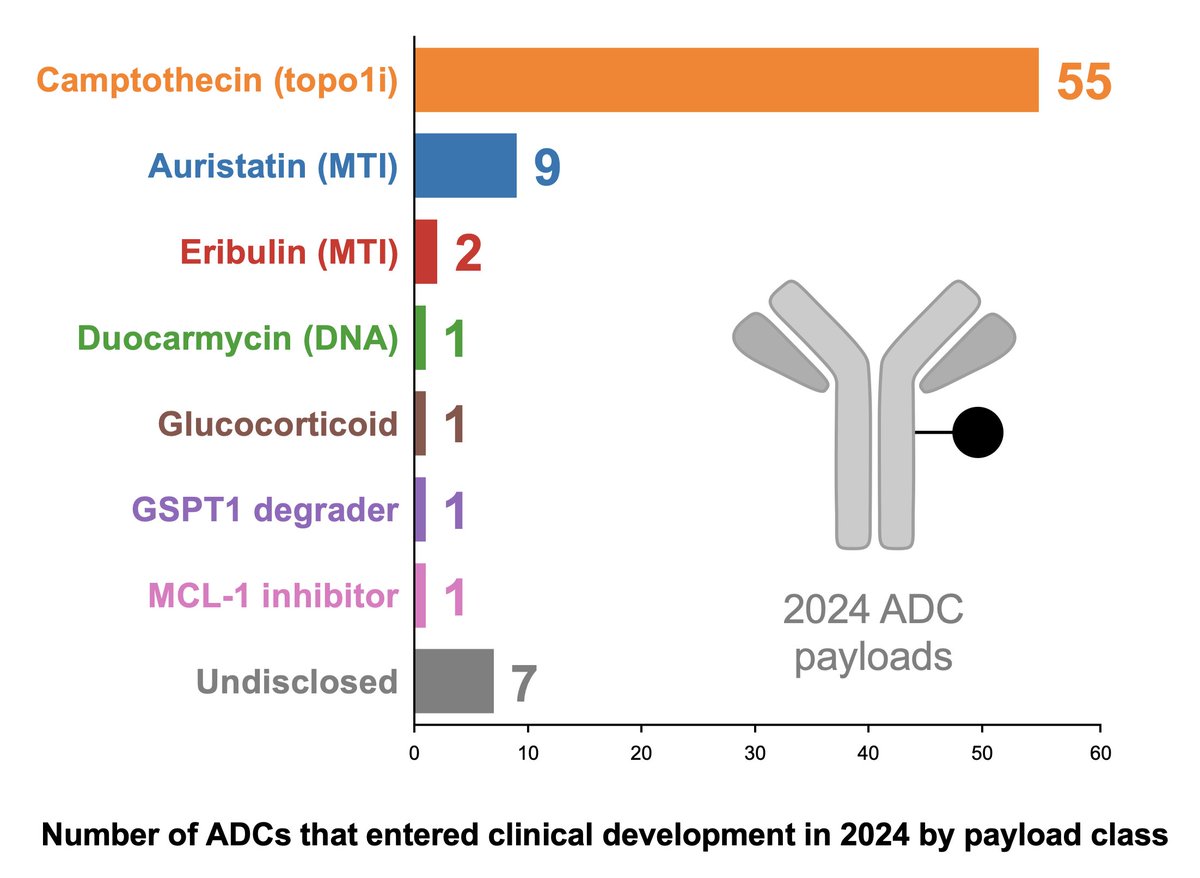
A record 77 new ADCs entered clinical development in 2024 (including those accepted but not yet started).
Payload class was clearly dominated by topo1i with 55 ADCs.
Greater diversity was observed in antibody targets, featuring novel TAAs and several bispecific ADCs.
Great discussion about early onset cancers with @KimmieNgMD and @CRUKresearch@CancerGrand@theNCI funded research: what is the underlying cause ? Obesity, western diet, microbiome, antibiotic use ?
FDA approves IDH1 and IDH2 inhibitor for brain cancer https://t.co/IJ8MKLliBv
this is indeed a milestone that many of us have assisted almost in real time from that original science paper in 2008 (Parsons et al). Remarkable!
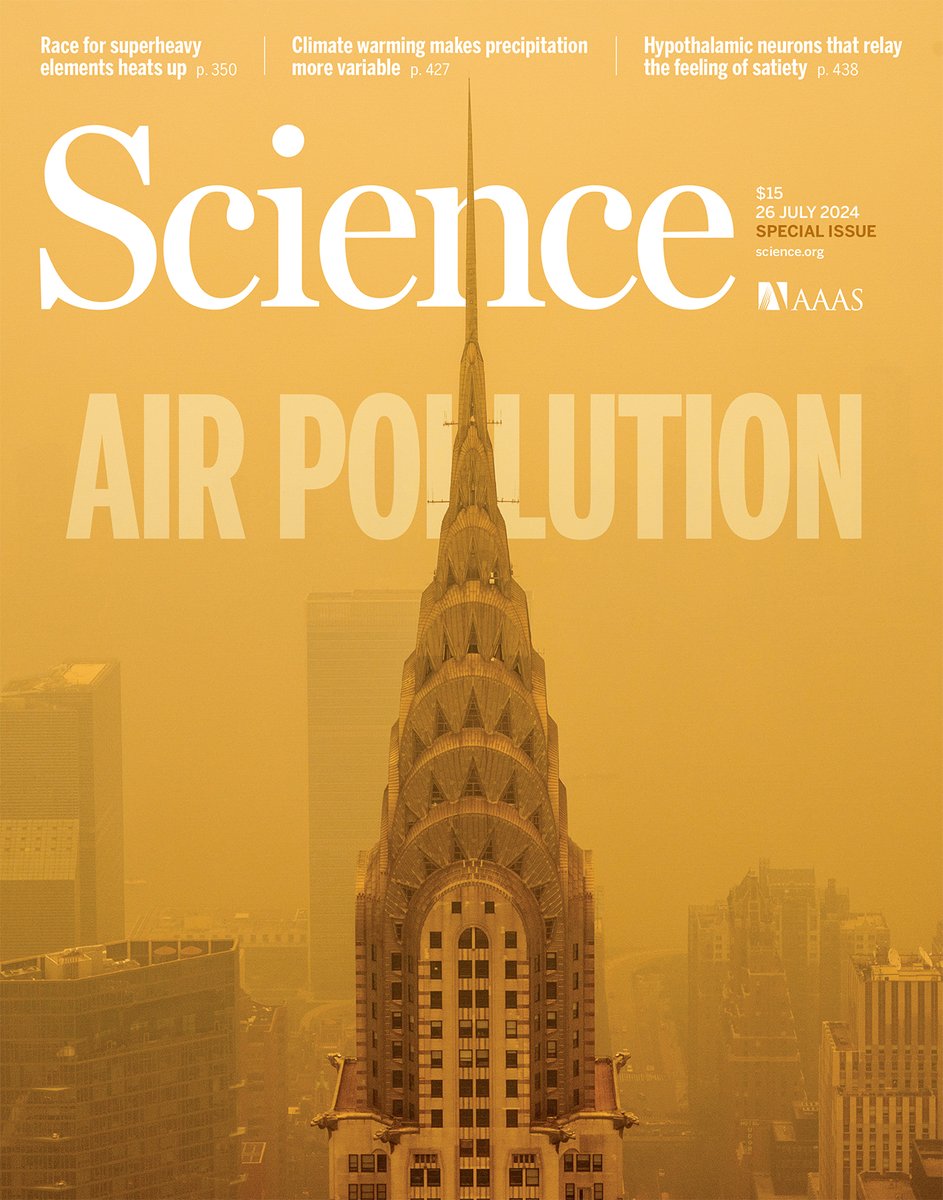
A new special issue of Science considers recent developments in monitoring, health effects, and policy dealing with #AirPollution.
Learn more: https://t.co/Q4wPZOwb3x
Published today! We found that cancer cells adapting to drug treatments don't simply switch from a sensitive to resistant state; instead there's a ‘resistance continuum’ of resistant phenotypes with epigenetically reprogrammed states. 🧵⬇️
https://t.co/Jgx79K3i3a @Gustavo_SFranca
And thanks to the brilliant @CancerGrand team at CRUK for their total support since Mutographs started, as well as wonderful scientific journey with @sangerinstitute and @UCSD colleagues (esp @drsarahmoody), partners in the 11 countries, and all the great team @IARCWHO.
Great to see this review published. Setting new agenda for cancer research. Congrats to the great group of authors and the CRUK Marshall Meeting team. Embracing cancer complexity: Hallmarks of systemic disease: Cell https://t.co/evFtrcct7a
What happens if you study 50K cancer transcriptomes in a lot of analytic depth, and through the lens of a really good deep learning model?
I loved working on this fascinating project with @suinleelab! We dug into the data like maniacs😱
Read more 👇
https://t.co/Qs07vzrNTr